The Army’s standard sidearm has never changed just for the sake of novelty. Each replacement arrived when an older handgun no longer matched the way soldiers fought, the ammunition they were expected to use, or the maintenance burden the service was willing to accept. That long pattern makes sidearms unusually revealing. A pistol is a compact piece of military technology, but every new issue model exposes a larger shift in doctrine, logistics, ergonomics, or industrial thinking.
1. Flintlock pistols revealed how limited early sidearms really were
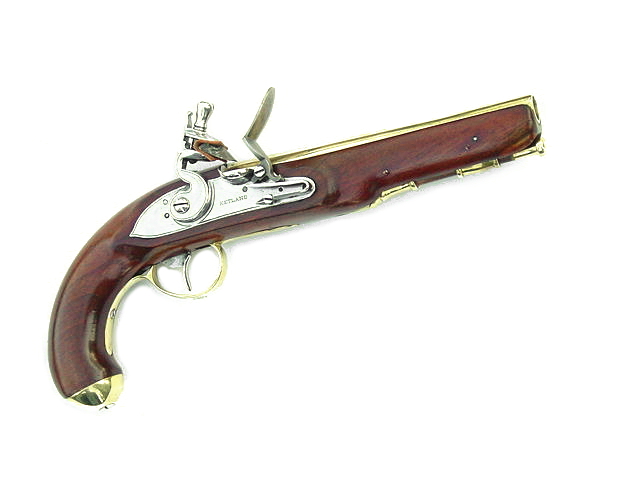
The earliest U.S. military handguns were closer to emergency tools than true fighting pistols. The Flintlock Model 1775 and its early successors offered short effective range, slow loading, and modest practical accuracy. In that era, sidearms were often carried by officers or mounted troops as secondary weapons, not as the centerpiece of personal defense.
That first standard issue revealed a basic truth about 18th-century handgun design: the technology had not yet produced a sidearm capable of sustained, decisive use. A pistol existed because it was compact and convenient, not because it dominated the fight.
2. Revolvers revealed that capacity was becoming a battlefield requirement
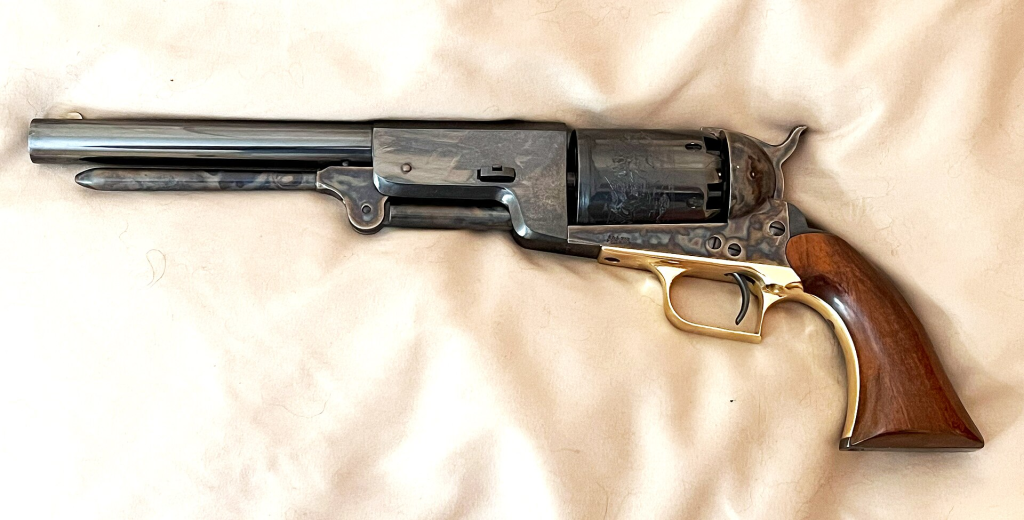
Once percussion and revolver systems matured, the Army gained something earlier pistols could not offer: multiple shots without reloading after every discharge. Models such as the Colt 1847, Colt Dragoon, and later Civil War-era revolvers reflected a major leap in practical firepower for cavalry and officers.
This replacement cycle showed that sidearm development was beginning to follow the same rule that shaped shoulder arms. More shots on hand meant more survivability in close, chaotic encounters. The handgun was still a secondary weapon, but it was no longer a one-shot compromise.
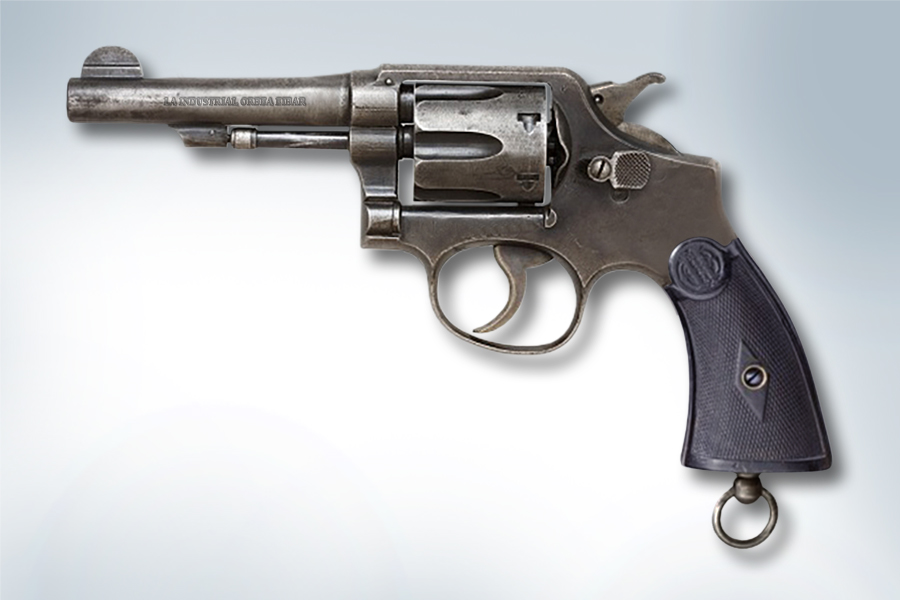
3. The failed .38 revolver era revealed that ballistic performance could override mechanical progress
The Colt Model 1892 looked modern on paper. It used a swing-out cylinder and extractor system that made reloading faster and more efficient than older single-action revolvers. Yet the Army’s experience with the .38 Long Colt round exposed a different problem: a more advanced handgun mechanism could still disappoint if the cartridge did not deliver the desired effect.
That period became one of the clearest examples of replacement driven by ammunition performance rather than just firearm design. Reports from combat pushed the Army back toward larger-caliber handguns, proving that service pistols are judged not only by engineering elegance but by what happens at the target.
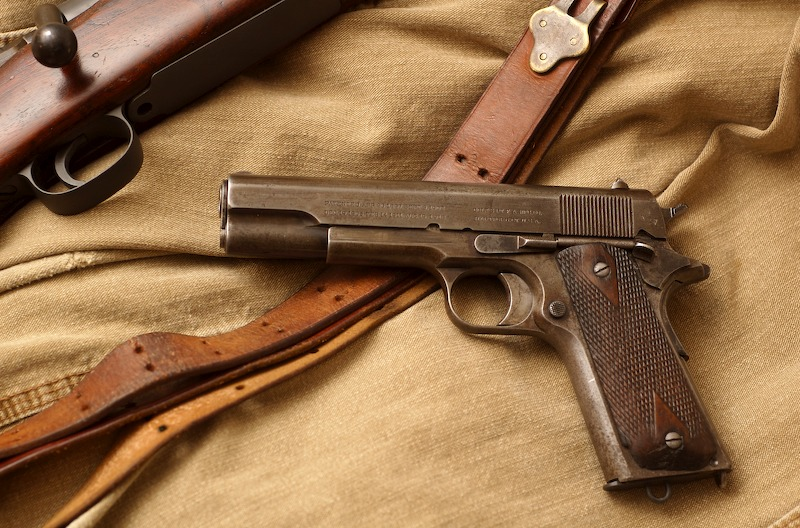
4. The M1911 revealed the Army’s demand for durability, power, and mechanical simplicity
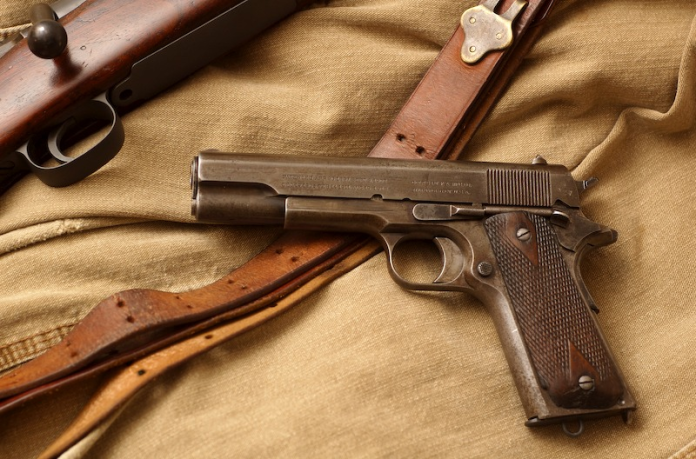
The answer was John Browning’s .45-caliber pistol. During the 1910 trials, a prototype Colt famously completed a 6,000-round test with no malfunctions, while its nearest rival suffered repeated stoppages. That result mattered because the Army was not merely selecting a new sidearm; it was defining what reliability should mean for a service pistol.
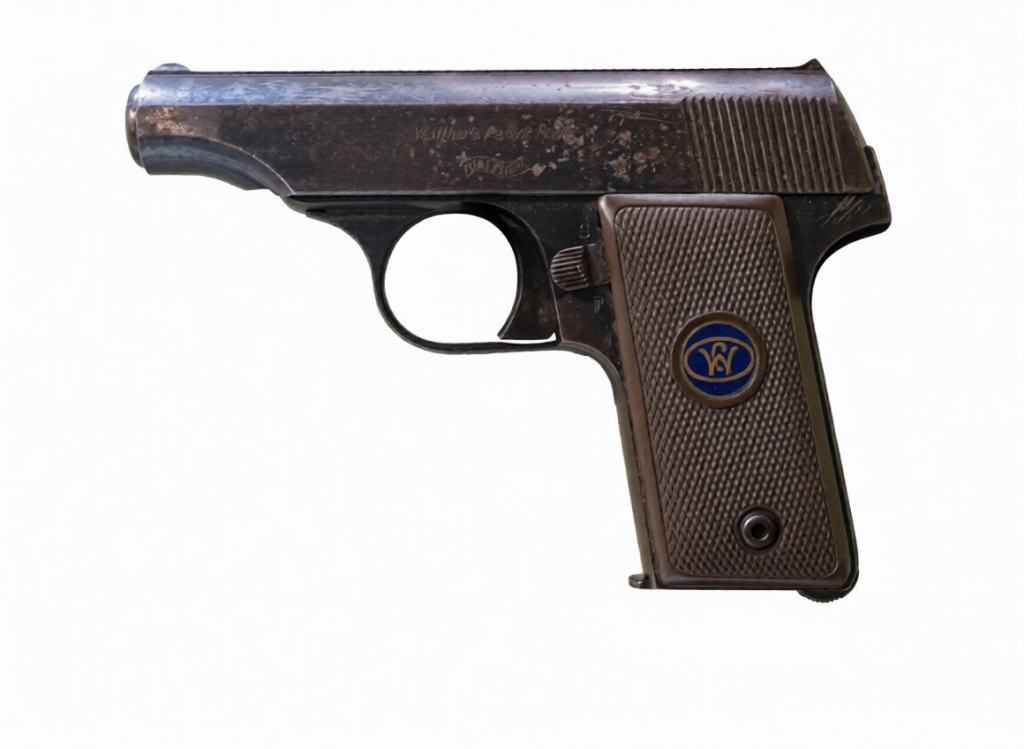
The M1911 also revealed how strongly the Army valued a sidearm that could withstand hard use with minimal drama. Its single-action trigger, steel construction, and .45 ACP chambering made it powerful and respected, and its service life from 1911 to 1985 showed just how completely it fit the needs of its time. Even after formal replacement, some specialized units kept versions of the design in use. Retired Marine colonel Dave Dotterrer described the appeal in direct terms: “It’s a great weapon because of its stopping power.”
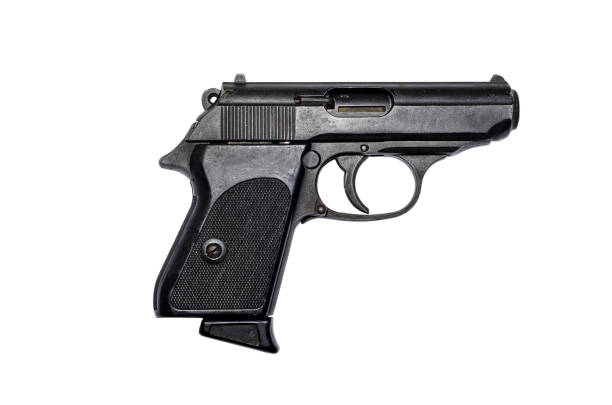
5. The M9 revealed the growing power of standardization and alliance logistics
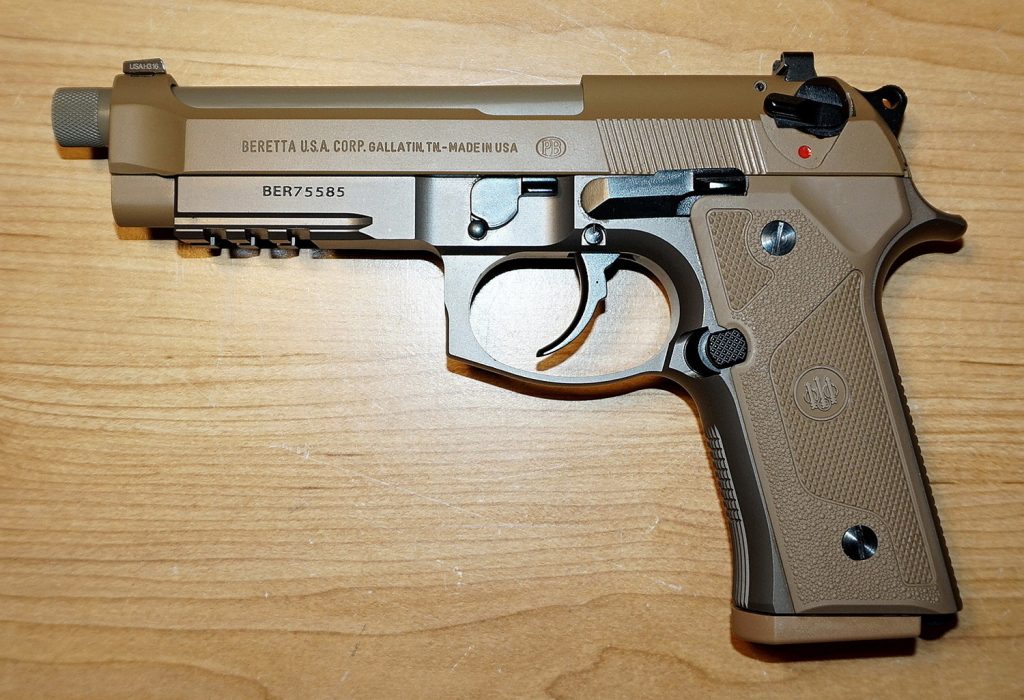
By the late 20th century, the Army needed more than a beloved legacy pistol. Aging M1911 inventories, cross-service standardization, and NATO ammunition alignment all shaped the next move. The Beretta won the trials and entered service in 1985 as the “Pistol, Semiautomatic, 9mm, M9”.
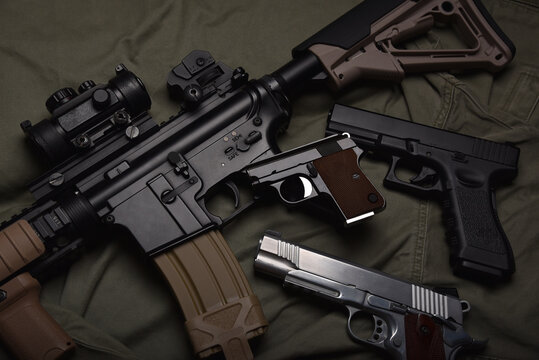
The M9’s adoption revealed a new priority set. Capacity rose to 15 rounds, ambidextrous safety-decocker controls improved handling flexibility, and 9mm NATO compatibility simplified broader logistics. This was the era when the service pistol stopped being just an Army choice and became part of an alliance-wide ammunition and procurement logic.
6. The M9’s later criticism revealed that soldier feedback could no longer be ignored
Standardization did not end the story. Over time, the M9 developed a mixed reputation, especially as hard use, aging inventories, and environmental challenges exposed weaknesses. Firearms News noted that roughly one quarter of the troops who reported firing their M9’s in combat experienced a stoppage. Separate upgrades such as the M9A1 and M9A3 attempted to address accessory mounting, reload handling, and harsh operating conditions.
This phase revealed something increasingly important in modern procurement: official adoption no longer settled the argument. User experience, maintenance realities, and after-action data could push a replacement discussion back onto the table even when a pistol remained widespread.
7. The M17 and M18 revealed that the handgun had become a modular system, not a fixed object
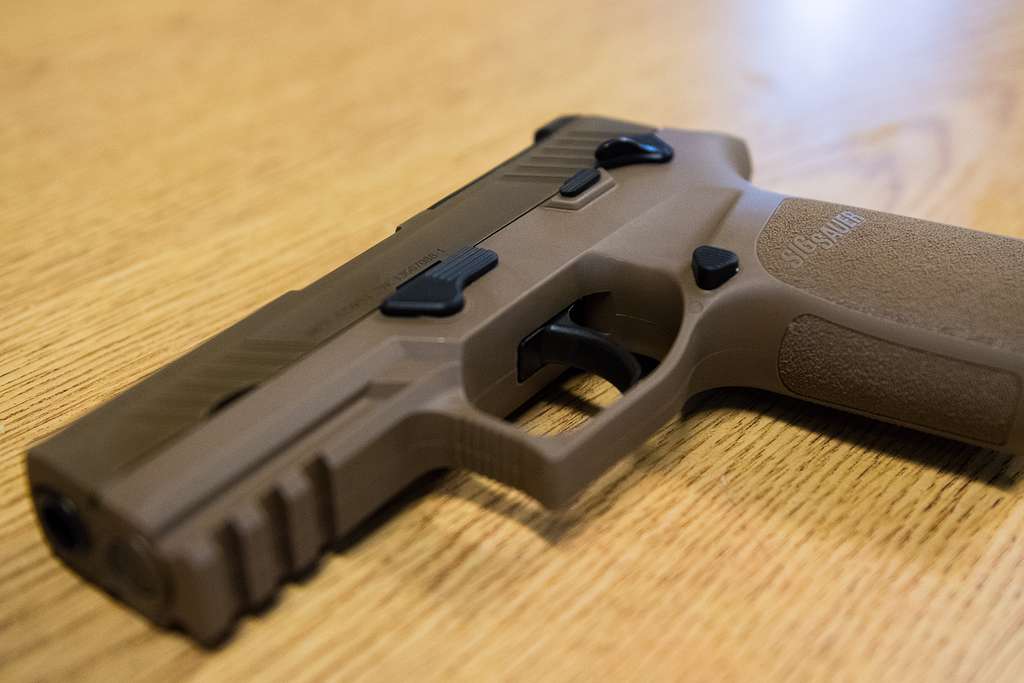
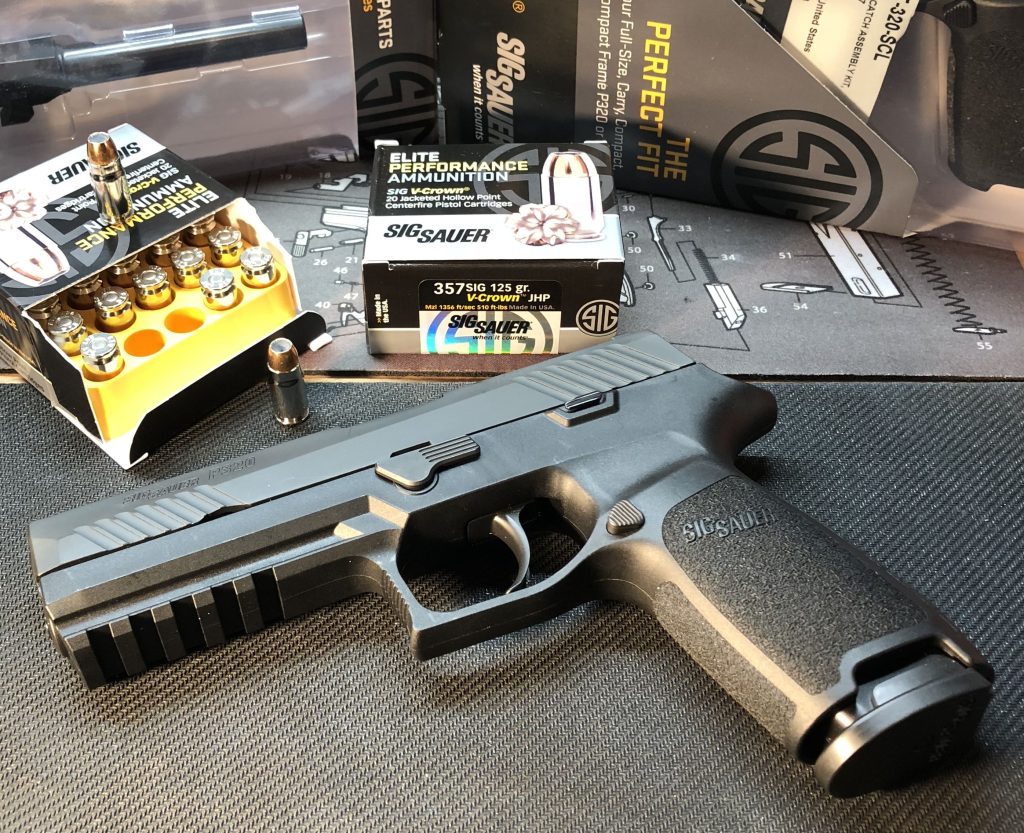
The Modular Handgun System competition asked for more than a new pistol. It asked for adaptability. SIG Sauer’s P320-based design won in 2017, producing the full-size M17 and compact M18. Their defining feature was the removable fire control unit, which allowed the serialized core to move between different grip modules and slide lengths.
That shift revealed a different philosophy of military sidearms. Instead of replacing an entire handgun every time requirements changed, the Army moved toward a platform that could be configured around the user and mission. Ambidextrous controls, optics compatibility, accessory rails, suppressor support, and multiple magazine sizes showed that the sidearm was now expected to plug into a broader ecosystem of accessories and roles. In practical terms, the Army was no longer buying only a pistol; it was buying growth potential.
Seen across two and a half centuries, Army sidearm changes form a clear engineering pattern. Early pistols exposed the limits of available technology. Revolvers elevated capacity. The M1911 answered a demand for power and ruggedness. The M9 reflected standardization and higher capacity. The M17 and M18 turned the sidearm into a modular platform. Each replacement revealed what the Army valued most at that moment. The pistol on a soldier’s belt changed shape, caliber, and controls over time, but the deeper story was always the same: a standard sidearm is a snapshot of military priorities in steel, aluminum, or polymer.


