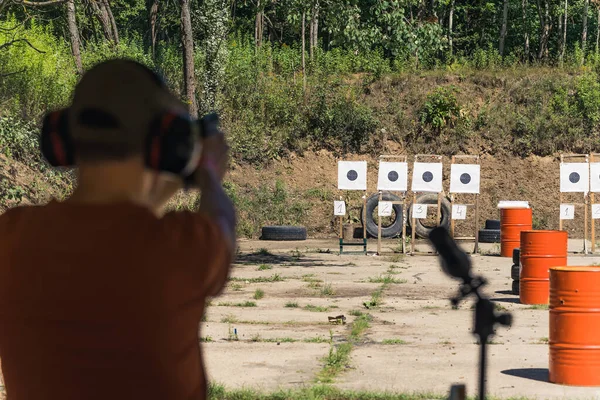
Handgun arguments often drift toward caliber, expansion, and lab testing. Police trainers tend to bring the conversation back to a less glamorous subject: where rounds land when recoil, speed, and stress start pulling the gun off line.
That shift matters because many shooters are still taught simplified ideas about “center mass,” trigger reset, or ballistic superiority that do not hold up well once the pistol starts moving. Training literature aimed at law enforcement repeatedly points to the same problem: misses and marginal hits rise when technique is built around myths instead of how pistols actually behave in rapid fire.

1. “Center mass” is not precise enough to be a useful aiming rule
A common training shortcut tells shooters to aim at center mass and let the rest sort itself out. That phrase sounds clear, but it often produces hits that are too low on the torso. One reference on anatomy and handgun effectiveness argues that many targets place the aiming zone below the upper chest, which conditions shooters to miss the area most associated with the heart, lungs, and major vessels. In that framework, shots landing too low can damage organs without causing rapid physiological collapse. Police-style accountability makes that more than a scoring issue. A vague hold point encourages vague impacts, especially when the shooter is rushing.
2. Shot placement is not a single hit problem
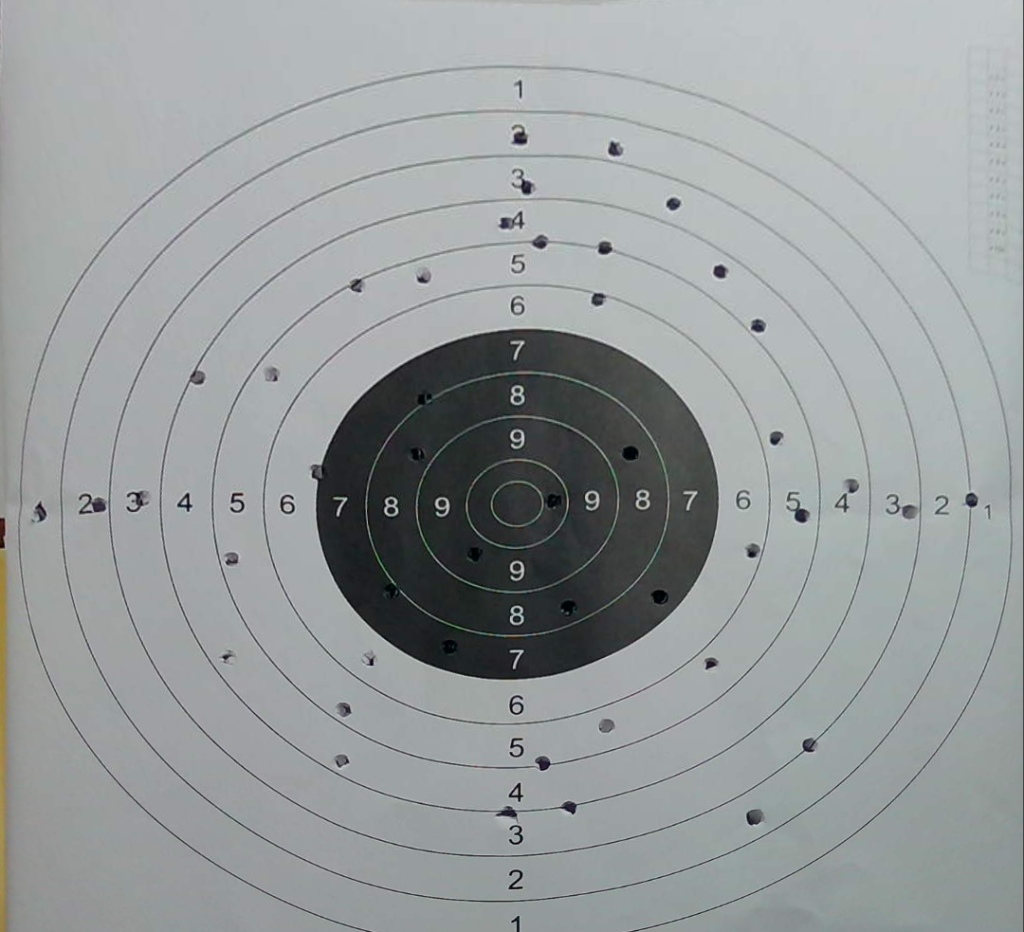
Another myth treats placement as if one accurate first round settles everything. Trainers tend to focus on where the second and third rounds go, because that is where control often breaks down. In one law-enforcement drill article, rapid strings are used to expose the spread pattern that appears even with skilled shooters. The point is simple: the gun moves, and the shooter must manage that movement instead of pretending it does not exist. That emphasis lines up with broader handgun data. A long-running stopping-power compilation found torso shots produced 41% immediate incapacitation, while extremity hits were far less effective. The practical lesson is not just “hit the torso,” but keep consecutive hits in a tightly defined area instead of letting recoil scatter them.
3. Slow trigger reset habits often fall apart under stress
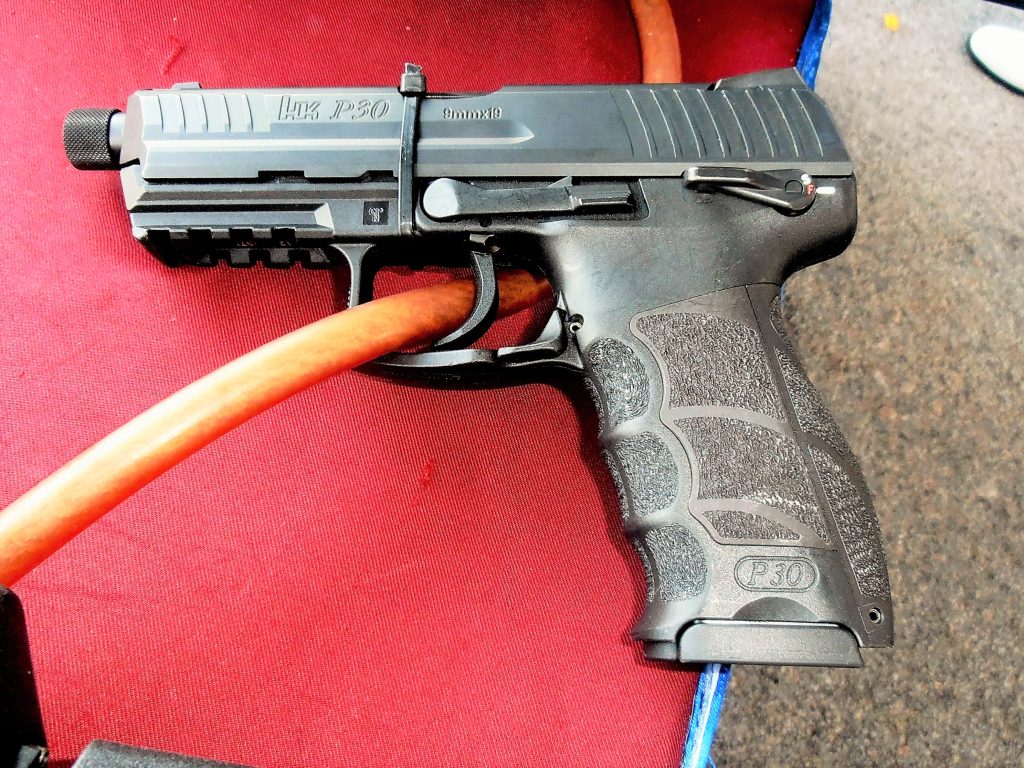
Many range routines teach shooters to feel and hear the trigger click before pressing again. Trainers writing for police audiences describe that as a technique that can become too deliberate for fast, realistic handgun work. The “reset in recoil” method reverses the sequence: the shooter releases and re-engages the trigger while the pistol is cycling, then breaks the next shot as the sights return. That approach is built around motion, not pause. In the training description, the shooter is told, “Do not listen for a click either. I want you to just quickly press the trigger twice each time.” The intended result is tighter vertical dispersion during quick pairs, rather than the high-low stringing common when the second press is mistimed.
4. Recoil control matters more than most target drills admit
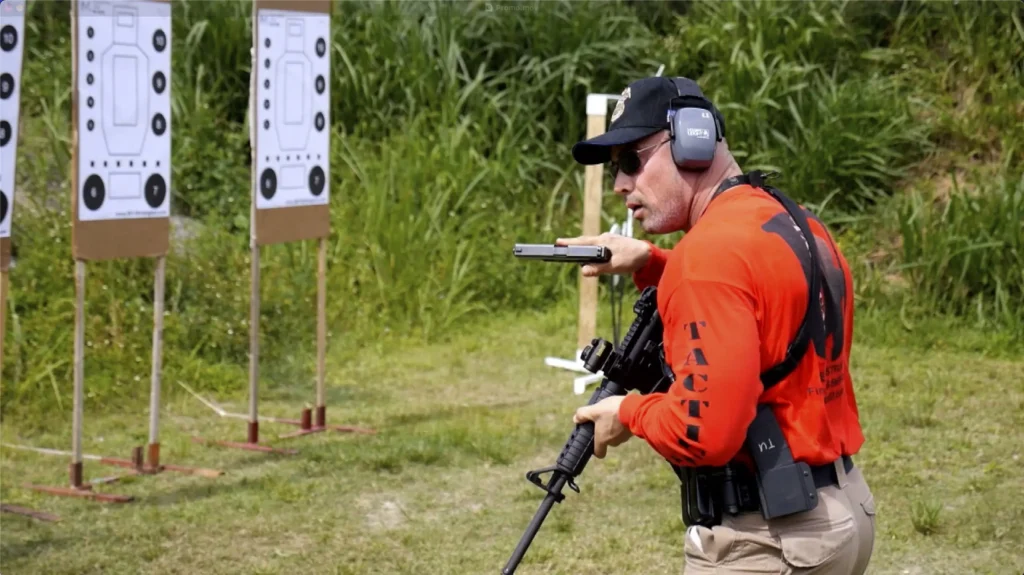
Dry-fire work can build fundamentals, but it cannot fully teach sight recovery or the timing needed for follow-up shots. Training systems built for police use highlight recoil simulation because it forces shooters to reacquire sights, manage anticipation, and function while the pistol is physically disrupting their stance and grip. According to one simulator overview, recoil training helps the body learn to reacquire the sights quickly after firing, something the article says dry fire cannot replicate effectively. That has direct implications for placement. The myth is that if the first sight picture looked good, the string will stay good. Trainers treat each recoil cycle as its own problem to solve.
5. Caliber debates distract from the larger hit-quality problem
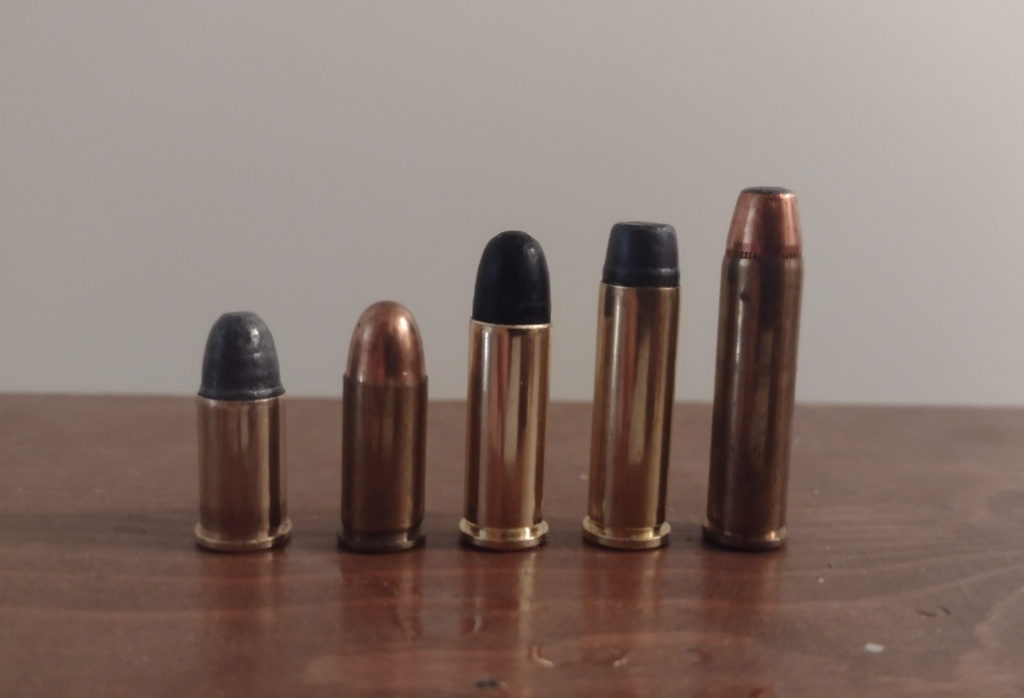
Police and defensive shooting sources differ on ammunition preferences, but several of them converge on the same uncomfortable point: service calibers are closer in real effect than shooters like to admit. One analysis of handgun incidents concluded that common defensive calibers showed only modest variation in immediate outcomes, while a forum discussion from experienced law-enforcement voices described wound differences between service rounds as difficult to distinguish in surgery. That does not mean ammunition does not matter. It means the myth of caliber as a shortcut to poor placement is hard to support. If the shooter cannot keep rounds in the upper chest or on other critical structures, hardware changes do not solve the underlying failure.
6. “Center chest” is more useful than a generic torso hold
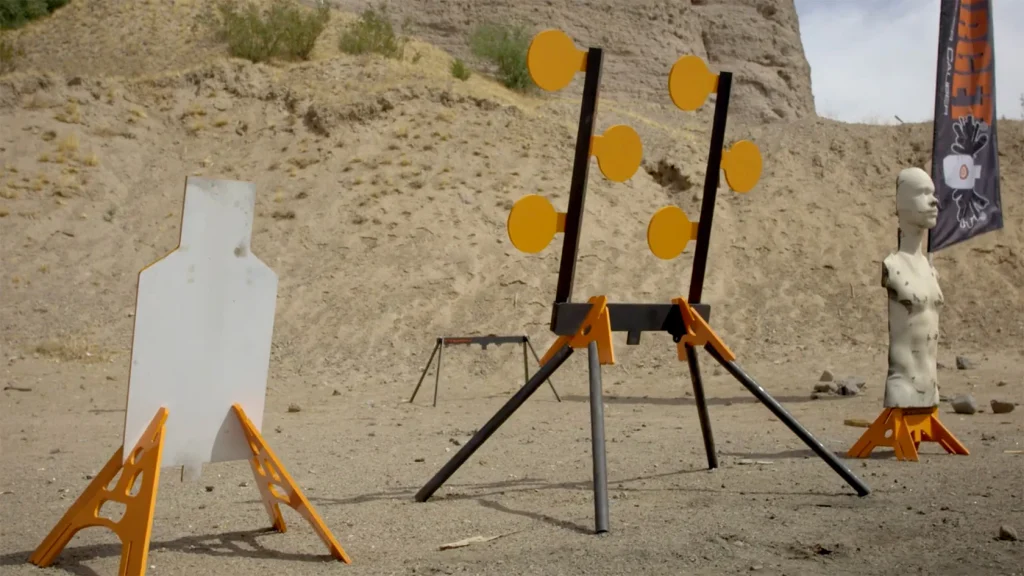
The anatomy argument in the reference material is specific: the most consequential handgun hits are associated with the upper chest, not the geometric middle of the body. That distinction sounds minor, but it changes how shooters use targets, index their sights, and interpret acceptable hits. It also changes how they think about stress shooting. A hurried low hit may still be on paper, but it is not equivalent to a hit placed higher in the thoracic cavity. For trainers, this is where target design becomes part of the problem. A bad aiming cue can create a bad habit that looks acceptable on the range.
7. Stress pulls vision toward the threat, not the perfect aiming point
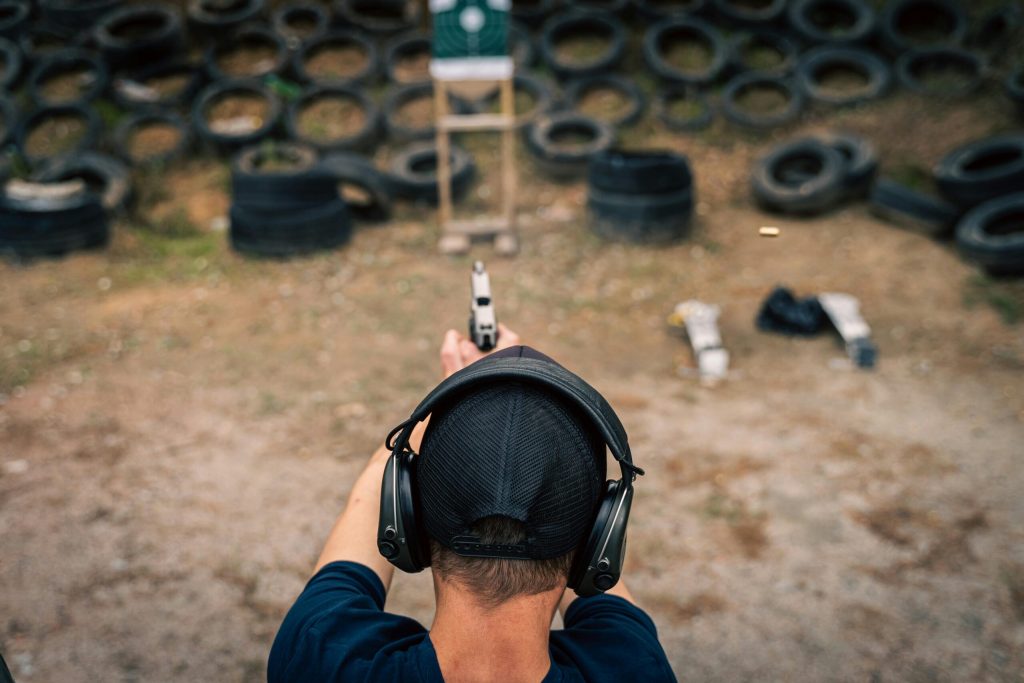
Scenario-based trainers note that hits do not always begin at the chest. One ballistic-testing critique points out that in force-on-force work, shooters often focus visually on the attacker’s hands or weapon, and early rounds may strike there first. The article bluntly states that your first shot may hit the gun, not the chest. That observation does not excuse poor placement, but it does explain why simplistic range assumptions break down in realistic encounters. Police trainers use that reality to push more dynamic drills, tighter standards, and better understanding of what the eyes actually do under stress.
8. Hit ratio data shows the myth is expensive
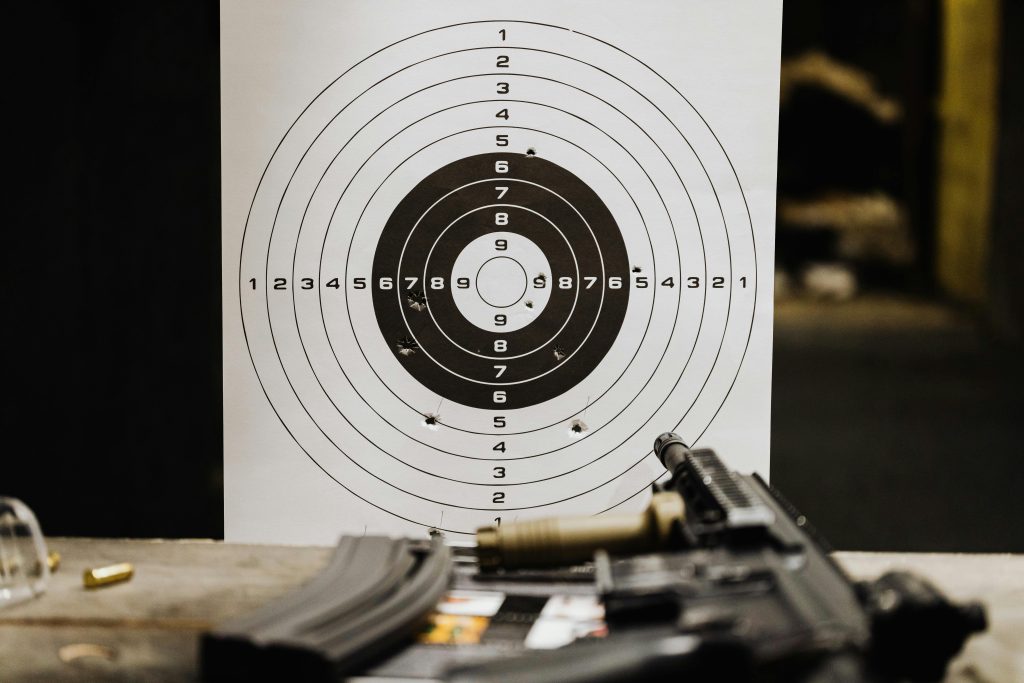
The most sobering evidence in the reference set comes from officer performance data. One police training article cites historical findings of a 51 percent hit ratio in single-officer shootings and a later study showing that figure had dropped to 35%. That is a training problem, not a caliber problem. When shooters believe “close enough” placement is enough, misses multiply and follow-up rounds drift farther from the intended zone.
Trainers respond by shrinking acceptable impact areas, emphasizing timing during recoil, and teaching shooters to work with the pistol’s cycle instead of trying to freeze it. The myth at the center of all this is not that shot placement matters too little. It is that shot placement is easy, static, or solved by a single rule like center mass. Police-oriented training treats it as a moving, repeatable skill that depends on recoil management, visual discipline, and an aiming point tied to anatomy rather than habit. That is why trainers keep returning to the same message: placement is not where the first round starts, but where the whole string ends up.


