Long-range accuracy is not just about a flat ballistic chart or one good group on a calm day. The cartridges that earn real loyalty are the ones that stay predictable across different rifles, hold up when wind calls matter, and let shooters repeat good hits without fighting the gun.
That is why the usual debate never really ends. Some rounds win by being easy to shoot, some by stretching a platform farther than expected, and some by carrying magnum-level reach without turning every range session into a recoil lesson.
1. .308 Winchester
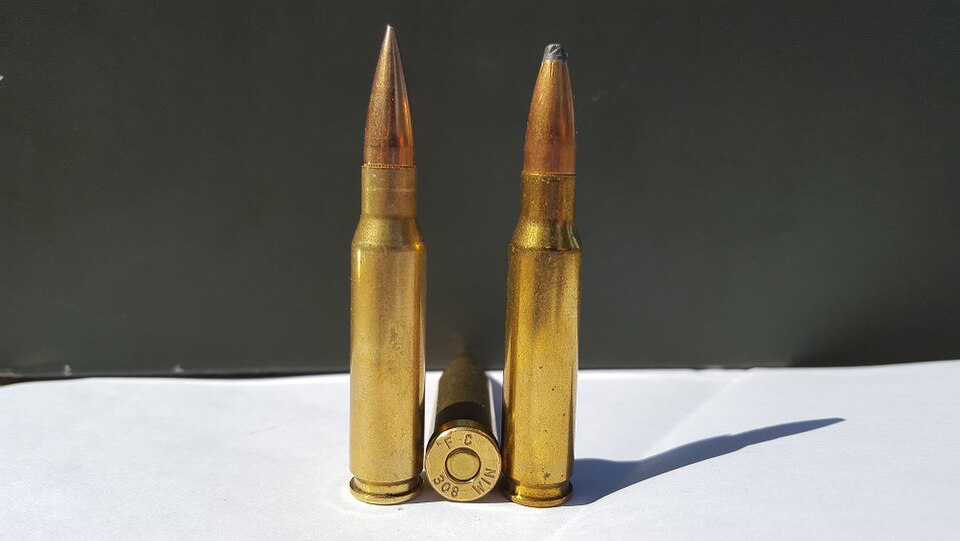
The .308 Winchester remains the benchmark for shooters who value consistency over trendiness. It has a long record of delivering dependable precision from factory rifles, bolt guns, and semi-autos, and it does it without demanding exotic components or narrow load windows. That broad compatibility is a major part of its reputation. Shooters can move from practice to hunting to steel matches without relearning the cartridge every time.
Its real strength is balance. Recoil stays manageable, barrel life is generally respectable, and proven match loads such as 168- and 175-grain BTHP ammunition still set a standard for repeatable performance. It may not be the flattest option on this list, but it is one of the least fussy.
2. 6.5 Creedmoor
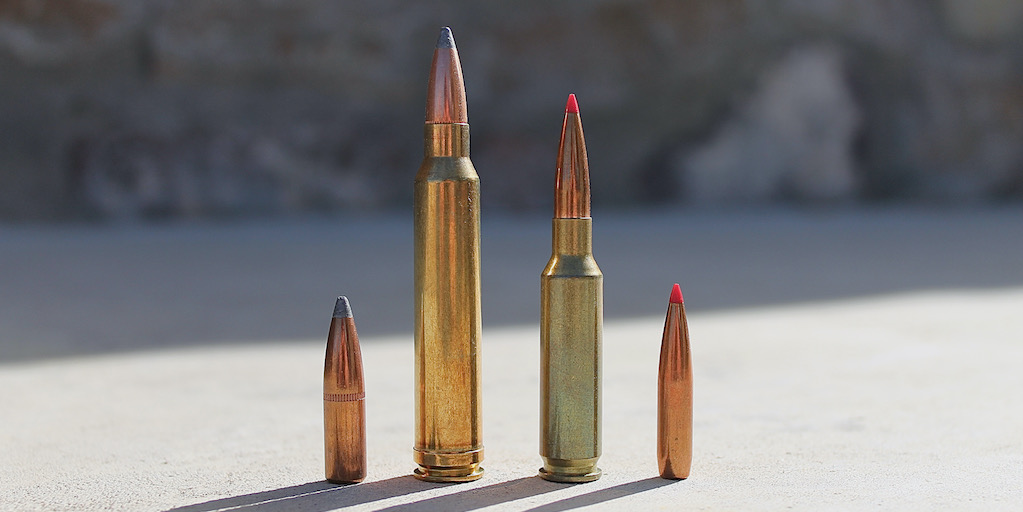
The 6.5 Creedmoor was built to make long-range shooting easier, and that design goal still shows. High-BC bullets, efficient case geometry, and mild recoil gave it an unusually fast climb from target cartridge to all-purpose precision favorite. Even when compared with larger magnums, it stays competitive at practical distances because it gives shooters less punishment and more feedback.
It also resists wind better than many shooters expect from a non-magnum. In direct comparisons with .300 Win. Mag., the Creedmoor often gives up little in normal long-range target work while remaining far easier to run through long strings of fire. That combination explains why it became a default choice for many shooters learning to push distance.
3. .223 Remington / 5.56 NATO
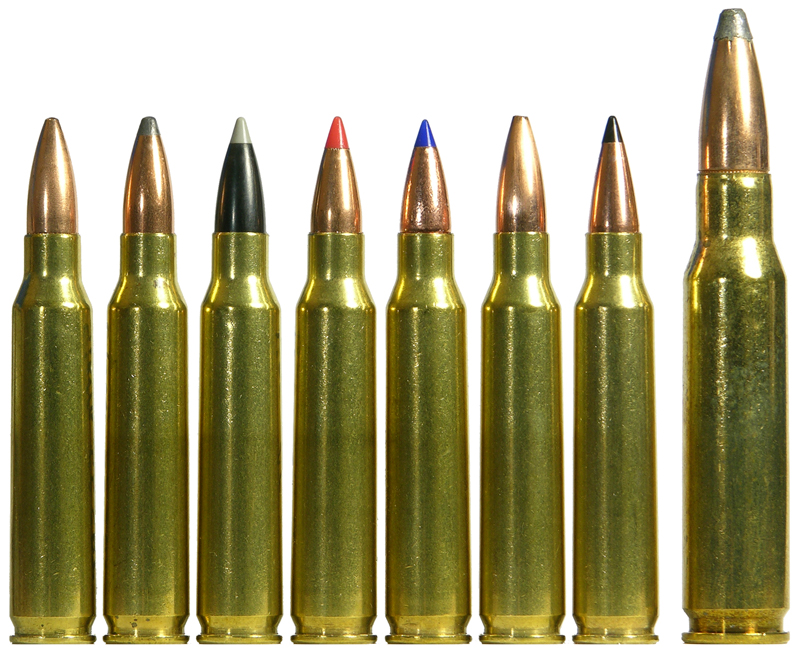
This pairing gets underestimated whenever the conversation turns serious, but accuracy is not the problem. In a rifle with the right twist rate and good bullets, .223 Remington and 5.56 NATO can be remarkably precise. Low recoil lets shooters see trace, spot impacts, and correct quickly, which is a real advantage for training and practical competition.
Its limitations are obvious, but so is its usefulness. For steel, varmints, and fundamentals work, it offers a forgiving way to build wind-reading and position skills. In capable hands, it has even been used successfully on distant steel well beyond what many people associate with the cartridge.
4. .243 Winchester
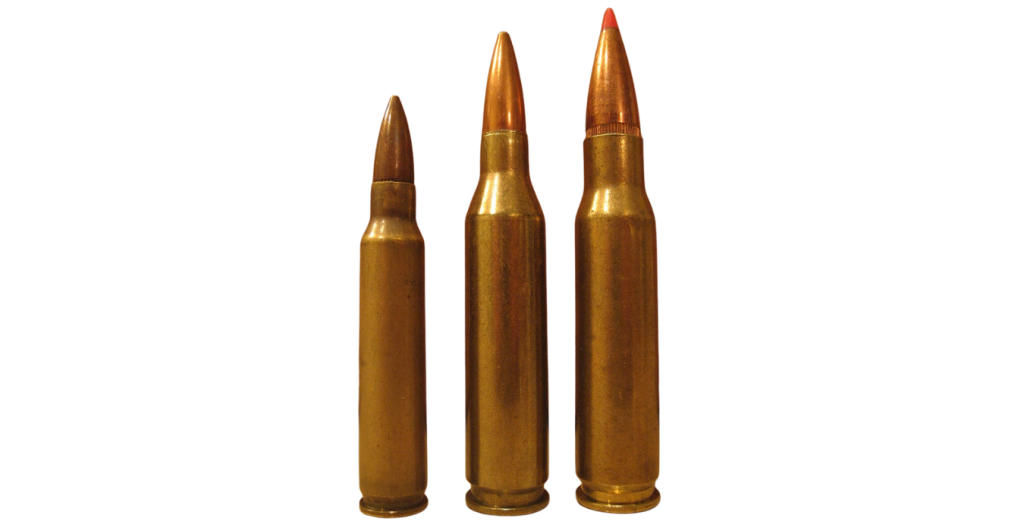
The .243 Winchester has spent decades proving that soft recoil and serious precision can live in the same case. It is often one of the easiest centerfire cartridges to shoot well, which makes it appealing to newer riflemen and still relevant to experienced shooters who appreciate efficient performance.
Its flat trajectory is a major part of the appeal, but the cartridge also tends to produce excellent groups in good bolt guns. That reputation has kept it relevant as newer 6mm cartridges arrived. For shooters who want reach without stepping into heavier recoil, the .243 still makes a strong case.
5. 6mm ARC
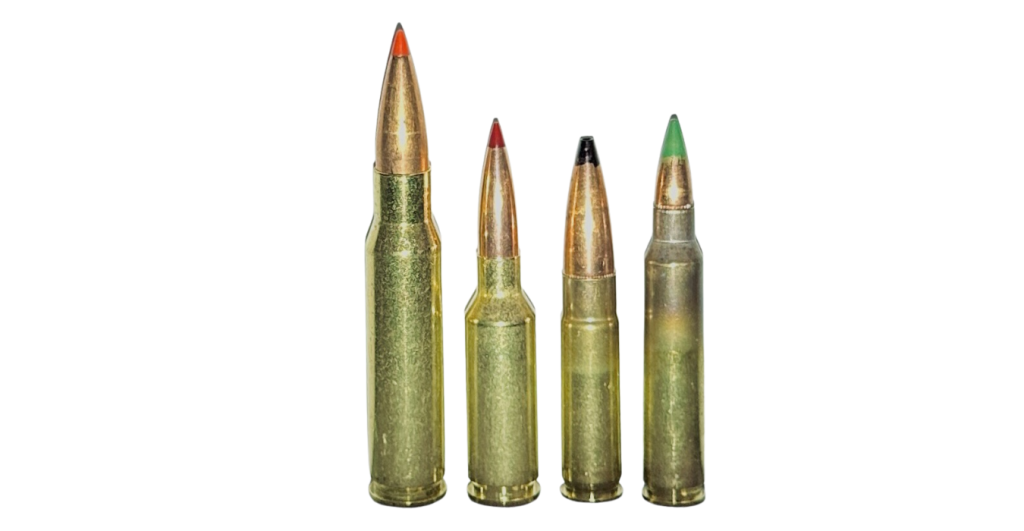
The 6mm ARC changed expectations for the AR-15 platform. Hornady designed it to push sleek 6mm bullets from a compact rifle, and the results gave gas-gun shooters a much more serious long-range option. According to field testing with 6mm ARC, it has shown sub-MOA potential along with useful downrange authority on deer-sized game.
Its trajectory advantage over .223 is one reason it stands out. Reports have shown about 30% less wind drift and markedly less drop at intermediate range. That does not turn every AR into a match rifle, but it does make the platform far more capable when distance starts to stretch.
6. .270 Winchester
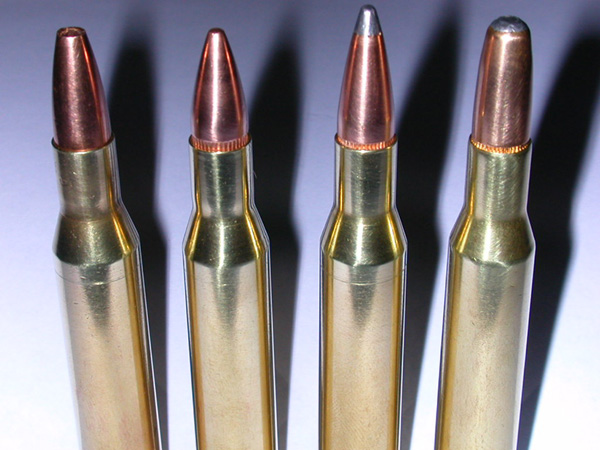
The .270 Winchester has been doing accurate, flat-shooting work since 1925, and it still refuses to fade away. In practical hunting rifles, it has long been known for shooting better than average with little drama. That matters. A cartridge does not stay in the field this long unless ordinary rifles and ordinary ammunition keep producing results.
Its reputation comes from a simple formula: useful velocity, manageable recoil, and a trajectory that stays forgiving in open country. Modern interest may drift toward newer short-action rounds, but the .270 remains one of the cleanest examples of old-school performance that still solves modern problems.
7. 6.5 PRC
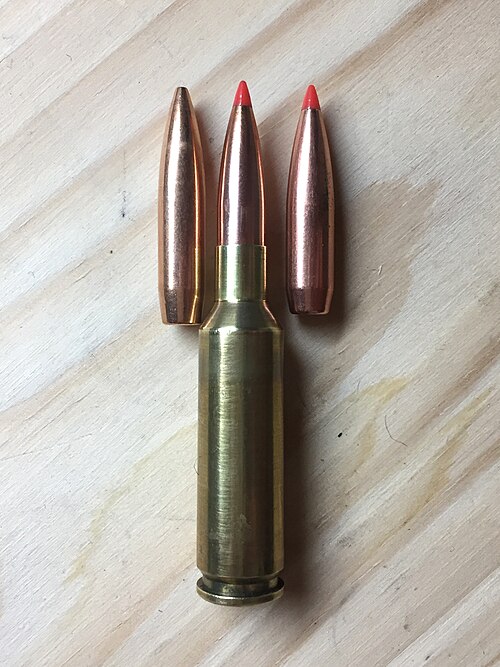
The 6.5 PRC occupies the space between easy-shooting precision rounds and full magnums, and that is exactly why it matters. Hornady built it around heavy-for-caliber 6.5 bullets in a short-action package, and it became popular because it adds speed without giving up the shootability that made the Creedmoor famous.
Its wind performance is a major selling point. One ballistic comparison placed the 6.5 PRC at No. 7 out of 88 cartridges for lowest wind drift at 500 yards. It also works well from relatively short barrels and delivers recoil that stays below many traditional hunting rounds. That helps explain why shooters looking for more reach often stop here instead of jumping straight to a .30-caliber magnum.
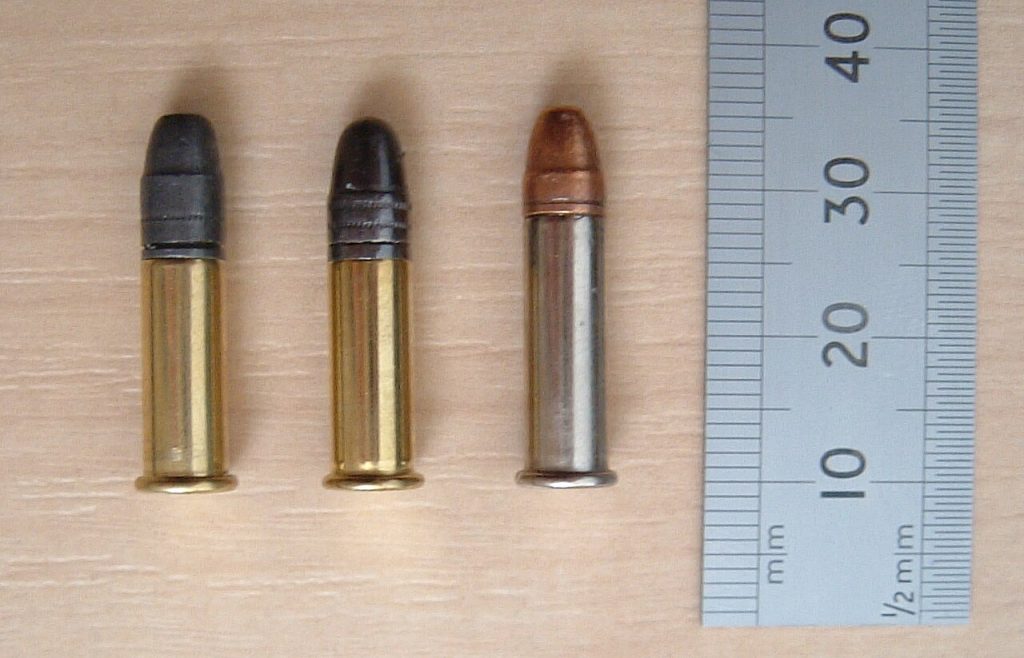
8. Match-Grade .22 LR
It does not belong in the same distance class as the centerfires here, but match-grade .22 LR belongs in the same accuracy conversation. In the right rifle, quality subsonic ammunition can deliver tiny groups and expose every weakness in trigger control, position, and follow-through. That makes it one of the best precision trainers available.
The key is ammunition quality. Bulk packs can hide inconsistency, while carefully selected match loads in the 1,066 to 1,100 fps subsonic range avoid the transonic disruptions that degrade uniformity. It is a low-recoil, low-noise way to sharpen long-range habits on a smaller scale.
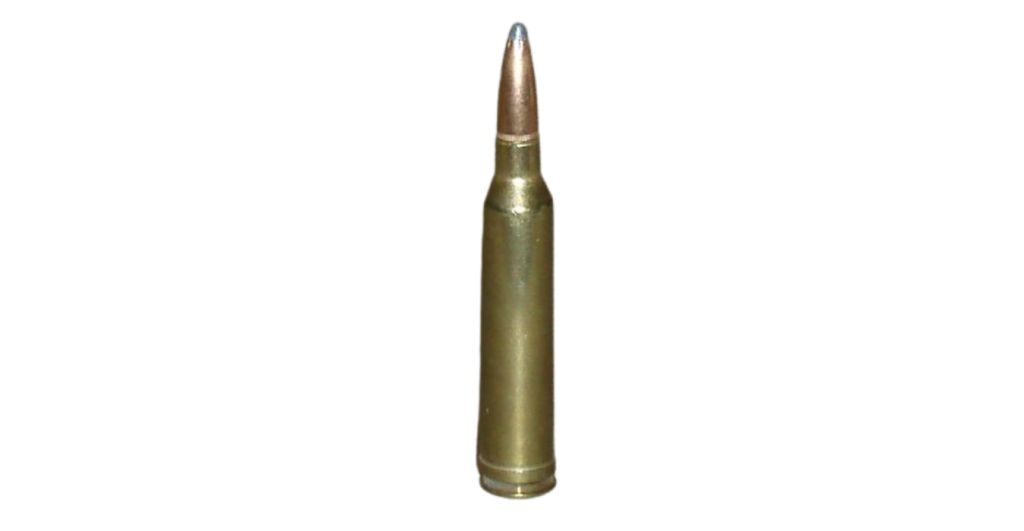
9. 7mm Remington Magnum
The 7mm Remington Magnum still holds one of the strongest positions in the long-range hunting world because it combines flat trajectory with heavy, aerodynamic bullets. Early factory loads did not always let the cartridge show its best, but modern bullet design changed that. With sleek 168- to 180-grain bullets, it carries speed, resists wind, and keeps enough authority downrange to stay highly relevant.
That is why it continues to be discussed alongside much newer cartridges. It offers broad bullet selection, serious reach, and enough versatility to cover target use and field work without becoming overly specialized. For shooters who want magnum performance without moving into the biggest cases, the 7mm Rem. Mag. remains one of the safest bets.
The common thread in all nine cartridges is not raw speed or marketing buzz. It is repeatability. Each has earned a place because shooters have found that it delivers predictable results under real conditions, whether the job is training, steel, competition, or hunting. That is usually what separates a cartridge that looks good on paper from one that stays in rifle racks for decades.


