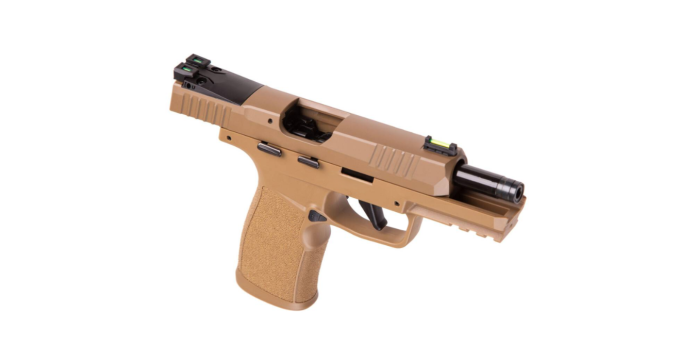

Many firearm designs earn a strong reputation in the first few boxes of ammunition. The harder test begins later, when round counts climb, parts wear into one another, fouling accumulates, springs lose force, and tiny geometry errors stop hiding behind fresh tolerances. That is where design character becomes visible. A platform can feel smooth, accurate, and dependable at first, then reveal that its real limits sit in magazines, lockup, maintenance sensitivity, or heat management rather than in the brochure-friendly features that drew attention in the first place.

1. Tight-Tolerance 1911 Pistols
A well-fit 1911 often impresses immediately with its trigger, balance, and mechanical precision. The tradeoff appears when the pistol is run hard over time, especially if magazines, recoil springs, lubrication habits, or ammunition vary. Several shooters in extended-use discussions reported that 1911-pattern pistols remained reliable only when clean, properly lubed, or paired with specific magazines, while others began showing failures to return to battery once fouling built up.
The pattern is familiar: the design itself is proven, but tightly fitted examples can narrow the margin for dirt, weak magazine springs, and dimensional stack-up. In practical use, the weak point is often not the barrel or slide, but the system’s dependence on magazine quality and consistent maintenance.

2. Polymer Service Pistols With “Nothing Ever Fails” Reputations
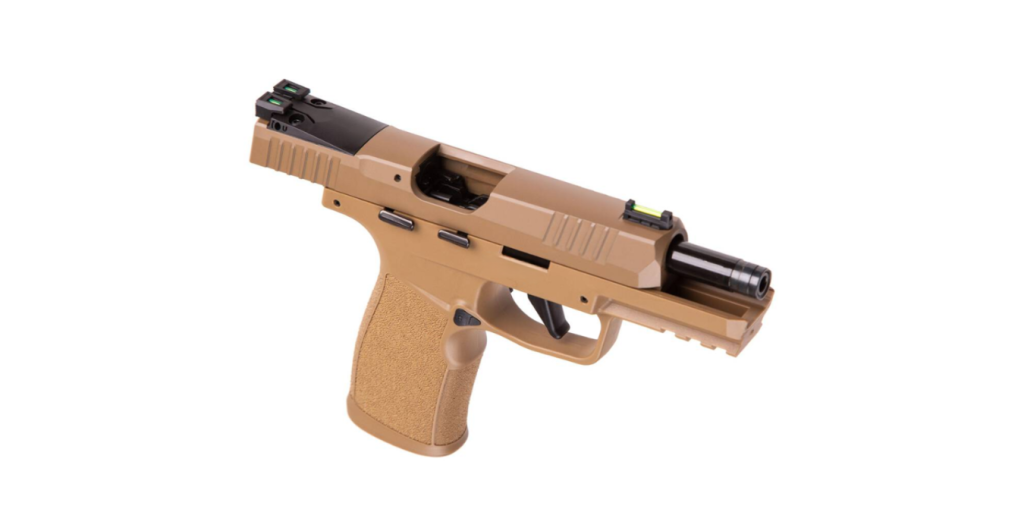
Polymer-framed duty pistols are often treated as if reliability is automatic. High round counts tell a more mechanical story. In one long-running reliability discussion, shooters described isolated stoppages, parts breakage, recoil assembly wear, magazine spring fatigue, and even user-induced malfunctions that only became obvious after thousands of rounds. A notable example involved recoil assembly and magazine spring wear rather than some dramatic design collapse. The weakness here is expectation. These pistols usually keep working, but sustained use shows that springs, pins, slide-stop components, and magazines are consumable items. Their reputation stays deserved only when maintenance is treated as part of the design.

3. Lightweight Magnum Bolt Rifles With Internal Box Magazines
A custom or semi-custom magnum hunting rifle can feel like the ideal field tool: light, rigid, and expensive enough to suggest that every detail has been solved. Feeding problems often surface only when the magazine is loaded to full capacity. In one case involving a custom .300 Winchester Magnum build, the rifle became noticeably difficult to cycle with three rounds down, leading users to point toward magazine box geometry and pillar height rather than the action itself.
This is an engineering problem disguised as a quality problem. Belted magnum cartridges ask more from feed angle, spring pressure, follower travel, and box dimensions. A rifle can appear perfect on the bench with one or two rounds, then turn stubborn when the stack height rises and friction multiplies.
4. Match-Chamber Rimfire Rifles
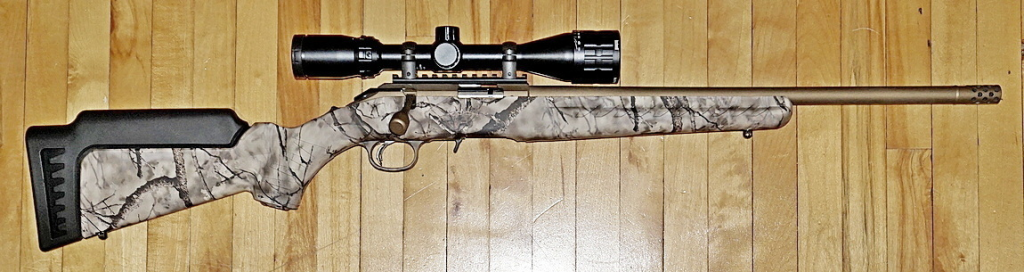
Rimfire rifles built around tight match chambers often promise a jump in precision, and many deliver. The weakness appears when feed-path tolerances are no longer forgiving. A Ruger Precision Rimfire owner who installed a replacement barrel found that the new chamber began shaving bullets during feeding because magazine position and chamber tolerance no longer masked each other. That kind of issue can stay invisible with a looser factory barrel and only emerge after an accuracy upgrade. The irony is sharp: a tighter chamber can improve potential precision while reducing tolerance for magazine play, feed angle variation, and minor bedding differences. Round counts expose it quickly because every damaged bullet adds another unexplained flyer.

5. Thin-Barrel Hunting Rifles
Many hunting rifles are excellent for the first cold shot and the second. Trouble starts when they are evaluated like target rifles. As barrel temperature rises, point of impact can drift and groups can widen, not because the rifle suddenly became defective, but because light barrel contours react quickly to heat and vibration change. The effect is well described in discussions of thin sporter barrels heating up and altering repeatability. This is one of the most misunderstood weaknesses in firearm design. A rifle intended for field carry can feel “laser accurate” at first and then seem to lose its edge during a longer range session. The round count did not ruin it; the testing method exposed what the contour was built to prioritize.

6. Revolvers Treated as Maintenance-Free Machines
Revolvers are often described as if they exist outside the usual rules of stoppages. High use and harsh conditions eventually correct that impression. Shooters with long-term experience have pointed to binding from fouling, weak primer strikes, extraction drag, and timing-related issues rather than the classic semiauto failures that dominate conversation.
That difference matters. A revolver avoids some semiautomatic failure modes, but it introduces its own sensitivity to debris under the extractor star, fouling at the cylinder face, and mechanical timing wear. The weak point is not obvious in light use because the gun still fires; it becomes obvious when the cylinder stops turning as freely as it should.
7. Precision Rifles With Overlooked Mounting Hardware
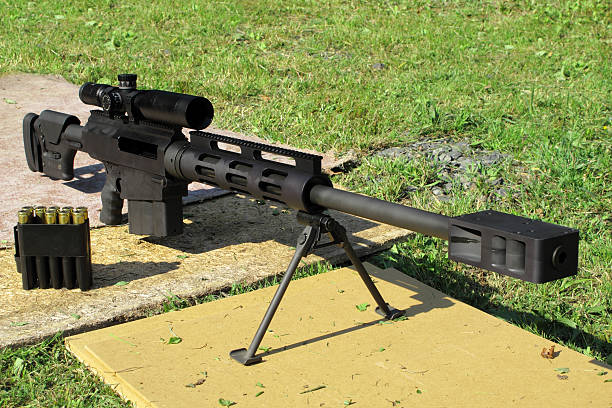
A rifle may seem to have lost accuracy when the real weakness sits above the receiver. Optics, bases, rings, and screws absorb recoil cycles every time the gun is fired. Over time, small shifts in clamp load or screw tension create wandering zeros and group spread that mimic barrel wear. In many cases, the most common culprit is simply loose optics and mounting hardware. This design weakness is really a systems weakness. The rifle can be sound, the ammunition consistent, and the shooter steady, yet sustained round counts slowly shake movement into the aiming system. Because the error is incremental, it often gets blamed on the barrel first.
8. Semiautomatic .22s That Start Strong and Age Poorly
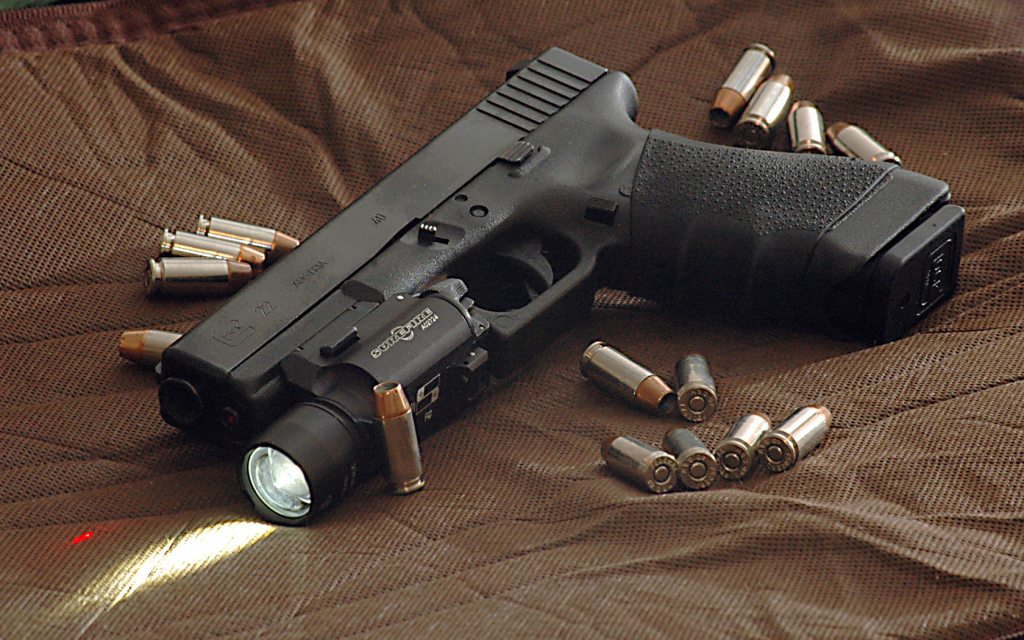
Autoloading rimfires can be excellent when fresh, especially with the ammunition they prefer. They also tend to reveal wear, fouling sensitivity, and ammunition dependency faster than centerfire platforms. One shooter described a Browning Buck Mark that had once run broadly across ammunition types, then later became so ammo-sensitive that failures became frequent as round count climbed into the tens of thousands. That is the classic rimfire trap. Early performance suggests a forgiving design, but .22 LR residue, magazine wear, spring fatigue, and chamber fouling gradually narrow the operating window. The pistol or rifle still functions, just not with the same broad tolerance it showed when new.
The common thread across all eight designs is simple: weakness rarely announces itself in the first range trip. It appears when use stops being casual and starts becoming cumulative. High round counts do not merely test durability. They reveal where a firearm’s true margin lives in springs, magazines, bedding, chamber dimensions, heat tolerance, or maintenance discipline and that is usually more useful than a flawless first impression.


