Glock built its reputation on a simple idea: keep the pistol straightforward, durable, and easy to run. That formula turned a polymer-framed service pistol from the early 1980s into one of the dominant handgun platforms in the world, with over 65% of federal, state and local agencies in the United States issued Glock pistols according to the company’s U.S. history page.
That background makes the company’s commercial lineup reset more than a routine catalog edit. The change touches long-running generations, familiar duty models, and niche calibers, while signaling a broader shift in how handgun makers balance manufacturing efficiency, optics compatibility, aftermarket continuity, and compliance pressure.
1. Glock is shrinking a catalog that grew far beyond its original formula
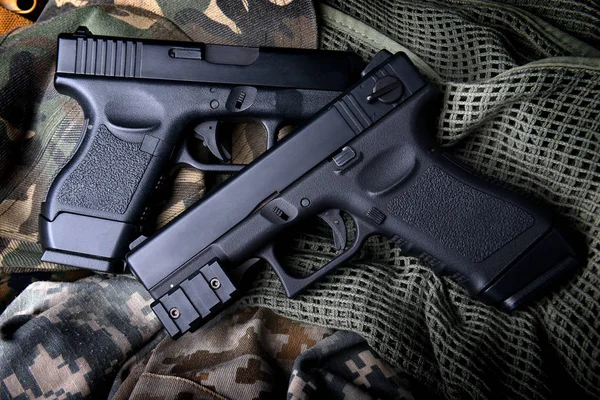
For years, Glock’s commercial lineup spread across multiple generations, frame sizes, and chamberings. That variety gave buyers choices, but it also created a maze of slow-moving stock, duplicated roles, and extra production complexity. Trimming lower-volume models simplifies tooling, inventory management, and distribution.
The practical effect is a narrower lineup centered on the pistols that move fastest and fit the widest range of use cases. Reports tied the cuts to lower-demand calibers and aging variants, especially legacy Gen 3 and Gen 4 configurations that no longer match the strongest demand in the market.
2. Optics-ready pistols are now the center of the plan
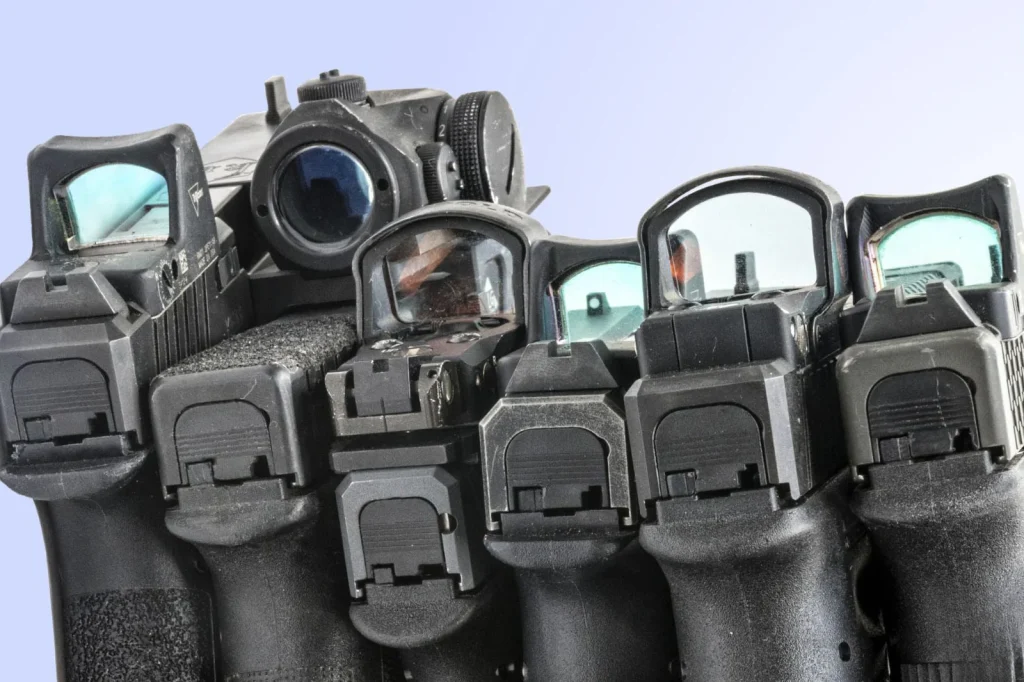
Modern handgun design is no longer built around iron sights alone. Red-dot optics have moved from competition and specialized carry setups into the mainstream, and manufacturers are reorganizing their pistols around that reality.
Glock’s own statement framed the transition around future growth, and outside coverage repeatedly pointed to optics compatibility as a core driver. Models that were not designed around MOS or newer carry-optics patterns now look less central to the company’s long-term roadmap. The result is a lineup increasingly oriented toward factory-cut slides, cleaner mounting solutions, and current accessory expectations.

3. The market has moved hard toward high-volume 9mm platforms
Caliber choice shapes manufacturing decisions as much as engineering does. Over time, agency adoption and consumer buying patterns pushed the center of gravity toward 9mm, while .40 S&W, .357 SIG, and .45 GAP lost ground in the commercial market.
That trend matters because every extra caliber adds separate barrels, magazines, parts inventories, and quality-control variables. Reference reporting described Glock’s decision as a move to prioritize high-demand 9mm models and reduce the burden of supporting lower-volume alternatives. In a factory environment, fewer variations mean fewer changeovers and more predictable output.

4. Conversion-device scrutiny changed the engineering conversation
A major shadow over the transition has been the rise of illegal conversion devices commonly called Glock switches. These parts are not factory products, but they have become closely associated with Glock because of how often the platform is discussed in that context. The ATF said it seized over 25,000 such devices in 2023, a figure that helped turn a criminal misuse problem into a design and reputation issue.
That pressure has spilled into courts and legislatures. Coverage in the source material noted lawsuits from states including New Jersey and Minnesota, while California’s Assembly Bill 1127 set restrictions aimed at pistols considered readily convertible under the law. Glock has not publicly blamed the model cuts on any single law or lawsuit, but the timing made anti-conversion design a central part of industry discussion.
5. Rumored replacement models point to a compliance-minded redesign
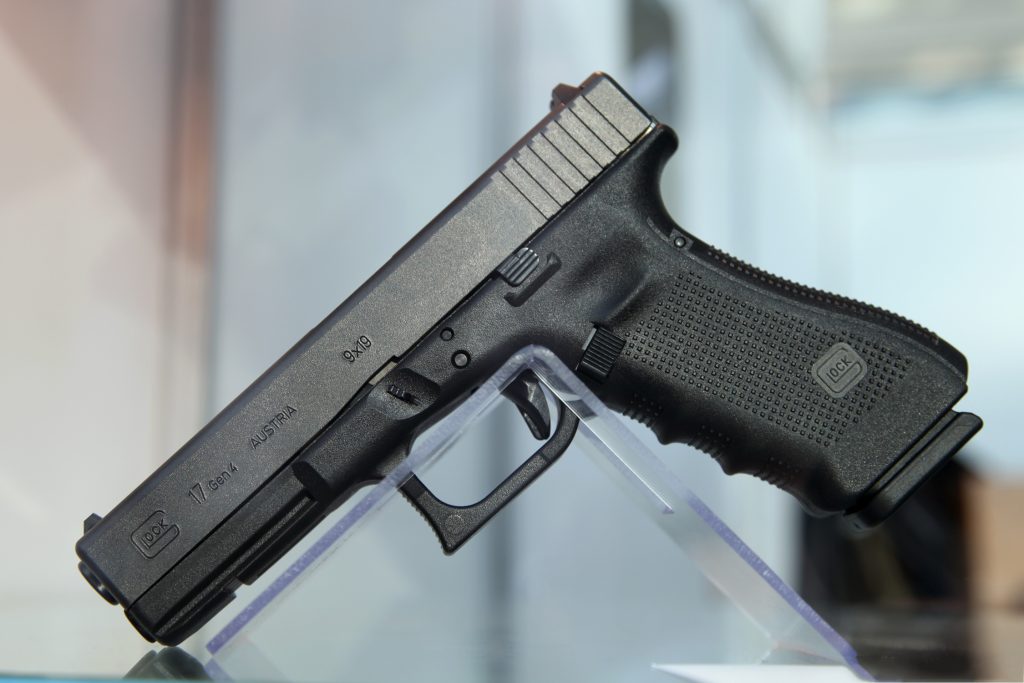
The most talked-about follow-up to the discontinued commercial models has been the reported V Series. Glock has described the portfolio reduction as a step toward future innovation, while retailer and industry reports described a replacement family intended to establish a simpler baseline for the next generation of products.
This is where the story becomes more technical. Reports cited in the reference material said the new line could include internal geometry changes meant to make illegal conversions harder, while still preserving the familiar Glock operating system. Some accounts also described the rollout as a long-planned transition rather than a last-minute reaction. Glock has not publicly confirmed every detail attached to those early retailer reports, but the concept fits the larger pattern: fewer old variants, more standardized future production, and design changes shaped by both engineering and compliance demands.
6. Support for existing owners appears to remain in place
Discontinuation does not mean abandonment. Across the supplied material, one of the clearest common points was continued service support for pistols leaving production. Glock stated that discontinued commercial variants would still receive service parts and maintenance.
That matters for private owners, armorers, and agencies with existing inventory because it keeps legacy guns serviceable even after new production stops. It also helps explain why law-enforcement channels were described as largely unchanged despite the broader commercial reset.
7. The aftermarket and collector world will feel the change for years
When a major handgun maker retires familiar models, the effect spreads well beyond the factory. Holster makers, sight companies, magazine suppliers, and small-parts manufacturers all have to decide how long to keep supporting older generations. At the same time, discontinued pistols often gain a second life as collector pieces or preferred legacy carry guns.
That dynamic is especially strong with Glock because so many owners built around specific generations. Gen 3 and Gen 4 pistols remain deeply embedded in training programs, personal collections, and parts ecosystems. As production ends, standard wear items should remain available, but rarer model-specific components can become harder to source. Some pistols that once looked ordinary in the catalog can become more desirable simply because they are no longer easy to replace. For a platform built on consistency, scarcity changes how the market values familiarity.
Glock’s model cuts are best understood as an engineering and manufacturing reset, not a single-issue event. The company that rose on simplicity is now applying that same instinct to a far larger and more complicated product family. The broader takeaway is clear: handgun design is being pulled by two forces at once. Buyers want optics-ready, standardized, easy-to-support pistols, while regulators and litigation pressures are pushing manufacturers to rethink how those pistols are built in the first place.


