Handgun caliber debates usually sound settled right up until speed, recoil, clothing, short barrels, and human stress show up together. That is where a lot of confident cartridge talk starts to thin out. The practical question is not which round looks persuasive on a chart. It is which calibers give away the most margin when reliability, penetration, and controllability matter at once. Modern wound-ballistics standards pushed that conversation toward the 12 to 18 inches penetration window for a reason: handguns are already limited tools, and small losses in performance can become large liabilities fast.
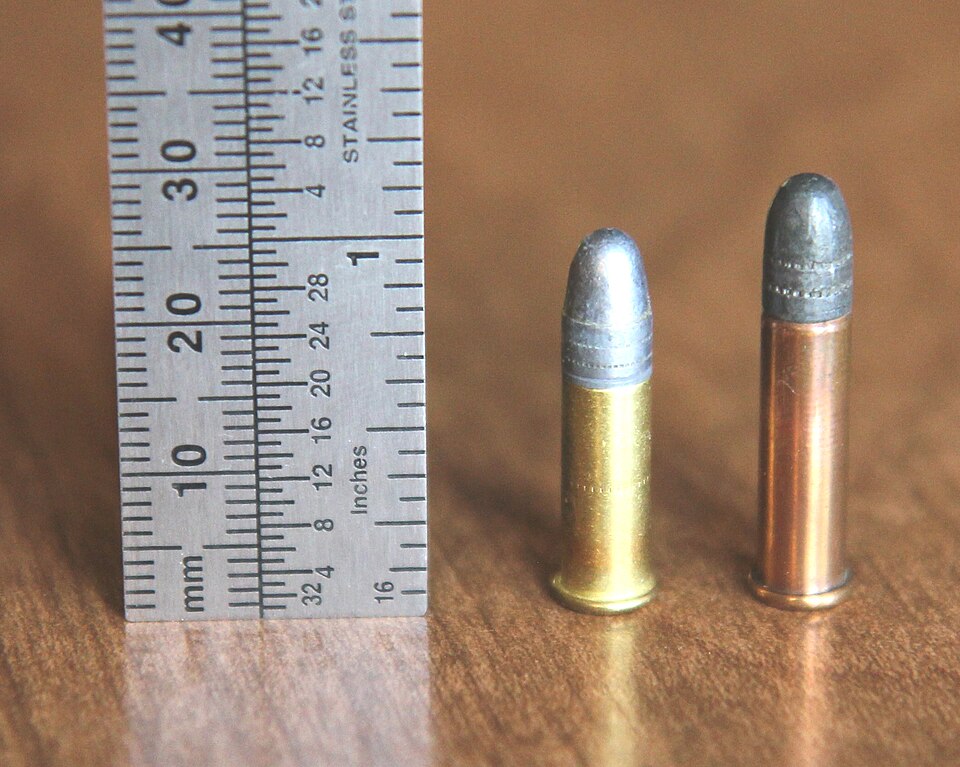
1. .22 Long Rifle
.22 LR remains easy to shoot well on a calm range, especially for recoil-sensitive shooters, but its weakness is built into the cartridge design. Rimfire ignition is less dependable than centerfire ignition, and that matters far more when there is no spare time to clear a dead trigger press.
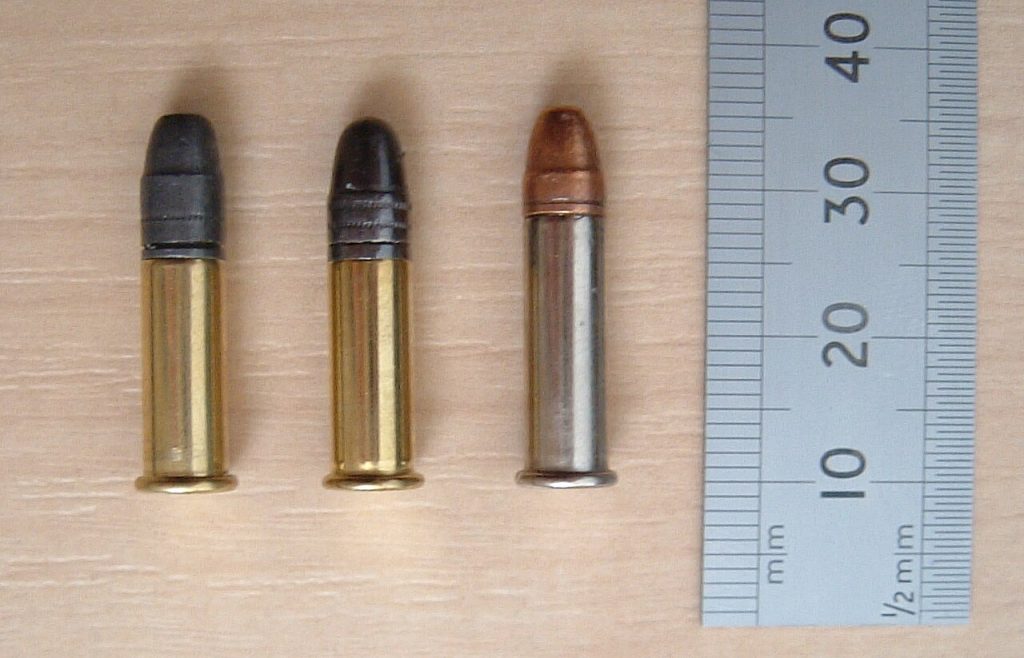
Short defensive barrels also rob velocity from a round that is already operating with little excess. Many loads struggle to reach meaningful depth after clothing, and expansion can become erratic or irrelevant if penetration is shallow to begin with. A cartridge that feels easy in practice can turn unforgiving the moment reliable ignition and consistent depth become non-negotiable.
2. .25 ACP
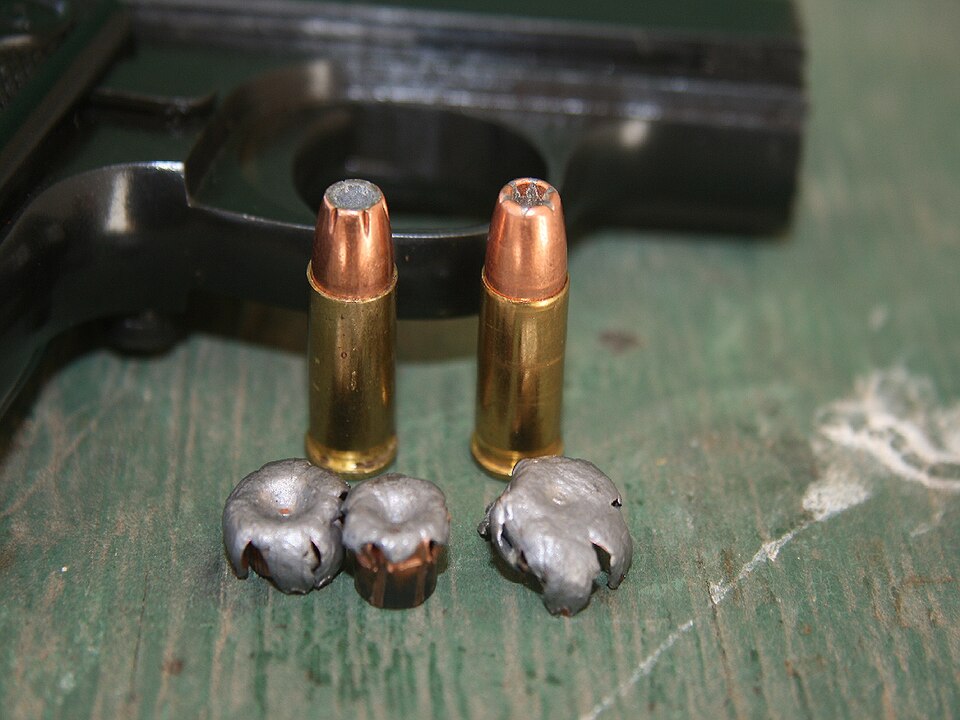
.25 ACP was supposed to improve on the .22 concept by offering centerfire reliability in tiny pistols. It does solve one problem, but it does not solve the bigger one. Terminal performance still sits well below modern service-caliber expectations, and the guns commonly chambered for it tend to be difficult to run fast or precisely. Small sights, minimal grip area, and compromised handling shrink the practical value of the round’s reliability advantage. In Greg Ellifritz’s widely discussed compilation, .25 ACP showed a 35% failure-to-stop rate, a reminder that centerfire ignition alone does not create much working margin.
3. .32 ACP
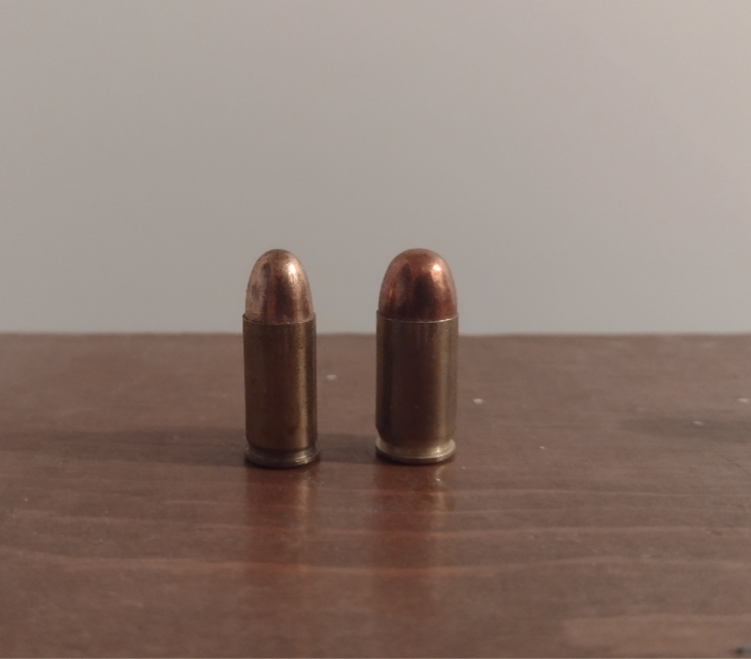
.32 ACP has always kept a following because it shoots softly and fits into slim handguns. The tradeoff is that it often lives in a performance band much closer to the smallest defensive cartridges than to modern duty rounds. Expansion is heavily load-dependent, and through clothing it can become inconsistent enough that penetration suffers. Older pistols chambered in .32 ACP add another layer of concern because sights, trigger quality, and overall shootability often lag behind newer defensive handguns. The result is a caliber that can be manageable but rarely generous in the amount of terminal or handling margin it gives back.
4. .410 Shotshell Loads in Revolvers
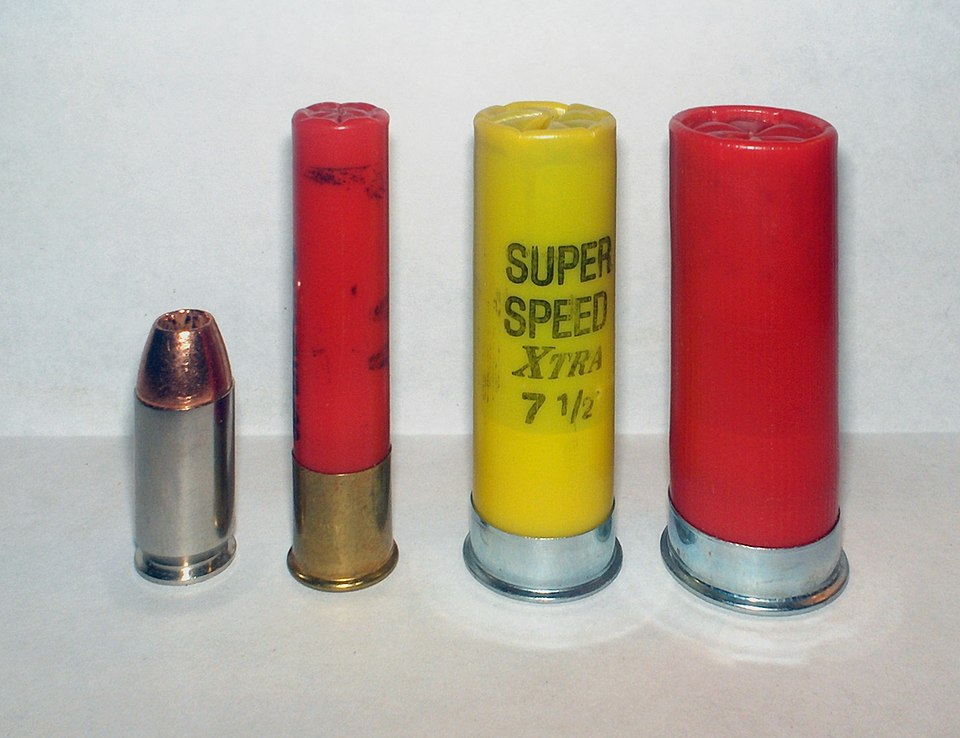
The appeal here is obvious: a handgun that sounds like it can trade precision for pattern spread. In practice, that promise is much less friendly. Short barrels and revolver cylinder gaps cut velocity, and many birdshot loads do not penetrate deeply enough to matter. Patterns can open quickly even across room distances, which can produce partial hits instead of decisive ones. Buckshot loads can perform better, but the platform still asks the shooter to manage heavy triggers, unusual recoil characteristics, and ammunition that changes behavior dramatically with distance. A setup built around “close enough” is not a comforting place to be when accuracy and penetration are the whole problem.
5. .380 ACP
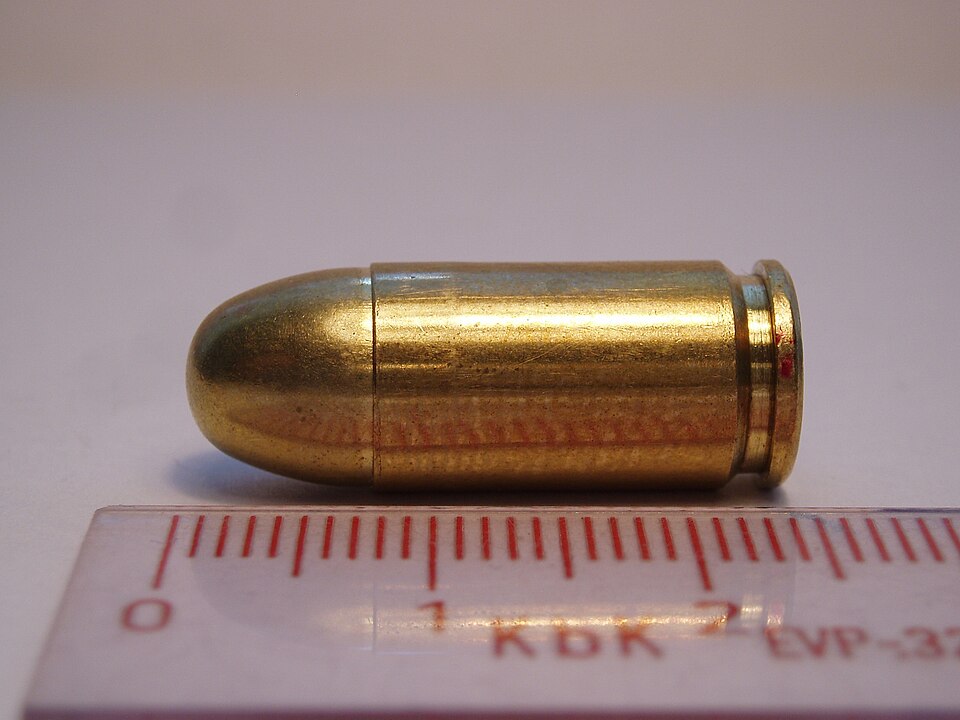
.380 ACP is not weak by definition, but it is picky. In compact pistols, the cartridge often runs right on the edge of acceptable penetration and expansion. Some hollow points open too early and stop short, while deeper-driving loads may expand less than expected. The guns themselves are part of the problem: very small .380s can feel snappy, have abbreviated sights, and become less tolerant of imperfect grip under pressure. Once recoil, speed, and ammunition choice get mixed together, .380 stops feeling like an easy answer and starts looking like a cartridge that requires careful setup to stay viable.
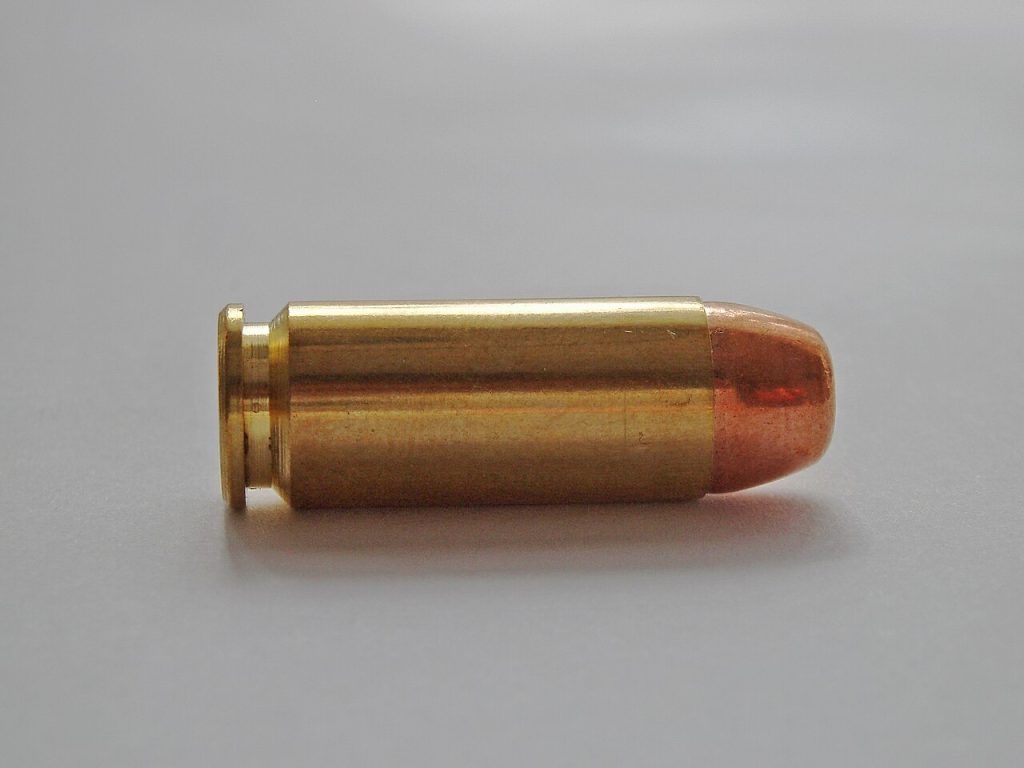
6. 10mm Auto
10mm fails for the opposite reason. It usually has enough power; the problem is what that power asks from the shooter. Heavy recoil, muzzle rise, and blast can slow follow-up shots in the exact moments when quick, accurate strings matter most. That is one reason broader service-caliber comparisons keep circling back to controllability. Across modern premium handgun loads, performance gaps have narrowed enough that shooter speed and hit quality often dominate the outcome. A more forceful cartridge does not bypass the need for penetration, nor does it erase the cost of slower, less accurate shooting.
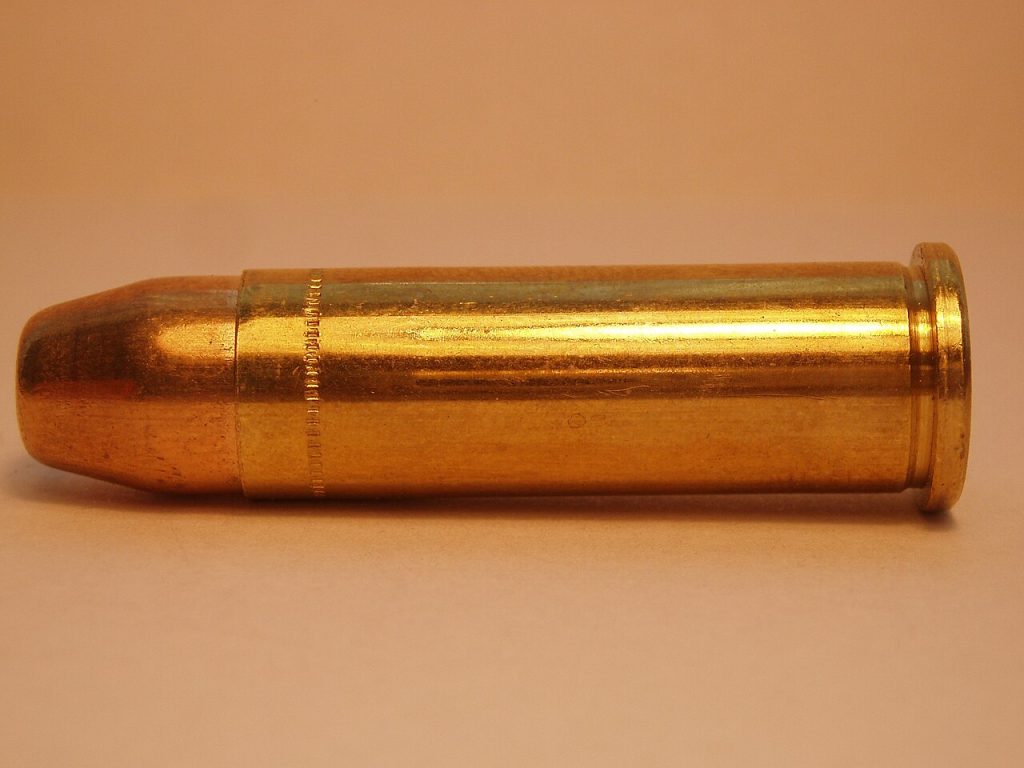
7. .38 Special From Ultra-Short Snubs
.38 Special has real history behind it, but ultra-short revolvers change the math. Barrel length cuts into velocity, and velocity is what many hollow-point loads need to expand as intended. That leaves snub-nose users balancing shallow expansion, inconsistent penetration, or sharper +P recoil that may not buy much from the shortest barrels. Revolvers of this size also add small sights, long trigger pulls, and reduced practical accuracy at speed. Research on shooting under exertion shows that even when hit probability can hold up, dispersion changes under stress. In a tiny revolver, that change is harder to hide.
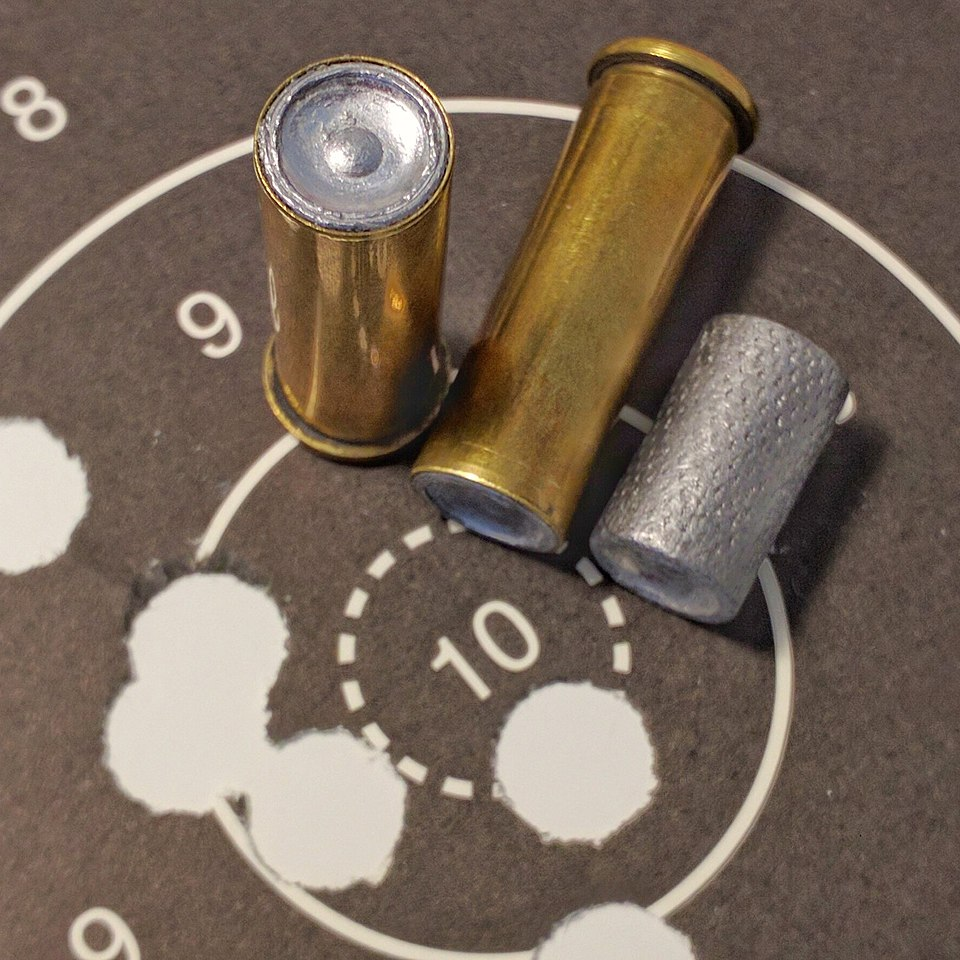
The common thread is not that these calibers are unusable. It is that each gives away margin in a different place, whether through ignition reliability, limited penetration, ammunition sensitivity, or recoil that outruns the shooter. That is why caliber arguments have shifted away from folklore and toward repeatable performance. As retired FBI firearms veteran Bill Vanderpool put it, “It was more a matter of bullet construction than caliber.” The cartridges that hold up best are usually the ones that keep the gun reliable, the recoil manageable, and the bullet deep enough to matter when the easy range conditions are gone.


