
Firearm design changes constantly, but certain operating ideas refuse to age out. Materials get lighter, controls get simpler, and manufacturing gets more automated, yet a handful of mechanisms keep reappearing because they solve stubborn engineering problems with unusual elegance.
Some do it through reliability, others through shootability or production efficiency. What matters is that newer platforms still borrow from them, work around them, or openly imitate them.
1. Stoner’s internal gas expansion system
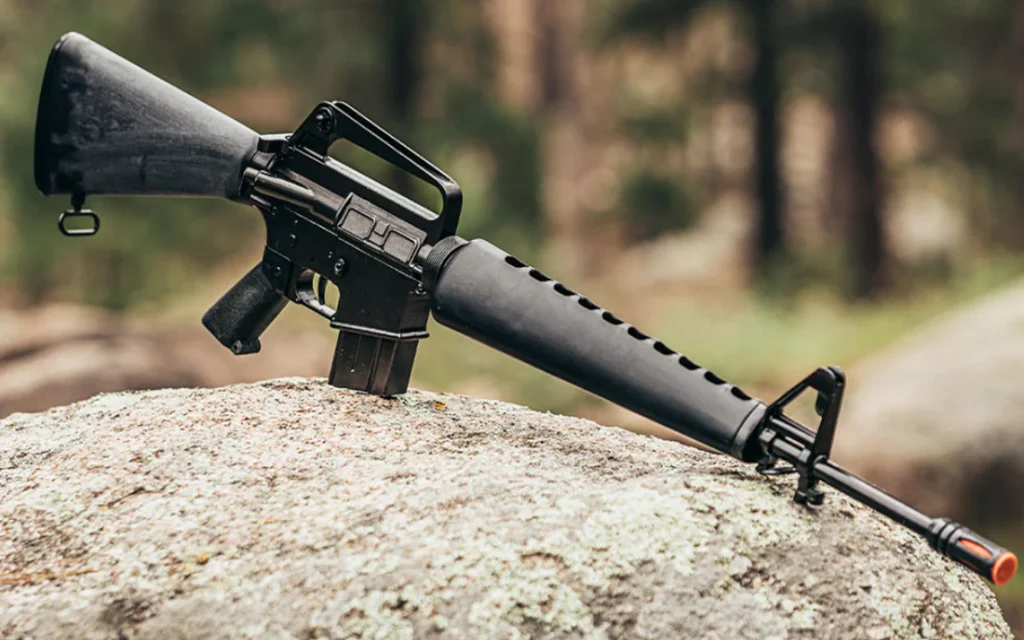
The AR family’s operating system is still routinely described as direct impingement, but Eugene Stoner’s own patent framed it differently, calling it “a true expanding gas system”. Gas is routed through a tube into the bolt carrier, where the bolt and carrier effectively act as piston and cylinder. That arrangement trims external parts, keeps the rifle slim, and helps preserve the straight-line geometry that became one of the AR platform’s defining mechanical traits. Its staying power comes from what it avoids. A separate op-rod and large external piston add mass, shift recoil impulse, and complicate packaging around handguards and barrels. Stoner’s system instead uses gas pressure inside the carrier to cycle the action with fewer moving parts. That simplicity helped the AR-10 stand out as a lightweight rifle in the 1956 Aberdeen trials, and the same principle still anchors the M16 and M4 lineage. Modern short-stroke rifles can reduce fouling in the receiver, but they have not displaced the compact, symmetric efficiency of Stoner’s layout.
2. The straight-line recoil architecture
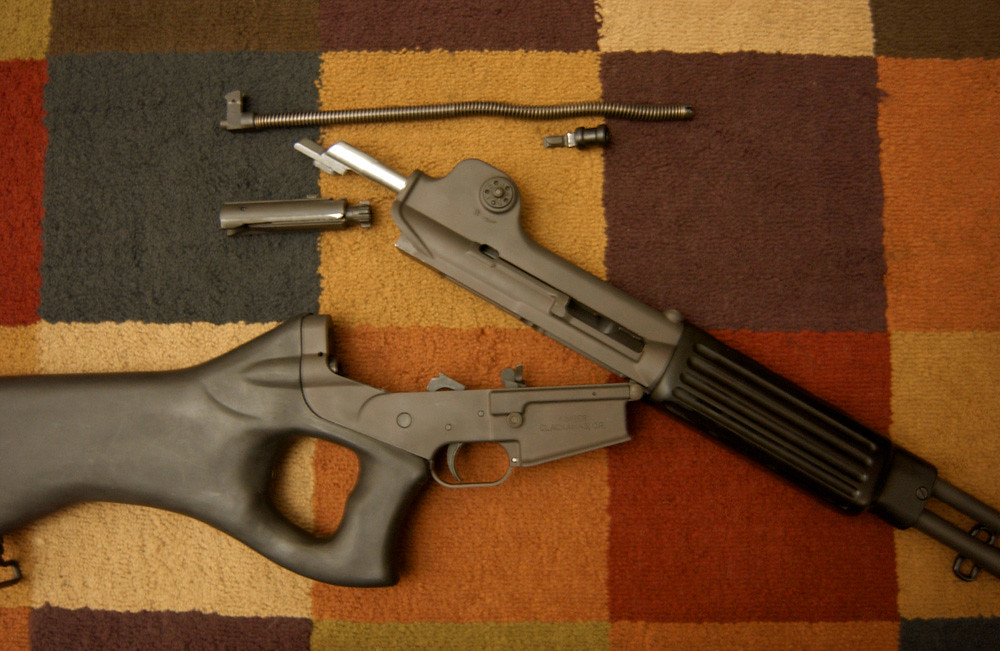
Sometimes the mechanism that matters most is not hidden inside the action. On Stoner’s rifles, the stock sits in line with the bore and the recoil spring is positioned directly behind the action, creating the straight-line recoil design that reduces muzzle rise and keeps recoil forces driving rearward. That geometry is now so common in modern sporting rifles that it can feel invisible. It should not. By minimizing the leverage that flips the muzzle upward, the design improves controllability in rapid fire and makes follow-up shots faster. Bullpups, bufferless systems, and folding-stock designs all try to work around the packaging limits of this arrangement, yet many still sacrifice some of its composure under recoil. The reason the layout endures is simple: physics still favors recoil paths that stay as close as possible to the shooter’s shoulder.
3. The AK long-stroke piston
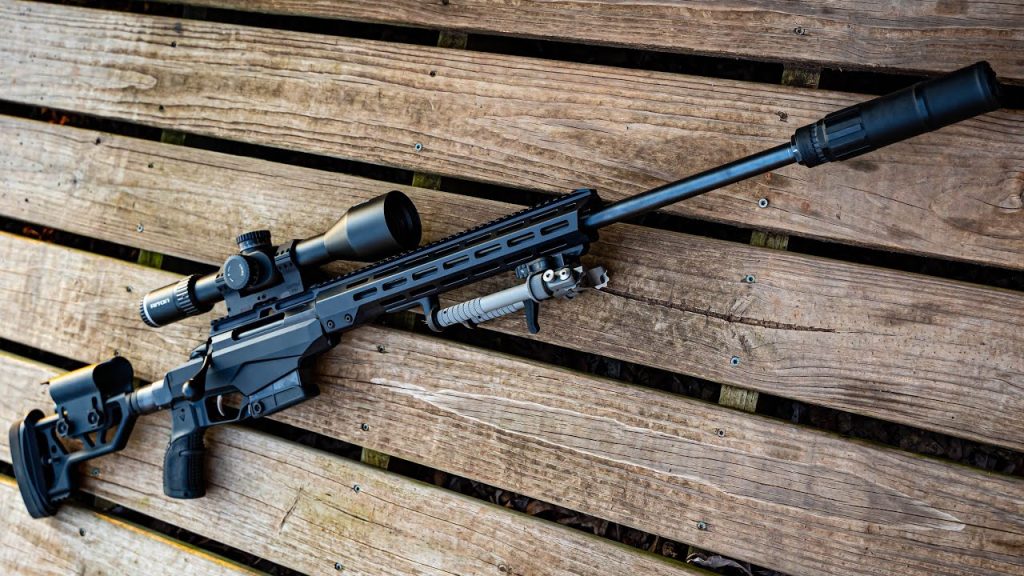
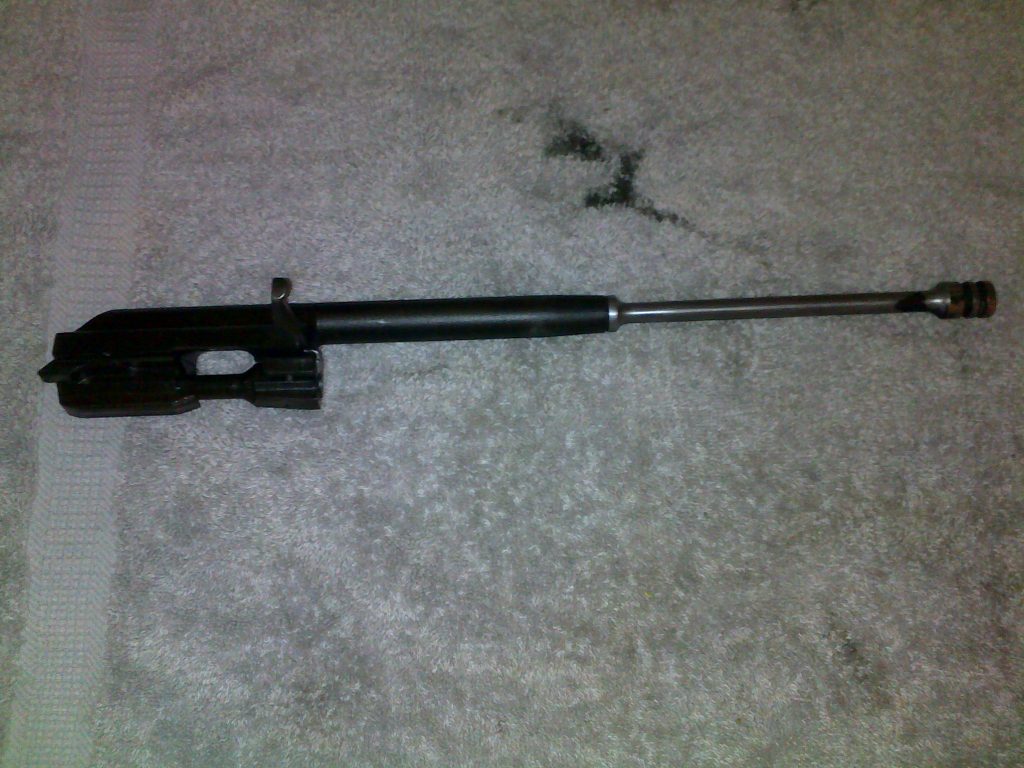
The AK mechanism remains the benchmark for brute-force cycling. Its long-stroke piston keeps the piston and bolt carrier moving as one mass, giving the action momentum that helps it keep working through fouling and adverse conditions. A common shorthand says AK reliability comes from “loose tolerances,” but the more precise distinction is often about clearances. The design leaves room for debris, uses robust rails with limited bearing surface, and pairs that with a heavy reciprocating assembly. In practical terms, the mechanism does not need delicate balance to function. That is why so many rifles still return to long-stroke operation when reliability takes priority over refinement. It is not the softest-shooting system, and it is rarely the lightest, but it remains one of the hardest to stop.
4. Browning’s short-recoil tilting-barrel lockup
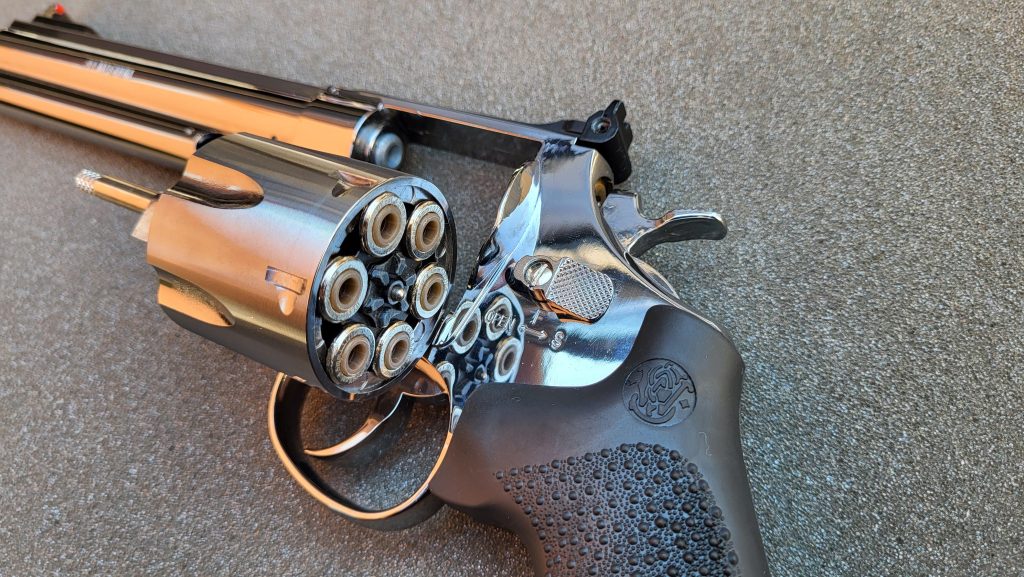
Modern semiautomatic pistols wear different shapes, frame materials, and trigger systems, but an extraordinary number still operate on John Browning’s short-recoil, tilting-barrel principle. The barrel and slide begin recoil locked together, then the barrel tilts out of engagement so the slide can continue rearward, extract, eject, and chamber the next round. The reason this system persists is balance. It handles service-caliber pressures well, packages neatly into a handgun, and supports durable locked-breech operation without excessive complexity. The 1911 helped prove the concept at scale, and later pistols from entirely different design schools still rely on the same essential locking sequence. Rotary barrels, gas-delayed systems, and fixed-barrel blowback alternatives all have advantages in narrow roles, but none has broadly replaced Browning’s solution for centerfire duty pistols.
5. The 1911 single-action trigger
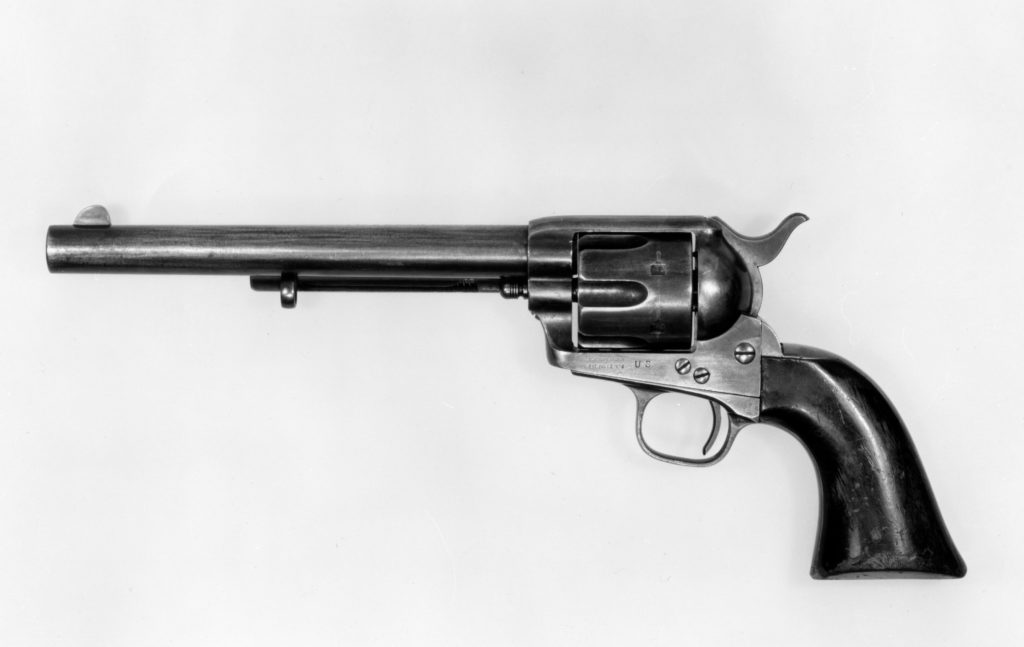
The 1911’s trigger remains a mechanical outlier in the best sense. Instead of pivoting on a hinge like many modern pistols, it moves straight to the rear. That linear travel reduces side loading and contributes to the crisp break that keeps the design relevant in accuracy-focused shooting. Its appeal is not nostalgia alone. A clean single-action trigger makes precise shooting easier because the trigger press does less to disturb sight alignment. Even as striker-fired pistols have become dominant, match guns and premium defensive pistols still chase this feel rather than surpass it outright. The 1911 platform’s continued place in competition reflects that advantage. Capacity, weight, and maintenance expectations have changed, but the mechanical logic of a short, clean, straight-pulling trigger remains difficult to beat.
6. The striker-fired pre-cocked ignition system
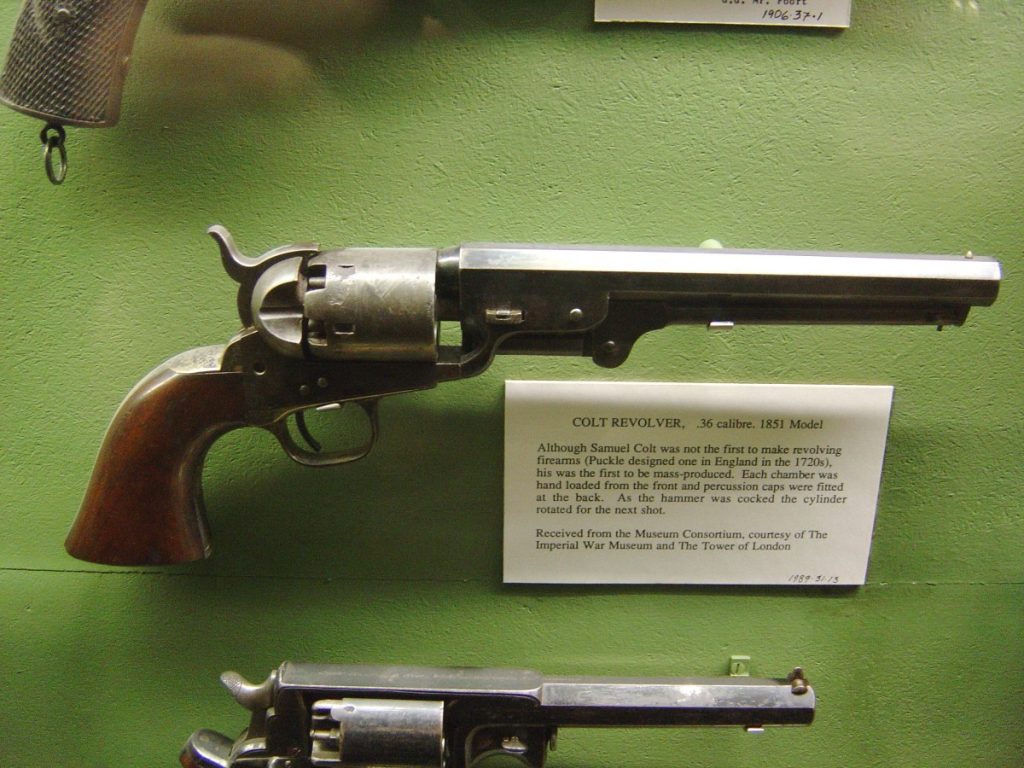
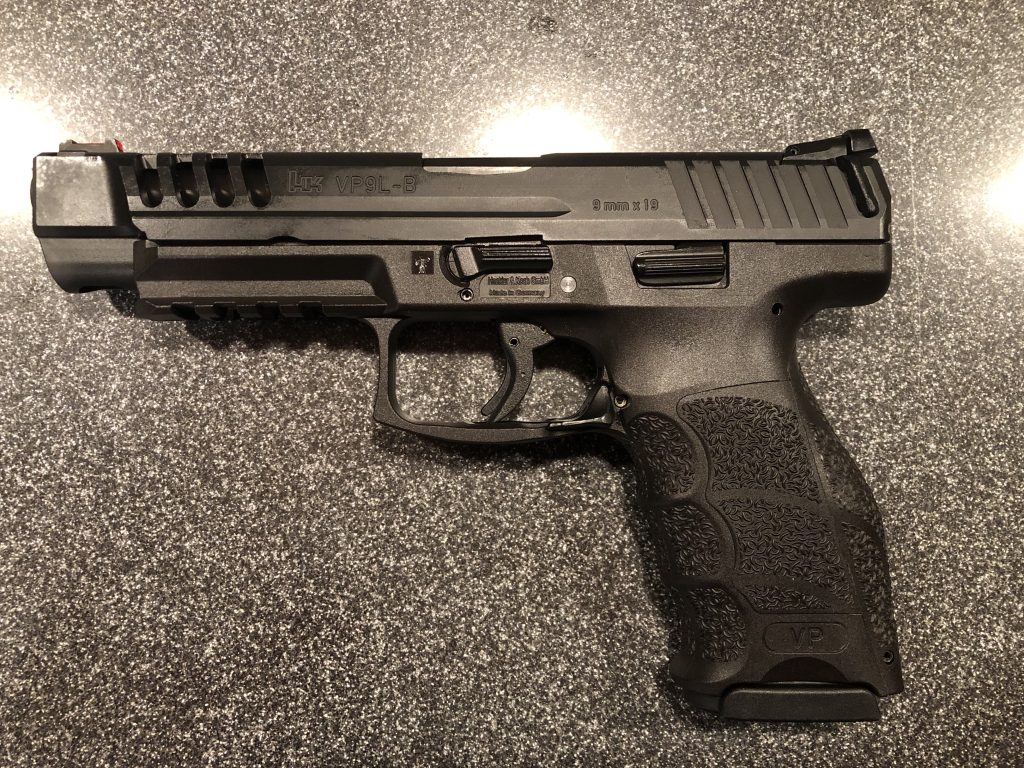
Glock did not invent the striker-fired pistol, but it turned the mechanism into the default language of modern handguns. The design stripped away the external hammer, reduced the number of obvious controls, and paired a partially tensioned striker with a consistent trigger pull from shot to shot. That consistency helped agencies move away from revolvers and DA/SA pistols through the 1980s and beyond.
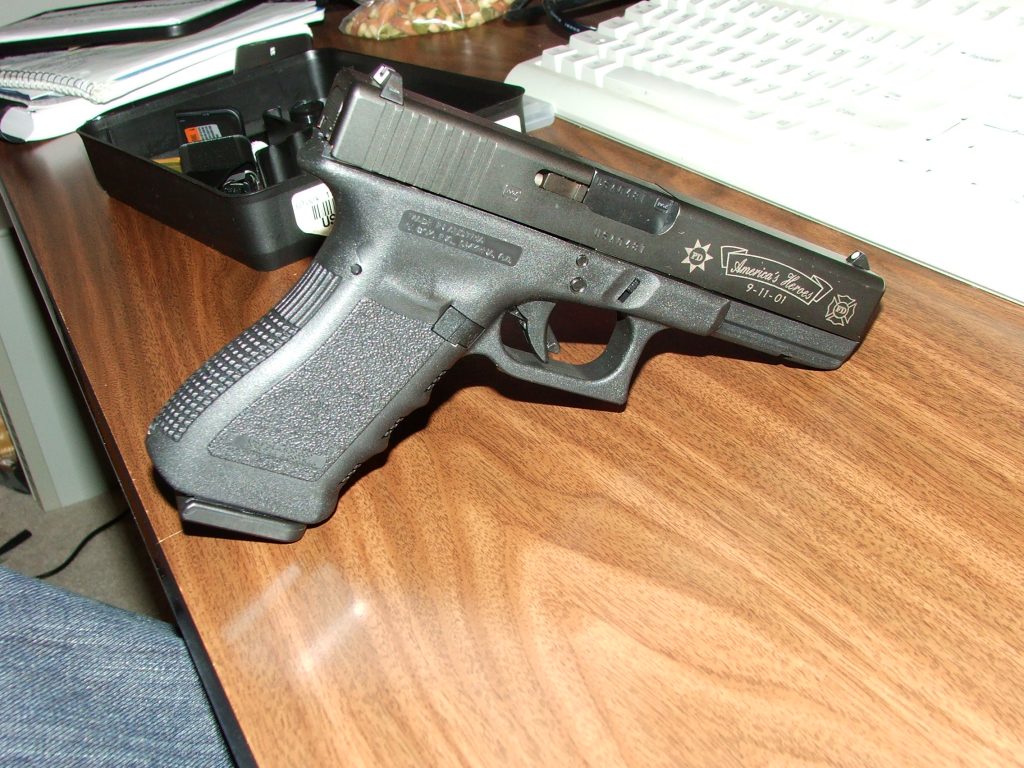
The mechanism survives because it solves several manufacturing and training problems at once. It is compact, easy to package in a polymer frame, and relatively simple to maintain. The original Glock 17 reached Austrian military service in 1983, and the basic formula has changed very little since. Countless competitors now use variations of the same idea, which says more than any slogan could. Newer grip modules, optics-ready slides, and chassis systems may update the shell, but the internal logic remains remarkably similar.
7. The modular belt-fed weapon system
Most firearms are designed to fill one role. Eugene Stoner’s 63 system treated that as an unnecessary limitation. It could be configured as a rifle, carbine, light machine gun, medium machine gun, or even a fixed-mounted gun, making it one of the earliest truly flexible small-arms operating concepts. That mattered because it separated the core action from the final application. In modern terms, that sounds familiar: shared receivers, common controls, convertible barrel lengths, and mission-specific furniture are now standard ambitions in small-arms design. But Stoner’s system pushed the idea much further and much earlier.

According to biographical accounts, the Stoner 63 Weapons System was among the first modular weapon platforms to be reconfigured across several roles. Plenty of modern programs promise that kind of flexibility, yet few match the ambition of a mechanism built from the outset to become several guns instead of one. What these mechanisms share is not age, but durability of purpose. Each one solved an engineering problem so effectively that later designs still orbit around it, whether by adoption, adaptation, or attempted replacement. That is usually how real staying power looks in mechanical design. The outline changes, the materials improve, and tolerances tighten, but the underlying idea keeps surviving because it continues to work.


