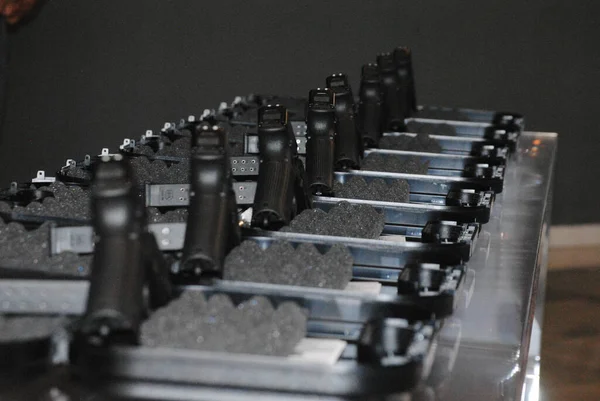
Glock rarely makes small moves when its catalog changes. The company built its reputation on consistency, broad adoption, and a design language that stayed recognizable across decades, so a large commercial discontinuation immediately stands out as more than routine housekeeping.
The bigger story is not a single canceled model. It is the combination of manufacturing focus, optics-ready design, legal pressure around illegal conversion devices, and the possibility that Glock’s next phase will look familiar on the outside while changing in more consequential ways underneath.
1. A sprawling model range had become harder to justify
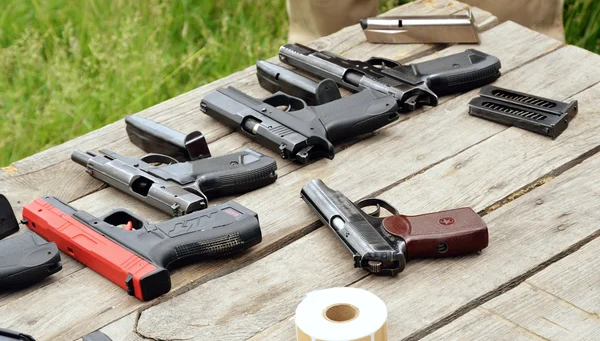
Glock spent years offering an unusually wide mix of generations, calibers, long-slide variants, MOS versions, and niche chamberings. That breadth helped the brand reach nearly every corner of the handgun market, but it also created overlap and slower-moving inventory. A published discontinuation list showed just how broad the cut was, affecting multiple Gen 3, Gen 4, and Gen 5 models across full-size, compact, and specialty configurations.
For a manufacturer with global law-enforcement and civilian demand, trimming low-volume stock keeping units can free production capacity, simplify distribution, and reduce parts complexity. That makes the move look less like retreat and more like a factory-floor decision with strategic consequences.
2. Optics-ready pistols are no longer a side lane
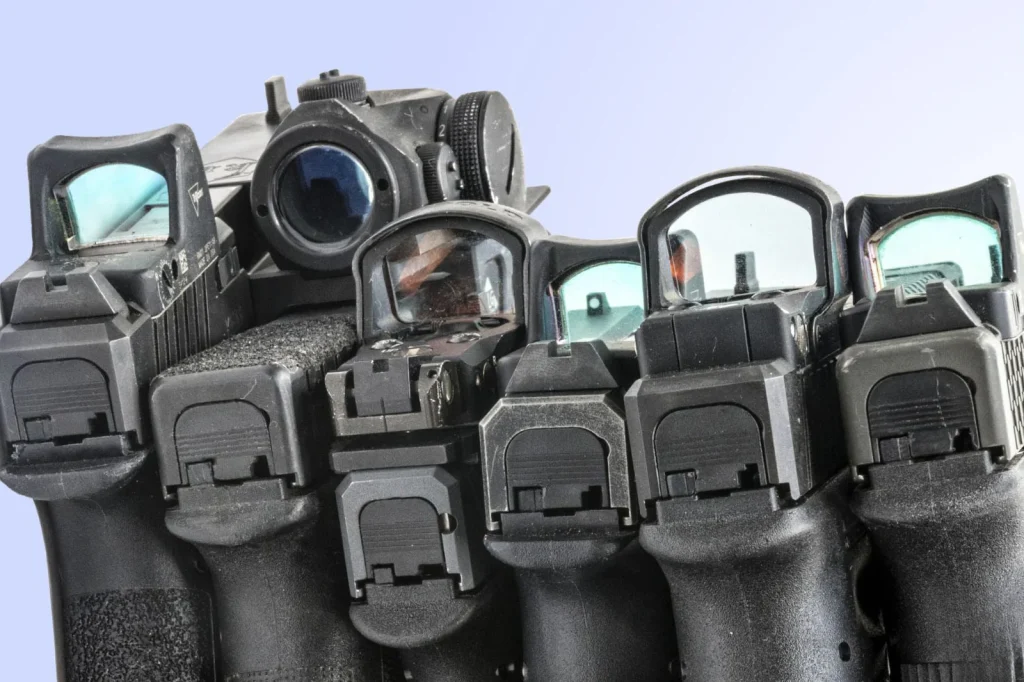
Older Glock variants were built around an era when iron sights still defined the standard package. The market has moved. Slide-mounted pistol optics are now central to duty, competition, and defensive handgun discussions, which places pressure on legacy frames and slide systems that were never designed around direct optics integration.
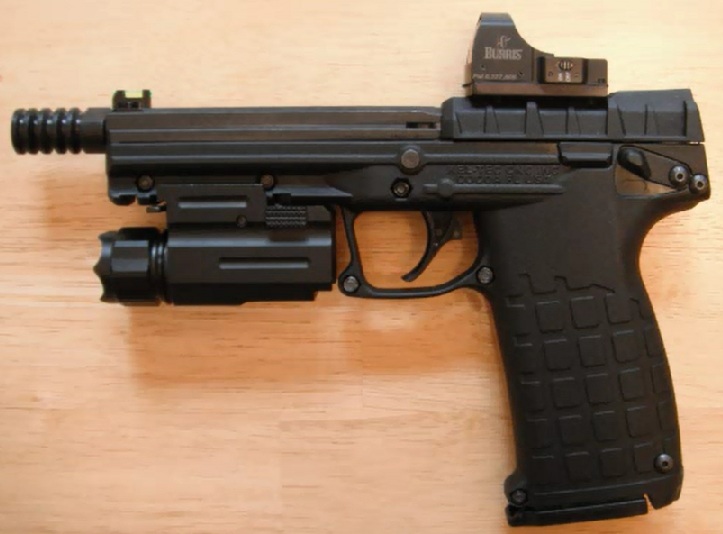
That shift helps explain why discontinued models skew heavily toward older configurations while newer development points toward more modern sighting systems. Reference material describing Glock’s current direction notes a direct-mount optics system on Gen 6, a notable departure from earlier MOS plate arrangements. In practical terms, Glock appears to be aligning its future lineup with what current buyers and institutional users increasingly expect from a service pistol.

3. The illegal “switch” problem changed the engineering conversation
Much of the industry discussion around Glock’s reset leads back to one issue: illegal conversion devices commonly called “Glock switches.” These parts are not a minor public-relations nuisance. They have pulled pistol design into a new compliance and liability debate, especially because they focus attention on how quickly some handguns can be unlawfully altered.
The pressure is measurable. A federal report cited 11,088 machine gun conversion devices recovered between 2019 and 2023, including sharp growth in recent years. That kind of trend changes how manufacturers are judged, not just by enthusiasts and dealers, but by lawmakers, courts, and states looking for design-based restrictions.
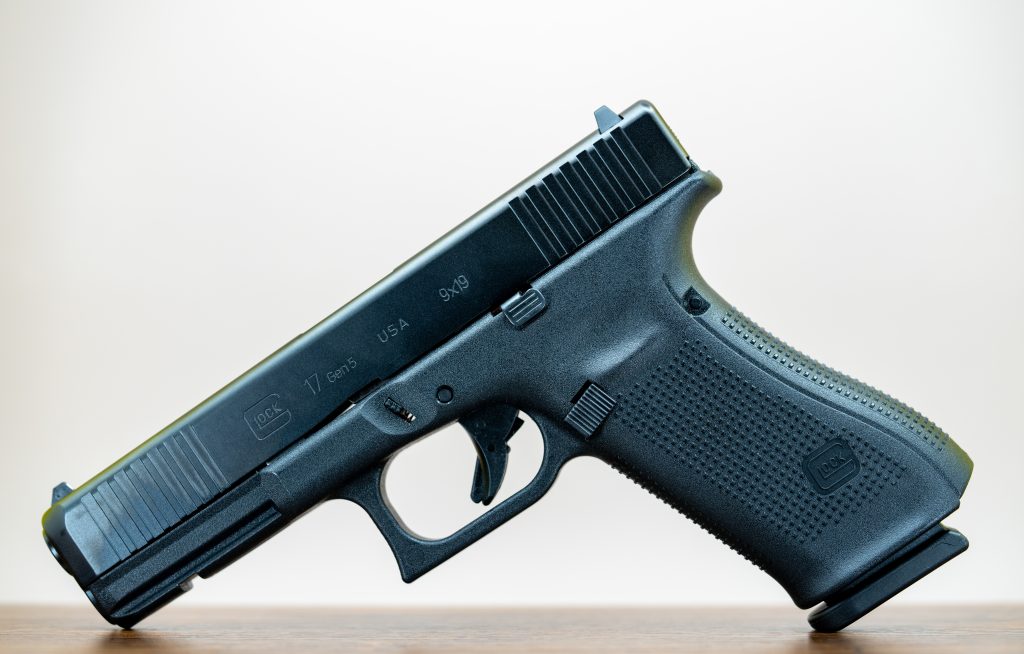
4. The rumored V Series points to internal redesign, not cosmetic change
The most consequential detail in circulation is the expected V Series. Reports from distributors and large retailers have described pistols that retain the familiar Glock profile while receiving internal slide and trigger revisions. If that proves to be the enduring direction, the company is not merely replacing old stock with new stock. It is reworking the architecture that sits behind the brand’s familiar silhouette.
Some reference material goes further, describing raised channels around the striker assembly and a redesigned backplate intended to make illegal conversion more difficult. Just as important, the same reporting says current Glock Performance triggers will not function in V pistols, suggesting meaningful parts divergence from prior generations.
5. Service support remains part of the strategy
Discontinuation does not mean abandonment. Glock stated, “In order to focus on the products that will drive future innovation and growth, we are making a strategic decision to reduce our current commercial portfolio.”
That statement matters because the company also signaled continuing service and parts support for discontinued pistols. For agencies, armorers, and long-time owners, that softens the practical shock. It also protects Glock’s core reputation for staying behind guns that remain widely used even after they leave active catalog status.
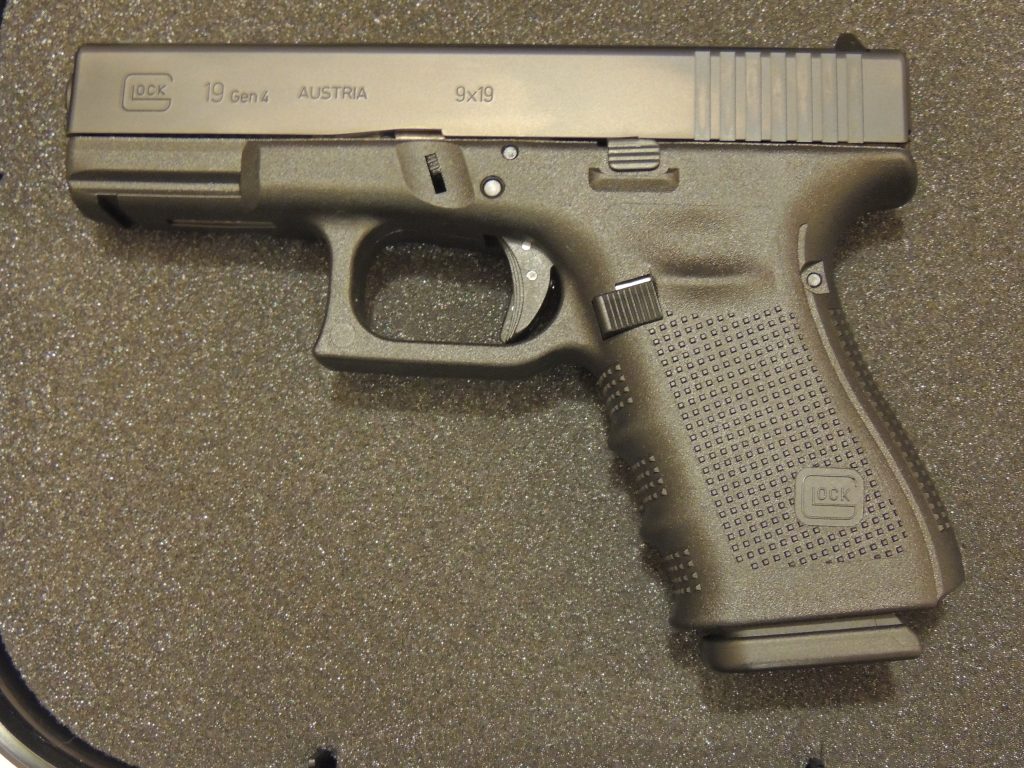
6. Older generations still matter because Glock built an enormous installed base
Any major Glock lineup reset carries extra weight because the platform is so deeply embedded in American gun culture and institutional use. Glock’s rise was not based on novelty alone. The design won attention through durability, simplicity, and unusually broad police adoption, eventually becoming a dominant sidearm across law enforcement and the commercial market.
NPR summarized that scale years ago by noting adoption by two-thirds of all U.S. police departments. That historical footprint explains why Gen 3, Gen 4, and Gen 5 discontinuations ripple outward so quickly: there are vast numbers of compatible holsters, magazines, slides, internal parts, and user habits built around those guns.

7. The aftermarket and collector worlds are about to sort winners from leftovers
Not every discontinued Glock will become a sought-after piece, but some variants are likely to attract more attention simply because production has stopped while installed demand remains. Gen 3 is especially important here. Patent expiration, clone growth, and years of customization made it the broadest aftermarket ecosystem in the Glock universe.
That creates a split outcome. Common discontinued models may simply become legacy workhorses with solid parts support, while unusual variants and long-slide or niche-caliber guns could gain collector interest. At the same time, any redesign that breaks trigger or slide compatibility gives existing generations a different kind of staying power: they remain the standard around which a huge aftermarket was built.
Glock’s commercial reset looks less like a routine catalog cleanup than a pressure test for the modern handgun business. Design now has to answer not only to performance and user preference, but also to optics trends, compatibility expectations, and mounting scrutiny over unlawful conversion. That is why the discontinuation matters beyond one brand. It shows how a mature pistol platform evolves when manufacturing efficiency, legal exposure, and engineering priorities all begin pushing in the same direction.


