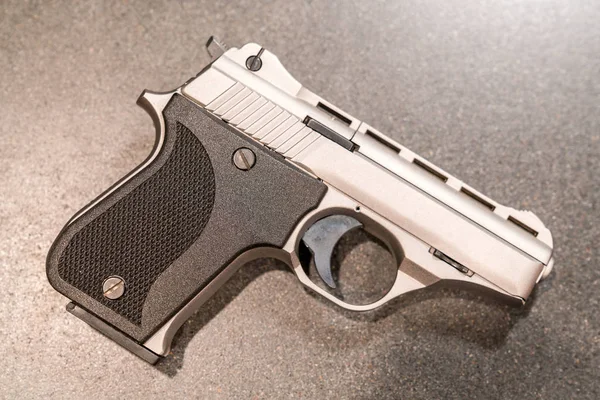
Pocket pistols solved a real engineering problem: how to keep a defensive handgun small enough to carry when a larger pistol would be left behind. The difficulty appears when compact dimensions, short barrels, and low-energy cartridges are judged by a tougher standard than convenience alone.
That standard is the 12- to 18-inch penetration window, and it remains the clearest way to understand why tiny calibers so often disappoint in ballistic testing. In short barrels, the smallest cartridges rarely have enough margin to deliver both useful depth and dependable expansion after passing through heavy clothing.
1. The FBI test values penetration before expansion
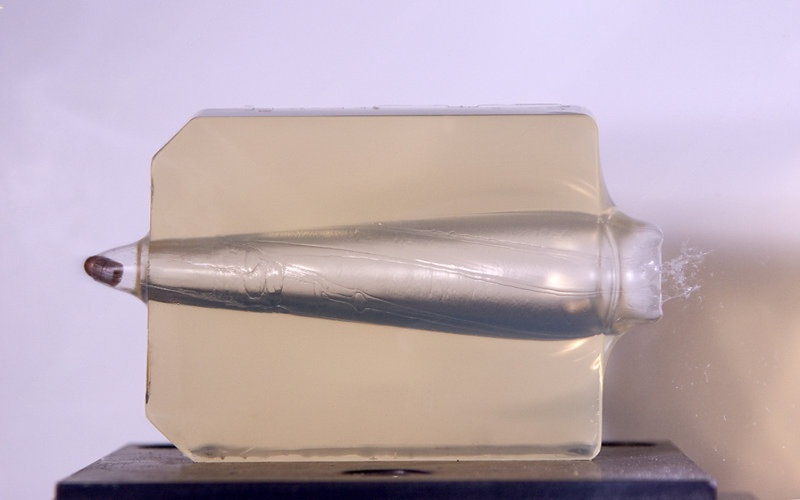
The central misconception around small-caliber pocket guns is that expansion alone proves effectiveness. FBI-style testing starts from the opposite premise: a bullet must first reach anatomically significant depth. If it does not get deep enough, recovered-bullet photos and dramatic mushrooming mean very little.
The modern protocol evaluates ammunition in calibrated gelatin and asks it to pass through barriers while still reaching a consistent depth. That requirement is punishing for small cartridges because they already operate close to their limits. A pocket-gun bullet that expands too early often runs out of momentum before it reaches the target depth.
2. Short barrels take away the velocity tiny rounds depend on
Service-caliber ammunition is often advertised and tested from longer barrels than true deep-concealment guns provide. Pocket pistols cut that barrel length down so severely that velocity loss becomes more than a number on a chronograph; it changes terminal behavior.
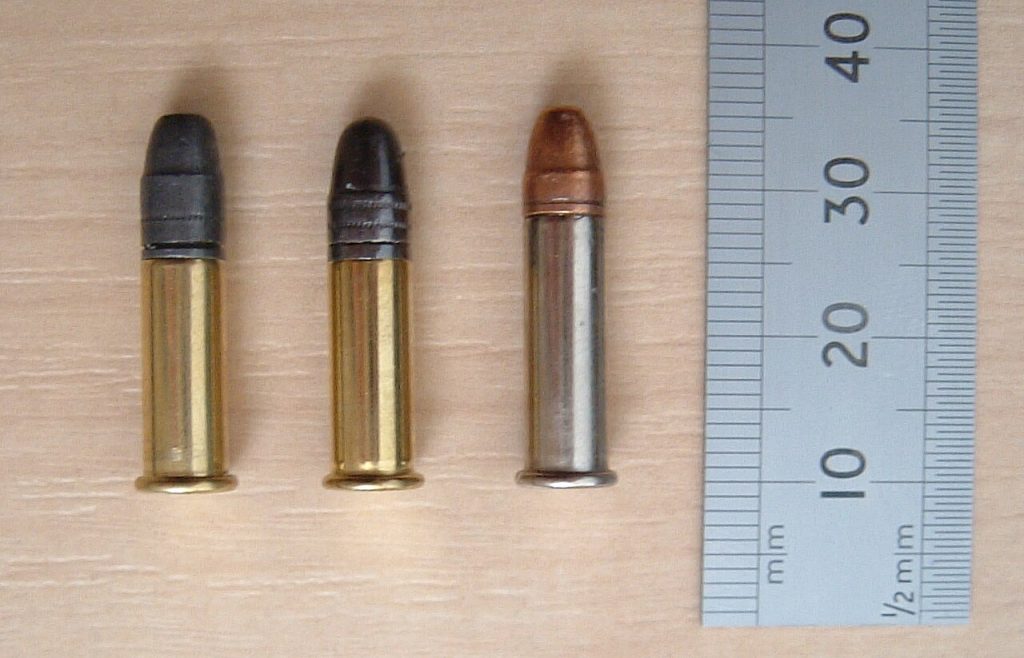
That effect is especially visible in rimfire and small centerfire cartridges. In one set of pocket-pistol tests, .22 LR gained an average 126 fps when fired from a 4.4-inch pistol instead of a 1.9-inch revolver. Even then, the fastest load was not automatically the best penetrator. Small rounds have so little excess energy that any lost speed can upset the balance between straight tracking, expansion, and depth.
3. Heavy clothing turns hollow points into a design stress test
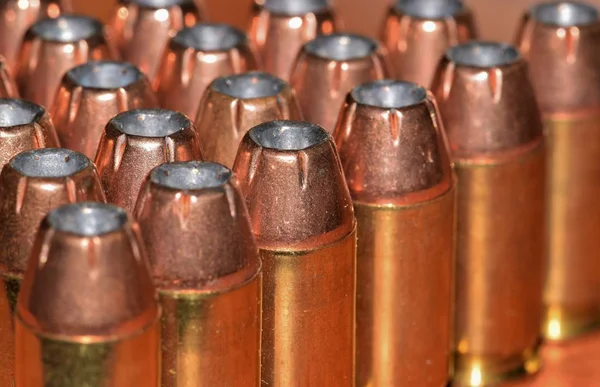
The four-layer clothing barrier in FBI-style testing is not theatrical. Fabric can plug a hollow-point cavity and interfere with the bullet’s intended upset. When that happens, the projectile may fail to expand at all, or it may expand inconsistently and produce erratic penetration.
For tiny calibers, this is where the compromises become obvious. If the bullet opens, it may stop short. If it stays closed, it may penetrate farther but give up the larger wound channel designers wanted. Pocket calibers often do not have enough power reserve to handle both outcomes gracefully.
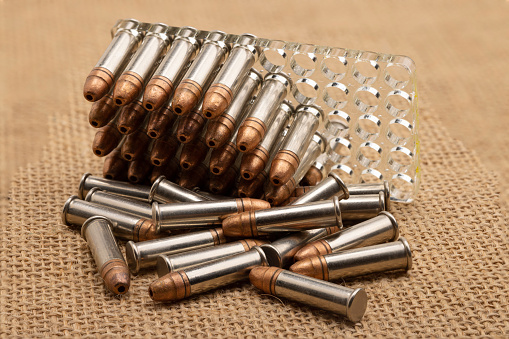
4. Rimfire cartridges show how little margin exists
.22 LR is one of the clearest examples of the pocket-pistol problem. In gelatin, it can gain meaningful performance from barrel length, but it still offers little room for error. Expansion is uncommon, and when it happens, penetration usually suffers.
.22 WMR performs better from handguns than its reputation suggests, particularly with non-expanding loads. Tests found that .22 WMR averaged 255 fps faster than .22 LR from comparable short barrels. That extra speed improved gelatin results, but the underlying tradeoff did not disappear. Expanding defensive loads showed more upset, while conventional loads tended to keep the depth advantage.
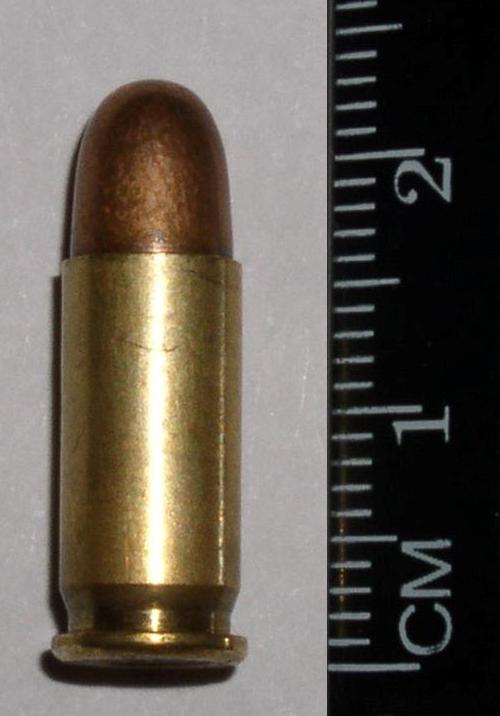
5. The smallest centerfires still struggle to clear the minimum
.25 ACP is centerfire, but ignition reliability alone does not rescue it from terminal limitations. In short-barrel gelatin work, the caliber showed modest penetration across the board, including with full metal jacket ammunition. The engineering margin was so narrow that even the load with the best showing barely approached the threshold expected of service ammunition.
That matters because the FBI standard is not generous to shallow performers. If a cartridge cannot reliably cross the minimum depth in repeated tests, the issue is not branding or nostalgia. It is a hard limit in available energy and bullet design space.
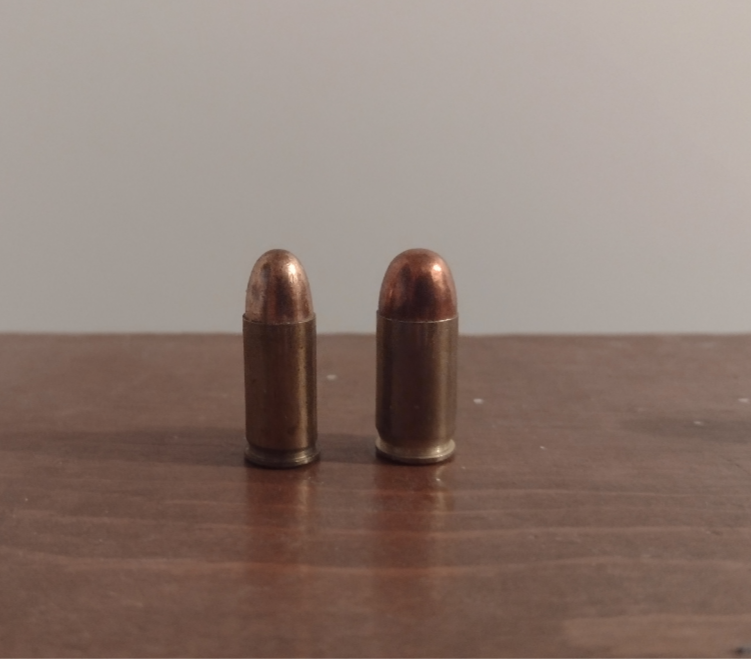
6. .32 ACP often works better with no expansion at all
.32 ACP delivers one of the more revealing lessons in pocket-gun ballistics. Hollow points in this caliber frequently struggle to penetrate adequately from very small pistols, even when they fail to expand. Full metal jacket loads, by contrast, often travel more consistently to useful depth.
That result says less about any single brand than about the caliber’s constraints. Once bullet diameter, weight, and velocity are all modest, asking the projectile to widen dramatically can become counterproductive. In practical testing, .32 ACP often favors penetration over expansion because there is not enough surplus performance to guarantee both.
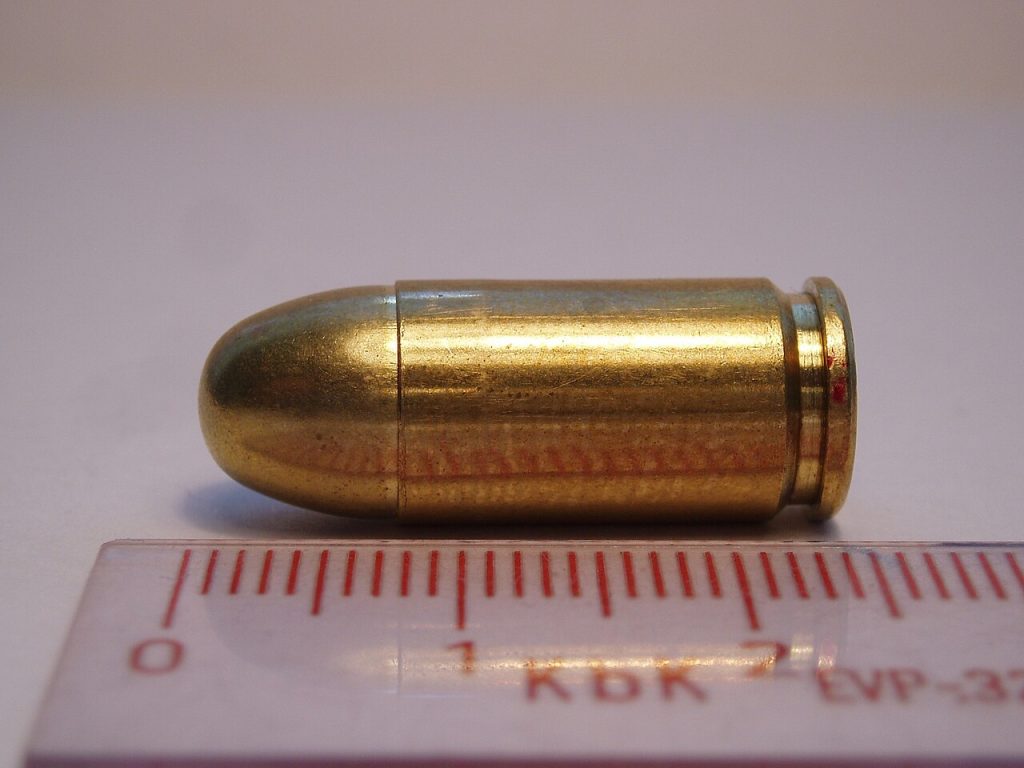
7. .380 ACP lives on the edge of acceptable performance
.380 ACP remains the classic pocket-pistol balancing act. It is substantially more capable than the truly tiny calibers, yet still far more sensitive to load design and barrel length than service cartridges such as 9mm.
Across broader short-barrel gelatin data, many .380 ACP loads showed the same recurring split: decent expansion with shallow penetration, or respectable penetration with little expansion. Only a limited number managed both at once. That is why .380 stays in constant debate. It is not automatically ineffective, but it gives almost no room for poor load selection or unrealistic expectations.
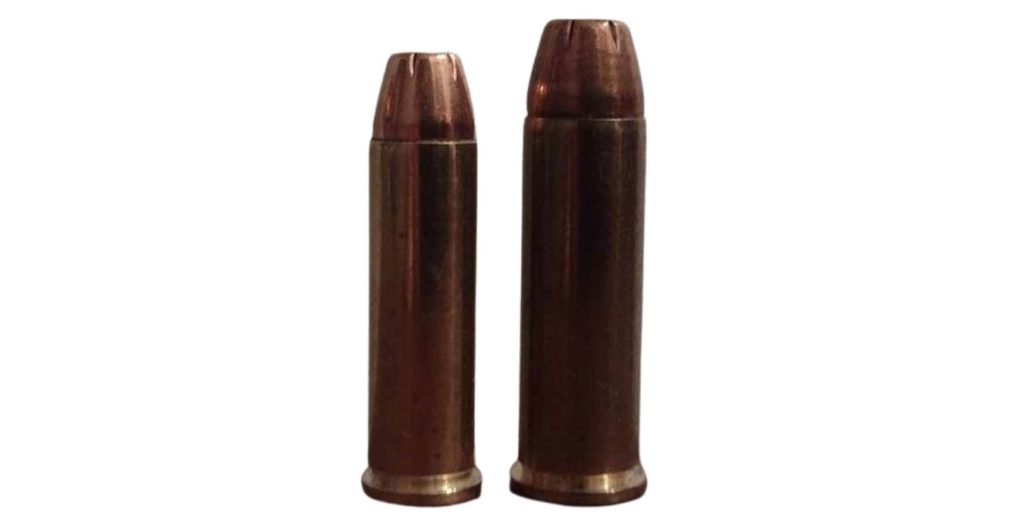
8. Some small revolver rounds break the pattern
Not every compact handgun cartridge falls into the same trap. Several .32 revolver rounds performed better than their size suggests, largely because they benefit from different case design and, in some guns, more usable barrel length. .32 S&W Long produced respectable penetration despite little expansion, while .32 H&R Magnum added roughly 200 fps over .32 Long and improved the odds of achieving both depth and modest upset.
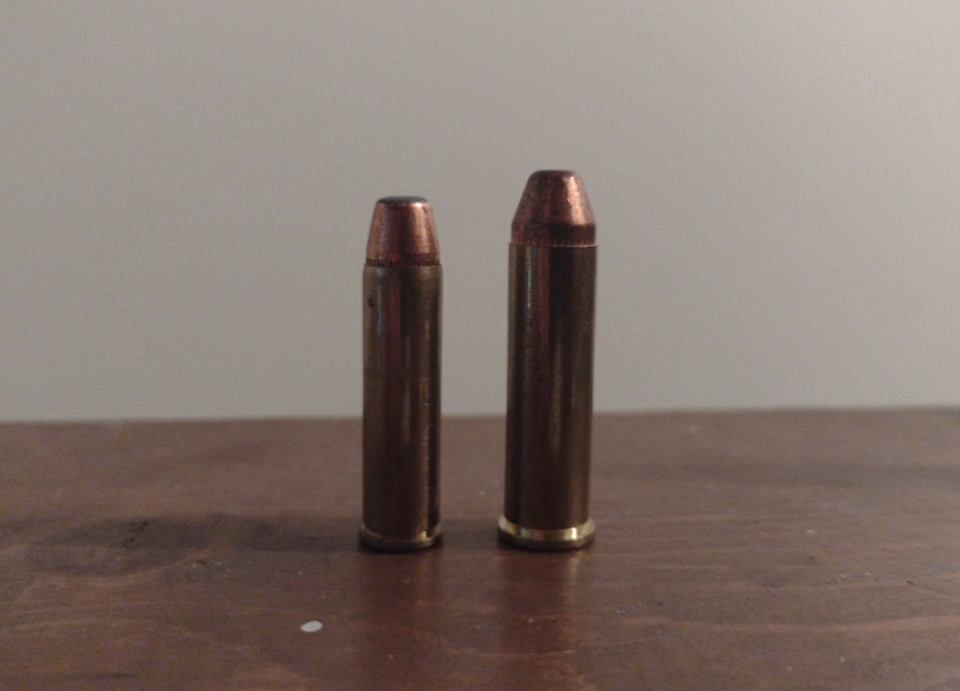
The outlier was .327 Federal Magnum. In testing, at least one major defensive load produced penetration and expansion comparable to service-caliber results. The small frame remained easy to carry, but terminal performance no longer looked like a pocket-pistol compromise. The cost was sharper recoil and blast, which underscores the broader rule: compact performance improves when the cartridge brings more energy to spend.
The myth around pocket pistols is not that they are useless. It is that caliber labels alone can overcome the mechanical penalties of tiny guns, short barrels, and limited velocity. Ballistic gelatin is not a human body, but it is a rigorous filter. It repeatedly shows that the smallest cartridges fail FBI-style standards for the same reason over and over: they do not have enough ballistic budget to guarantee both penetration and expansion once realistic barriers are introduced. Pocket pistols remain relevant because they are easy to carry. The data simply shows that very small calibers are easier to carry than they are to make perform.


