

Some firearms lose a buyer the first time they are handled. Others take a few range trips before the pattern becomes impossible to ignore. The common thread is not drama. It is erosion of trust.
That is what links the guns below. Each one offered a strong selling idea, whether it was low weight, compact size, unusual chambering, or a familiar brand name. But repeated complaints about rough triggers, weak magazines, poor materials, or stubborn stoppages turned promise into frustration.
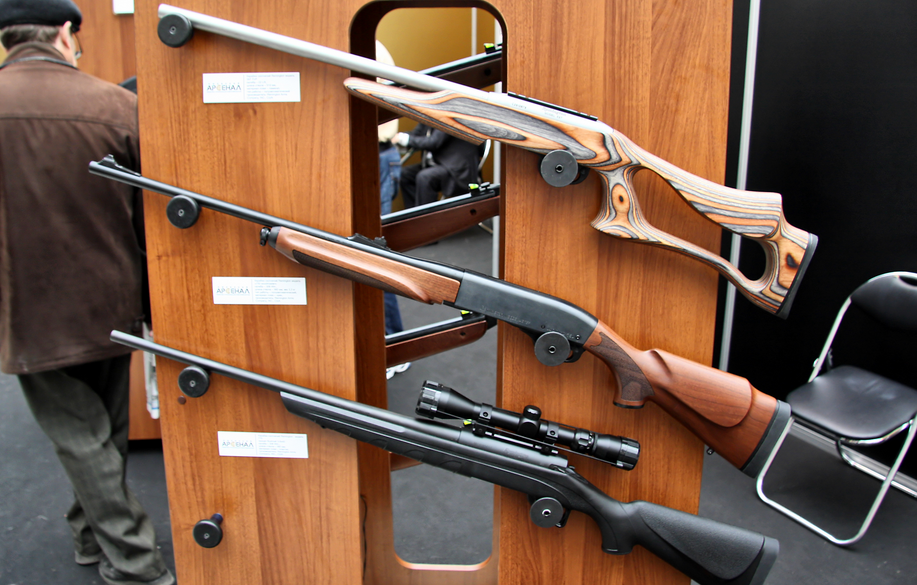
1. Remington 770
The 770 was built to attract budget-minded hunters, but its reputation was damaged by faults that went beyond a plain finish or basic stock. Shooters regularly criticized the detachable magazine setup, the gritty bolt travel, and a stock that felt too flexible for confidence. A bargain rifle can still work well, but this one often felt like it needed fixing before it earned a place in the field. Its larger lesson was simple: inexpensive does not automatically mean poor, but poor execution is hard to hide in a bolt gun. When the action binds and the feeding system feels fragile, the rifle stops feeling like a value and starts feeling unfinished.
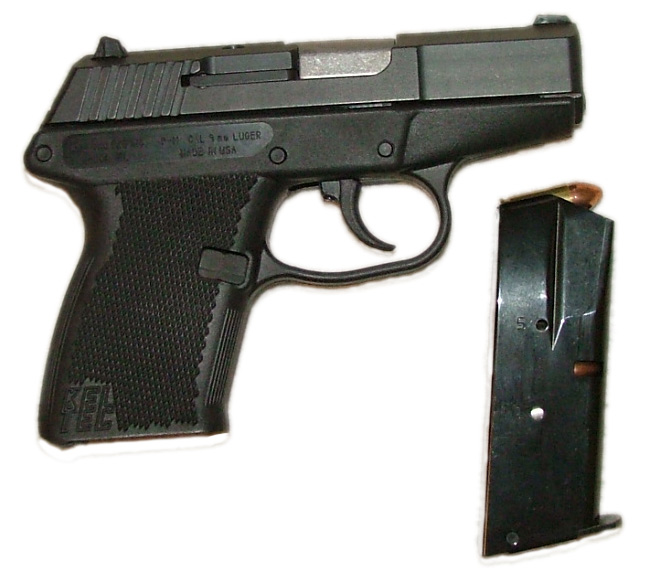
2. KelTec P11
The P11 chased a very practical goal: put 9mm power in a small, easy-to-carry handgun. That part worked. The trouble came when shooters tried to run it well under range conditions. A long, heavy trigger made precise shooting difficult, and the compact frame amplified recoil enough that many owners found it unpleasant to control. Small pistols already have a tighter margin for error, especially when grip and trigger technique are not perfect. Training sources continue to stress how much trigger control and grip shape affect handgun performance, and the P11 often exposed every weakness in that equation.
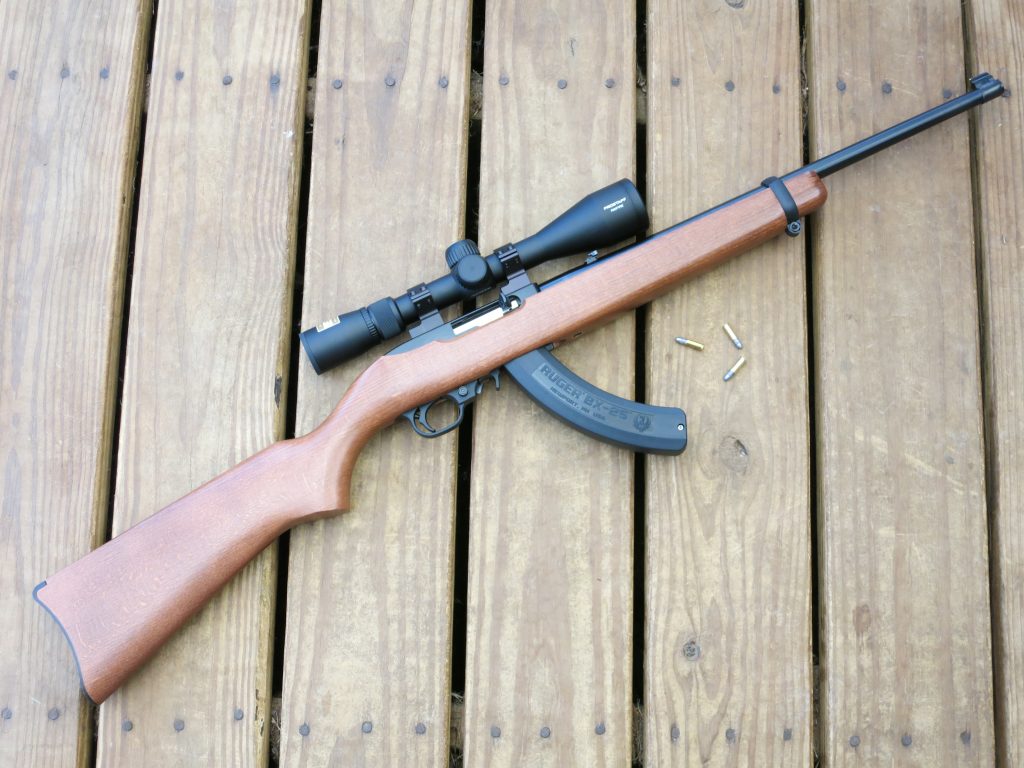
3. Mossberg Blaze
On paper, a featherweight .22 LR semi-auto sounds like easy fun. The Blaze delivered the featherweight part, but many owners never warmed to the rest of the package. Heavy use of polymer gave it a cheap feel, and its trigger and feeding reputation never matched the easygoing role buyers expected from a rimfire rifle. That mattered because the .22 market is full of rifles that are supposed to be simple range companions. Once a plinker starts feeling disposable, shooters begin looking elsewhere for a rifle that can handle higher round counts and steadier use.
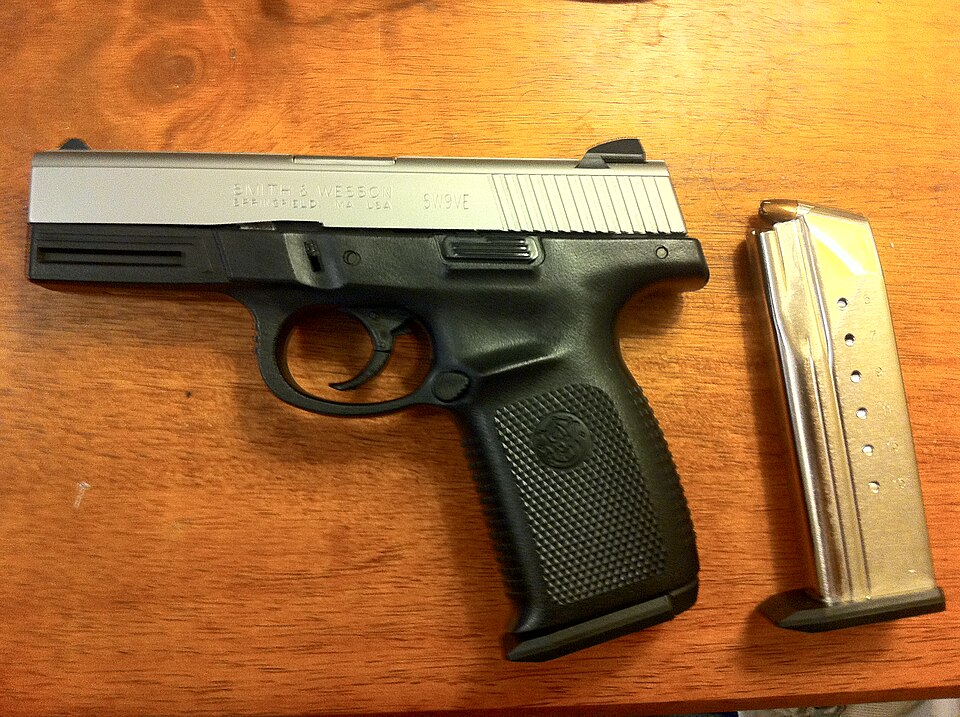
4. Smith & Wesson Sigma 9VE
The Sigma line had the right broad outline for a service-style polymer pistol, but the trigger became its defining problem. Owners described it as heavy, gritty, and slow to reset, all of which made quick, accurate follow-up shots harder than they needed to be. That reputation lingered because early Sigma-series complaints were not limited to feel alone. The platform was also associated with misfires and feeding problems, which gave shooters even less patience for a difficult trigger. Once a handgun becomes known for both awkward control and uncertain function, it usually loses the benefit of the doubt.
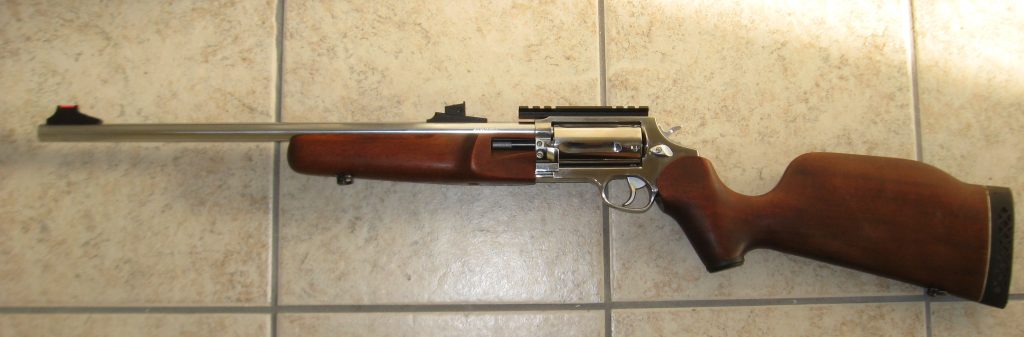
5. Rossi Circuit Judge
The Circuit Judge offered a hybrid idea that sounded versatile: a revolving rifle chambered for .45 Colt and .410 shotshells. In practice, that concept brought tradeoffs that were hard to ignore. The platform handled awkwardly, accuracy with bullets was only fair, and the cylinder-gap blast made hand placement more critical than many shooters preferred. It remained memorable because it was unusual, not because it solved a real problem better than conventional rifles or shotguns. That is often the dividing line between innovation and novelty.
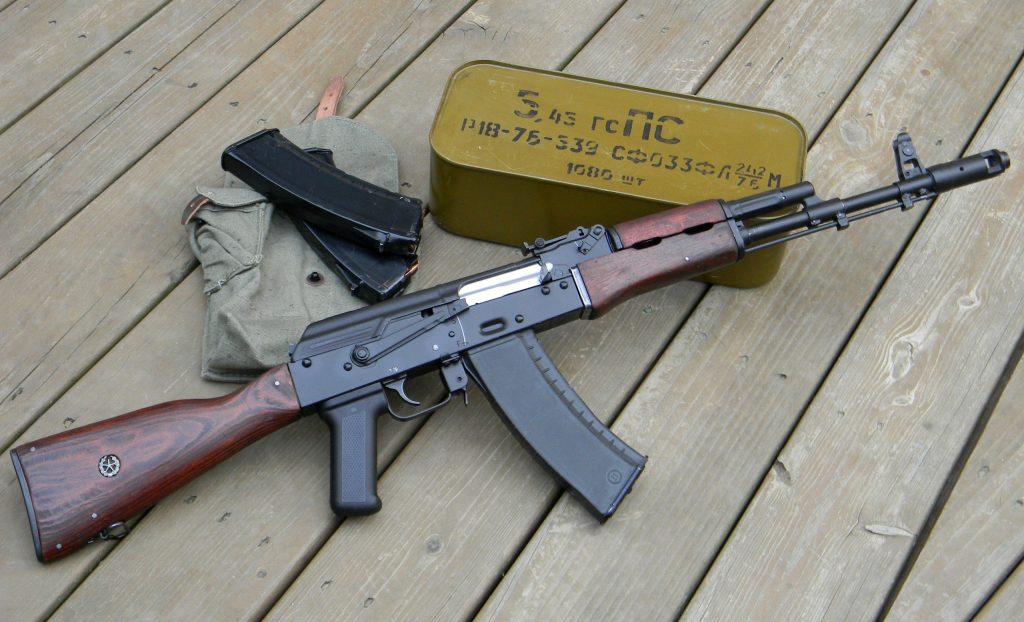
6. Century Arms C39v2
An American-made AK with a milled receiver had real appeal, and some examples showed decent trigger performance and acceptable accuracy. Even so, the model developed a mixed standing because buyers reported front-heavy handling, inconsistent grouping, and concerns about premature wear on internal parts. AK buyers tend to tolerate weight and roughness if the rifle feels durable. When long-term wear becomes part of the conversation, that trade starts to look less attractive.
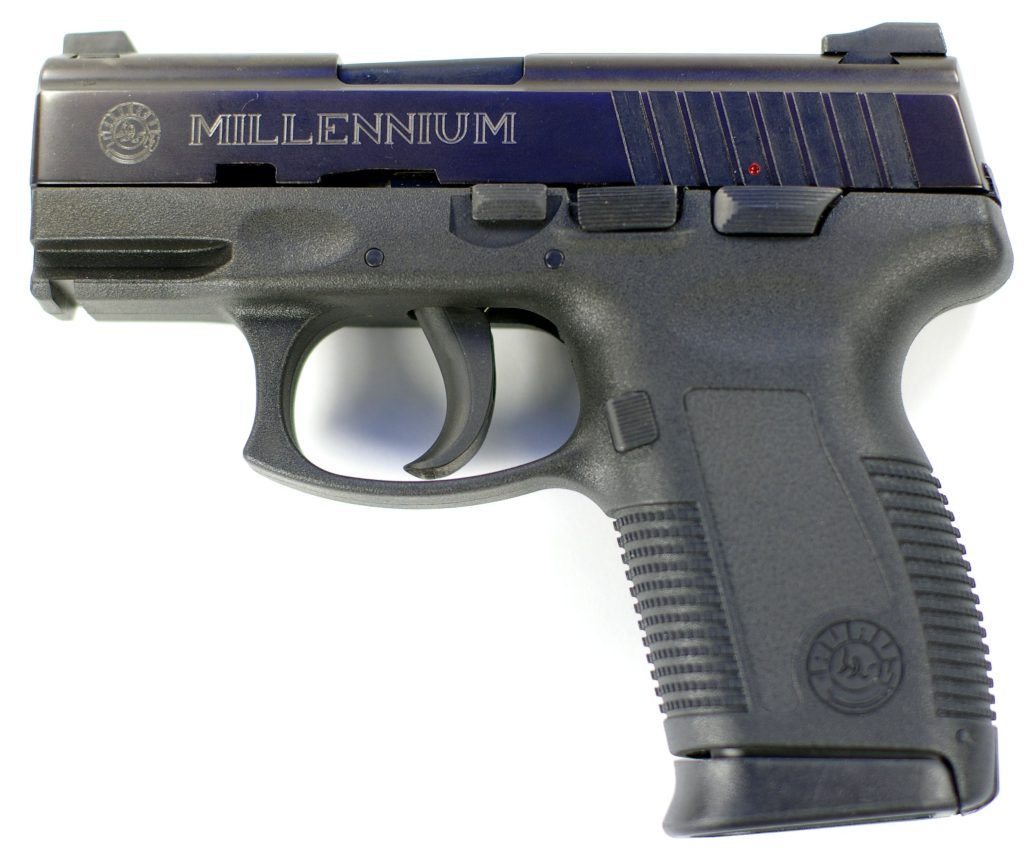
7. Taurus PT145 Millennium Pro
The PT145 sold a potent idea: .45 ACP in a compact carry-sized frame. The downside was that the compact frame came with snappy recoil, a short grip, and a trigger system that many shooters never fully trusted. Reports of feeding issues and failures to lock back did not help. That combination is especially damaging in a handgun intended for serious use. Training guidance on stoppages notes that a type 3 malfunction is among the hardest handgun jams to clear quickly, and any pistol with a shaky reliability reputation starts to feel far less forgiving.
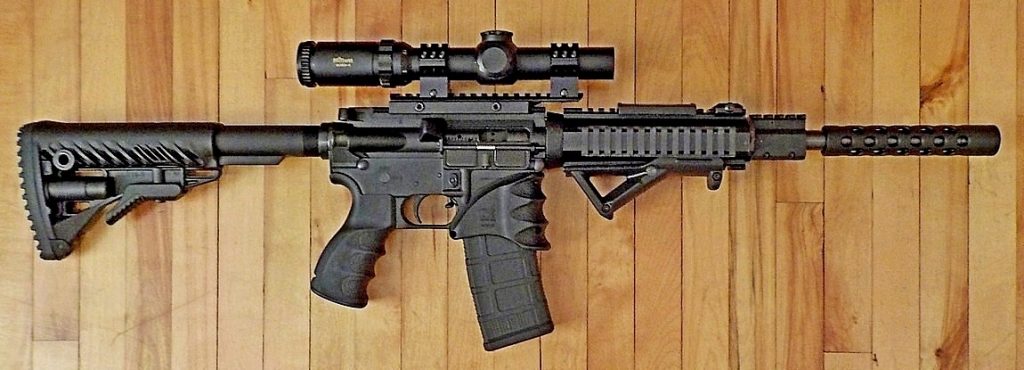
8. ATI Omni Hybrid AR
Lightweight ARs are nothing new, but the Omni Hybrid pushed hard into polymer receiver construction. For many owners, that was the problem rather than the breakthrough. Complaints focused on flex near the buffer tube, mushy trigger feel, and accuracy that did not stay consistent enough to inspire confidence. Weight savings only matter when the structure still feels rigid. In the AR world, shooters often accept a few extra ounces if it means better durability and a more stable shooting platform.
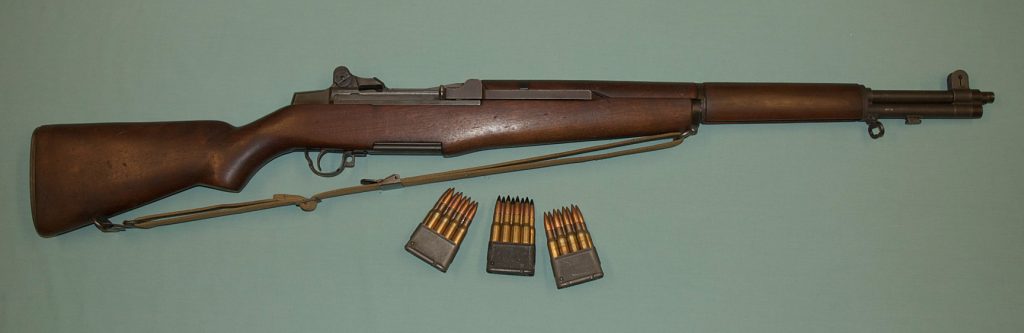
9. Chiappa M1-22
The M1-22 had instant visual appeal because it borrowed the shape and nostalgia of the M1 Carbine. That charm wore thin when the rifle struggled to run through magazines without feeding interruptions. Owners often traced the trouble to weak magazine performance and sluggish cycling. It became a reminder that styling cannot carry a firearm very far. A rimfire trainer has one core job, and when the gun keeps stopping, the retro appeal becomes secondary almost immediately.
These firearms did not all fail for the same reason. Some suffered from poor ergonomics. Others were dragged down by inconsistent quality control, fragile materials, or operating systems with too little margin for error. The result, however, was similar: confidence faded with use. That is usually where buyer regret begins. Not with one bad shot, but with the moment a gun stops feeling dependable enough to keep shooting without second-guessing it.


