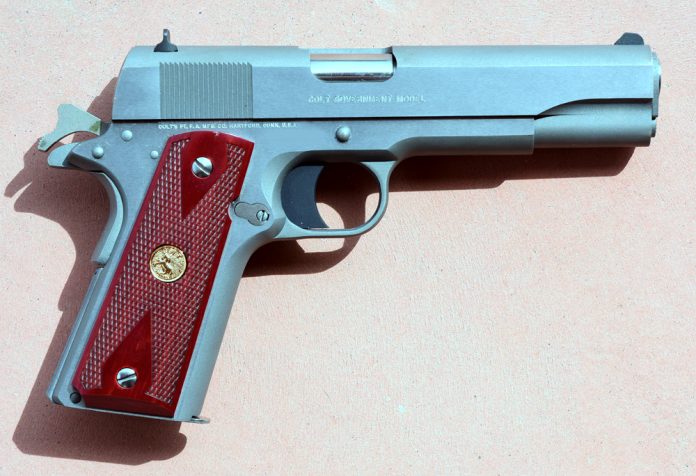
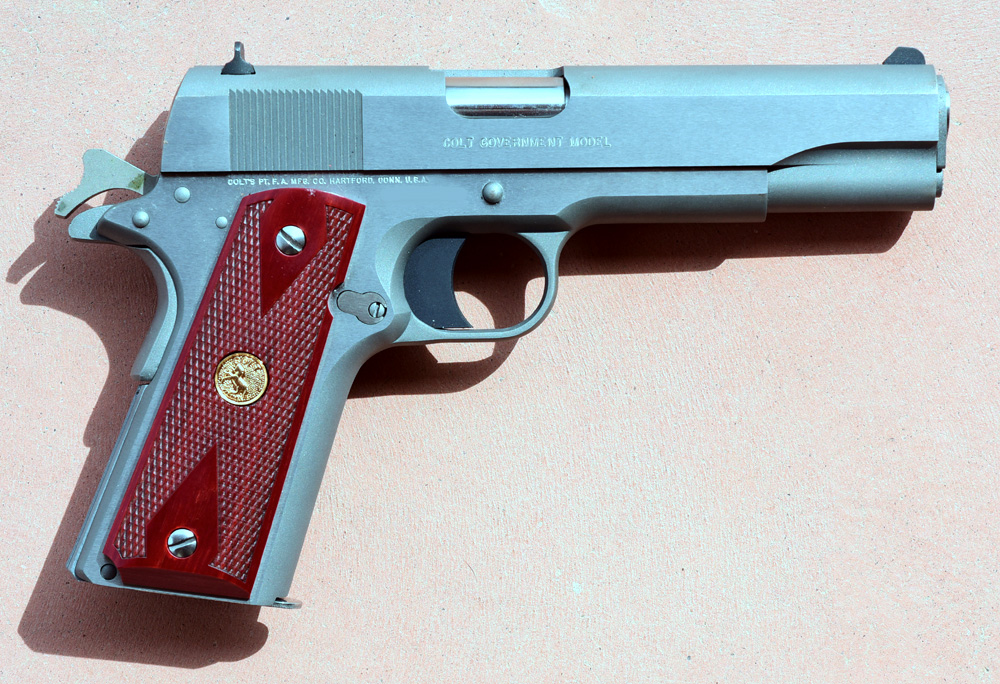
The 1911 versus polymer carry debate keeps going because both platforms solve real problems. One leans on a slim steel frame, a short single action trigger, and a manual of arms that rewards repetition. The other is built around lighter weight, more onboard ammunition, and a broader tolerance for dirt, sweat, and missed cleaning sessions. The useful comparison is not old versus new. It is what each design asks from the person carrying it.
1. Carry weight changes whether the pistol actually gets worn
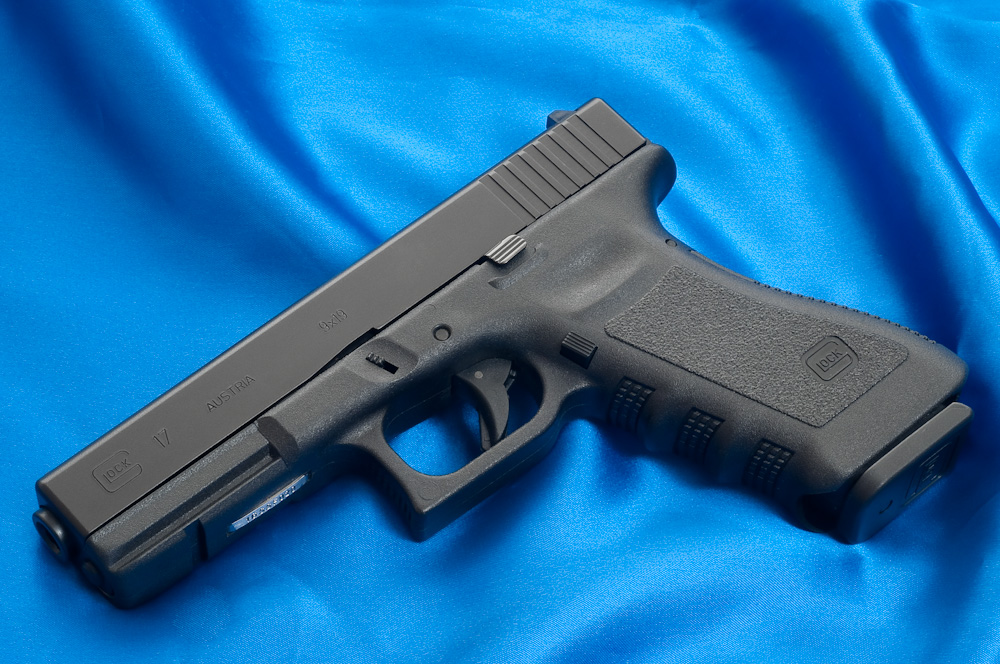
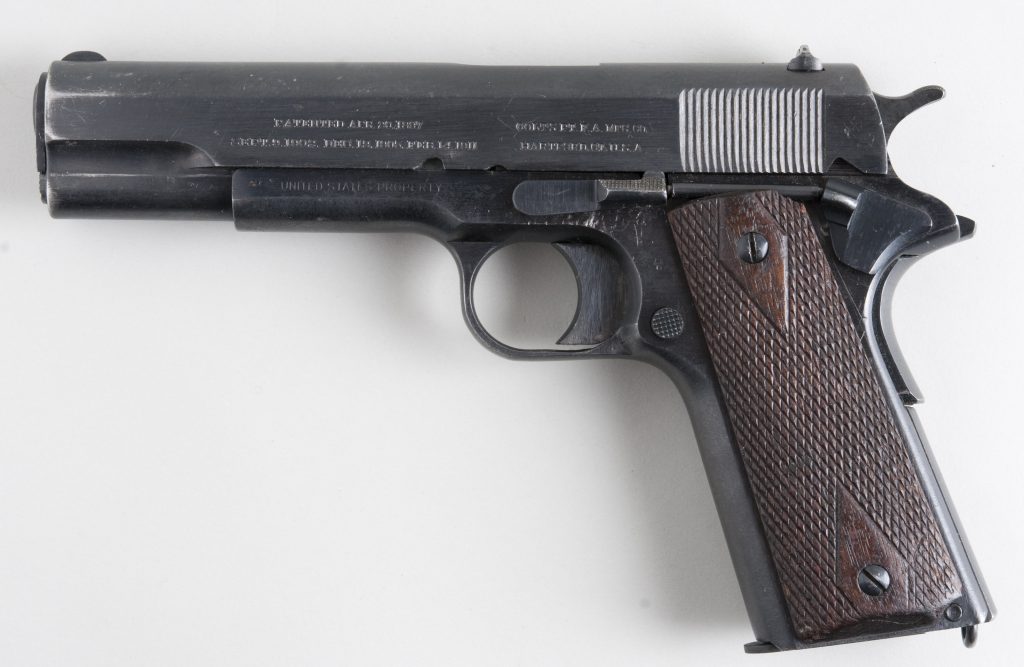
A steel 1911 often lands in the mid-30-ounce range unloaded, and that mass can be a benefit on the firing line while becoming a burden after a long day on the belt. A full size Glock 17, by contrast, is commonly listed at 24.87 ounces unloaded, and that gap is large enough to affect belt stiffness, holster comfort, and whether the gun stays on the body from morning to night. This is one of the least glamorous trade-offs, but it shapes real behavior. A heavier pistol may shoot flatter, yet a lighter one is often easier to carry consistently, especially in warm weather and under lighter clothing.
2. The trigger can either sharpen precision or punish sloppy handling
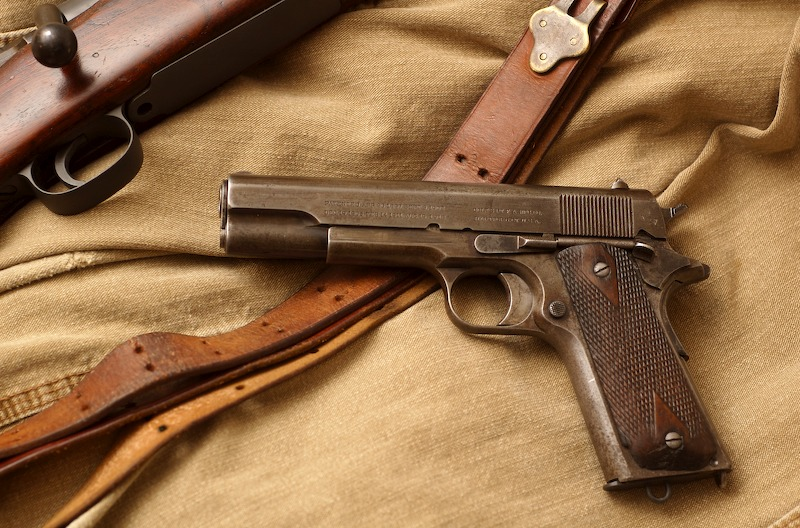
The 1911 remains a benchmark for a crisp, short single action trigger. That clean break helps with deliberate accuracy and can make controlled shooting feel unusually intuitive. It also leaves less room for poor trigger discipline, because the press is immediate and light compared with many striker-fired carry pistols.
Polymer striker fired guns tend to offer a more uniform press from shot to shot. That consistency can matter when practice time is uneven, because the shooter is managing fewer variables. The trade is straightforward: the 1911 often feels better when everything is done right, while the polymer gun may be easier to run acceptably when training is less frequent.
3. Magazine capacity buys margin, but grip size still has to hide
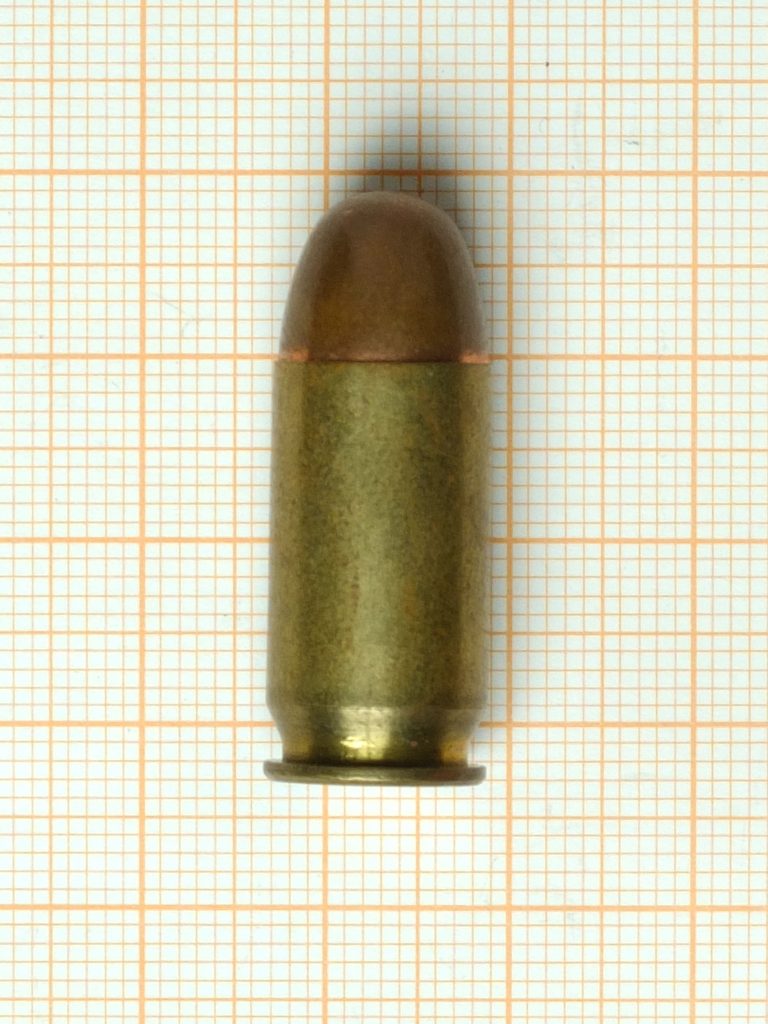
A traditional .45 ACP 1911 usually carries 7 or 8 rounds in the magazine. Even 9mm 1911 variants do not close the gap much unless the frame gets wider. Polymer service pistols routinely carry 15 to 18 rounds flush-fit, and many compact models still keep double digit capacity in smaller packages. That advantage is not free. More rounds usually mean a thicker grip, and grip bulk is often what prints through clothing first. The 1911 keeps a strong concealment advantage in pure thinness, while polymer pistols tend to win the ammunition reserve argument decisively.
4. Reliability is often a tolerance story, not a material story
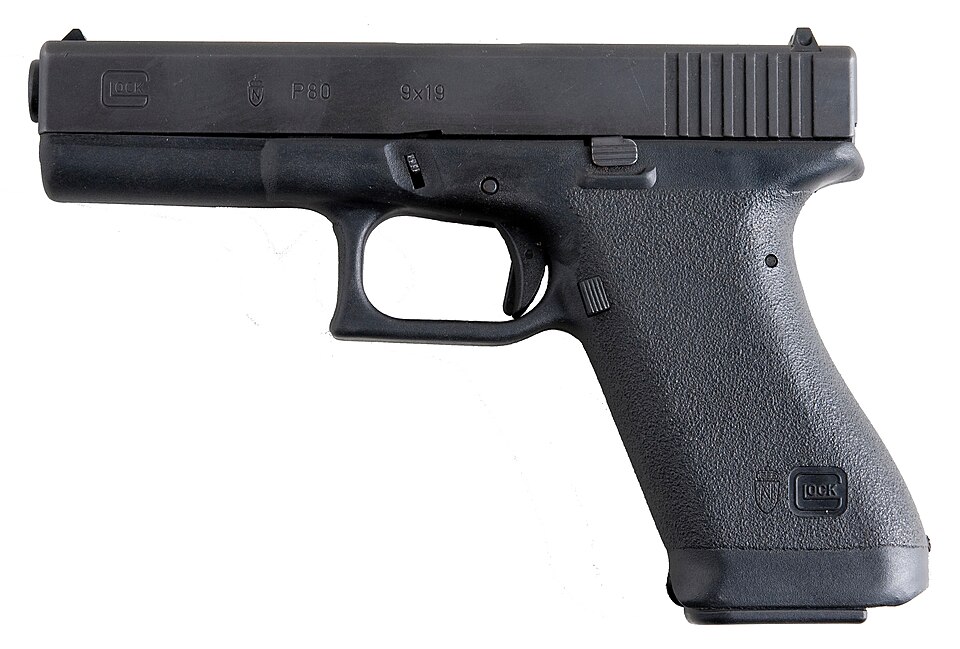
Polymer framed pistols are often described as more reliable, but the stronger distinction is that they are usually more forgiving. Wide tolerances, fewer friction sensitive surfaces, and simpler operating layouts let many service pistols keep running when lubrication is light or fouling starts building. One commonly cited endurance example describes nearly 10,000 rounds without cleaning in a Glock 17 before sluggish operation appeared.
The 1911 can be extremely reliable too, but it is less predictable across the whole market because “1911” is a pattern, not a single factory standard. Reference material on defensive 1911s repeatedly notes that quality, magazines, ammunition, and maintenance have a bigger impact on outcomes than many buyers expect. That is why a proven individual 1911 can be rock solid, while a random one off the shelf may require much more testing before trust is earned.
5. Small 1911s usually give up more than barrel length
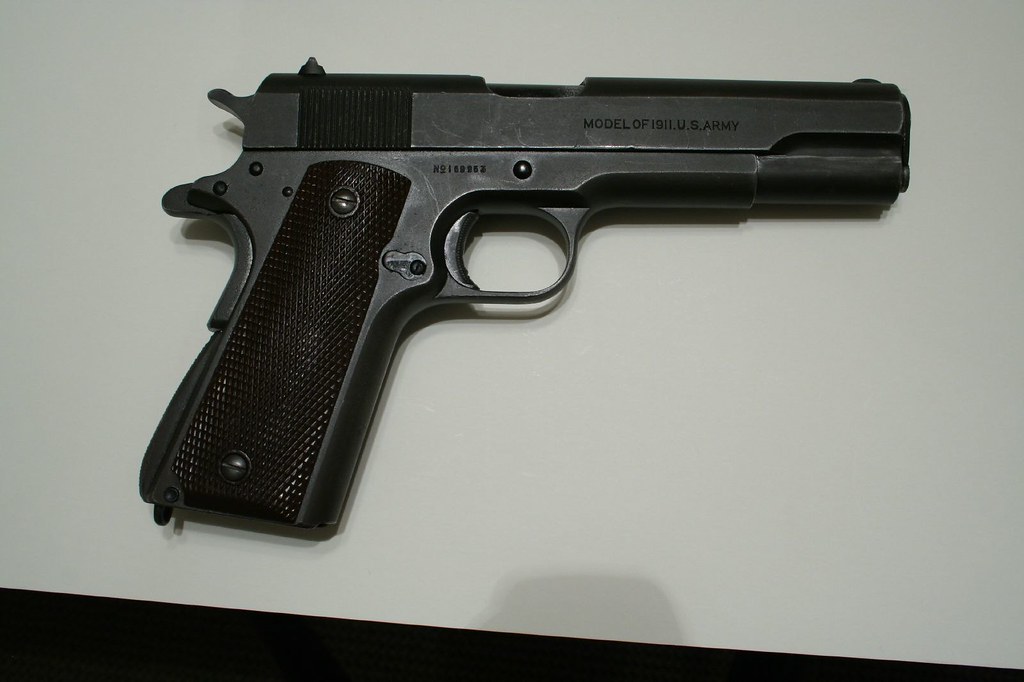
Compact carry guns sound attractive on paper, but the 1911 platform tends to lose reliability margin as it shrinks. The original design was built around a 5-inch Government model, and cutting slide length and mass changes timing in ways that make the system less forgiving. Material from the reference articles consistently points to full-size and Commander length guns as safer bets than Officer size variants.
This matters because many people compare a short 1911 to a modern compact polymer pistol and assume both are making similar compromises. They are not. The modern striker fired compact was designed around that size from the start, while the smaller 1911 is often working farther away from the geometry that made the original design famous.
6. Corrosion control matters more when the gun rides close to skin
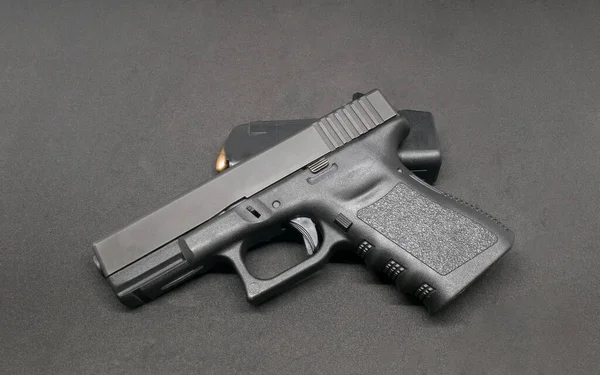
Daily carry exposes a pistol to sweat, humidity, lint, and repeated temperature shifts. Steel frame guns can resist rust very well, but they demand attention to finishes, pins, screws, grip areas, and the hidden corners where moisture lingers. Polymer frames remove one obvious concern because the frame itself does not corrode, although the slide and internal metal parts still need protection.
That is one reason surface treatment gets so much attention on service pistols. Glock’s long-used metal treatment is commonly described as ferritic nitrocarburizing, a process intended to improve wear and corrosion resistance. The practical point is simple: the steel gun usually asks for more routine vigilance when it lives against the body every day.
7. Recoil feel is not the same thing as recoil energy
A steel 1911 often feels softer and flatter, especially in .45 ACP, because mass absorbs movement and the grip geometry encourages a straight, deliberate presentation. Many shooters find that this makes fast follow-up shots feel calmer once technique is locked in. Polymer pistols change that sensation. Their lower weight can make recoil seem snappier, and some shooters notice a slightly stretched impulse as the frame flexes under load. Neither effect automatically makes one platform faster than the other, but they do create different shooting rhythms that become obvious over long practice sessions.
8. Weather and neglect usually favor the modern service pistol
Mud, congealed lubricant, pocket debris, and cold weather punish close fit machinery. Tight 1911s can feel superb on a clean range bench, then become less cooperative once contamination slows the slide or drags on the rails. Polymer duty pistols generally tolerate that abuse better because they were designed around looser operational windows and fewer demands for perfect lubrication.
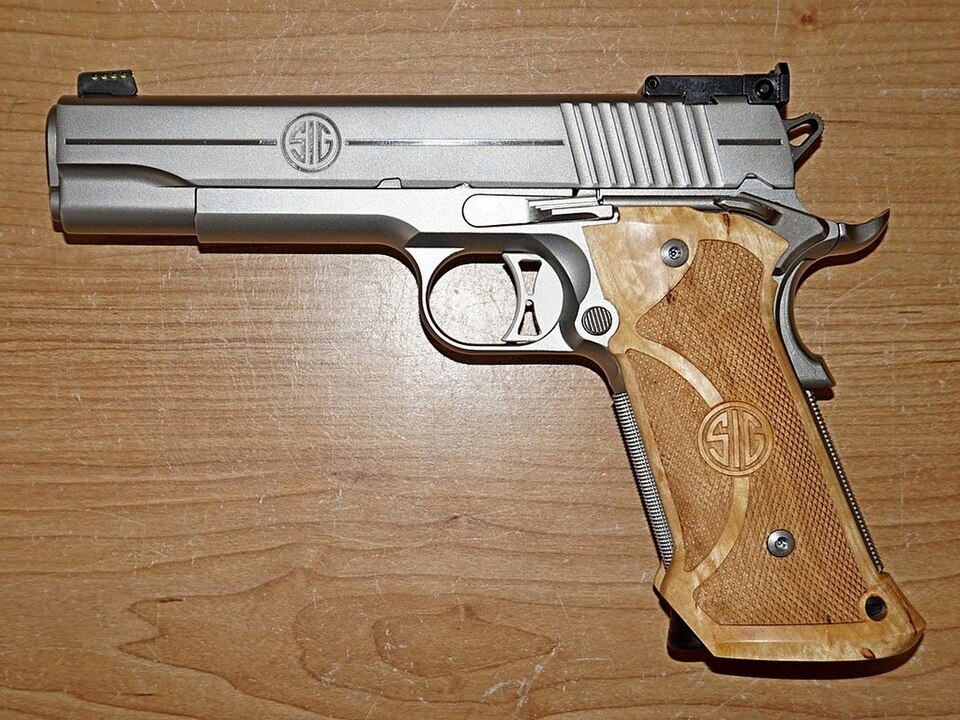
Even among 1911s, fit matters. Some shooters specifically favor stainless 1911s with slightly looser tolerances for wet or rough use over tightly fit match-style guns. The larger point is that weather resistance in practice is often a question of mechanical forgiveness, not just frame material.
9. The safety system determines how much repetition the gun demands
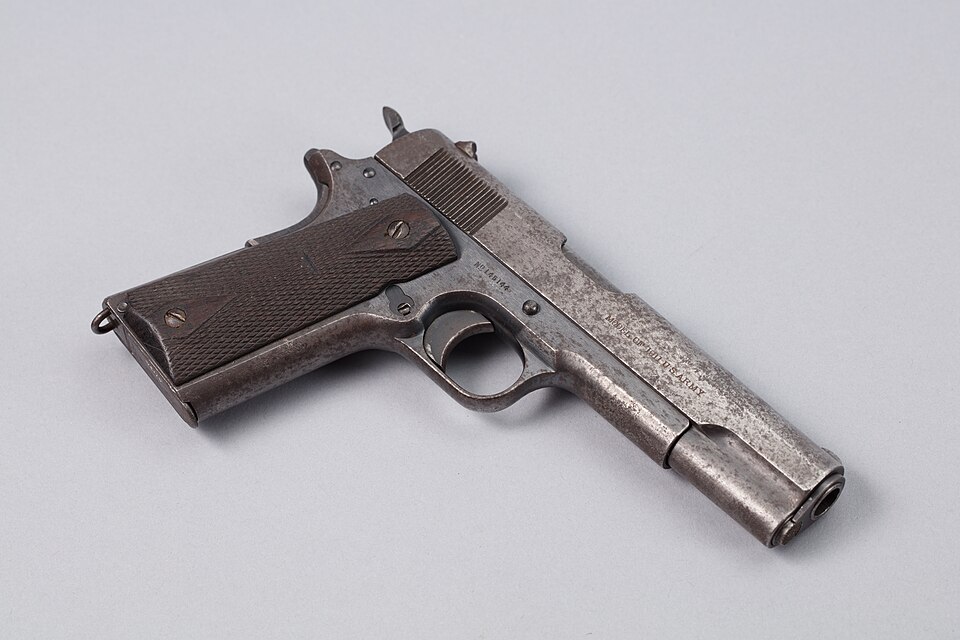
A 1911 carried cocked and locked asks the shooter to defeat the thumb safety during presentation and to maintain enough grip for the grip safety to stay engaged. In trained hands, that sequence is fast and very controlled. In inconsistent hands, it adds another place for technique to break down under pressure.
Most striker fired polymer carry pistols remove those external steps and rely on internal safeties plus disciplined holster use. That simplified manual of arms is one reason they became the default template for defensive handguns. The cost is that the shooter no longer has an external lever to manage; safe handling depends even more heavily on rigid holsters and keeping the trigger area clear.
That leaves the decision where it has always belonged: in the overlap between equipment and habits. The 1911 still offers a trigger, profile, and shooting character that many carriers value enough to support with maintenance and repetition. Polymer carry pistols usually ask for less, forgive more, and carry more ammunition in a lighter package. The platform choice becomes clearer once the argument stops being about brand tribes and starts being about what the pistol must endure on an ordinary day.


