
A bad range session does not always mean a bad gun. Ammunition variables, shooter technique, worn magazines, and maintenance gaps can all create problems that look mechanical at first glance. The harder task is separating a fixable issue from a design that keeps revealing the same weakness under normal use.
That is where pattern recognition matters. When the same symptoms appear across magazines, loads, and firing drills, the range starts exposing more than a one-off malfunction. It starts showing where a firearm’s engineering may be too sensitive, too lightly built, or too unforgiving in ways a serious shooter should notice early.
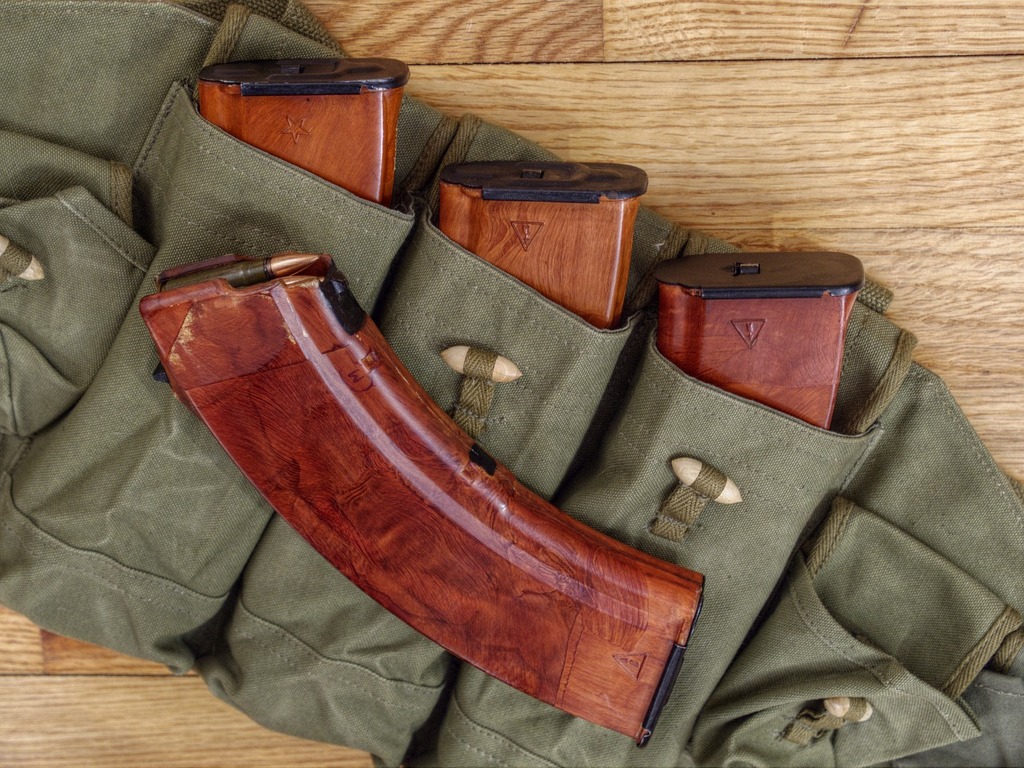
1. It becomes magazine-dependent far too quickly
Every repeating firearm relies on a magazine, but a sound design should not feel impossibly selective about what feeds it. When a gun runs with one magazine yet chokes repeatedly with others that function in comparable platforms, the problem often points to timing, geometry, or tolerance stacking rather than bad luck alone. That warning sign becomes sharper when stoppages include failures to feed, bolt-over-base issues, or erratic lockback. Magazine problems are common across platforms, and even experienced shooters treat them as a primary variable because magazines matter to overall reliability. But if a firearm demands unusually narrow magazine compatibility to stay functional, its design margin is already thin.
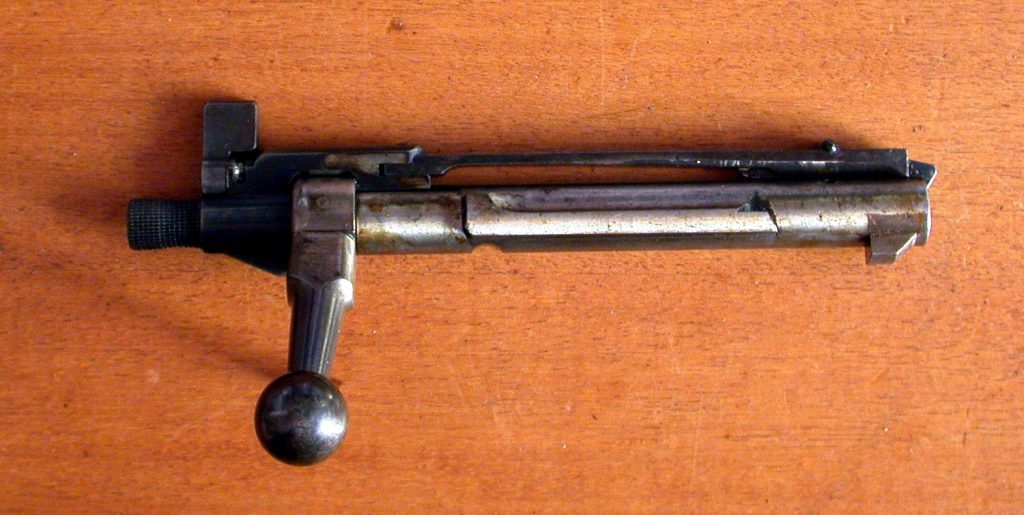
2. Fasteners loosen at structural stress points
A rifle that starts shedding torque at critical junctions is waving a bright flag. If screws around the barrel attachment area or receiver interface begin loosening before meaningful round counts accumulate, the design may be struggling to manage recoil forces, heat, or material mismatch. That concern surfaced in testing of polymer-receiver AR-pattern rifles, where bolts in that region were already showing signs of loosening around the barrel-to-upper area. Once that begins, accuracy can drift and long-term durability questions move from theoretical to immediate.
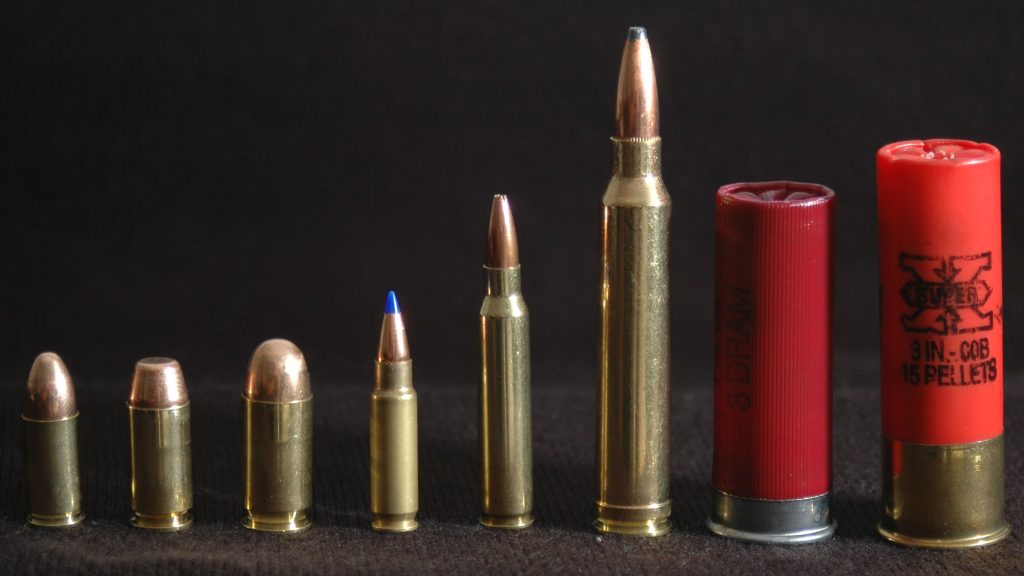
3. It is unusually ammo-picky without a clear reason
Some firearms show preferences. Problematic ones act as though they were built around one narrow load window and resent everything else. If a gun struggles with ordinary factory ammunition, changes point of impact dramatically with minor bullet differences, or refuses to cycle loads that comparable guns digest easily, the operating system may lack the tolerance expected of a mature design. Experienced shooters often judge reliability by running both practice ammunition and the exact load intended for serious use. In one discussion of practical testing standards, several shooters treated 100 rounds of intended carry ammo as a meaningful confidence check. A gun that cannot complete that kind of basic confirmation without drama is not merely “particular.” It is warning the user.

4. Ejection is inconsistent, weak, or visibly chaotic
Ejection pattern tells an unglamorous but important story. Stovepipes, brass dribbling weakly out of the port, spent cases falling back into the action, or random shifts from one session to the next often indicate poor bolt speed control, extraction friction, or marginal ejector timing. On self-loading rifles especially, this can reflect deeper system imbalance. AR-pattern troubleshooting guides consistently connect short stroke behavior to fouling, gas issues, drag, or weak cycling energy. When those symptoms appear early and often in a relatively clean gun, the design may be operating too close to the edge.
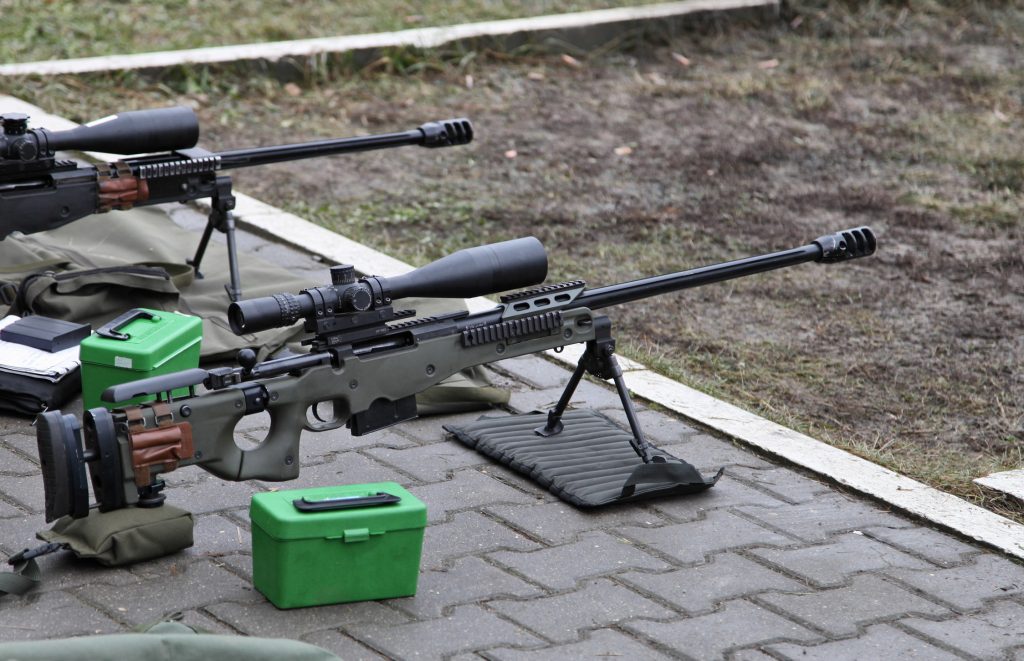
5. Accuracy shifts as the gun heats up or settles in
A firearm does not need benchrest precision to prove itself, but it should remain predictably zeroed and mechanically consistent. If groups open rapidly as the gun warms, or impacts wander after only modest firing, something in the structure may be moving that should not. This problem is especially troubling when it accompanies loosening hardware, flexible receiver material, or inconsistent lockup. A rifle can feel fine for the first magazine and then degrade into a different machine by the third. That is not a break-in story. It is a stability problem.

6. It punishes ordinary shooter variance more than peer guns do
No design can defeat every bad habit, but robust guns tolerate small inconsistencies better than fragile ones. If a firearm becomes unreliable with slightly reduced grip strength, mild off-axis pressure, or common one-hand drills while comparable models continue running, that points to a system with poor resilience.
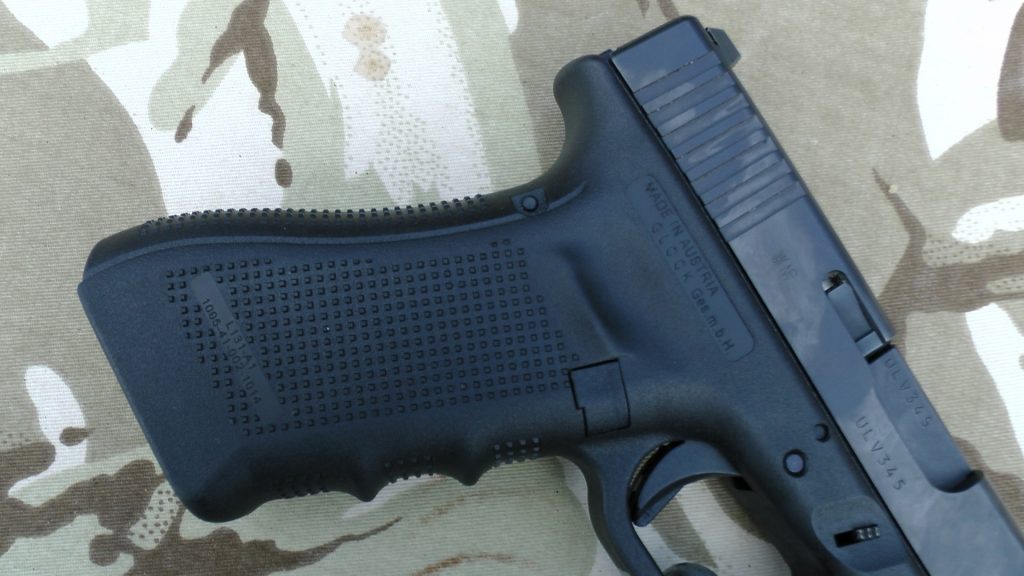
This is where shooters can misread the target. Trigger jerking, flinching, and grip errors absolutely move shots, and training sources regularly document how those mistakes distort impact and follow-through. Still, when the gun itself starts failing to cycle, lock back, or feed under routine handling variance, the issue has moved beyond marksmanship and into engineering tolerance.
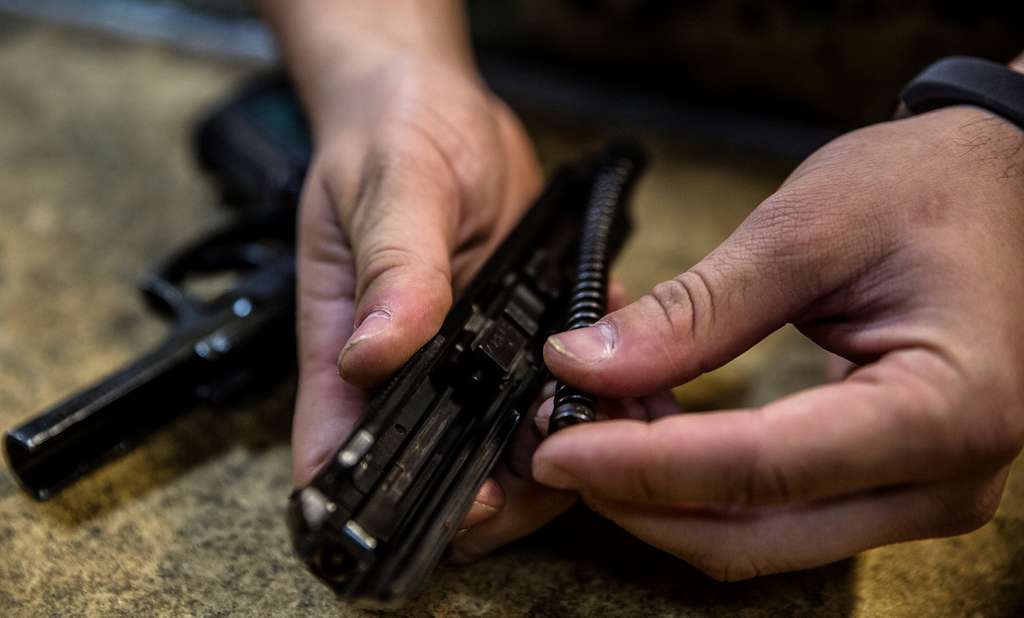
7. Troubleshooting never isolates a single cause
The most revealing red flag is cumulative confusion. A healthy firearm usually responds to disciplined diagnosis: change one variable, test again, and the cause becomes clearer. A problematic design keeps producing overlapping symptoms that seem to migrate from ammo to magazines to extraction to lockup without ever fully resolving. That is why careful shooters work from symptoms instead of guesses. Troubleshooting guidance for rifle malfunctions often stresses making one change at a time because layered variables hide root causes.
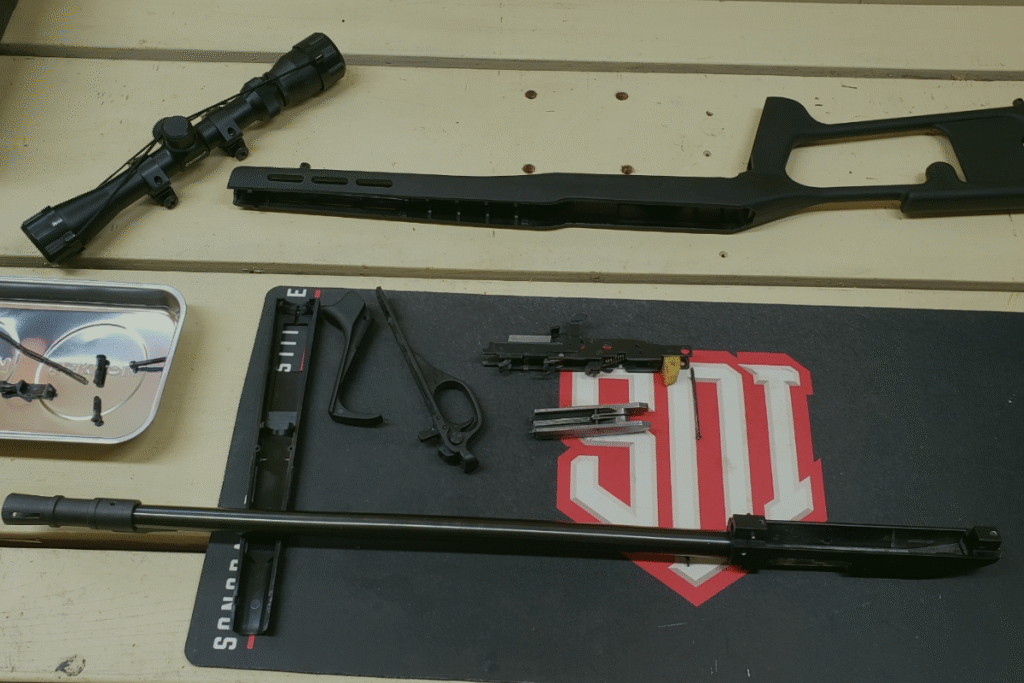
When a gun still refuses to reveal a stable pattern after that process, the platform itself may be the pattern. Range testing is less about a raw round count than about what the gun does during those rounds. A single stoppage with an obvious explanation is one thing. Repeated sensitivity to magazines, ammunition, heat, or normal handling is something else entirely. The clearest warning signs are not dramatic failures. They are recurring small failures that keep showing the same weak margins. That is usually where problematic gun design gives itself away.


