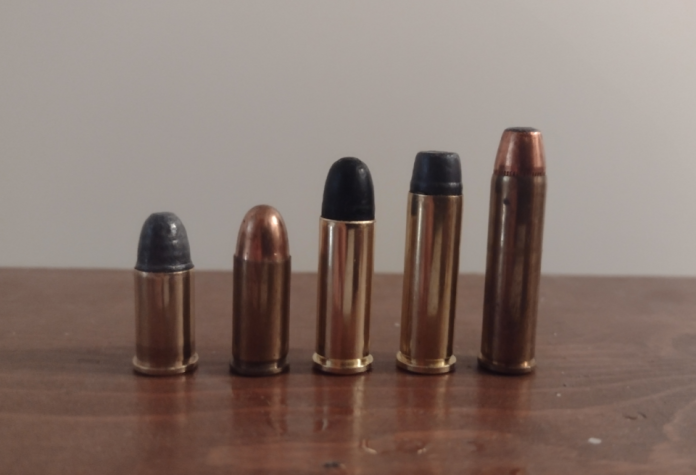
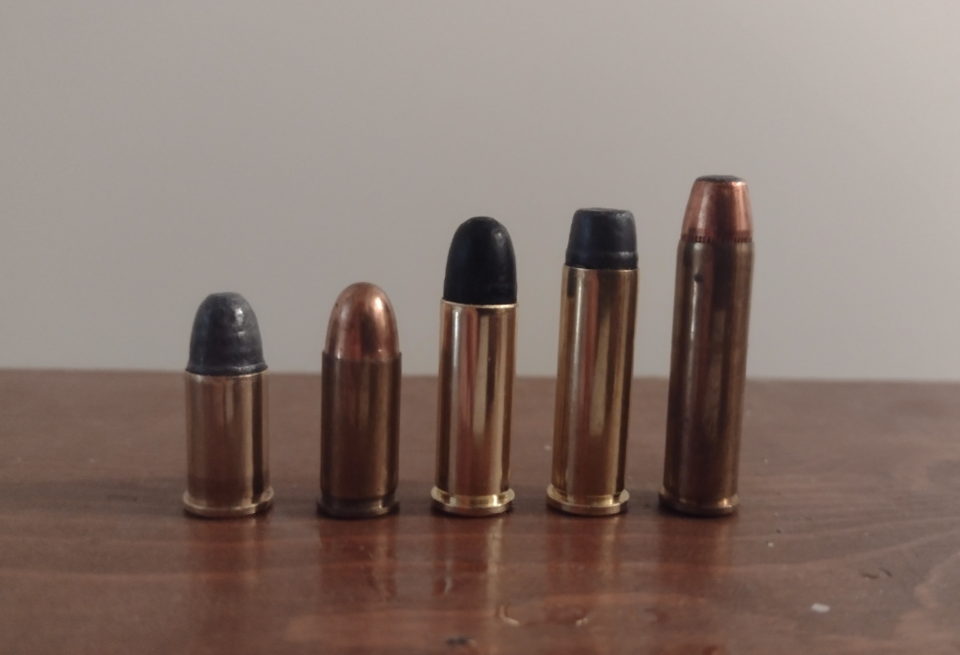
Handgun caliber debates usually drift into familiar territory: bigger numbers, louder recoil, and claims about raw power. The problem is that pistols are already working inside narrow physical limits, so the more useful question is not which round looks impressive on paper, but which one keeps enough penetration, expansion, reliability, and controllability when the shooter is under pressure.
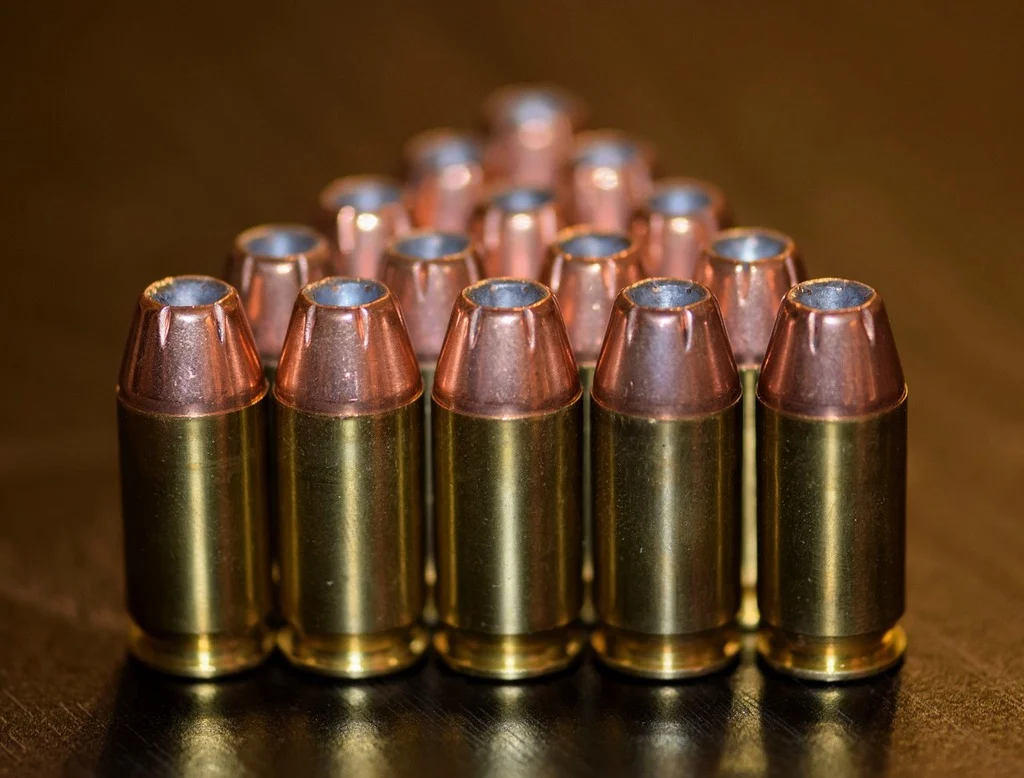
That is why the FBI’s 12–18 inch penetration standard still matters. As Johann Boden put it, “What works in the gelatin here ends up working on the street there.” In that context, the cartridges below stand out not because they are useless, but because each one asks the shooter to accept a compromise that gets harder to justify when stress, movement, poor lighting, and imperfect hits enter the picture.
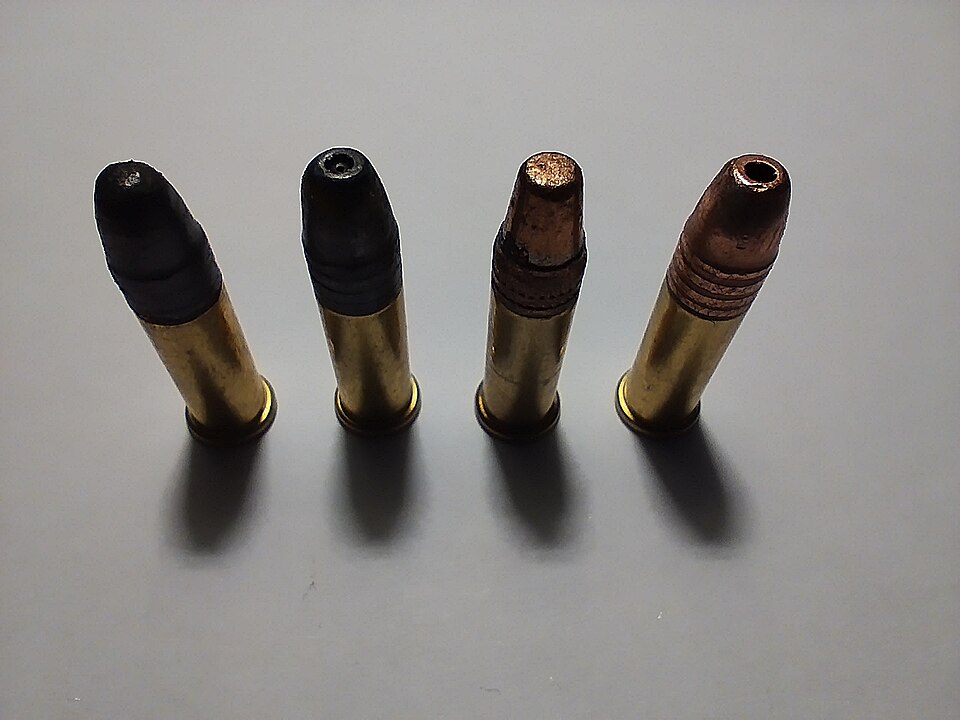
1. .22 Long Rifle
The .22 LR remains one of the easiest rounds to shoot, and that is exactly why it keeps showing up in defensive conversations. Recoil is negligible, ammunition is common, and even small handguns can be run quickly. Its weak point is the same one it has always had: rimfire reliability and shallow terminal performance. Misfire rates are simply higher than with centerfire ammunition, and many .22 loads struggle to maintain the kind of penetration expected from defensive handgun ammunition. Some newer loads have improved the picture, with tests showing certain loads can approach acceptable depth, but the margin is thin. When the cartridge works, it can still injure decisively. When it does not, the shooter is left with very little excess performance to make up for bad angles, heavy clothing, or a determined attacker.
2. .25 ACP
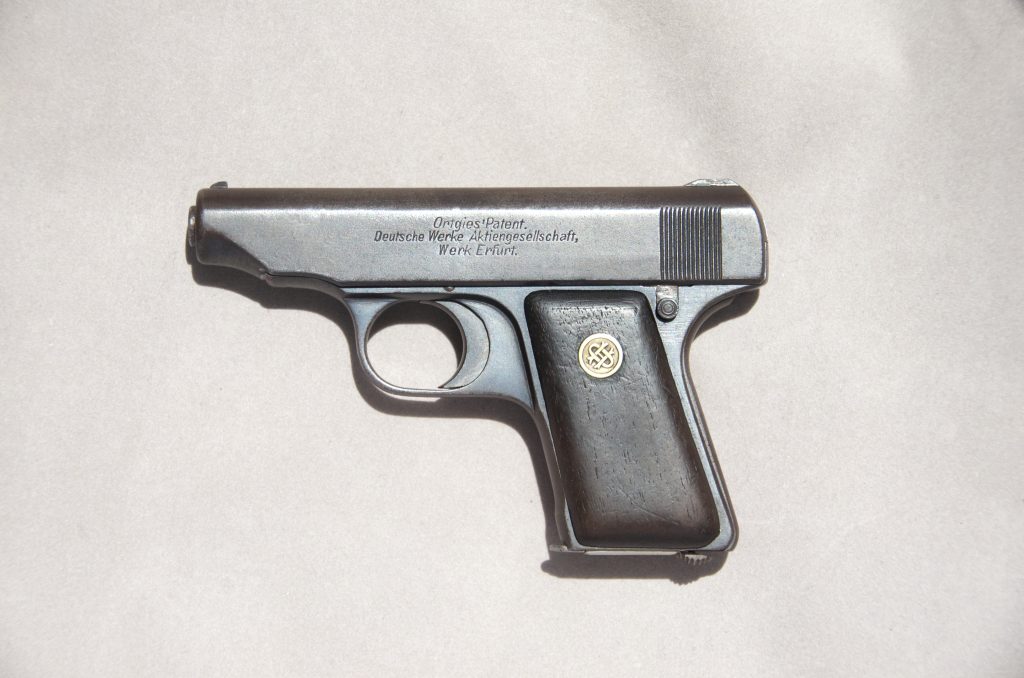
The .25 ACP was designed to give pocket pistols centerfire ignition at a time when that mattered more than velocity. Today, that old advantage has to compete with dramatically better handgun designs in larger calibers. It still offers centerfire reliability in tiny guns, but the ballistic ceiling is very low. Energy figures are modest, expansion is limited, and penetration often falls short. Real world shooting data assembled by Greg Ellifritz found that 35% of people shot with .25 were not incapacitated. That does not make the cartridge harmless, but it does underline how little room it gives the shooter when conditions are less than ideal. Modern pocket pistols have largely overtaken the niche that once kept .25 ACP relevant.
3. .32 ACP
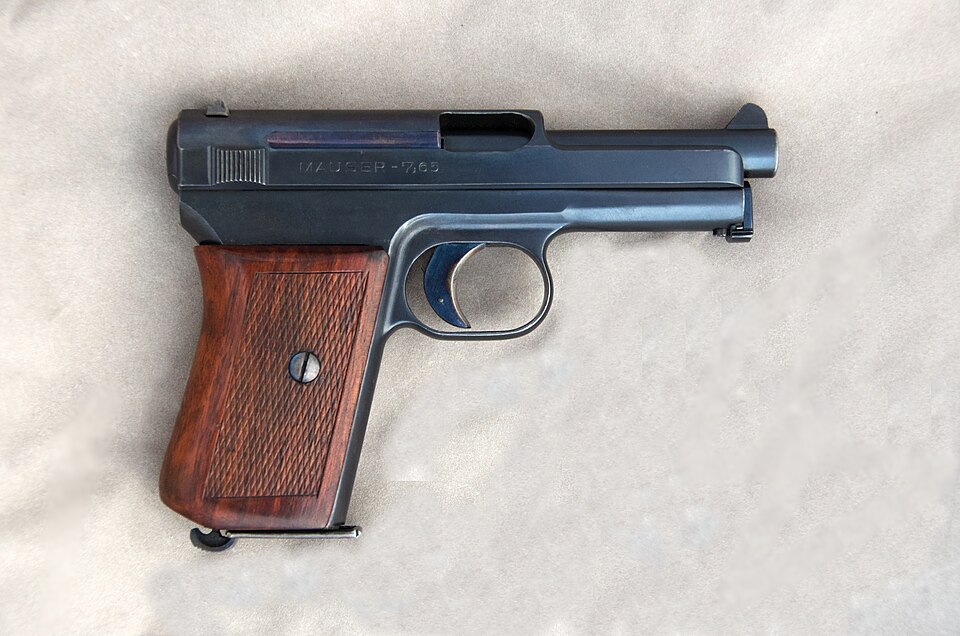
.32 ACP survives because it is genuinely pleasant to shoot. In very small pistols, that matters. But comfort does not erase the caliber’s narrow performance envelope. Typical loads sit closer to rimfire energy than to modern service pistol output, and expansion through clothing is inconsistent. Penetration can also fall short of the standard most defensive ammunition is built around. The caliber still appeals to shooters who need the lightest recoil possible, yet it does so by giving away terminal margin that larger cartridges preserve. That trade is real, and it has to be weighed honestly.
4. .410 Shotshell From Revolvers
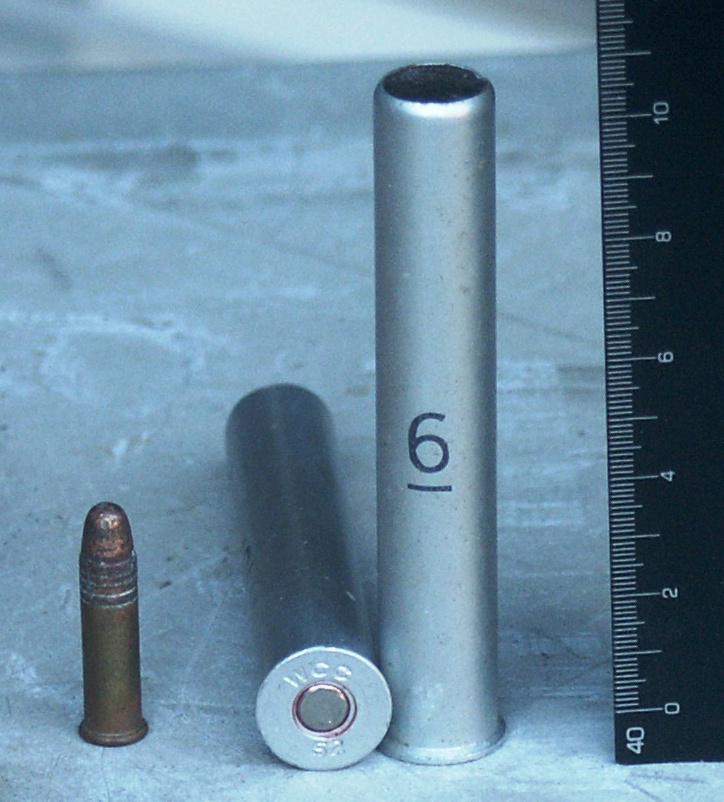
The appeal is obvious: a revolver that can launch shot shells sounds like a close range problem solver. In practice, short barreled revolvers are a brutal place to ask shotgun ammunition to perform. Patterns spread fast, velocity drops, and light shot loads lose authority almost immediately. Some buckshot loads do better at very short range, but the platform still creates accuracy and accountability problems once distance opens up. Even the concept runs into a simple handgun truth: pellets that miss do not become less important because they left a revolver chamber. The result is a system that looks versatile but can become inconsistent when precision matters most.
5. Weak .380 ACP Loads
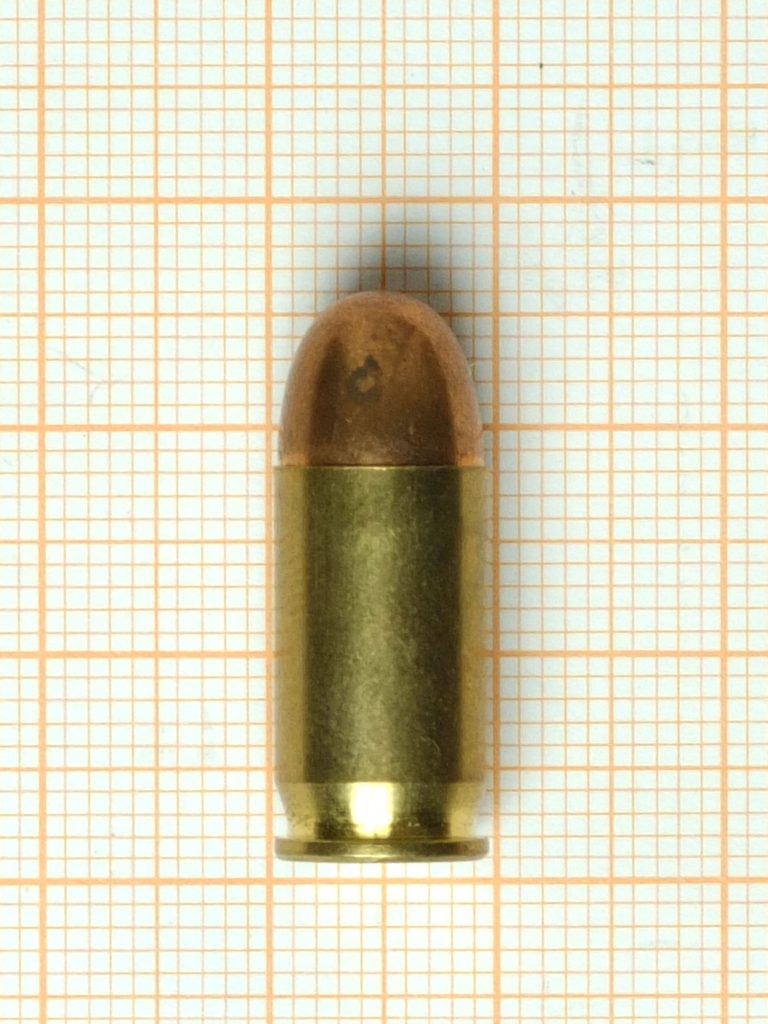
.380 ACP is not automatically a bad choice. The catch is that it lives close to the lower edge of acceptable handgun performance, especially out of very short barrels. That means ammunition selection matters more here than in many larger calibers. Some hollow points expand nicely and then stop too early. Others reach adequate depth but open only modestly. Better modern loads have tightened the gap, and some premium .380 offerings can perform respectably. Even so, the cartridge gives the shooter less cushion than 9mm, while the tiny pistols chambered for it often produce more snap than expected. The caliber can work, but it punishes casual ammo choices.
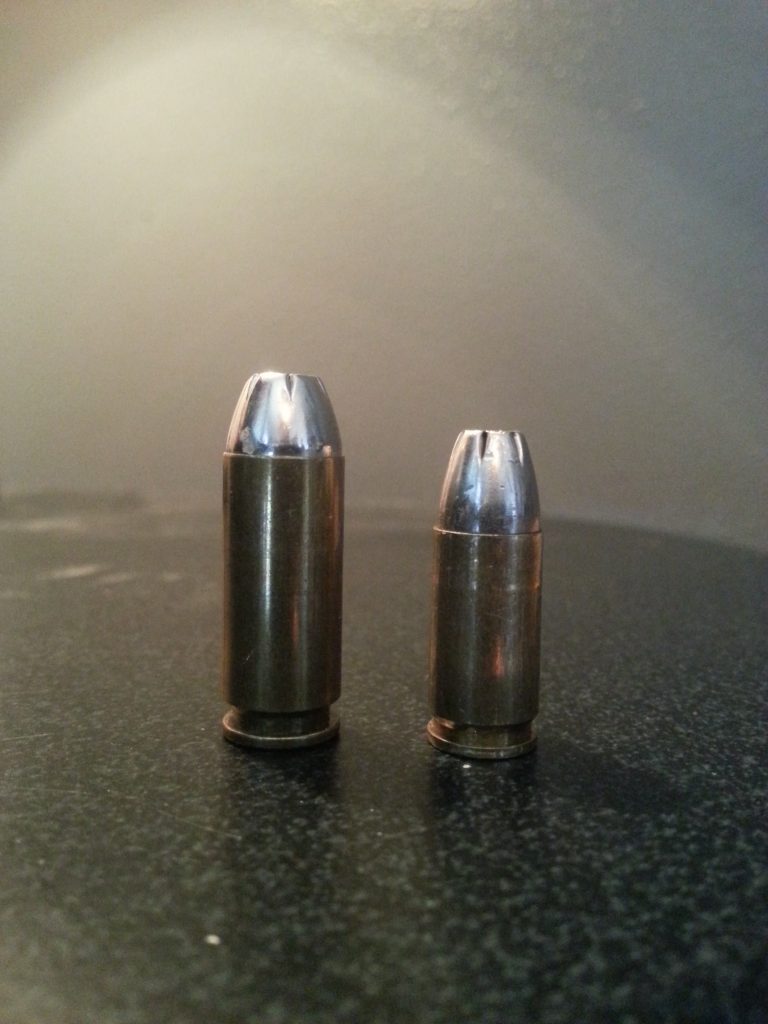
6. 10mm Auto
10mm sits at the opposite extreme from the small pocket calibers. It has power to spare, and for wilderness defense that can be a major advantage. For ordinary defensive handgun use, the issue is not weakness but imbalance. Ammo experts interviewed by Lucky Gunner noted that energy and velocity do not necessarily correlate to terminal performance in handguns the way many shooters assume. Chris Laack said, “We don’t get hung up on energy, velocity. We get hung up on penetration, expansion, the things that really are meaningful to terminal performance.” Hot 10mm loads can add recoil, blast, and the possibility of over-penetration without producing a proportional gain in practical handgun effect. That can leave the shooter managing extra punishment for very little real advantage in common defensive scenarios.
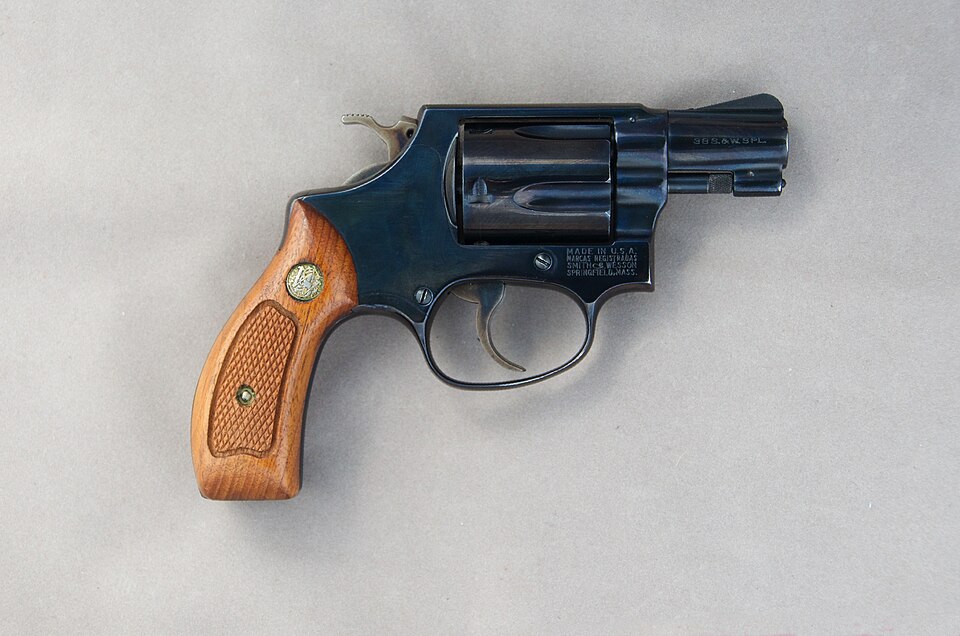
7. .38 Special From Ultra-Short Barrels
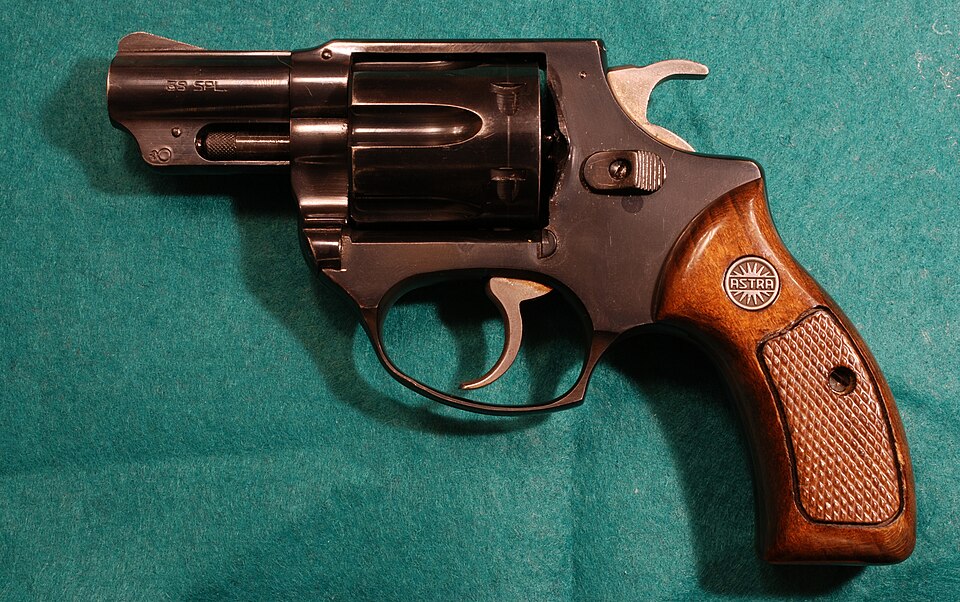
.38 Special earned its reputation honestly, but barrel length is a ruthless editor. Once the revolver shrinks into deep concealment territory, velocity disappears quickly. That change matters because many classic hollow points were designed around longer barrels than today’s tiny snub noses. Out of the shortest guns, expansion can fail, penetration can become erratic, and +P loads often add recoil faster than they add useful effect. The platform itself remains simple and durable, but physics keeps collecting its share. Shooters using these revolvers have to be selective with ammunition and realistic about what the shortest barrels take off the table.
The common thread here is not that small or powerful calibers are automatically wrong. It is that handgun effectiveness is shaped by tradeoffs, and the tradeoffs get sharper under stress. That point shows up in performance research as well. In one realistic police force-on-force study, elevated stress reactivity was linked to poorer performance and more errors, even with trained officers. The practical takeaway is plain: the better defensive handgun caliber is usually the one that remains reliable, penetrates adequately, and lets the shooter deliver accurate follow-up shots without fighting the gun itself.


