Some firearms lasted because they were popular. Others lasted because later designers kept borrowing their ideas. The models on this list did more than fill holsters, saddle scabbards, and rifle racks. They introduced manufacturing methods, action types, materials, or operating systems that kept echoing through later generations of guns. In several cases, the design itself stayed relevant long after the world around it changed.
1. Colt 1911
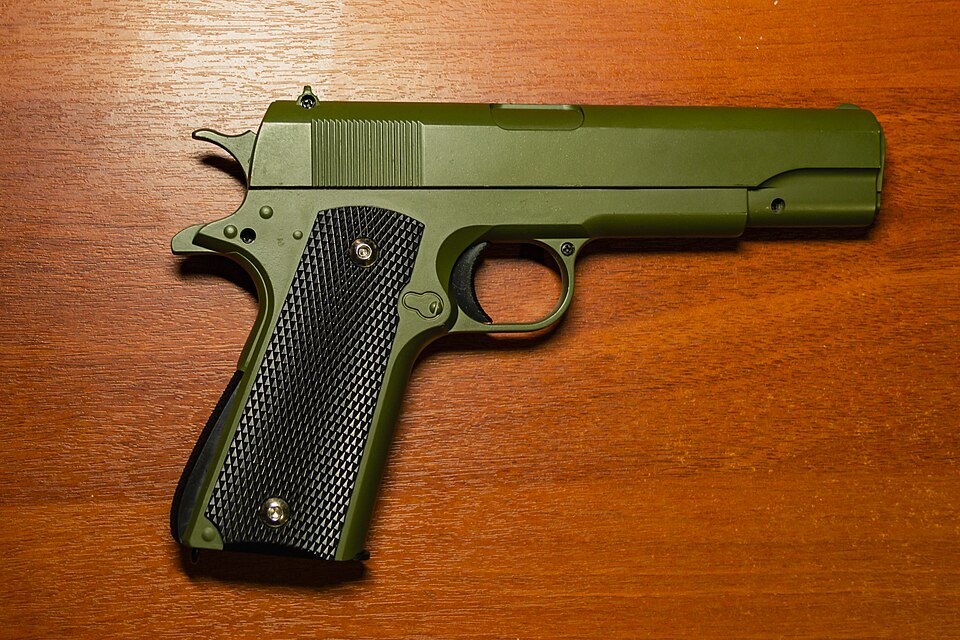
John Browning’s 1911 became one of the clearest examples of a military sidearm turning into a century-long design standard. The pistol was adopted after a 6,000-round Army test that pushed competing handguns through mud, water, and poor ammunition. The evaluation board concluded, “Of the two pistols, the board was of the opinion that the Colt is superior because it is more reliable, more enduring, more easily disassembled when there are broken parts to be replaced, and more accurate.”
That verdict helps explain why the 1911 remained visible through multiple generations of military service and then crossed into competition, law enforcement, and enthusiast use. Later updates such as the 1911A1 changed ergonomics rather than the core operating concept. Even now, the pistol’s slim profile, single-action trigger, and locked-breech layout still define what many shooters expect from a full-size steel handgun.
2. Glock Pistols
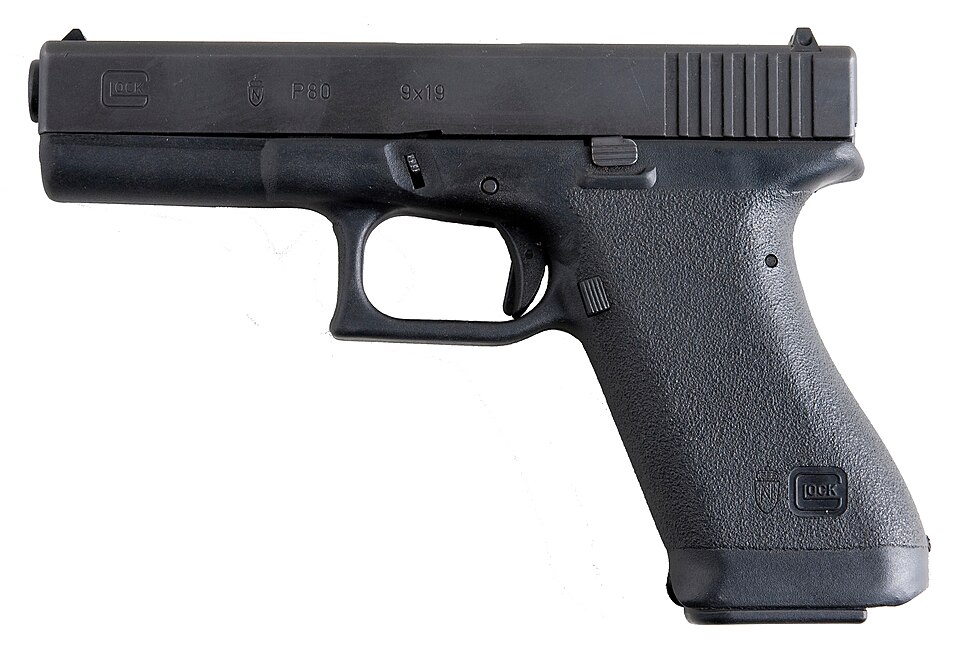
When Glock introduced the Glock 17 in the early 1980s, the real shock was not just capacity. It was the normalization of the polymer-framed duty pistol. A handgun that looked radically different from all-steel service pistols ended up resetting expectations for weight, corrosion resistance, and ease of maintenance.
The design’s Safe Action system simplified handling, while generous internal tolerances and a striker-fired layout helped make the pistol easy to run at scale. That combination mattered to agencies that needed a sidearm with fewer controls and consistent operation. The result was a platform that pushed much of the handgun market toward polymer frames, striker systems, and higher-capacity magazines.
3. Smith & Wesson and Colt Revolvers
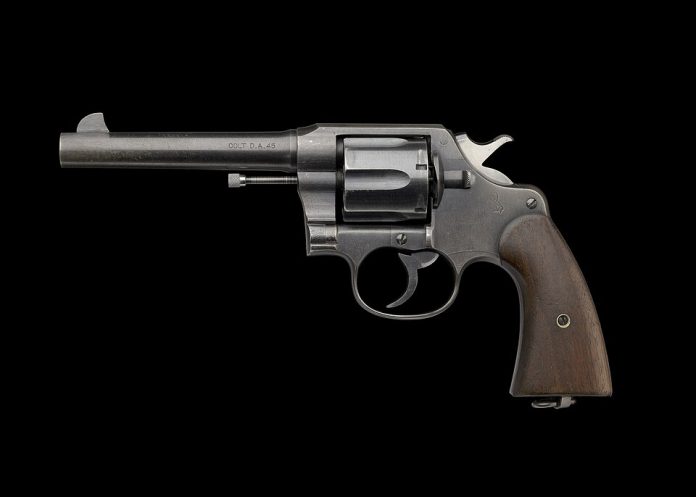
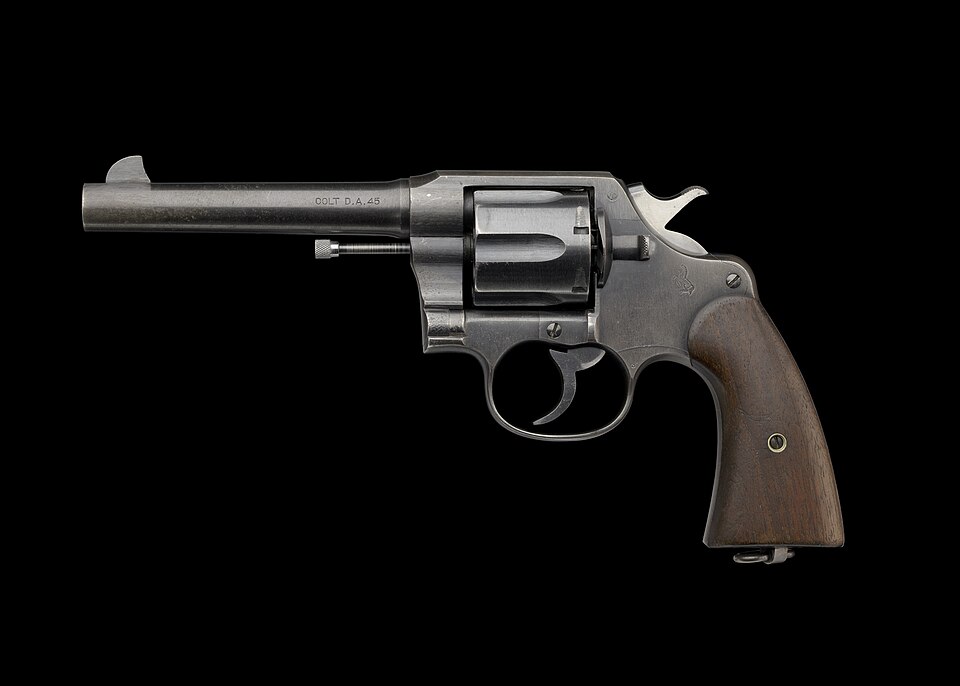
Before self-loading pistols took over, the revolver had already established what practical reliability looked like. Samuel Colt’s breakthrough was not inventing the revolving firearm concept from nothing, but bringing it into affordable industrial production; the first mass-produced Colt revolver appeared in 1835. That mattered because repeat fire stopped being a luxury mechanism and became a standard tool.
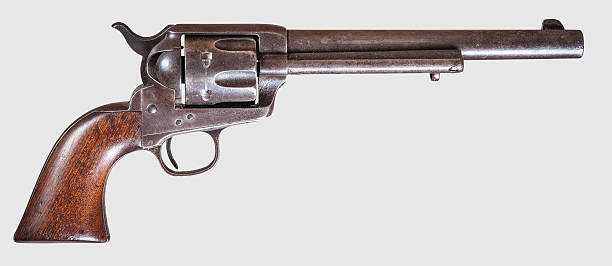
Later double-action revolvers from Colt and Smith & Wesson refined the idea into something mechanically elegant and remarkably durable. Models such as the Smith & Wesson Model 10 and Colt Python showed how smooth trigger geometry, robust lock work, and careful fitting could produce handguns that stayed trusted for decades. Their lower capacity eventually became a limitation, but their influence on trigger design, sighting, and practical sidearm handling remains unmistakable.
4. AR-15 and M16 Family
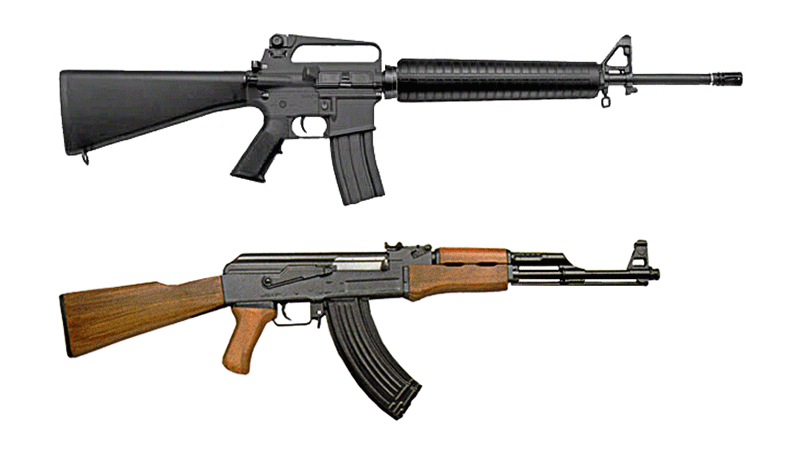
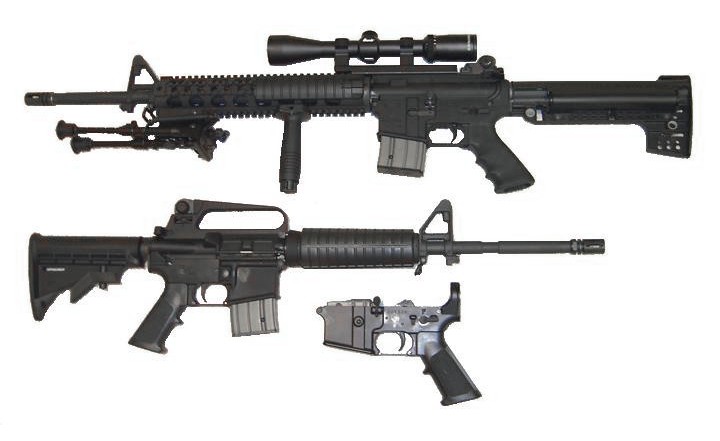
The AR-15 pattern changed the modern rifle by combining light weight, modular construction, and a cartridge that let soldiers and civilians carry more ammunition with less recoil. Eugene Stoner’s concept broke hard from the era of wood-and-steel battle rifles. Aluminum receivers, synthetic furniture, and a small, fast 5.56 mm cartridge made the platform feel like a different category of rifle.
Its path was not smooth. Early M16 service in Vietnam exposed severe reliability problems tied to ammunition changes, maintenance shortfalls, and the lack of chrome lining. Later fixes transformed the rifle’s reputation: chrome lining was added to the chamber and bore, buffer systems were improved, and cleaning support became standard. From there, the platform evolved into flat-top receivers, optics-ready carbines, and today’s accessory-heavy AR ecosystem. Few firearms have proven so adaptable across so many roles.
5. AK-47
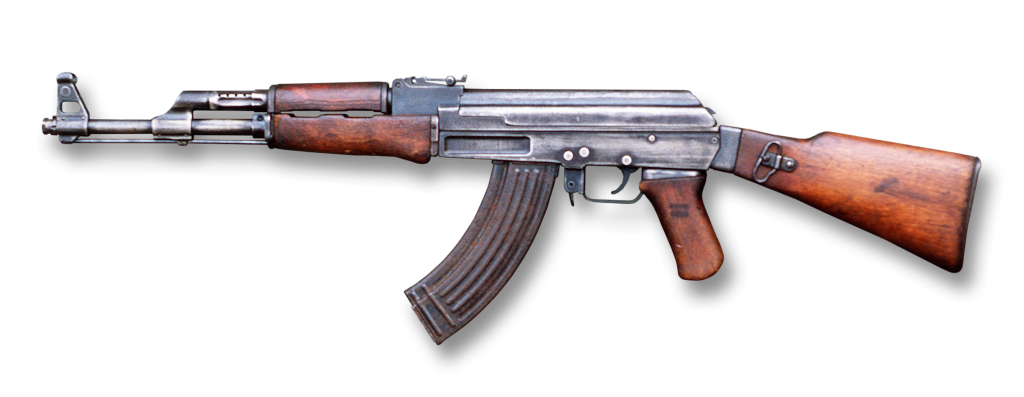
The AK-47 became legendary for one reason that is easy to say and harder to engineer: it keeps working in bad conditions. Its reputation rests partly on loose clearances, but the deeper story is that reliability was built into the mechanism from the start. The rifle’s operating group used a heavy carrier, generous clearances, and a rotating bolt system designed to keep cycling friction low.
Technical analysis of the action points to details such as a mass ratio of about 5.6 to 1 between carrier and bolt, along with enough dwell time to aid extraction. Those are not glamorous features, but they are exactly why the platform earned such broad trust. The AK also influenced rifle design culture by proving that ultimate refinement is not the only path to success; rugged simplicity can become its own engineering standard.
6. Mauser 98
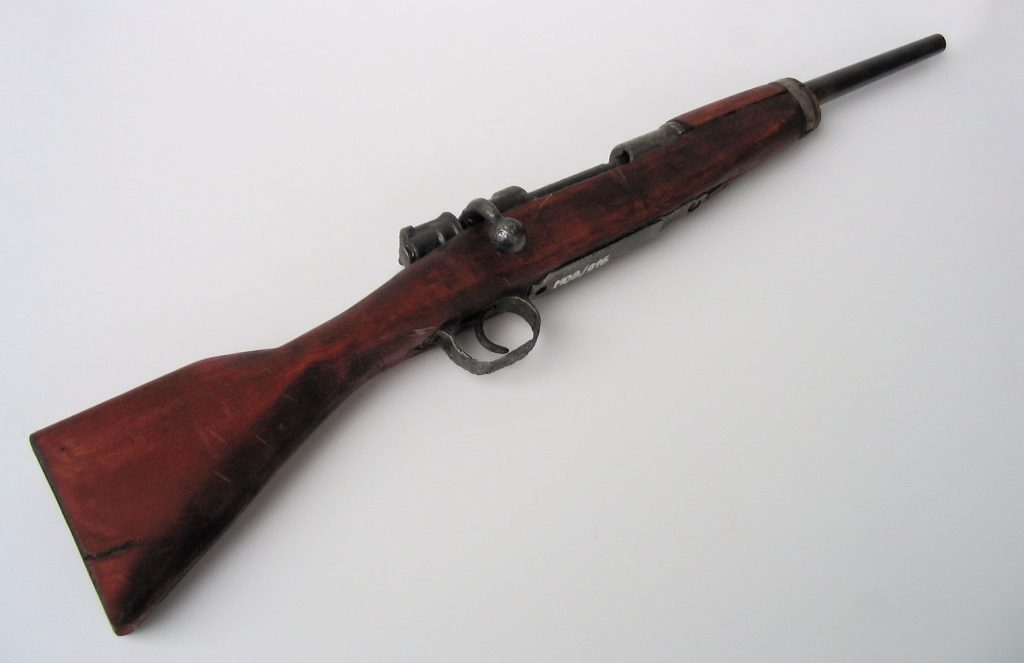
The Mauser 98 set the template for the modern bolt-action rifle so completely that later sporting and military rifles often look like variations on its themes. Controlled-round feed, a large claw extractor, and strong front locking lugs gave the design a reputation for secure feeding and extraction that still matters to rifle builders.
Its influence extends far beyond original Gewehr 98 rifles. Many later actions borrowed Mauser principles directly, especially in hunting rifles where dependable extraction and feeding are prized. The design’s long life is a reminder that a mechanical system can become permanent when it gets the fundamentals right the first time.
7. Winchester Model 94
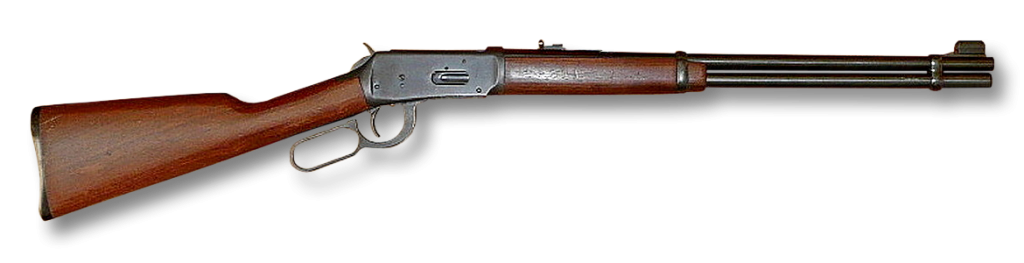
The Winchester Model 94 represents a different kind of turning point. It married the familiar lever-action form to the smokeless-powder era, becoming the Winchester rifle introduced in 1873’s spiritual successor while moving the category into a newer ballistic age. Compact, quick-handling, and widely chambered in .30-30 Winchester, it became one of the defining hunting rifles in North America. Its importance was not just technical. The Model 94 showed how a rifle could become both a practical field tool and a durable cultural object. More than a century later, it still stands for a style of rifle design built around portability, fast follow-up shots, and uncomplicated handling in the woods.
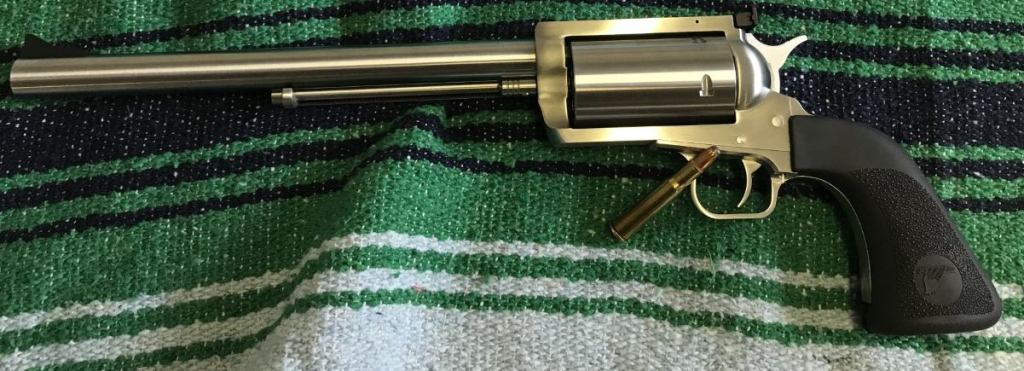
Taken together, these firearms show how gun design rarely moves in a straight line. Revolvers industrialized repeat fire, bolt guns perfected controlled feeding, service pistols evolved from steel classics to polymer workhorses, and rifles split into different schools of ruggedness, modularity, and portability. What keeps these models relevant is not nostalgia alone. Each one introduced a solution that later designs kept repeating, refining, or reacting against and that is usually how engineering legends are made.


