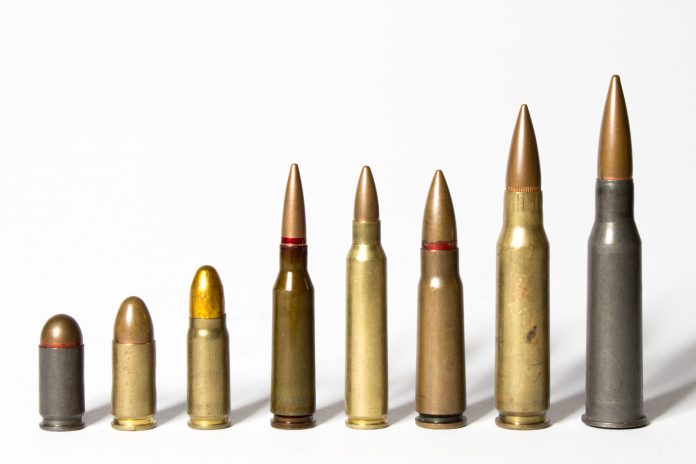
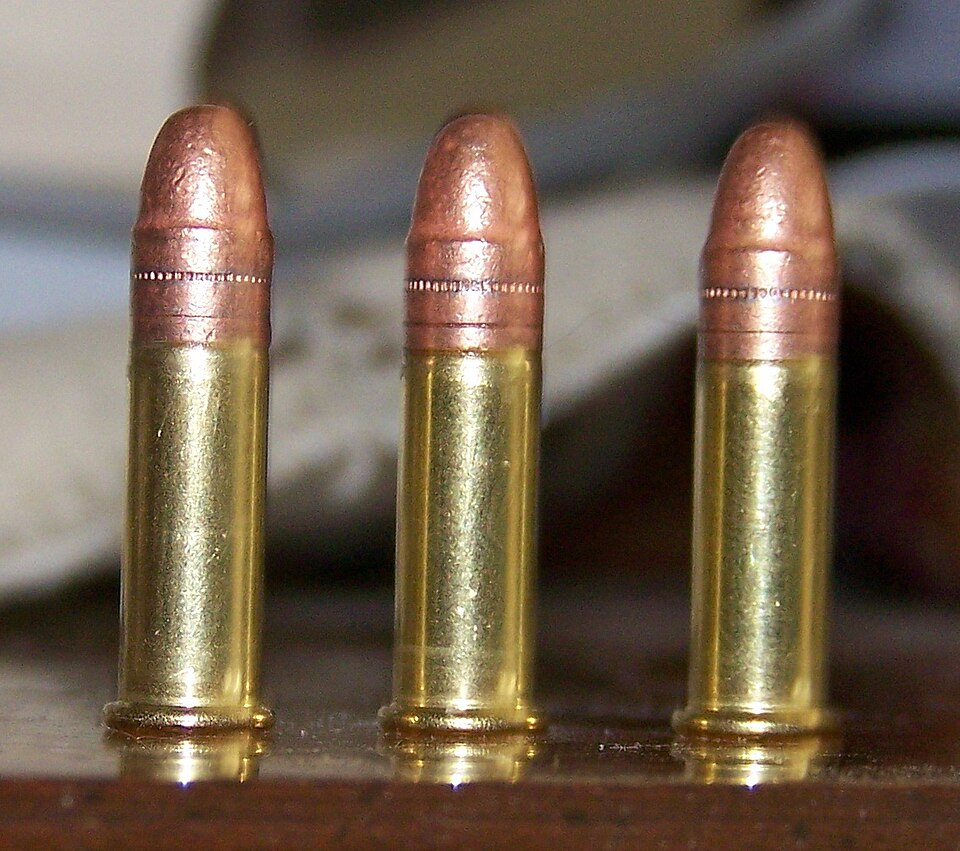
Proven long-range cartridges earn their reputations for a reason. They can carry velocity, resist drift better than lighter or slower options, and stay consistent far beyond ordinary hunting or range distances. That still does not guarantee hits. Once distance stretches, misses usually come from setup, input, or shooter error rather than the cartridge stamped on the barrel, which is why a rifle that prints tiny groups at 100 yards can start looking unpredictable at 600 and beyond.

1. Wind is rarely what it looks like from the firing point
Wind remains the biggest spoiler in long-range shooting because the bullet travels through conditions the shooter cannot fully feel. A breeze at the bench may be mild while the air across a canyon, ridgeline, or open cut is moving much harder. As terrain changes the wind, eddies, updrafts, and protected pockets can create a path that is nothing like the condition at the muzzle.
The common mistake is treating wind as one constant value from rifle to target. It is not. A strong cartridge can reduce drift, but it cannot erase a bad wind call, especially when bullets are exposed to the most influential conditions early in flight.
2. Shooters often misread wind angle, not just wind speed
Many misses blamed on caliber are really math errors in disguise. Full-value crosswinds are easy to understand, but field winds often arrive at angles that tempt shooters into crude guesses. The correction can be badly wrong when a quartering wind gets treated like either no wind or half wind.
One of the most useful reminders is that a 45° wind actually has a value of 70.7% of a full crosswind, often rounded to three-quarter value. That is a big difference from the instinctive assumption that 45 degrees means half effect. At distance, that error is enough to push a solid shot completely off target.
3. Zero can drift without looking obviously wrong
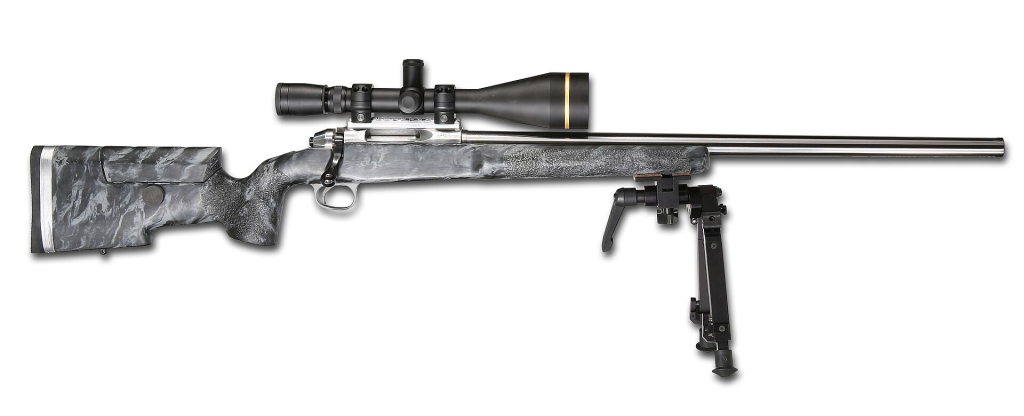
A rifle may be mechanically sound and chambered in an excellent cartridge, yet still miss because the zero is no longer where the shooter thinks it is. Optics get bumped, action screws loosen, ammunition lots change, and the old zero confirmation from a prior session stops being relevant. Long-range shooting magnifies every small error. A minor shift that looks harmless at 100 yards becomes a large vertical or lateral miss farther out. That is why experienced shooters re-confirm zero instead of assuming last month’s settings still apply.
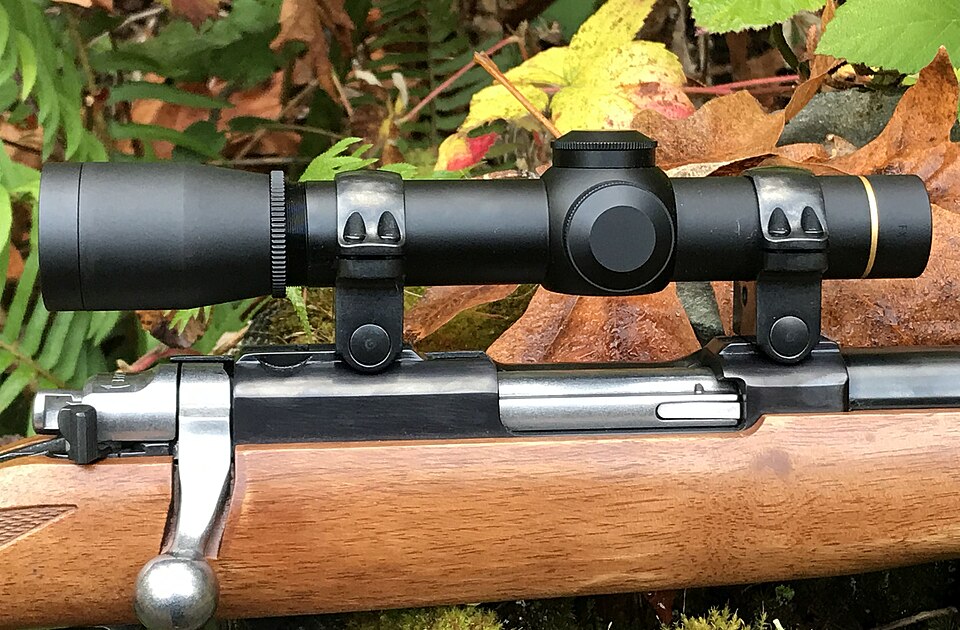
4. Scope mounting and tracking issues can mimic bad ballistics
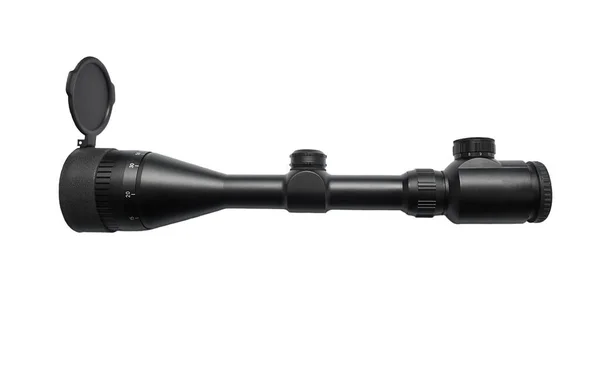
When impacts start wandering, the cartridge often gets blamed first. In practice, optics and mounting hardware are frequent culprits. Loose ring screws, base screws, or inconsistent turret tracking can produce misses that feel random even when the shooter is making good calls. Published guidance on rifle troubleshooting notes that proper screw torque and repeatable tracking matter as much as barrel quality. If a dialed correction does not move the reticle exactly as intended, even a famously capable long-range round will look unreliable.
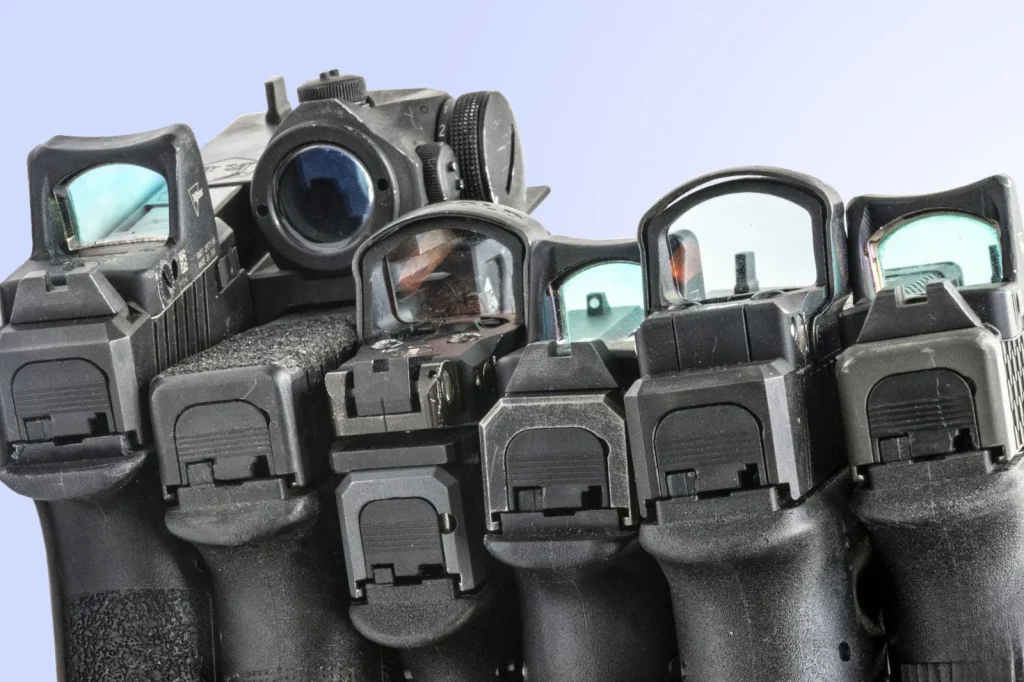
5. Parallax creates aiming error that grows with distance
Parallax is one of the easiest problems to underestimate because it can be nearly invisible at shorter ranges. At longer distances, reticle movement against the target can introduce several inches of apparent error if the eye is not centered behind the scope. That is why shooters are taught to adjust until the reticle stops moving when head position shifts slightly. Dial markings on a side-focus knob are only references. If parallax is left unresolved, a shooter can fire a clean shot with a good rifle and still miss because the aiming point was never truly stable.
6. Trigger control breaks down under recoil and pressure
Long-range shooting punishes tiny disturbances at the shot. A jerked trigger, a slapped trigger, or a subtle anticipation of recoil can move the muzzle just enough to ruin an otherwise correct solution. What seems like a small error at close range becomes a complete miss at distance. That effect is closely related to flinch. The shooter may not notice it, but the rifle can dip or shift in the last instant before the bullet exits. Proven calibers still recoil, and the body still reacts to blast and expectation.
7. Stable position matters more than raw rifle capability
A cartridge can only launch the bullet. It cannot hold the rifle still. Wobble from muscle tension, poor rear support, or a rushed body position is often mistaken for a problem with ammunition or ballistic data. Bone-supported positions and a natural point of aim keep the reticle from wandering. Without that foundation, misses appear inconsistent because the shooter is introducing a new aiming error on every shot. Precision at long range begins with the platform, not just the chambering.
8. Real ballistic data beats catalog numbers
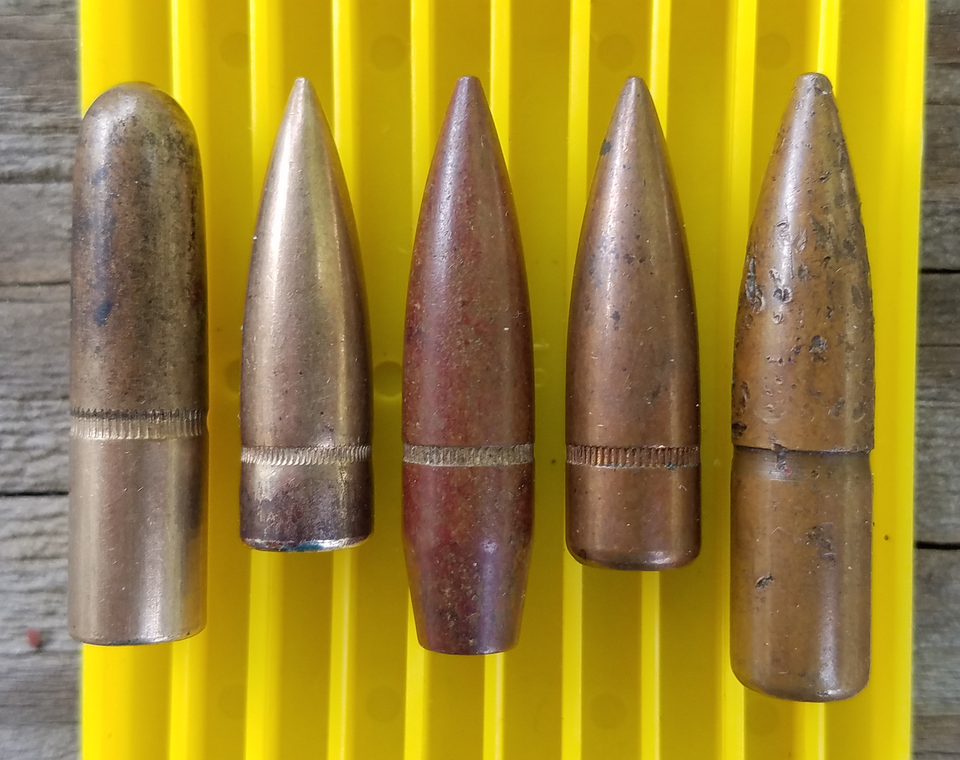
Many long-range misses start before the trigger press, when the calculator is filled with idealized numbers. Factory ballistic coefficients, old muzzle velocity readings, and weather data from somewhere else can all produce a firing solution that looks precise but is still wrong. Good shooters measure actual velocity, verify drop on steel or paper, and refine their data to match real impacts. A small velocity error can become significant vertical miss at extended range, especially once atmospherics shift from one day to the next.
9. Barrel condition and muzzle details change results fast
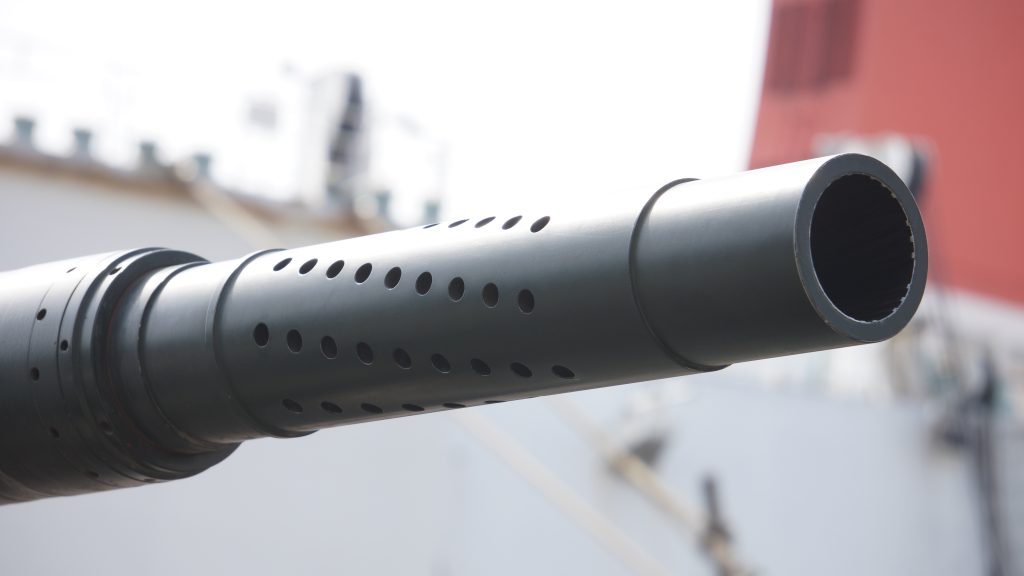
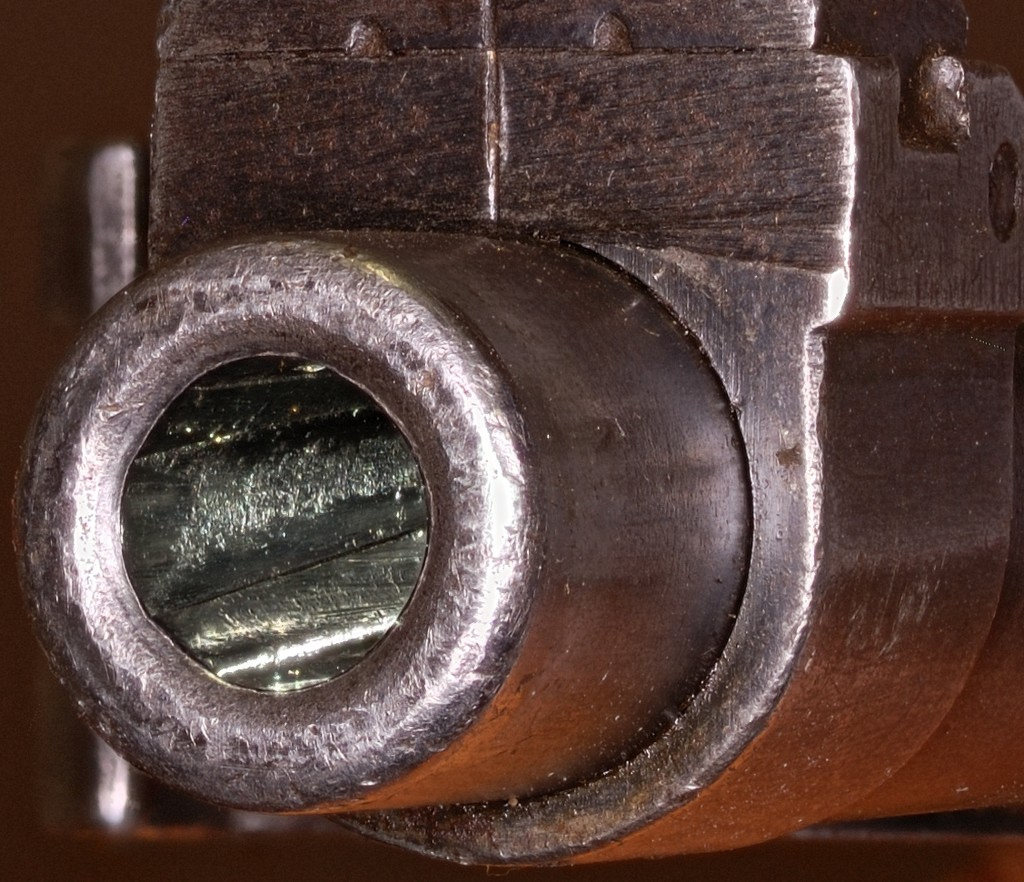
Accuracy problems are not always dramatic mechanical failures. Copper fouling, crown wear, carbon buildup in a muzzle device, or slight contact inside a brake can all open groups and create baffling flyers. That kind of degradation often gets blamed on a cartridge “not performing” when the real issue is at the bore or muzzle. Experienced rifle diagnostics regularly start with cleaning, crown inspection, and checking anything attached to the muzzle. A strong caliber cannot overcome an exit path that disrupts the bullet as it leaves the barrel.
10. Long range punishes stacked small errors
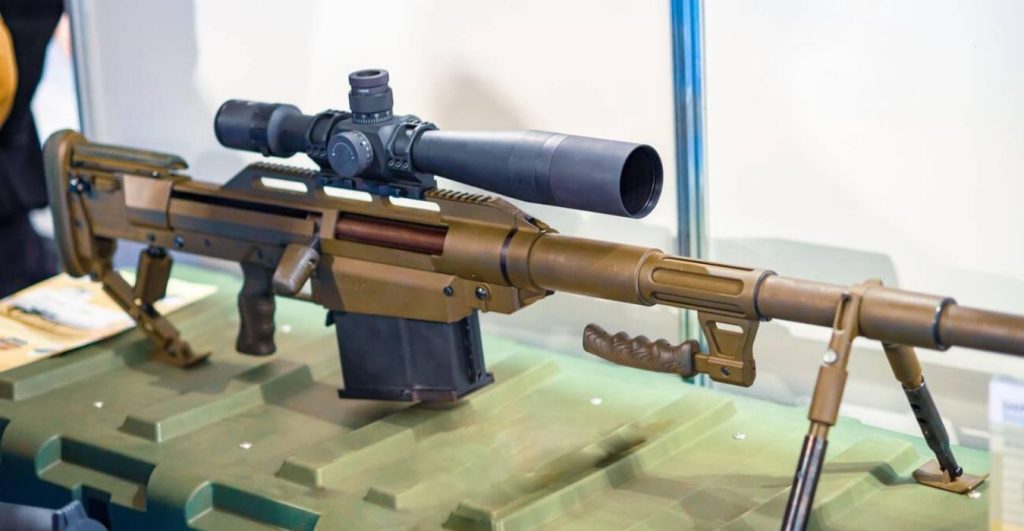
The hardest lesson in long-range shooting is that misses are often cumulative. A wind estimate that is a little off, a zero that has shifted slightly, mild parallax, a rushed trigger press, and imperfect ballistic data can pile onto one shot. None of those mistakes needs to be huge to produce a clean miss. That is why proven cartridges still miss in the hands of capable shooters. Long-range performance is a system, and the cartridge is only one part of it.
The most reliable explanation for long-range misses is not that the caliber failed. It is that distance exposed errors the cartridge could not hide. Better wind reading, cleaner data, solid rifle setup, and consistent fundamentals usually matter more than switching to another respected chambering. Well-known long-range calibers reduce some problems, especially drift and drop. They do not eliminate the human and mechanical details that decide whether a distant shot lands exactly where it should.


