
A good 9mm pistol can still become an unreliable machine when one weak link disrupts the loading cycle. In a recoil-operated handgun, the slide, magazine, cartridge, chamber, extractor, ejector, and recoil spring all have to stay in sync. Under stress, that chain is less forgiving. The most stubborn reliability problems usually do not begin with the barrel or the trigger. They start with small mechanical mismatches, neglected parts, or shooter-induced disruptions that only show themselves when speed increases and tolerance for error disappears.
1. Magazine Feed Lips That Are Slightly Out of Spec
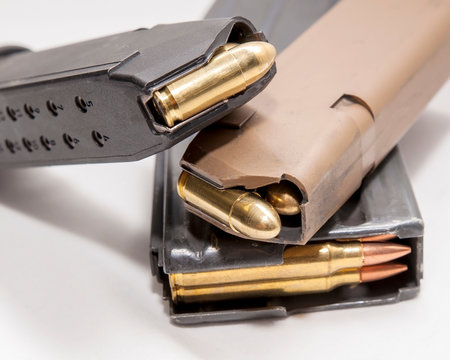
The magazine controls the first critical handoff in the cycle: cartridge presentation. As the magazine presents the cartridge, the top round has to sit at the correct height and angle for the slide to strip and chamber it cleanly. If feed lips are bent, worn, chipped, or spread, the round can sit too high, too low, or nose off course. This is why otherwise solid pistols can suddenly start producing failures to feed or double feeds with one specific magazine. Hard drops, repeated use, and impact on loaded magazines accelerate the problem. Feed lips on steel or aluminum magazines can deform; polymer lips can crack instead of bending.

2. Dirty Magazine Internals That Slow the Follower
Magazine problems are not always visible from the outside. Sand, lint, carbon, and unburned residue can drag on the follower or spring, changing how quickly the next round rises. That delay matters when the slide is moving fast. One of the more useful takeaways from long-term magazine use is simple: clean magazines matter almost as much as clean pistols. The reference material notes that wiping out bodies, springs, followers, and floorplates often restores proper movement, while wet lubricants inside magazines tend to attract debris and create new problems instead of solving old ones.
3. Springs That Have Lost Their Timing
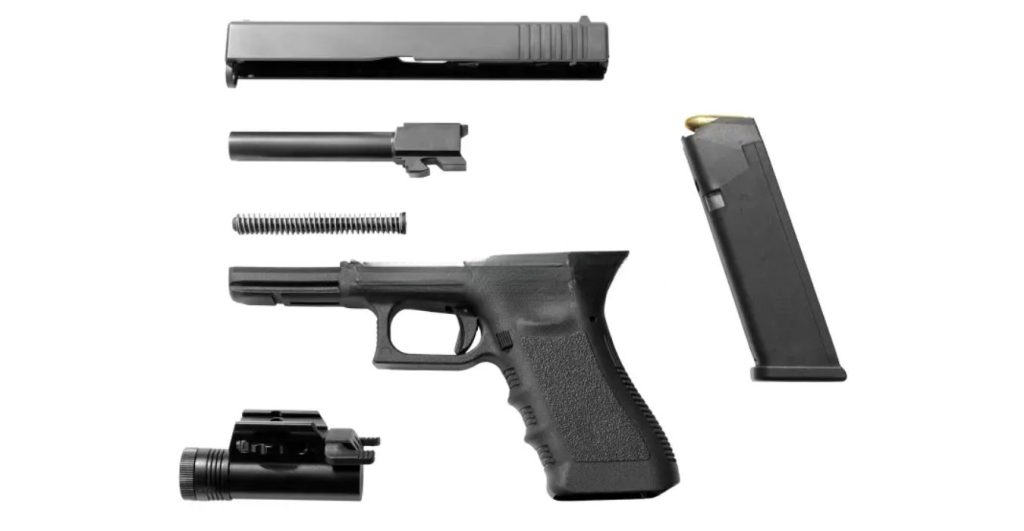
Reliability often looks like a feeding issue when it is actually a timing issue. A weak magazine spring may not lift rounds fast enough. A tired recoil spring may let the slide outrun the magazine or fail to return fully to battery. Extractor and ejector springs can also lose tension over time, turning one malfunction into a repeating pattern. Reference guidance tied recurring extraction issues to compromised extractor or ejector springs and noted recoil springs often show their age somewhere between 5,000 and 15,000 rounds. In practical terms, the pistol may still fire and eject, but the next round arrives late or the slide stops short of full lockup.
4. Improper Magazine Seating During Fast Handling
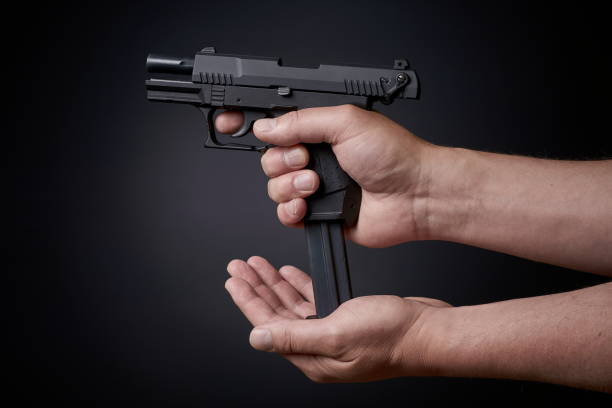
A partially seated magazine can mimic a far more serious mechanical fault. Under stress reloads, a magazine that feels inserted but does not fully lock can drop slightly in the well. That changes cartridge position just enough to produce a failure to feed. The standard immediate-action drill exists for a reason. The commonly taught Tap, Rack, Ready response starts by correcting magazine seating before moving the slide, because poor seating remains one of the fastest ways to interrupt an otherwise healthy pistol.

5. Grip-Induced Cycling Problems
Not every reliability failure belongs to the gun. Semi-automatic pistols need resistance from the shooter to let the slide complete its rearward and forward travel correctly. A weak or unstable grip can absorb energy that the action needs. This is why stovepipes and failures to extract often show up when technique breaks down. According to limp-wristing descriptions in the source material, the frame moves with the slide rather than staying stable against recoil, reducing the system energy available for extraction and ejection.
6. Ammunition Shape That Exposes Feed Ramp Limits
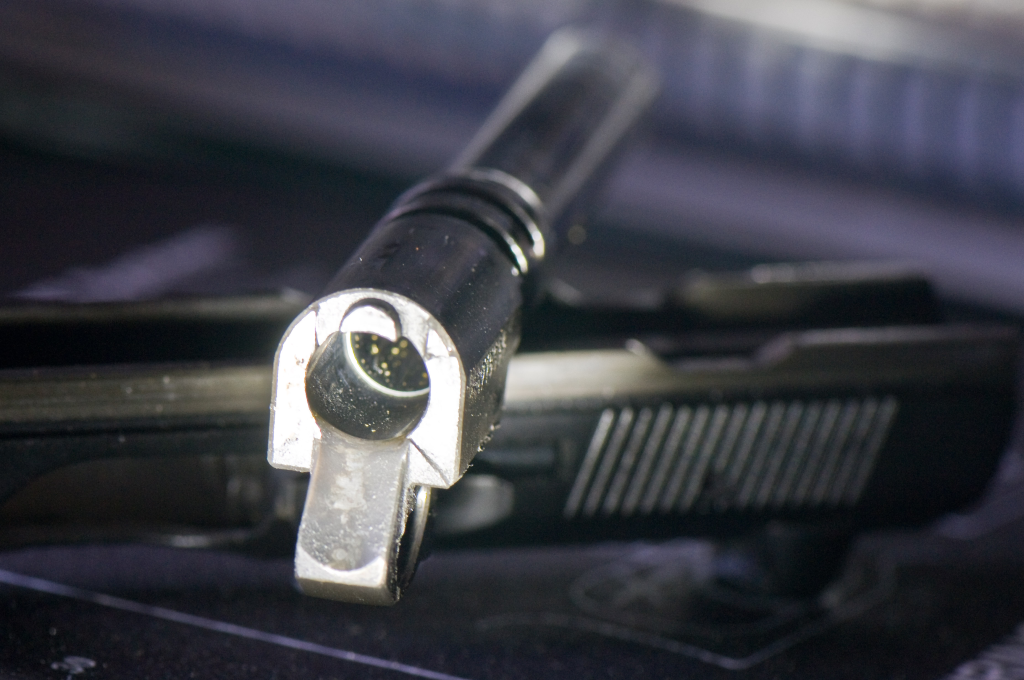
Many 9mm pistols will run across a broad diet, but bullet shape still matters. Round-nose full metal jacket loads are generally the most forgiving because they glide up the feed path with fewer abrupt edges. Hollow points and flat-point bullets ask more from feed-ramp geometry, chamber throat shape, and magazine presentation. The source material on the autoloading cycle explains that feed ramps must stay smooth and correctly shaped because they guide the bullet into the chamber. A pistol that runs perfectly on one profile but stumbles on another is often revealing a narrow reliability window rather than a random defect.
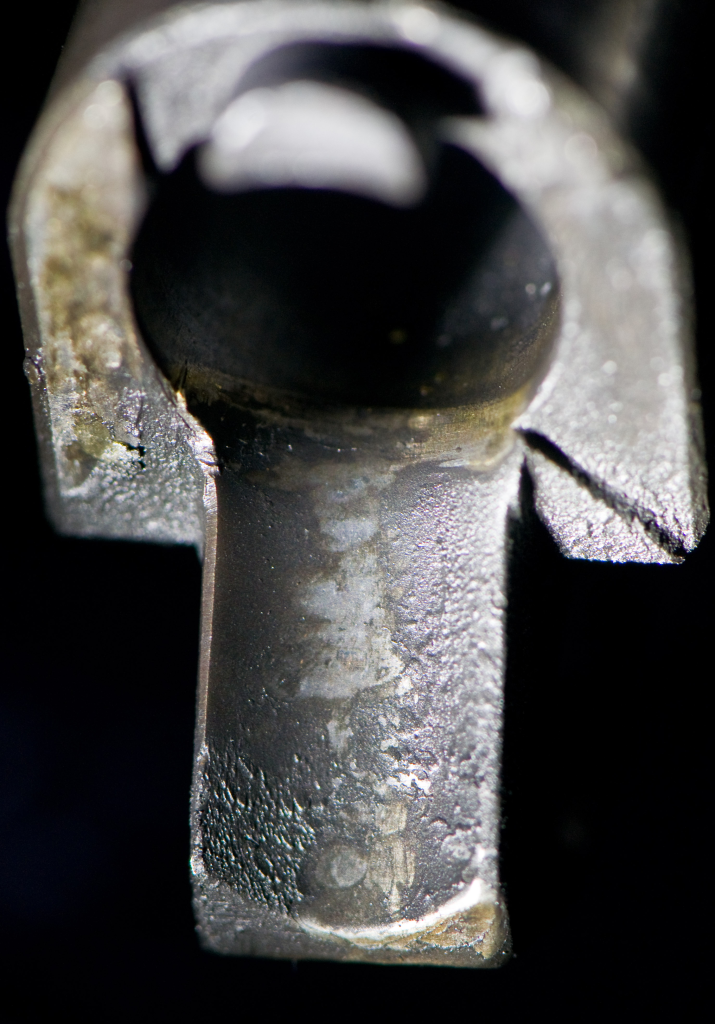
7. Fouling in the Chamber, Breech, or Feed Ramp
A pistol can tolerate a surprising amount of dirt, but not in the wrong places. Fouling around the chamber can interfere with extraction. Carbon and debris on the feed ramp can redirect a bullet nose off center. Heavy residue near the breech can make extractor engagement less certain. This trap is especially deceptive because the pistol may work fine for most of a session and then degrade quickly. In that sense, reliability is cumulative: each shot adds heat, fouling, and friction until the pistol finally reaches its limit.
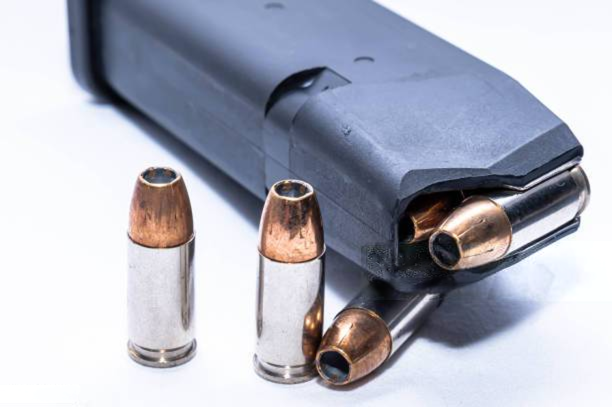
8. Ammunition Power That Falls Outside the Pistol’s Operating Envelope
Autoloading pistols are powered by the cartridge as much as by their springs. If ammunition is unusually weak, the slide may not travel far enough or fast enough to complete extraction and chambering. If it is unusually hot, slide velocity rises and can expose slow-feeding magazines or marginal spring strength. The loading-cycle reference notes that higher bolt/slide stroke velocities make the system more sensitive to tight magazines and feed inconsistencies. Reliability is not just about whether a round fires; it is about whether the entire cycle stays within the gun’s designed rhythm.
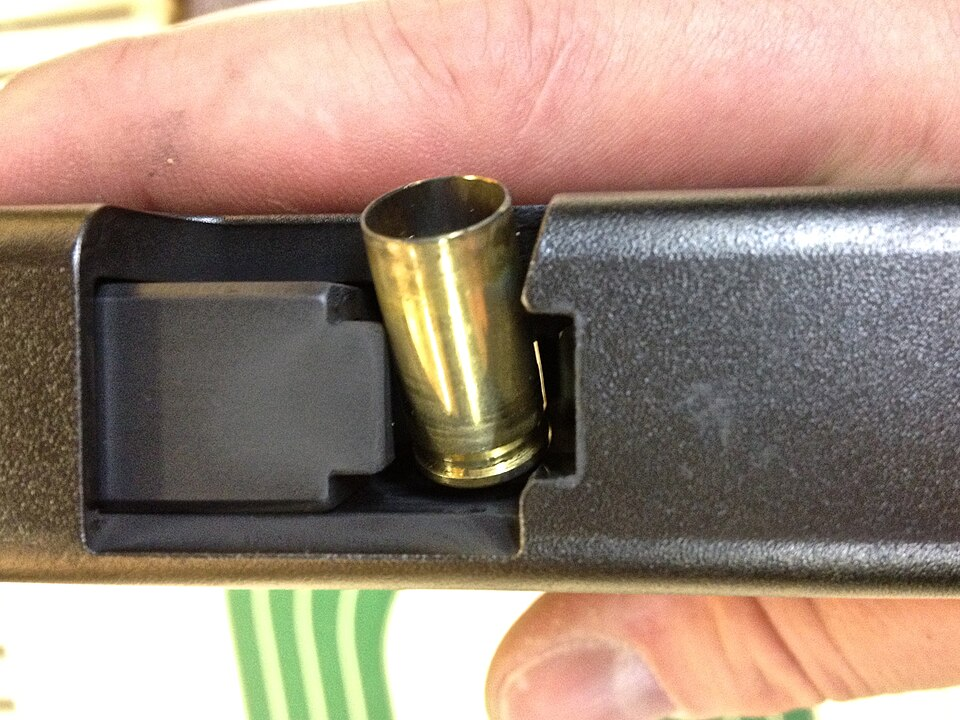
9. Ignoring Early Warning Signs
The most serious failures often announce themselves before they become dangerous. Weak recoil, abnormal sound, repeated light strikes, sluggish feeding, or a top round sitting at an odd angle are all mechanical clues. A squib load, in particular, turns a reliability lapse into a barrel obstruction problem that demands immediate attention. Good pistols rarely fail without warning. More often, small symptoms are dismissed until stress, speed, or round count turns them into stoppages.
Reliability in a 9mm pistol is less about hype than about tolerance stacking, maintenance discipline, and consistent ammunition-magazine interaction. The gun may be well designed, but the system only stays trustworthy when every supporting part still does its job. That is the trap. People tend to judge pistols by model reputation, while stoppages usually come from the quieter components that ride underneath it: the magazine, the springs, the feed path, and the way the gun is actually run.


