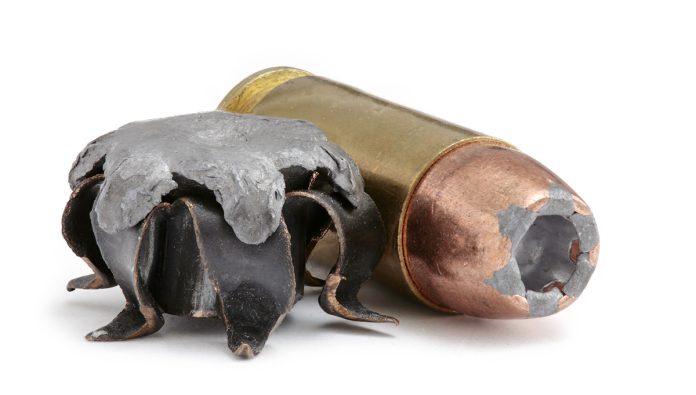
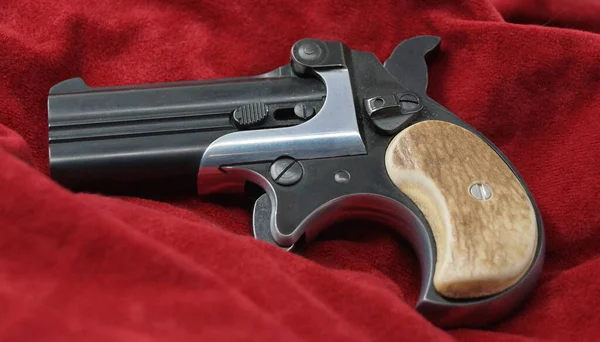
Tiny handguns create a large engineering problem. Ammunition that looks acceptable on a box flap or in a catalog often behaves very differently once it is fired through a barrel under three inches and then pushed through heavy clothing into ballistic gel. That gap is not mysterious. It is mostly a matter of velocity, bullet construction, and how little room pocket pistols give a cartridge to finish its work before the bullet even reaches the target. Data from short-barrel gel testing across multiple pocket calibers shows the same pattern repeatedly: expansion usually costs penetration, and the smaller the cartridge, the less energy margin exists to do both.
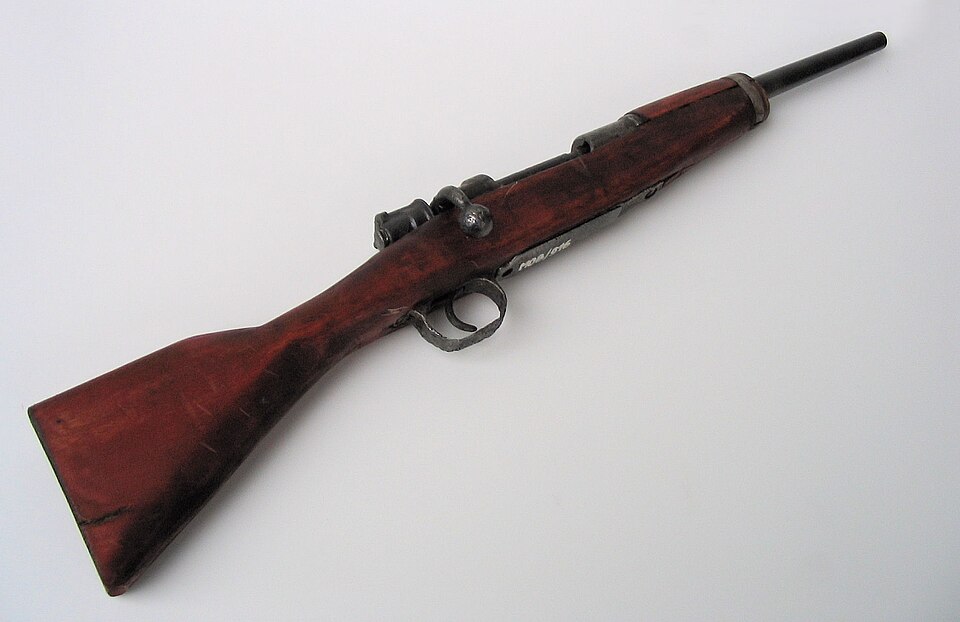
1. Short barrels reduce velocity at the exact point small bullets need it most
Pocket pistols cut down the distance in which powder gases can accelerate a bullet. That matters in every firearm, but it matters more in marginal handgun calibers because they start with less reserve velocity to begin with. Once speed drops, expansion thresholds become harder to reach and momentum available for straight-line penetration also shrinks. The contrast is visible in .22 LR testing, where a 4.4-inch barrel produced an average 126 fps increase over a 1.9-inch snub. In .32 ACP, a jump from a 2.7-inch barrel to 3.8 inches added about 129 fps. Those are not trivial changes when the bullet is already operating near the edge of useful terminal performance.
2. FBI-style penetration standards are hard to meet when energy is limited
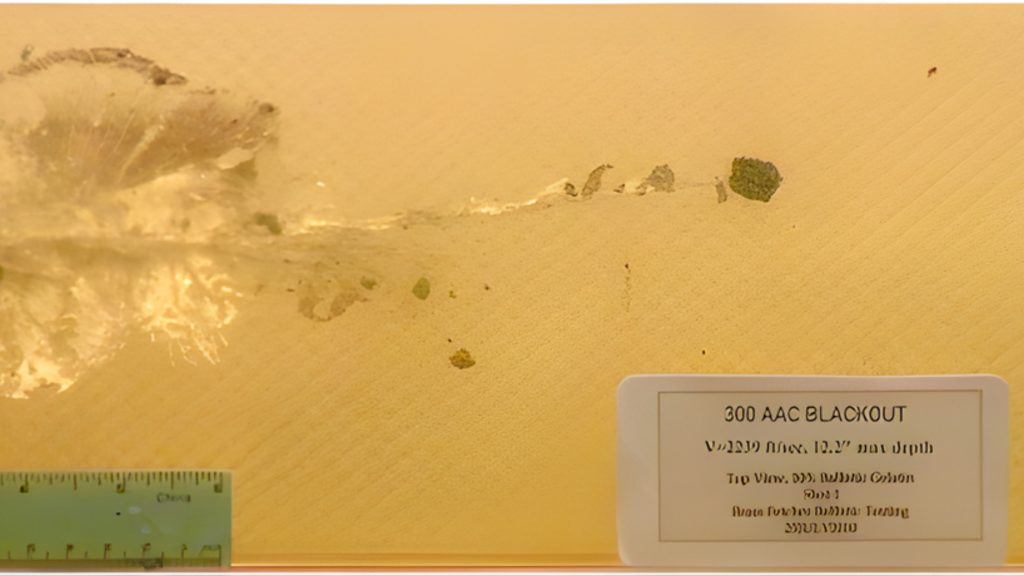
The commonly discussed benchmark is the FBI’s 12- to 18-inch penetration window in ballistic gel. That standard is not about dramatic expansion. It is about reaching vital structures after clothing and other intermediate barriers disrupt the bullet’s path. Small calibers struggle because they do not have much excess performance to spend. If a bullet opens early, slows abruptly, or yaws off course, it often runs out of penetration before reaching that window. In larger service calibers there is usually enough velocity and sectional density to tolerate some inefficiency. Pocket cartridges rarely have that luxury.
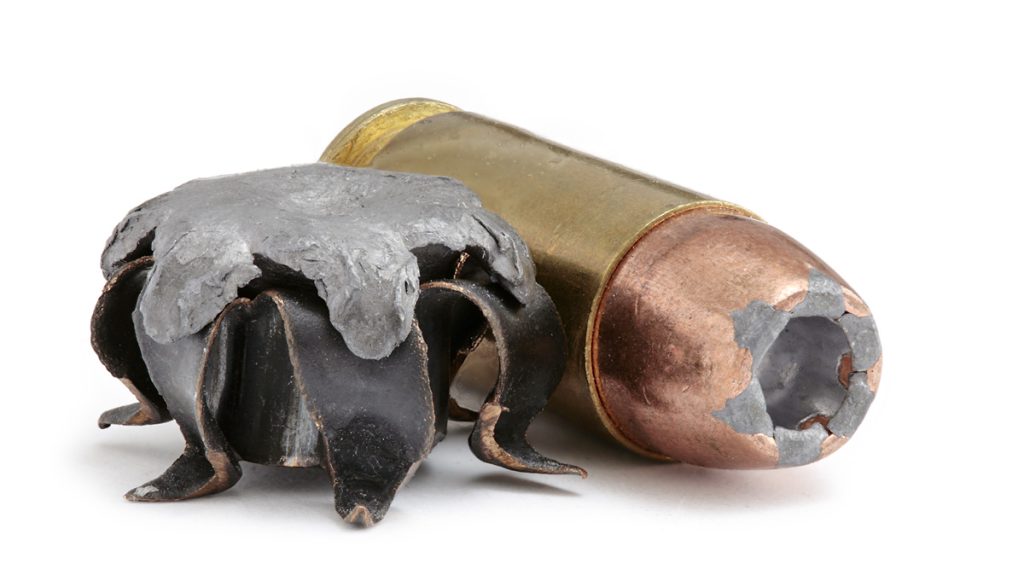
3. Expansion and penetration are competing demands in pocket calibers
This is the central tradeoff. A bullet that expands creates more drag, and drag bleeds velocity quickly in soft tissue simulant. That is useful only if enough momentum remains afterward. .22 Magnum illustrated the problem clearly in testing. Conventional loads that did not expand often penetrated adequately, while purpose-built short-barrel defensive loads showed decent expansion but gave up depth. The same pattern appeared again and again in the smaller semi-auto chamberings: when expansion occurred, penetration often became mediocre. When bullets stayed intact and narrow, they generally drove deeper.
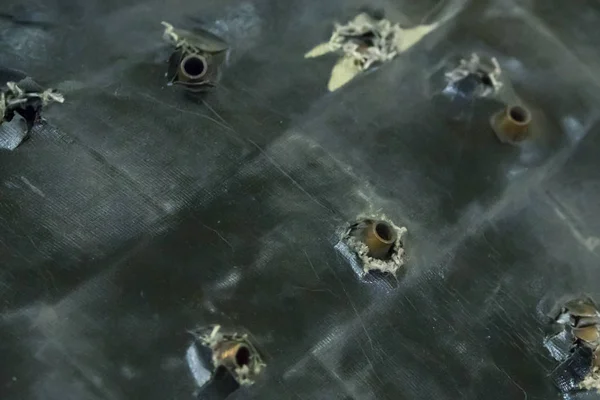
4. Heavy clothing can shut down fragile bullet designs
Pocket-gun ammunition is often tested through a four-layer heavy clothing barrier before entering gel. That layer does more than add realism. It can clog hollow points, delay or prevent expansion, or make expansion occur inconsistently from shot to shot. That inconsistency is especially punishing in low-powered rounds. A well-designed duty-caliber hollow point may still have enough velocity after plugging to continue through the target zone. A .25 ACP, .22 LR, or .32 ACP often does not. The clothing barrier effectively exposes how narrow the operating envelope really is.
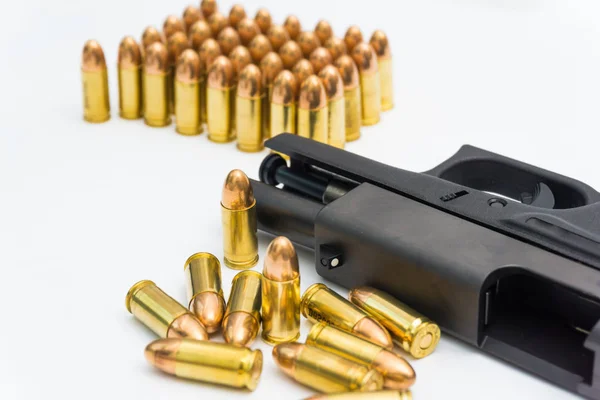
5. FMJ often looks better in gel because it avoids the expansion penalty
This is one of the less glamorous results of short-barrel testing: full metal jacket loads frequently penetrate more consistently than hollow points in small calibers. In .32 ACP, FMJ loads showed the strongest tendency to reach useful depth, while many jacketed hollow points had trouble penetrating even when they failed to expand properly. That does not mean FMJ is technologically superior. It means a non-expanding bullet preserves its frontal area and therefore loses speed more slowly. In tiny cartridges, that simple advantage can outweigh the theoretical benefits of expansion.
6. Barrel length changes can matter more in pocket guns than many shooters expect
General discussions of barrel shortening often treat velocity loss as modest, with rules of thumb ranging from about 10 to 40 fps per inch depending on load class. Pocket pistols are different because they operate at the extreme short end, where a missing inch may represent a huge percentage of total acceleration distance. In practical terms, an extra inch on a compact pistol is not merely a convenience. It can be the difference between a bullet expanding at all or acting like a solid, and between stopping short or reaching the lower edge of the FBI window. In very small cartridges, the platform is often as important as the ammunition.
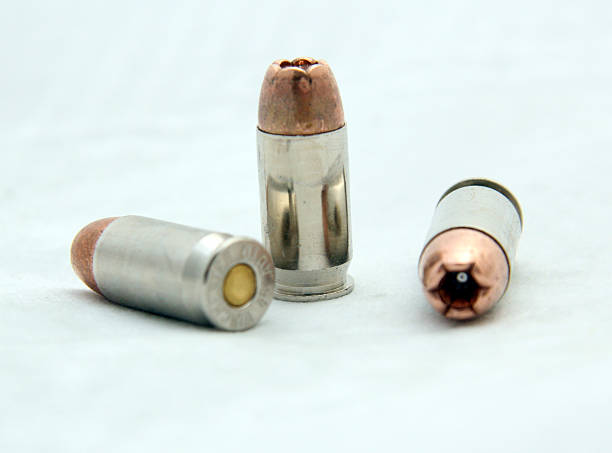
7. Some “hollow points” are not optimized for terminal expansion in the first place
Bullet nose shape can mislead. A cavity in the tip does not automatically mean the projectile is engineered to mushroom in tissue. As seen in discussions of open-tip and non-expanding hollow-point bullet designs, some hollow-point profiles exist for manufacturing consistency or accuracy rather than terminal effect. That distinction matters in pocket pistols because there is no energy to waste on assumptions. A bullet that only resembles a defensive hollow point may deliver neither reliable expansion nor ideal penetration from a very short barrel.
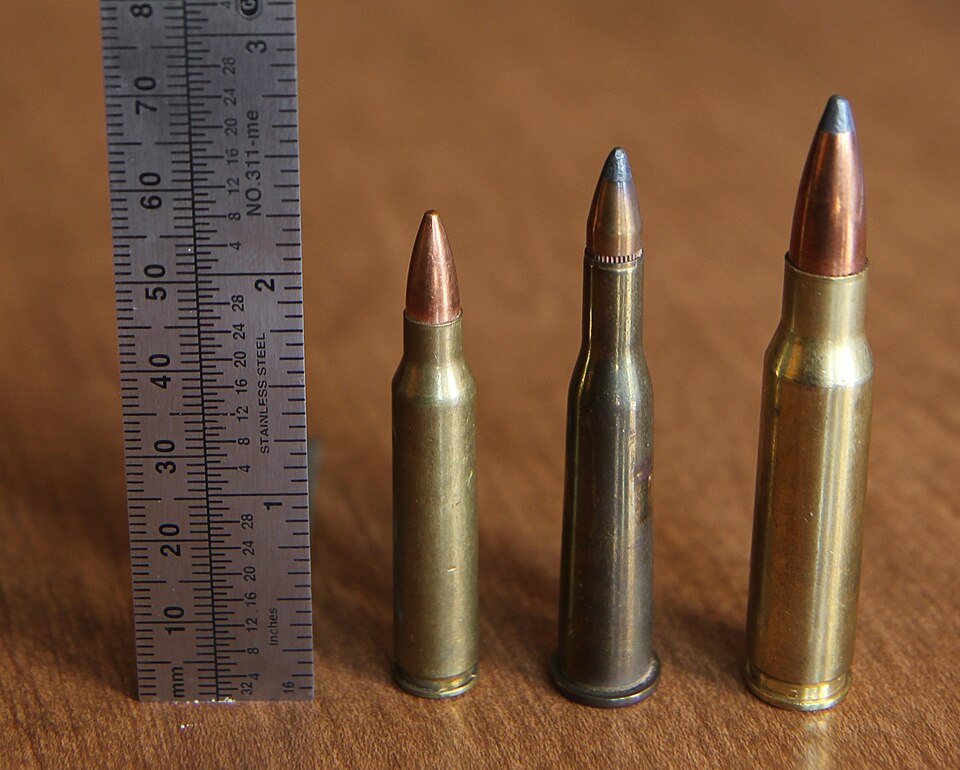
8. The rare exceptions prove how much performance margin matters
Not every small-bore result was poor. The standout in the test set was .327 Federal Magnum, where the Speer Gold Dot produced consistent penetration and expansion from both short and longer barrels. The reason is straightforward: it begins with far more velocity and energy than classic pocket calibers, giving the bullet enough working margin to expand and still keep going. That is the lesson hidden inside the disappointing results from smaller cartridges. Physics is not punishing them unfairly; it is simply enforcing the budget. When the cartridge starts with too little velocity, every design demand comes out of the same limited account.
Pocket pistols remain mechanically useful because they are easy to carry, easy to conceal, and often the handgun that is actually present when needed. Their ballistic limitations are separate from those advantages. The gel data makes the engineering reality hard to ignore. In the smallest handguns, there is usually not enough surplus performance to guarantee both expansion and FBI-grade penetration. Short barrels, low bullet mass, and clothing barriers do not create a mystery. They create a math problem, and the bullet has to solve it in a few inches.


