
A firearm does not usually earn regret in a single dramatic moment. More often, confidence erodes a little at a time through rough triggers, feeding issues, awkward handling, or a design that never quite delivers what the catalog promised.
This group stands out because each model offered an appealing idea at the start: low weight, compact carry, retro styling, unusual caliber flexibility, or budget-friendly entry into a popular platform. On the range and over longer ownership, those selling points often ran straight into the harder realities of reliability, control, and durability.
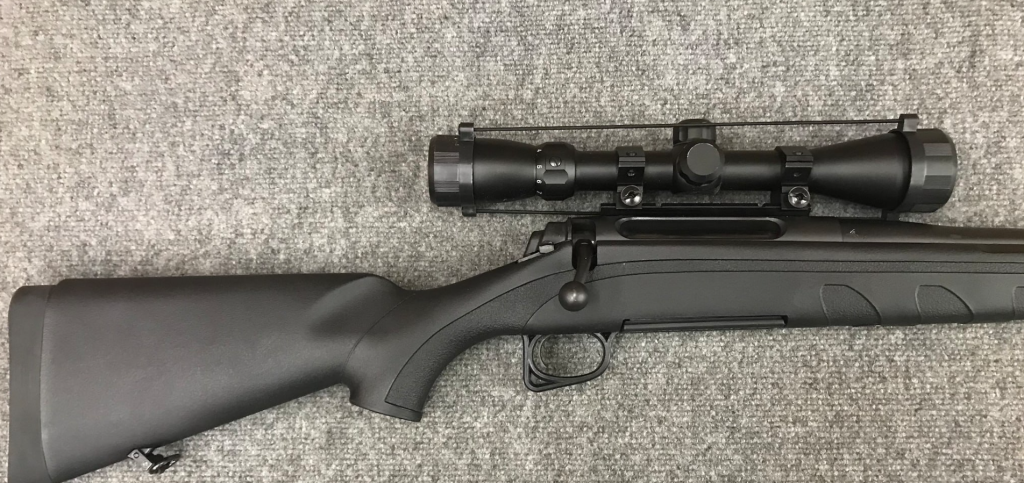
1. Remington 770
The Remington 770 appealed to hunters who wanted a low-cost bolt gun, but the complaints were not cosmetic. Owners and reviewers repeatedly pointed to a gritty, binding bolt and a magazine system that could feel far less secure than expected. Reports of the magazine assembly coming loose during firing did lasting damage to the rifle’s reputation.
The bigger problem was confidence. A hunting rifle can live with plain styling, but it cannot afford doubts about chambering, feeding, or basic consistency. With a flexible stock and a barrel setup that did little to help precision, the 770 became an example of how a budget rifle can miss the mark when too many compromises stack up at once.
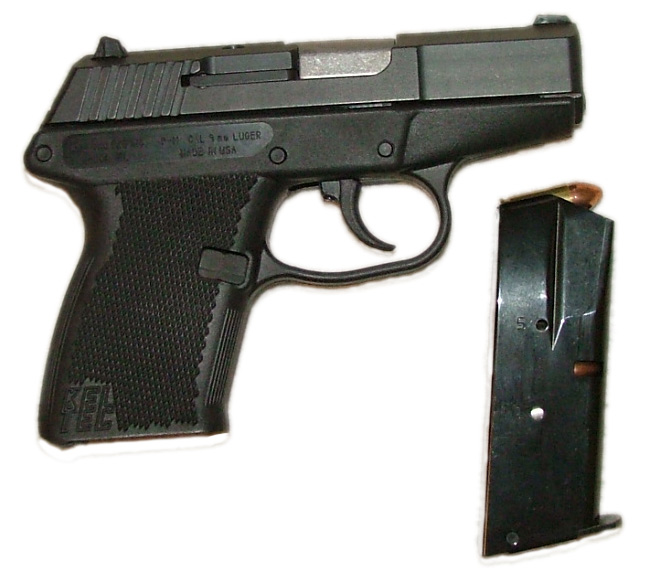
2. KelTec P11
The KelTec P11 had a simple pitch: compact size, easy concealment, and 9mm chambering. In practice, the pistol asked shooters to manage a long, heavy trigger pull in a very small frame, and that combination made accurate shooting harder than many expected.
Small pistols already demand more from the shooter. Training guidance on subcompact handguns consistently stresses that grip strength and careful trigger work matter more as the gun shrinks. The P11’s appeal as a carry gun was real, but its recoil, grip shape, and trigger feel often turned a practical idea into a pistol owners stopped enjoying and, in some cases, stopped trusting.
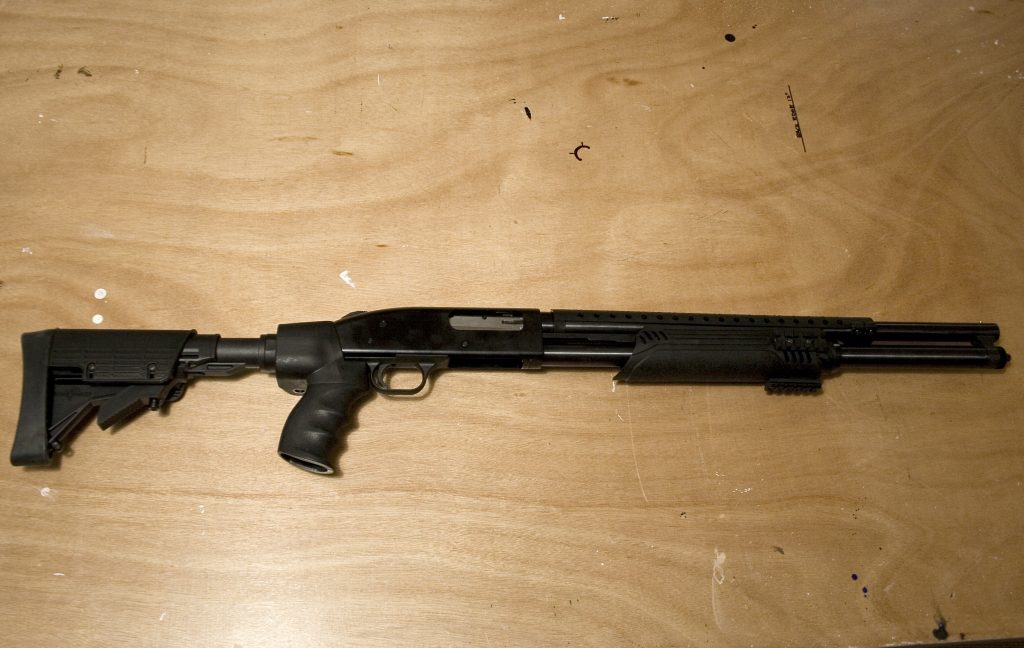
3. Mossberg Blaze
At only 3.5 pounds, the Mossberg Blaze looked like an easy plinker to live with. Lightweight rimfires can be excellent training tools, but the Blaze drew criticism for feeling overly dependent on polymer in places where owners expected a more solid impression.
Some examples ran acceptably with bulk ammunition, while others developed feeding complaints and earned little praise for the trigger. A .22 rifle does not need match-grade performance to be worthwhile, yet shooters often expect high-volume reliability and a platform that can last. That is where the Blaze struggled to keep pace with stronger-established rimfire designs.
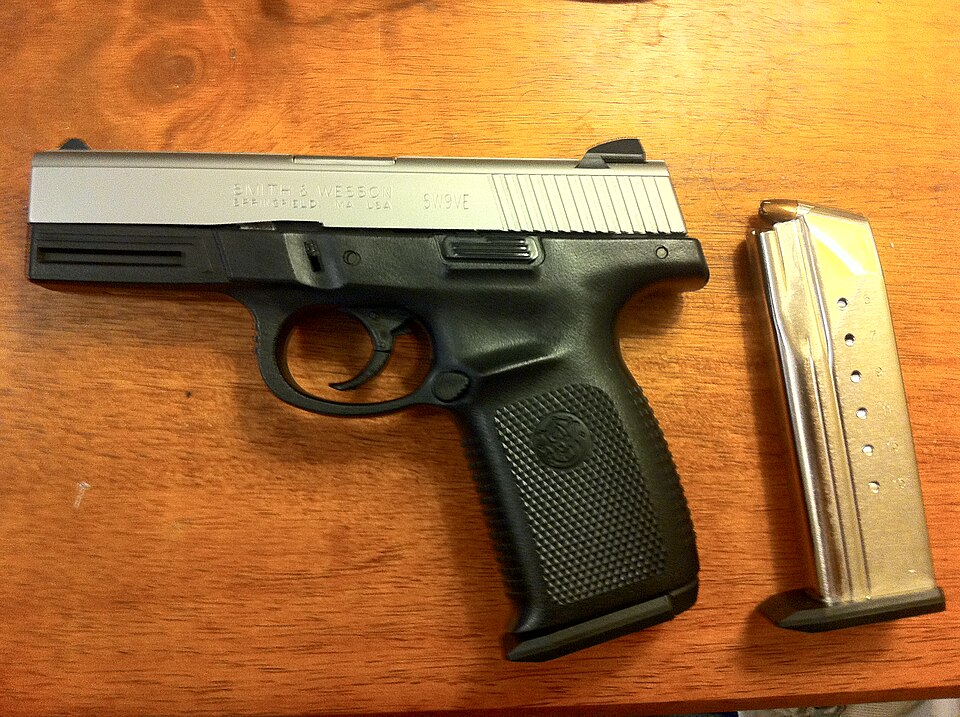
4. Smith & Wesson Sigma 9VE
The Sigma 9VE looked like a modern striker-fired service pistol, but the shooting experience often centered on one issue: the trigger. Owners frequently described it as heavy and gritty, with a reset that did little to help quick, controlled follow-up shots.
That matters because a service-style pistol is judged not only by reliability, but by how easily it allows repeatable hits. The Sigma’s general layout made sense, yet the trigger system became such a dominant part of the experience that many shooters never warmed to it, even when the pistol otherwise seemed functional.
5. Rossi Circuit Judge
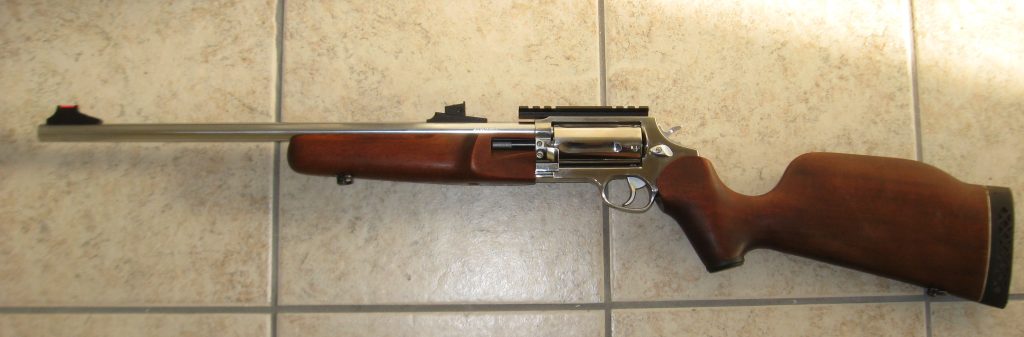
The Circuit Judge sold a novel concept by combining a revolving rifle format with .45 Colt and .410 shotshell capability. The trouble was that the novelty remained the strongest part of the package.
Owners found the rifle clumsy to handle, and the cylinder gap blast raised concerns for support-hand placement. Shotshell performance did not always justify the concept, while bullet accuracy was often described as merely adequate. A firearm built around versatility still has to perform well enough in each role, and that was the gap this design never fully closed.
6. Century Arms C39v2
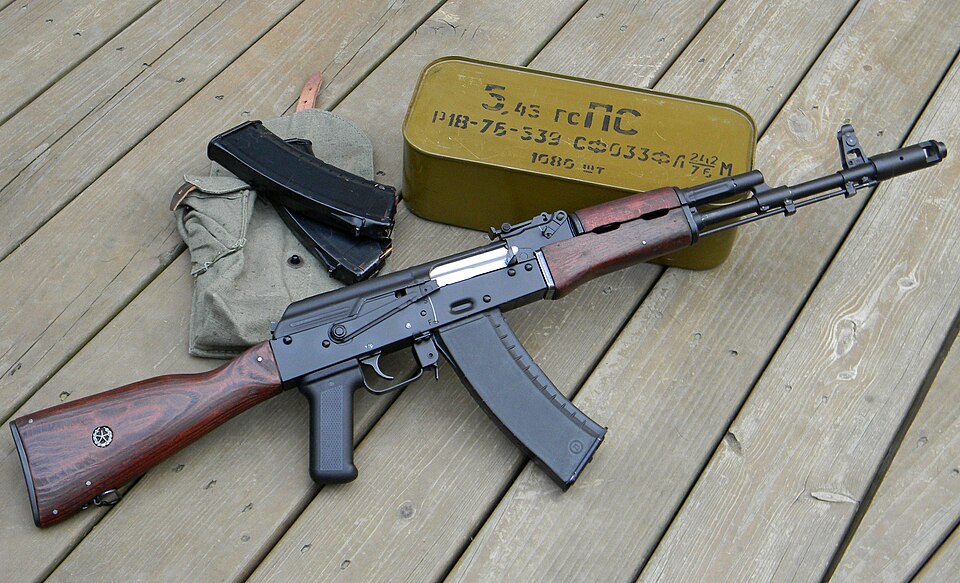
The C39v2 entered a crowded AK-pattern field with an appealing set of talking points, including a milled receiver and an American-made identity. Some examples showed respectable accuracy, and the rifle’s RAK-1 trigger earned positive comments for its break.
Even so, the ownership picture was mixed. Shooters reported front-heavy balance, inconsistent accuracy, and concern over premature wear in older examples. AK buyers tend to value long-term ruggedness above almost everything else, so any question about wear surfaces or durability can overshadow good first impressions very quickly.
7. Taurus PT145 Millennium Pro
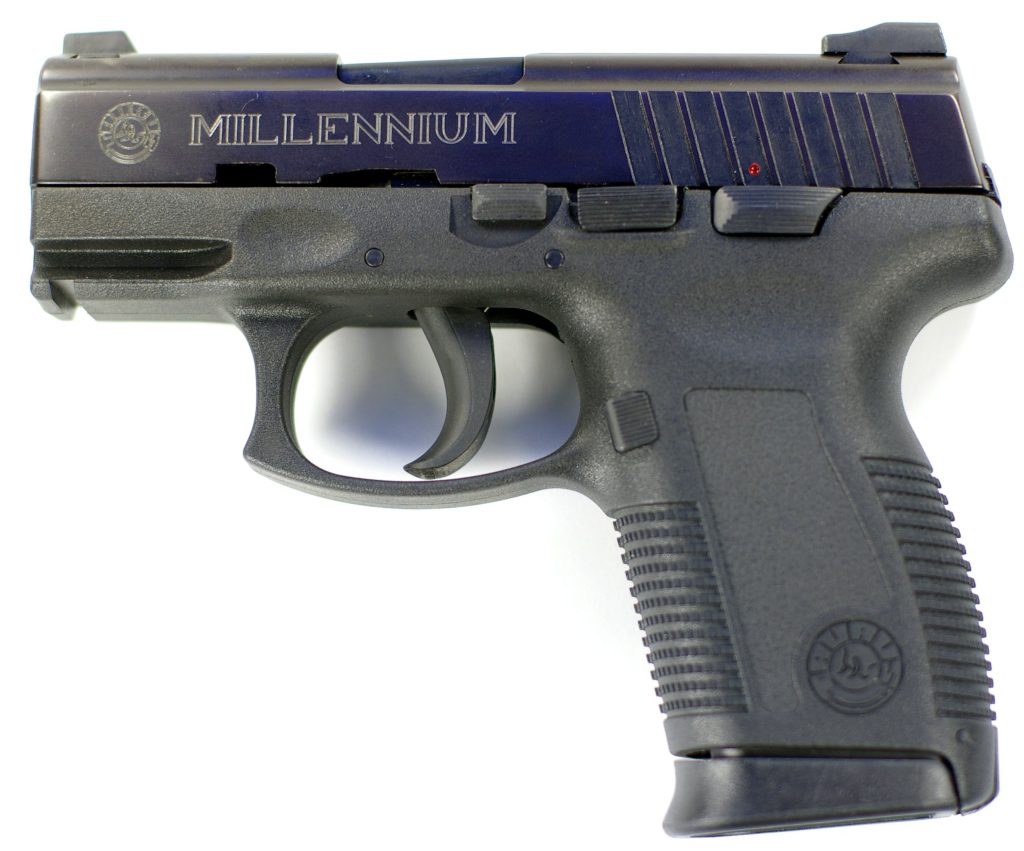
The PT145 Millennium Pro promised a lot in a compact envelope: .45 ACP power in a carry-size pistol. That formula can attract attention fast, but the tradeoffs also arrive fast. Owners frequently mentioned snappy recoil, a short grip, and a trigger reset that made the gun harder to run well.
Reliability complaints made the problem harder to overlook. When a compact defensive pistol also develops a reputation for failures to feed or inconsistent slide lock behavior, its core purpose starts to weaken. The PT145’s size-to-caliber ratio looked smart on paper, yet the shooting experience often felt like the bill coming due.
8. ATI Omni Hybrid AR
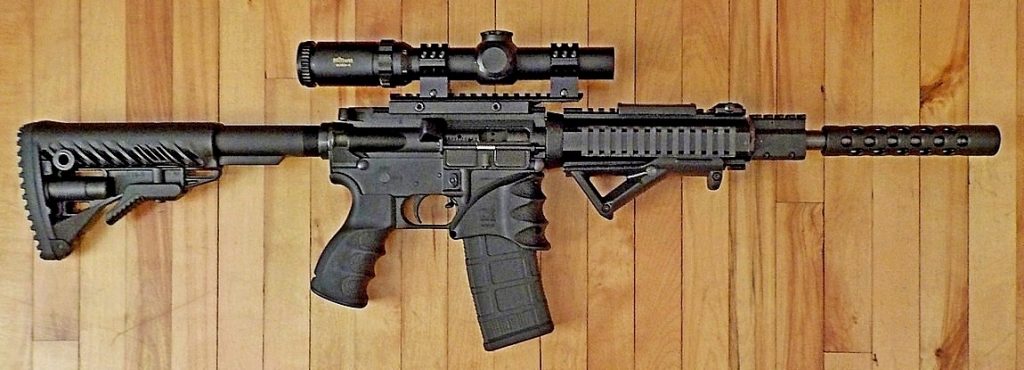
The ATI Omni Hybrid AR tried to cut weight through polymer upper and lower components. Saving ounces is attractive in any AR-style rifle, but owners expect the platform to stay rigid where it counts.
That expectation collided with reports of flex near the buffer tube, uneven accuracy, and a generally soft, insubstantial feel. Weight reduction only works when the rifle still feels structurally sound under use. On this model, many shooters came away feeling that the design had crossed the line from lightened to compromised.
9. Chiappa M1-22
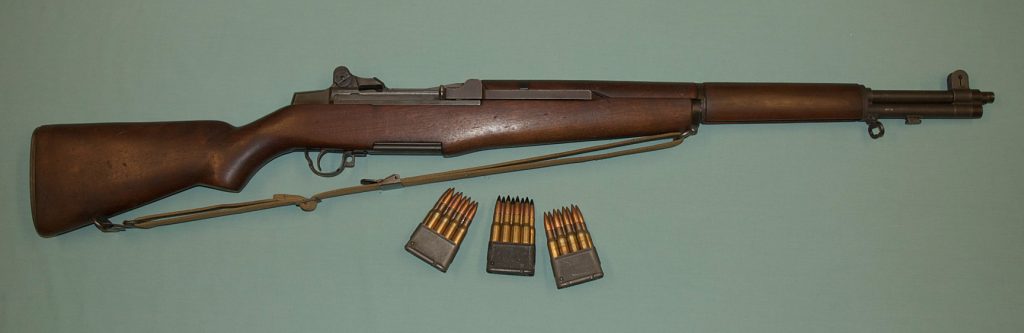
The Chiappa M1-22 had obvious charm. Its styling borrowed from the M1 Carbine, giving shooters a rimfire with classic lines and inexpensive shooting potential. For many buyers, that visual appeal was the hook.
The frustration came when looks were followed by repeated cycling and feeding issues. A rimfire trainer or plinker needs to run through magazines without drama, and the M1-22 too often developed the opposite reputation. Magazine-related weaknesses and sluggish function kept pulling attention back to the same conclusion: nostalgia alone could not carry the platform.
The common thread across all nine firearms is not outright disaster. It is the slower, more familiar kind of disappointment that comes when an interesting design asks owners to excuse too many flaws. Reliability, controllability, and durable construction remain the traits that outlast marketing angles. When those basics fall behind, even an eye-catching firearm can become one owners wish they had skipped.


