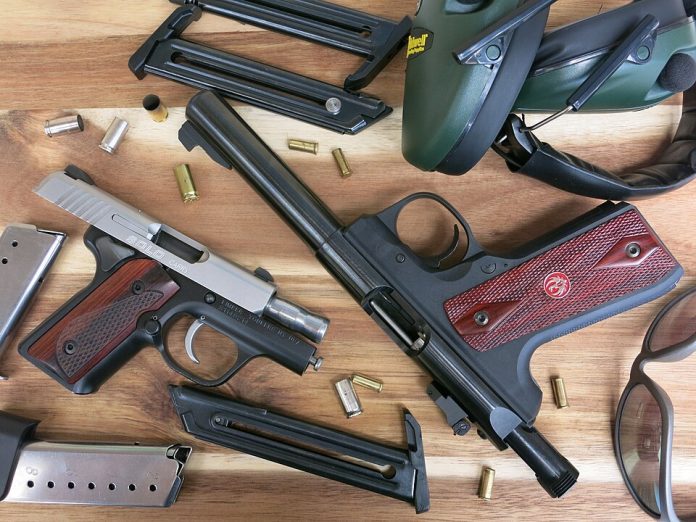
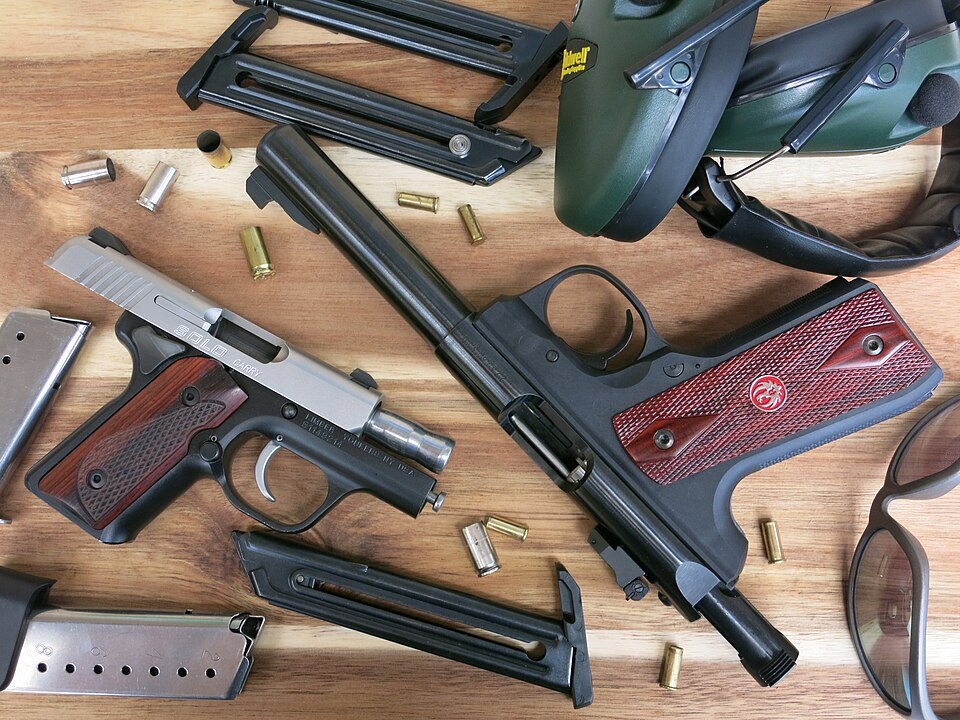
Some handguns build a strong reputation from looks, size, brand history, or a clever design brief. Range stress tends to be less forgiving. Once a pistol is pushed through mixed ammunition, repeated magazines, imperfect grip, and ordinary fouling, the difference between an interesting handgun and a dependable one becomes obvious.
That is where certain well-known models continue to stand out for the wrong reasons. In many cases, the problem is not a single dramatic flaw but a narrow operating window: weak tolerance for ammo variation, sensitivity to magazine issues, or a design that demands more from the shooter than a duty or carry pistol should.
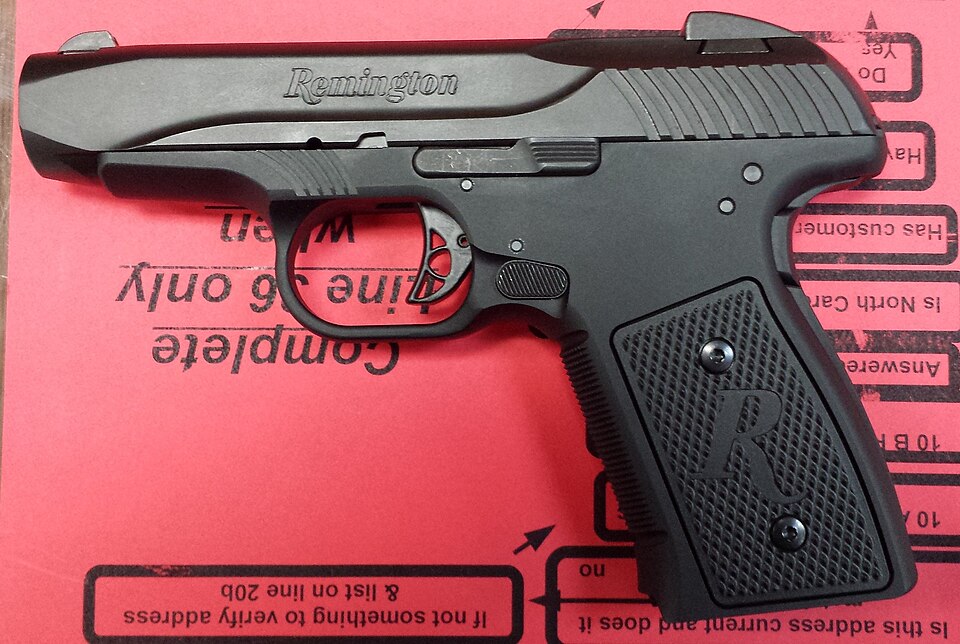
1. Remington R51
The R51 arrived with real engineering intrigue. Its revived hesitation-lock system, slim profile, and low bore axis gave it the look of a modern concealed-carry standout. Under actual range use, that promise fell apart. Shooters repeatedly associated the pistol with failures to feed and light primer strikes, and the out-of-battery firing issue became the most serious mark against it. Even after revisions, magazine-related cycling complaints continued to follow the gun. The R51 became a clear example of how an ambitious mechanism can struggle when production readiness does not match the concept.
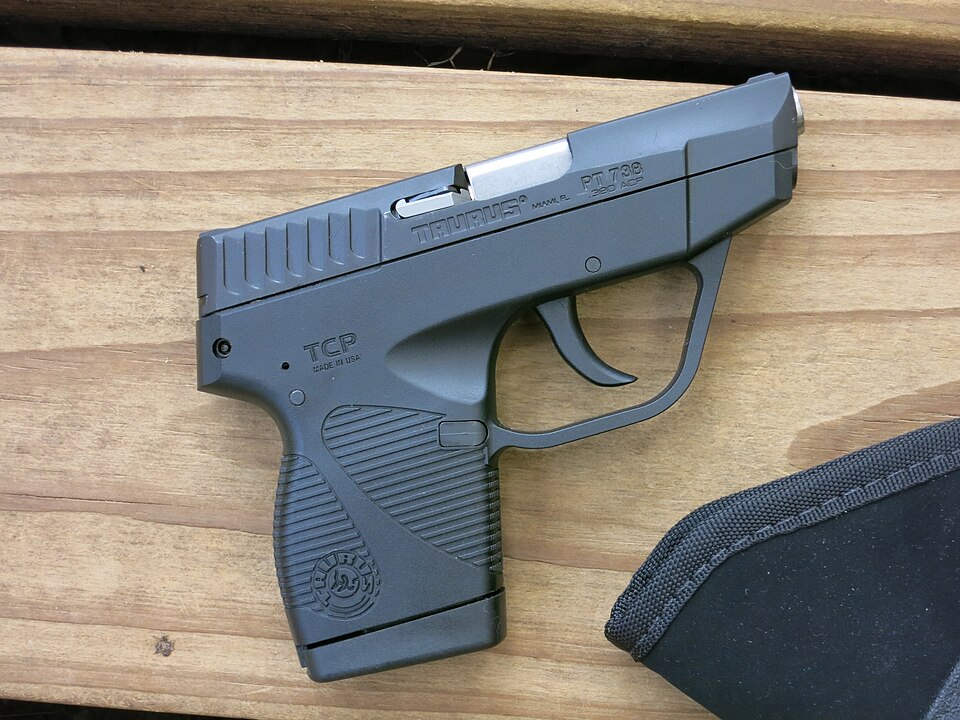
2. Taurus PT738 TCP
The PT738 TCP became popular for one simple reason: it was extremely easy to carry. Tiny .380 pistols always attract buyers who want minimum bulk, but ultra-compact autos also run on tight timing margins. That showed up with this model in the form of inconsistent ignition and erratic ejection. Complaints often centered on light strikes, with lower-powered ammunition making the problem more noticeable. A pocket pistol does not have much excess slide mass or mechanical forgiveness, so small variations in ammo and maintenance can become big reliability issues very quickly.
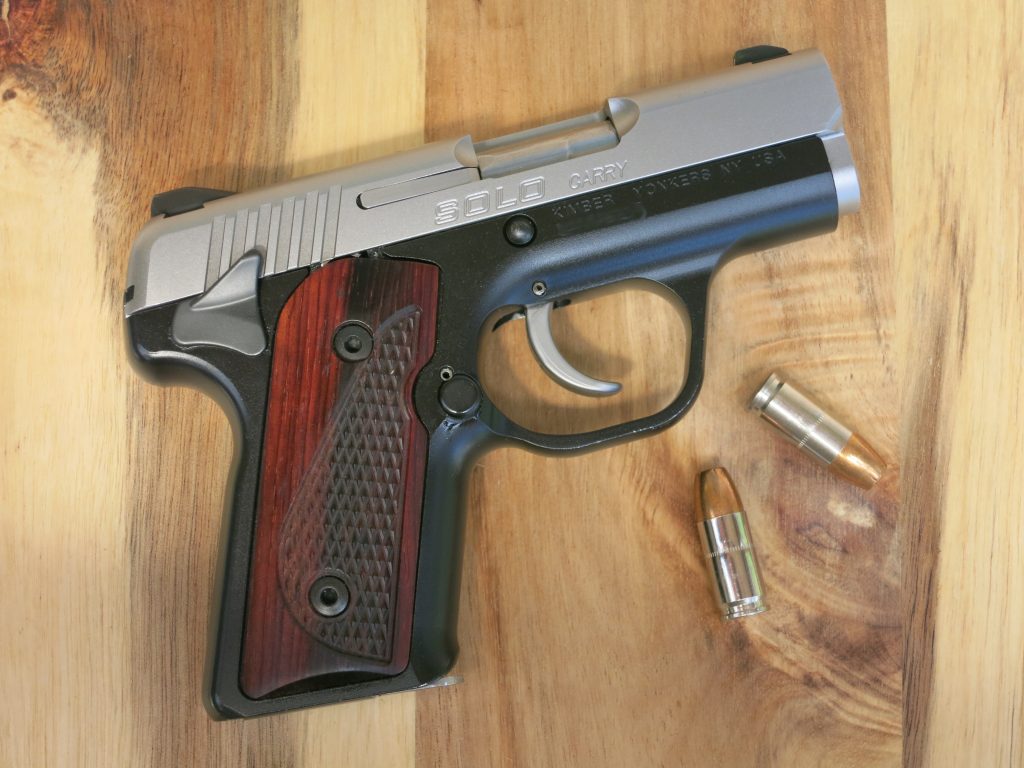
3. Kimber Solo Carry
The Solo Carry was marketed as a polished micro-9 with premium styling and refined fit. Its trouble was not a total inability to run, but the fact that it developed a reputation for running well only inside a narrow ammunition band. Reports tied the gun to repeated cycling issues with standard-pressure loads, while +P ammunition was often treated as the preferred solution. That is a poor match for high-volume practice, where pistols are usually expected to digest ordinary training ammo without drama. A handgun that performs only when fed a specific diet tends to lose confidence fast once range sessions become more demanding.
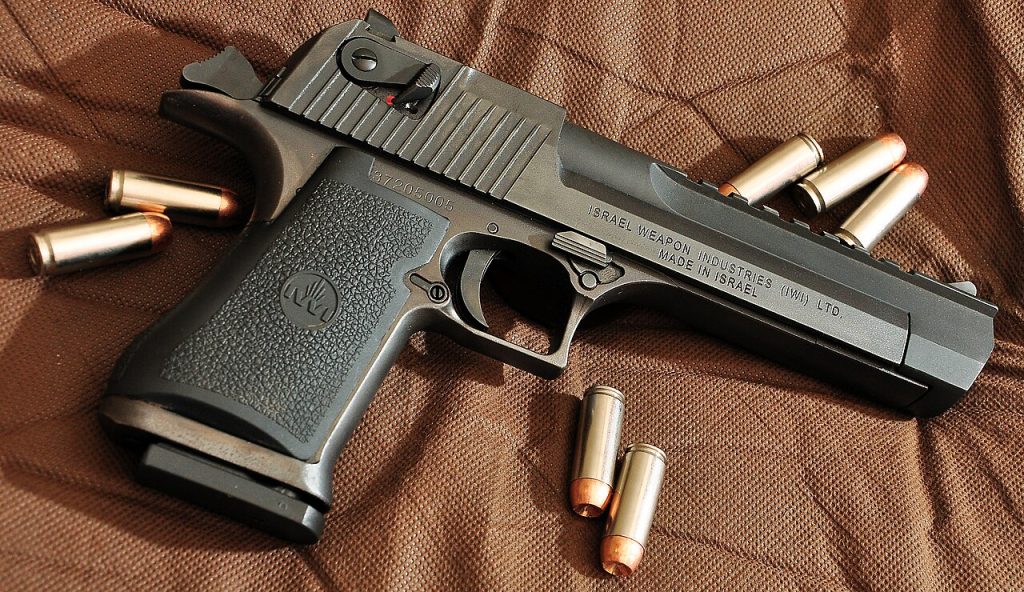
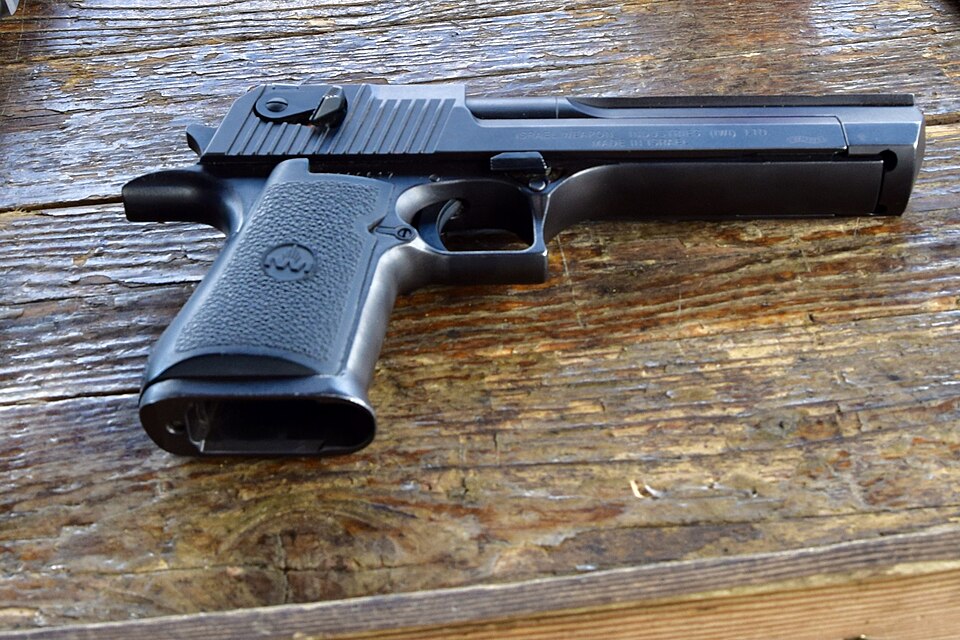
4. Desert Eagle .50 AE
The Desert Eagle is one of the most recognizable pistols ever built, and its gas-operated design makes it mechanically unusual in the handgun world. It also has very little patience for weak inputs. Full-power ammunition and a firm grip matter here more than many casual owners expect. Discussions of autoloading pistol malfunctions often note how limp wristing can induce failures, and that effect becomes harder to ignore on a large magnum semi-auto. When range stress includes inconsistent technique, varied loads, and longer strings of fire, the Desert Eagle’s operating demands become part of the story.
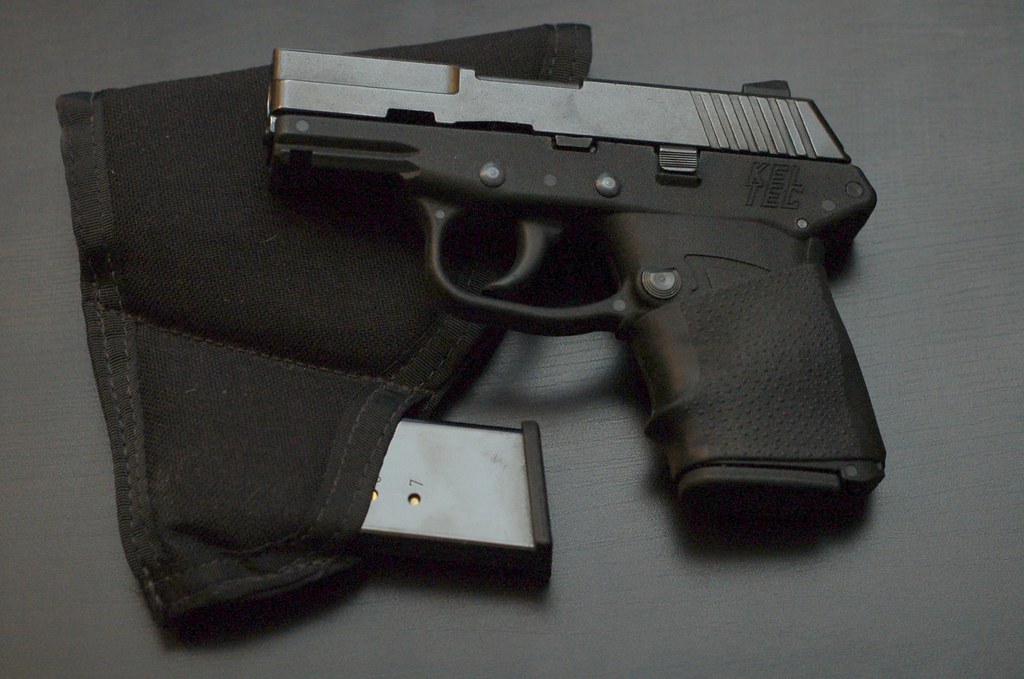
5. Kel-Tec PF-9
The PF-9 earned attention by being remarkably thin and light for a 9mm. That made it easy to conceal, but it also left the gun with a very tight mechanical balance. Owners and testers commonly pointed to feeding and extraction trouble, along with notably sharp recoil. In a small pistol, harsh recoil does more than reduce comfort. It also increases the chance that weak grip mechanics will upset the gun’s rhythm, especially if the shooter is not controlling recoil well through a high, locked grip and strong hand pressure, principles often emphasized in proper recoil-control technique. The PF-9 did not leave much margin for error.
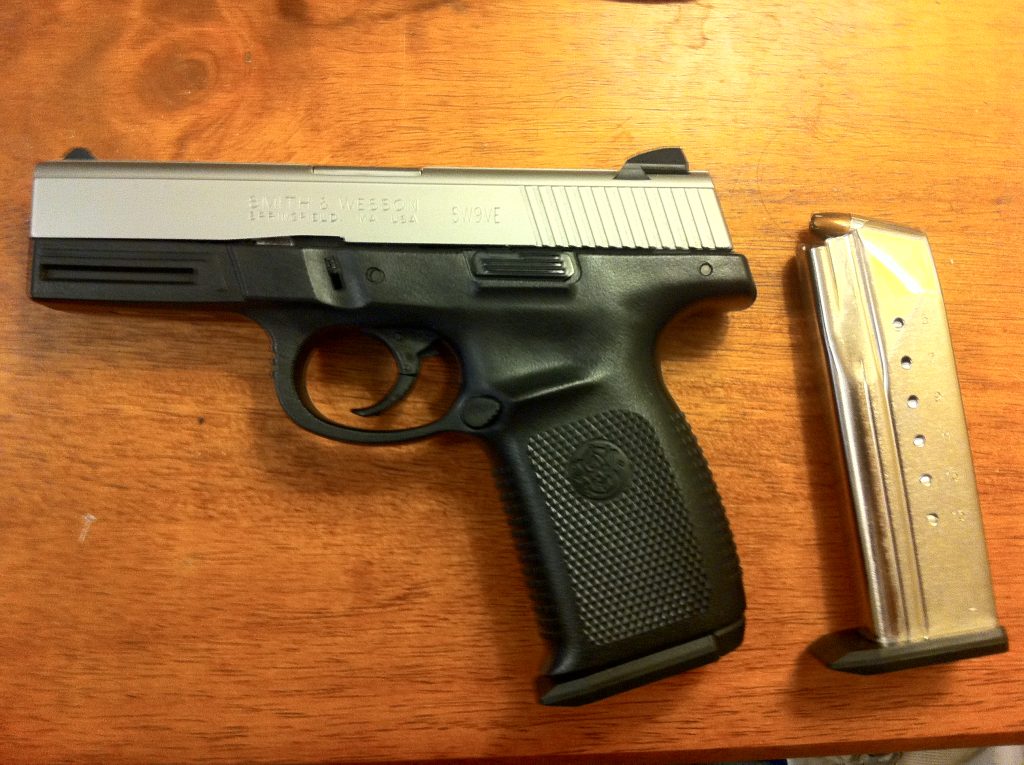
6. Smith & Wesson Sigma Series
Early Sigma pistols arrived during a transitional period for polymer-framed service handguns. First impressions mattered, and these guns struggled to overcome theirs. Criticism often focused on gritty triggers, uneven tolerances, misfires, and feeding problems. Trigger weight alone does not make a handgun unreliable, but heavy or rough pulls can make consistent shooting harder, especially when heavier triggers pull shots off target for less experienced shooters. Later production improved, yet the original reputation stayed attached to the line because early reliability concerns were what many shooters remembered.
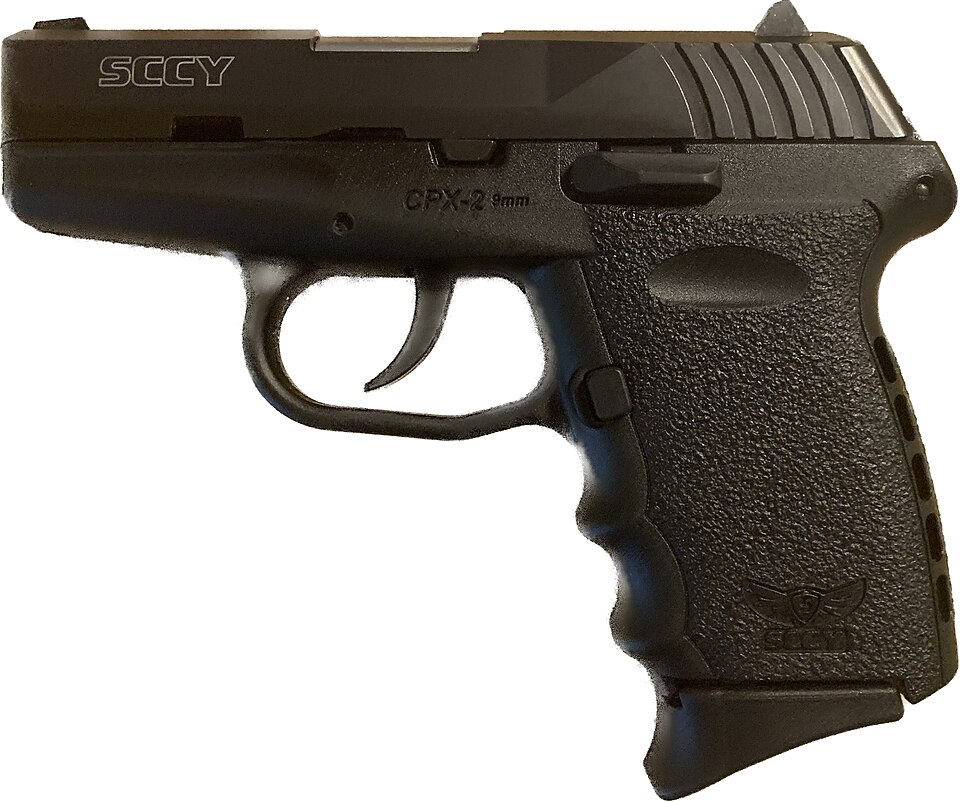
7. SCCY CPX-2
The CPX-2 found an audience because it offered compact size and straightforward utility. Its issue was consistency. Reports regularly mentioned feed interruptions and light strikes, particularly with lower-cost ammunition. Some owners saw better performance after break-in or minor tuning, but that cuts against the way most shooters judge practical trust. In many range discussions, 200 rounds is often treated as a basic break-in threshold, with another 100 rounds of intended carry ammunition used as a confidence check. A pistol that still feels uncertain after that kind of use rarely inspires long-term faith.
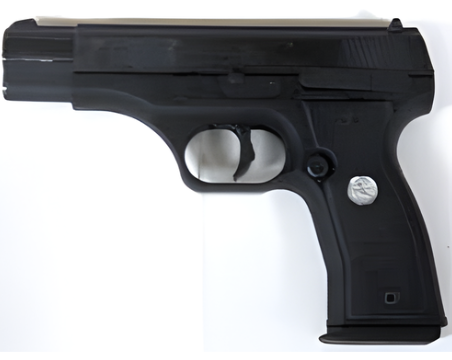
8. Colt All American 2000
The All American 2000 had serious design pedigree behind it, which made its struggles more striking. It entered the market as part of the polymer-pistol shift, but execution overshadowed the idea. It picked up criticism for poor accuracy, a heavy trigger, and reliability trouble, while safety concerns added more pressure to an already damaged reputation. Colt historian Rick Sapp described it as “one of the most embarrassing failures in the company’s history,” a quote that captures how thoroughly the model missed expectations. Some guns fade because they are forgettable. This one stayed memorable because the gap between promise and performance was so wide.
Real range stress exposes patterns, not excuses. The common thread across these pistols is not that every sample fails in the same way, but that each model became known for having too little tolerance for the normal variables shooters encounter: different ammunition, dirty conditions, long practice sessions, magazine wear, and less-than-perfect grip. That is why reliability remains the central engineering test for any handgun. Once a pistol becomes known for stoppages, sensitivity, or a narrow operating envelope, every other feature starts to matter less.


