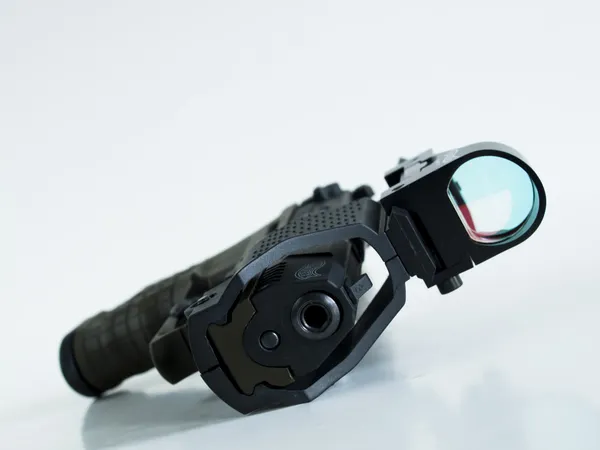
Glock’s design history has usually moved in small, deliberate steps. The company built its reputation on mechanical simplicity, low parts count, and a service pistol formula that changed only when institutional demand made the change difficult to ignore. Optics now fit that pattern. Factory slide cuts, adapter plate systems, front serrations, and the broader shift toward target focused pistol shooting all point in the same direction: the optic is no longer an accessory riding on top of the handgun. It is becoming part of the handgun’s baseline layout.

1. Factory MOS models already turned optics from an upgrade into a production feature
The clearest indicator is that Glock already normalized optics ready handguns inside its mainline lineup. When the company introduced the G17 Gen5 MOS and G19 Gen5 MOS, it was not presenting a custom shop detour. It was expanding the Gen5 family with pistols cut at the factory for reflex sights and shipped with a mounting system built around adapter plates.
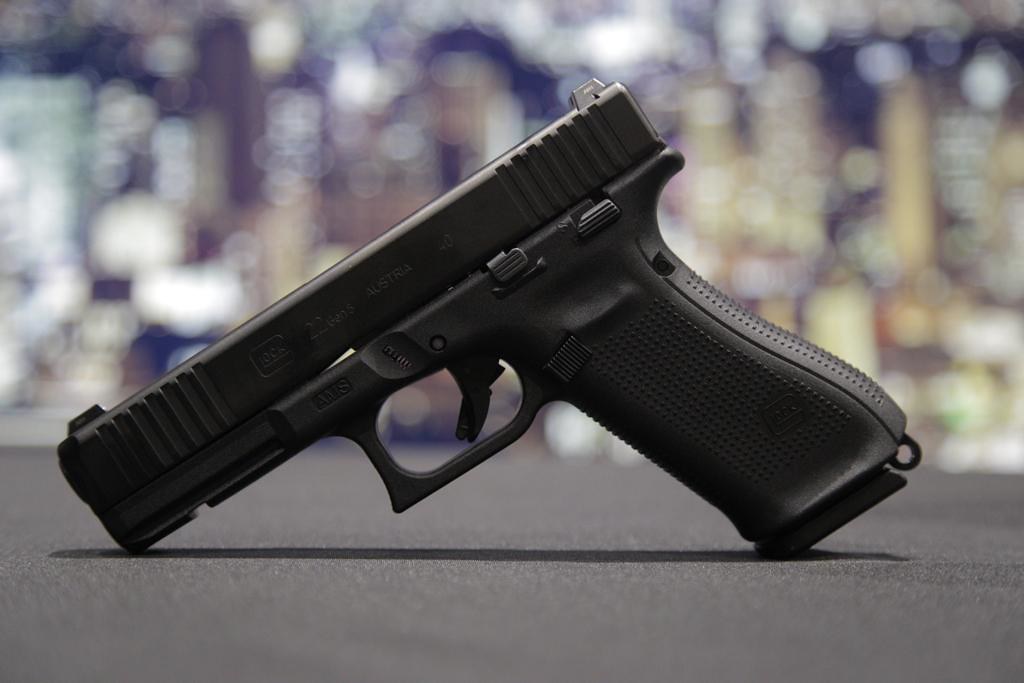
That matters because once a manufacturer brings optics into standard catalog architecture, the slide is no longer being designed only for iron sights. It is being designed to host electronics, screws, plate geometry, and sight height considerations from the beginning.
2. The broader handgun market has shifted toward optics ready as the default
One of the strongest external signals comes from the wider market. The modern pistol industry increasingly treats optic cuts as standard equipment, not exotic configuration. Even a source discussing tradeoffs acknowledged that most guns are being sold optic ready. Glock rarely behaves like a company chasing novelty for its own sake. Its changes tend to appear after a feature proves durable across duty, training, and civilian use. In that environment, building future pistols around optics is less a leap than a continuation of a market-wide reset.

3. Duty use keeps rewarding the red-dot sight picture
The strongest long-term pressure often comes from professional users, especially agencies that standardize equipment across large numbers of pistols. Red dot advocates in law enforcement keep returning to the same functional benefit: the ability to maintain visual focus on the target rather than splitting attention across rear sight, front sight, and target. That single-plane visual process is one reason optics continue gaining institutional traction.
Glock has long depended on that world. The company states that over 65% of federal, state and local agencies in the United States have been issued GLOCK pistols. If those users keep training around pistol optics, Glock’s future service-pistol geometry is likely to reflect that demand in slide design, sight placement, and mounting robustness.

4. Gen5 already shows the kind of refinement that pairs well with optics
Optics do not live in isolation. They work best on pistols whose other features support faster presentation, easier manipulation, and cleaner recoil tracking. Gen5 changes already moved in that direction: ambidextrous controls, revised internals, a flared magwell, and the Glock Marksman Barrel all point to a platform being refined for modern handling expectations. Even where optics were not standard on every variant, the architecture around the pistol looked increasingly current. That is usually how platform shifts happen with Glock supporting changes arrive before the whole lineup fully pivots.
5. Front serrations and slide machining suggest a new slide philosophy
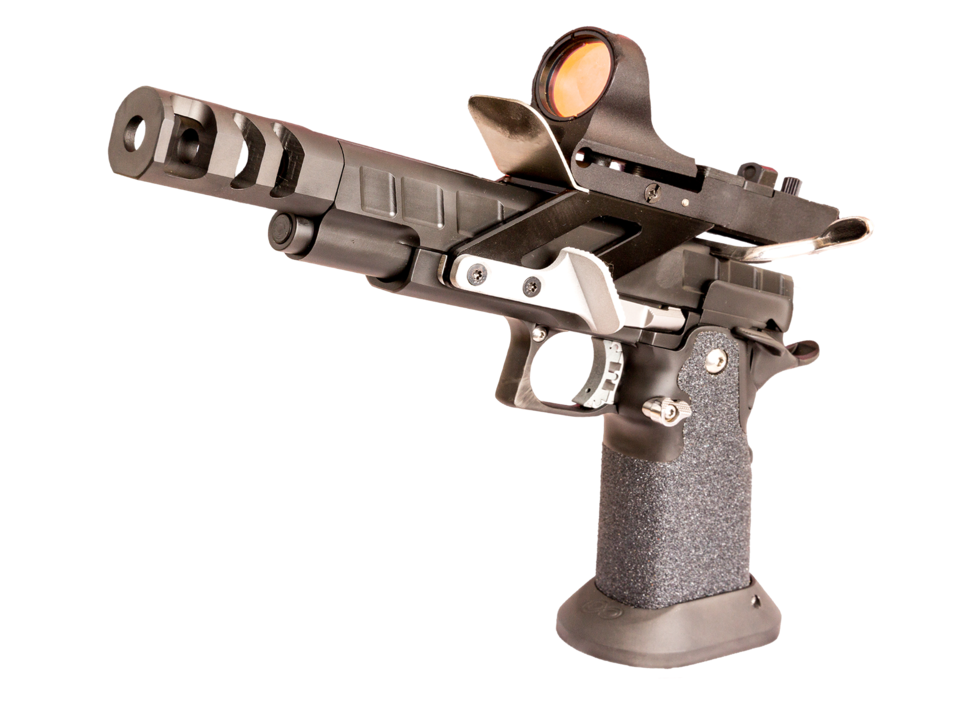
Slide cuts reveal what a manufacturer thinks the pistol will actually do in the field. On the MOS side of the Gen5 family, Glock highlighted front serrations alongside the optic ready cut. That pairing is telling. Once an optic occupies rear-slide space, users often interact with the slide differently, and forward grasping surfaces become more relevant. In other words, the slide is being treated as an integrated control surface built around mounted optics, not as a legacy iron-sight slide with a window carved into it later.

6. Glock’s generational history shows it responds when a feature changes the whole ecosystem
Older Glock generations added features that eventually reshaped everything around the pistol. Gen3 brought the universal rail. Gen4 added modular backstraps. Gen5 widened the design brief again with ambidextrous controls and other structural revisions. The company’s own history shows a pattern of making measured but foundational updates when user expectations permanently shift.

A similar thing is happening with optics. They affect slides, suppressor height sights, holsters, maintenance routines, and training. Once a feature changes that many adjacent systems, it stops being optional in engineering terms. It becomes part of the core product definition.

7. Training value alone gives optics staying power
Even beyond faster aiming or clearer target focus, red dots offer something manufacturers pay attention to: they expose shooter input. The optic makes wobble, trigger disturbance, and recoil return easier to see in real time. That diagnostic value has been repeatedly cited in training circles because it gives immediate feedback that iron sights can hide. That creates a durable reason for adoption. A feature that improves not only use but also skill development tends to survive initial skepticism. For a company that built its brand on practical, repeatable performance, that is the kind of trend worth designing around.
The larger picture is straightforward. Glock began with a pistol concept centered on simplicity, reliability, and institutional use, and over time it has updated that concept only when the surrounding world clearly changed. Optics have now crossed that threshold. The next stage does not require a dramatic reinvention of the Glock formula. It only requires accepting that the slide cut, mounting interface, and optic-compatible handling features are becoming as fundamental as the rail and the polymer frame once were.


