Long-range cartridge talk often gets stuck on familiar names. The 6.5 Creedmoor, 7mm Remington Magnum, .300 Winchester Magnum, and .308 Winchester dominate shelf space and conversation, but that popularity can hide an important truth: some less-common rounds reveal exactly where the mainstream choices start to give up speed, wind performance, recoil efficiency, or platform flexibility. This is not a ranking of the “best” cartridges. It is a look at seven chamberings that clarify the tradeoffs built into the popular standards, especially once distance, barrel length, recoil control, and wind become part of the discussion.
1. 6.5 PRC
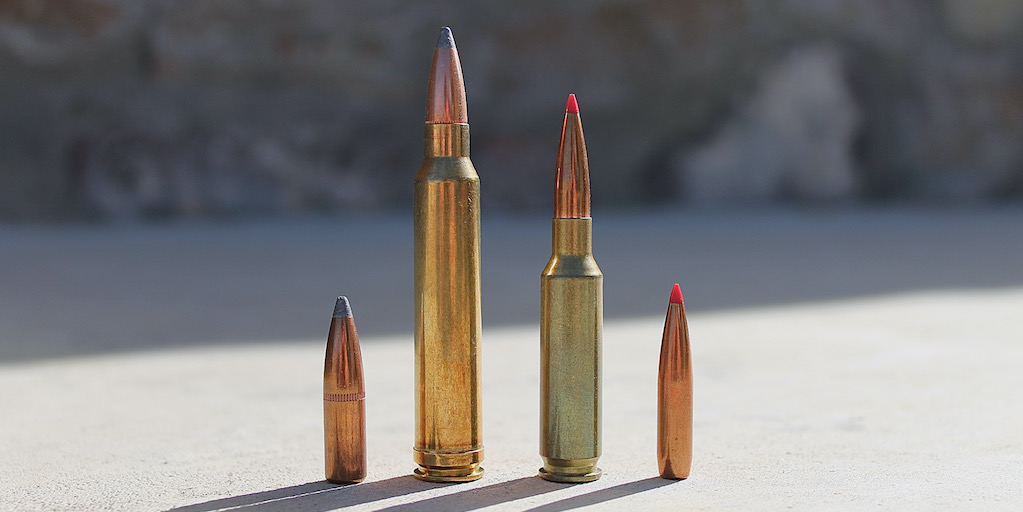
The 6.5 PRC exposes the ceiling of the 6.5 Creedmoor. Both throw sleek .264 bullets, but the PRC carries a clear speed advantage that translates into flatter flight and more retained energy. One common comparison puts the PRC at roughly 300 fps more than the Creedmoor with similar heavy-for-caliber match bullets from 24-inch barrels.
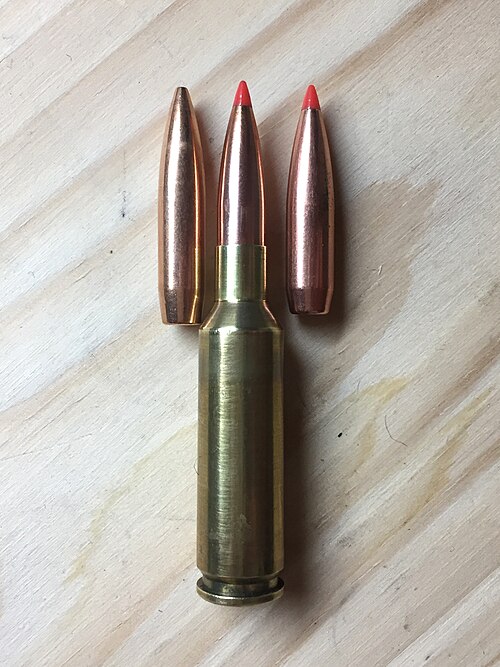
That extra speed matters in the wind. Average drift figures cited for a 10 mph crosswind show the 6.5 PRC at 13.2 inches at 500 yards, while the 6.5 Creedmoor sits at 16.1 inches. The tradeoff is recoil and barrel wear, so this is not a free upgrade. It simply shows that the Creedmoor’s easy manners come with real ballistic limits once distance stretches.
2. 6.8 Western
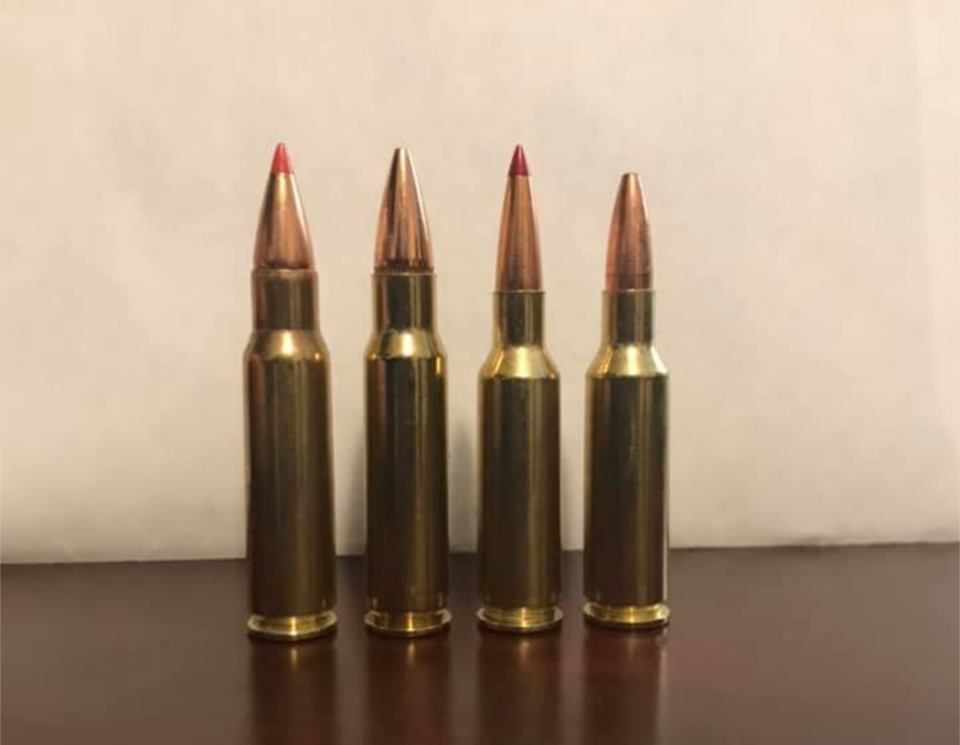
The 6.8 Western makes the traditional .270 Winchester look older than its age. The classic .270 still works extremely well, but the Western was built around fast-twist barrels and long, heavy, high-BC bullets that the older .270 format was not originally optimized to use. That shows up downrange. Average wind numbers place the 6.8 Western at 14.8 inches of drift at 500 yards, compared with 18.7 inches for the .270 Winchester in the same 10 mph wind framework. It also carries harder at distance, with field data from hunting-oriented loads showing 1,774 ft-lbs at 500 yards. The lesson is not that the .270 is obsolete. It is that bullet design and twist rate can matter as much as brand loyalty.
3. 7mm PRC
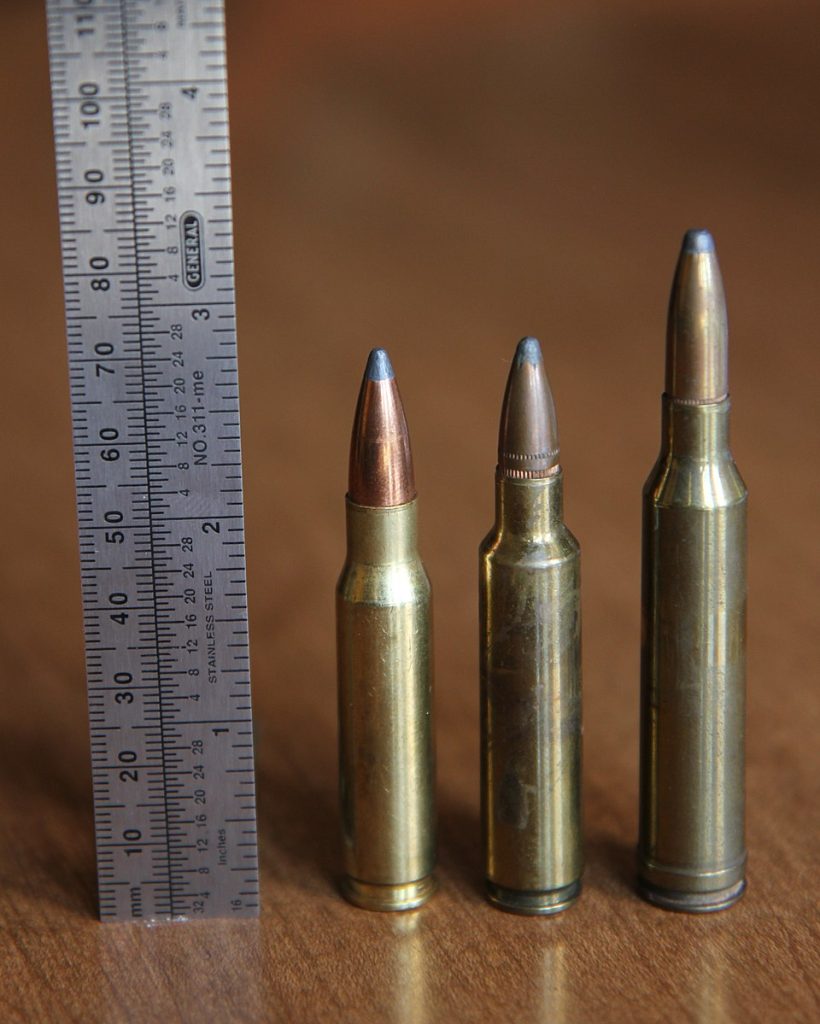
The 7mm PRC highlights the limitations of the 7mm Remington Magnum’s older setup. Velocity between the two is not dramatically different, but the PRC gains ground through barrel twist and bullet shape. It was configured to stabilize long, heavy, modern bullets with very high BCs, and that gives it better trajectory and energy retention at extended range. With a 175-grain hunting load, the 7mm PRC is listed at 2,141 ft-lbs of energy at 500 yards and 41 inches of drop. A typical 7mm Remington Magnum hunting load in the same source shows 1,578 ft-lbs and 44 inches. Those are not tiny differences. They show how a newer cartridge can outgrow a legend without needing a radical jump in muzzle velocity.
4. .28 Nosler
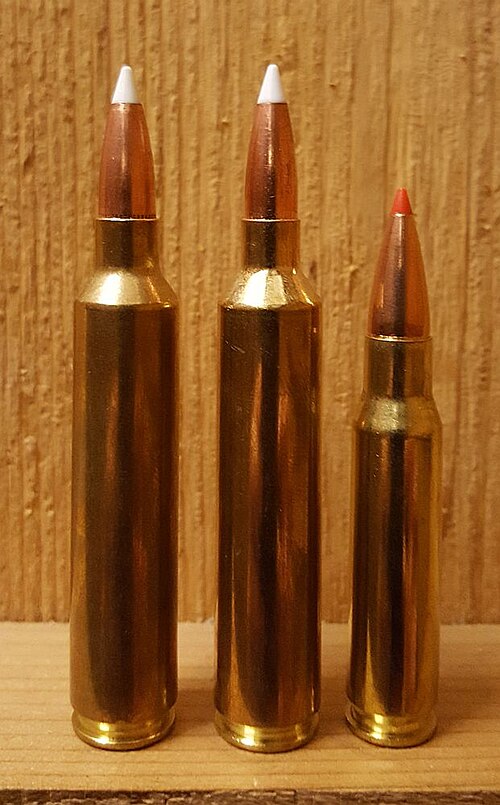
The .28 Nosler is where the conversation shifts from “efficient” to “outright forceful.” It exposes the limit of cartridges that try to balance long-range performance with moderate recoil. In exchange for noticeably more kick, it offers elite downrange behavior. Average wind data places the .28 Nosler among the strongest performers in common rifle chamberings, with 56.6 inches of drift at 1,000 yards in a 10 mph full-value wind. That outperforms many mainstream favorites by a meaningful margin. Field figures also show it staying supersonic beyond 1,750 yards. The drawback is plain enough: recoil from an 8-pound rifle can exceed 33 foot-pounds. That is the price of pushing heavy 7mm bullets this hard.
5. 6mm ARC
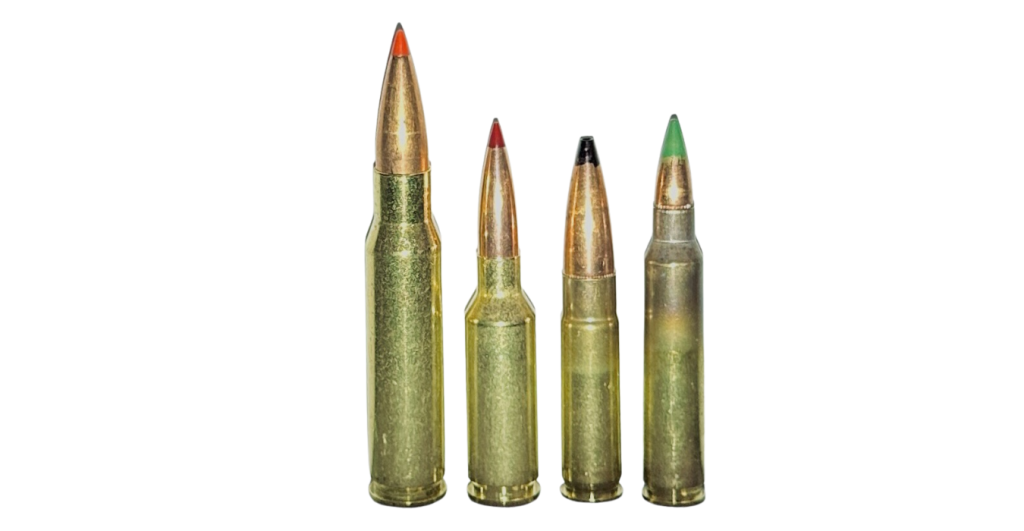
The 6mm ARC exposes the limit of .223 Remington and 5.56 NATO in magazine-length AR-15 long-range work. The smaller round can certainly hit distant steel, but impact visibility and wind behavior become real constraints. The ARC was designed to fit the same small-frame platform while launching much heavier, higher-BC bullets. Factory loads commonly run 103-to 108-grain bullets at about 2,750 fps from a 22-inch AR-15, giving the platform a very different long-range profile than 77-grain .223 loads. That matters in practical shooting, where recoil still stays manageable but target feedback improves. It does not replace bolt-gun cartridges, but it clearly shows how far the standard .223 gives up when long-range performance is the goal.
6. 6mm Dasher
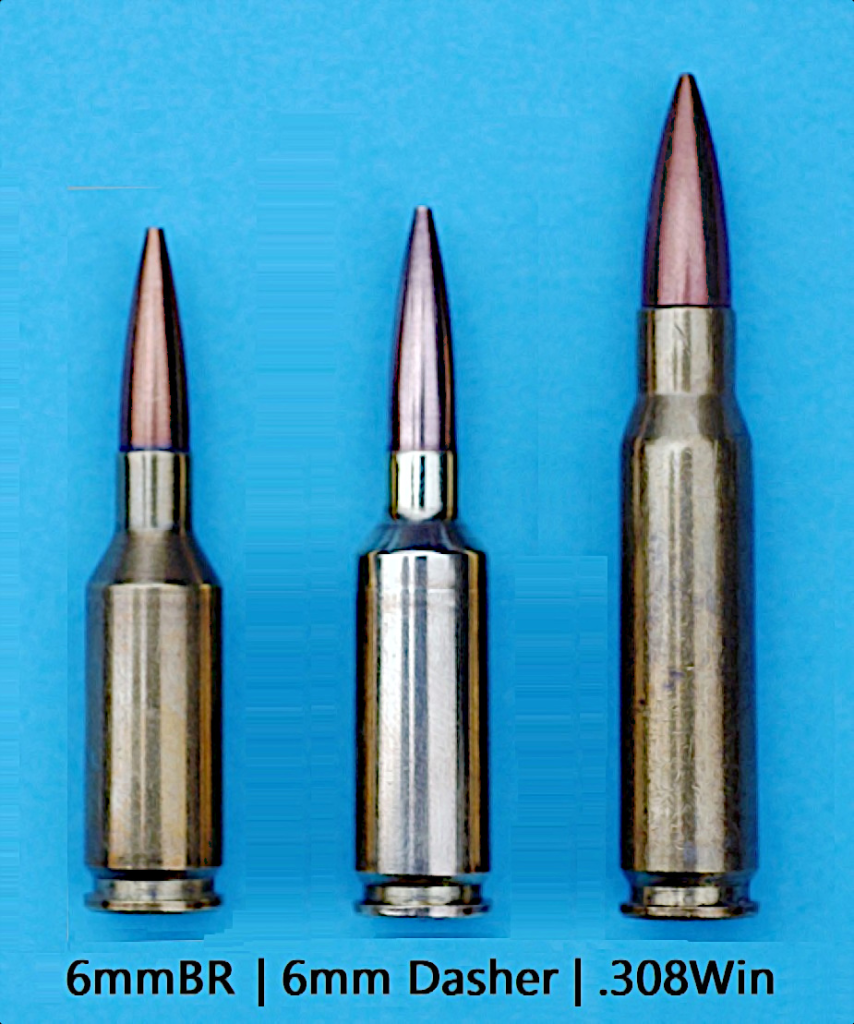
The 6mm Dasher exposes the limits of the 6.5 Creedmoor in practical precision competition. On paper, the Creedmoor carries more bullet weight and energy. On the clock, many top shooters still choose the Dasher because it offers a better balance of recoil, consistency, and impact correction. 41% of top PRS shooters surveyed were using the 6mm Dasher, while only 4% were using the 6.5 Creedmoor. That says a great deal. In matches, seeing the shot and correcting quickly can matter more than carrying extra energy. The Dasher’s success underscores that long-range effectiveness is not just external ballistics; it is also shooter control..
7. 30-378 Weatherby Magnum
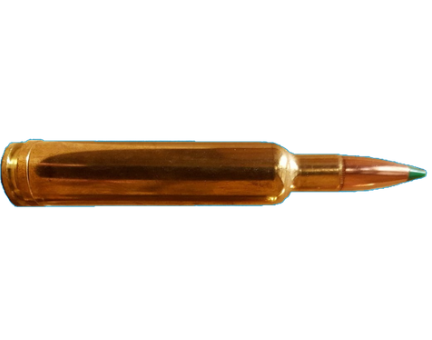
The 30-378 Weatherby Magnum exposes the outer edge of what .300-class long-range power can become. It makes the .300 Winchester Magnum look restrained. A 180-grain bullet can be driven to about 3,400 fps, well beyond the usual .300 Win. Mag. window. At 500 yards, one representative load shows 2,263 ft-lbs of energy with only 36 inches of drop. That is serious performance, but it comes with serious penalties: heavy recoil, fierce muzzle blast, and a rifle setup that demands commitment. This cartridge does not make common .300 magnums irrelevant. It simply makes their compromises impossible to ignore.
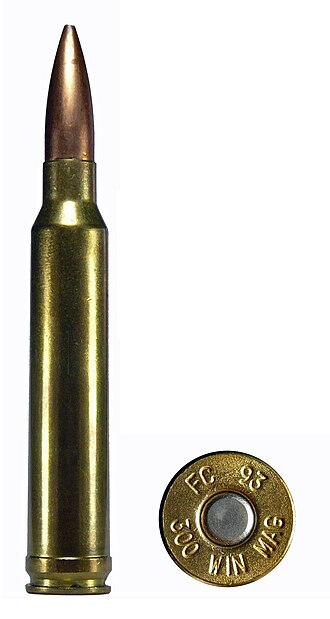
Popular long-range cartridges stay popular for good reasons. They are available, well-supported, and usually easier to shoot well. But cartridges like these reveal that “popular” and “optimized” are not the same thing. The bigger pattern is simple. Some rounds beat the standards with speed, some with wind performance, some with better bullet architecture, and some by reducing recoil enough to improve real-world hit probability. Long-range shooting has never been about one magic cartridge. It has always been about understanding which limit matters most.


