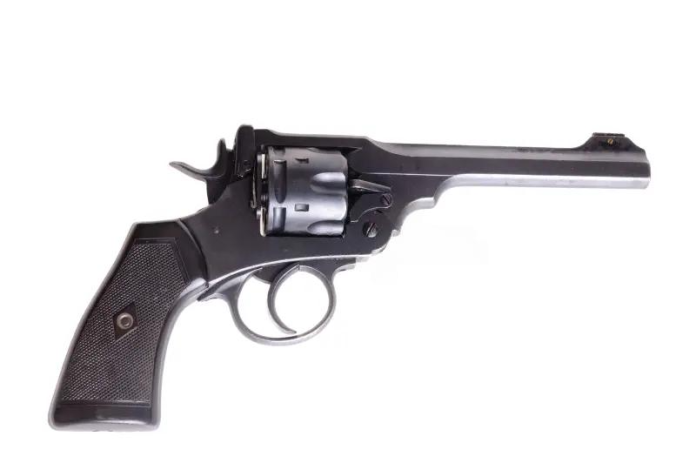
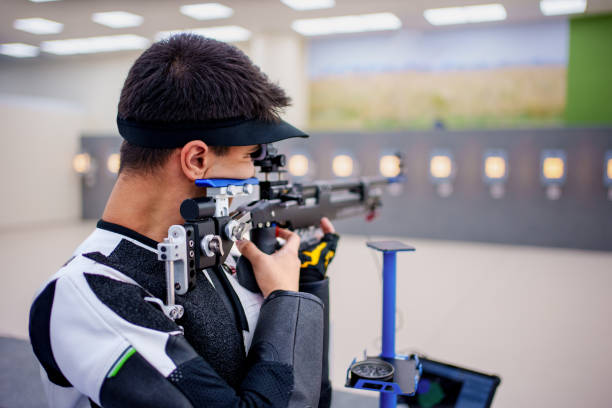
Defensive handgun performance is often discussed in terms of caliber, expansion, and energy. Accuracy gets treated as if it lives in a separate category, even though load choice can change how a pistol tracks, how quickly sights return, and where bullets actually land. That matters because practical accuracy is not just group size from a bench. It includes controllability, repeatable point of impact, and whether a load still behaves predictably when recoil, blast, and bullet design start working against the shooter.
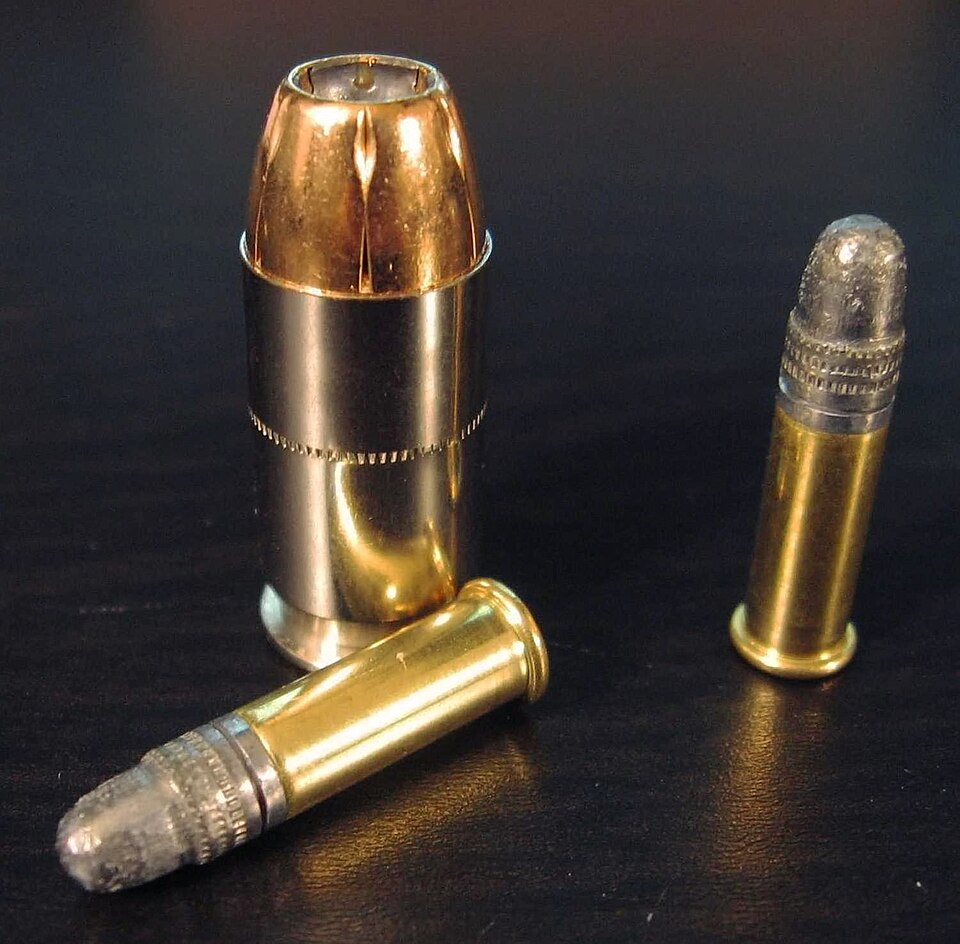
1. Lightweight, fast-for-caliber hollow points
These loads are popular because they promise speed and dramatic expansion, but very light bullets can create tradeoffs that show up on target. Some loads with nearly identical velocities do not penetrate alike, and the difference between 9 inches and 12 inches in gel illustrates how bullet construction can matter more than a velocity figure on the box.
From an accuracy standpoint, the problem is not only terminal inconsistency. Lightweight loads often produce a snappier recoil pulse in compact pistols, which can make sights dip and return less predictably during fast strings. If a shooter is managing a carry gun with a short sight radius, that sharper impulse can quietly reduce hit quality even when slow-fire groups appear acceptable.
2. Heavy-for-caliber subsonic loads in short-barreled pistols
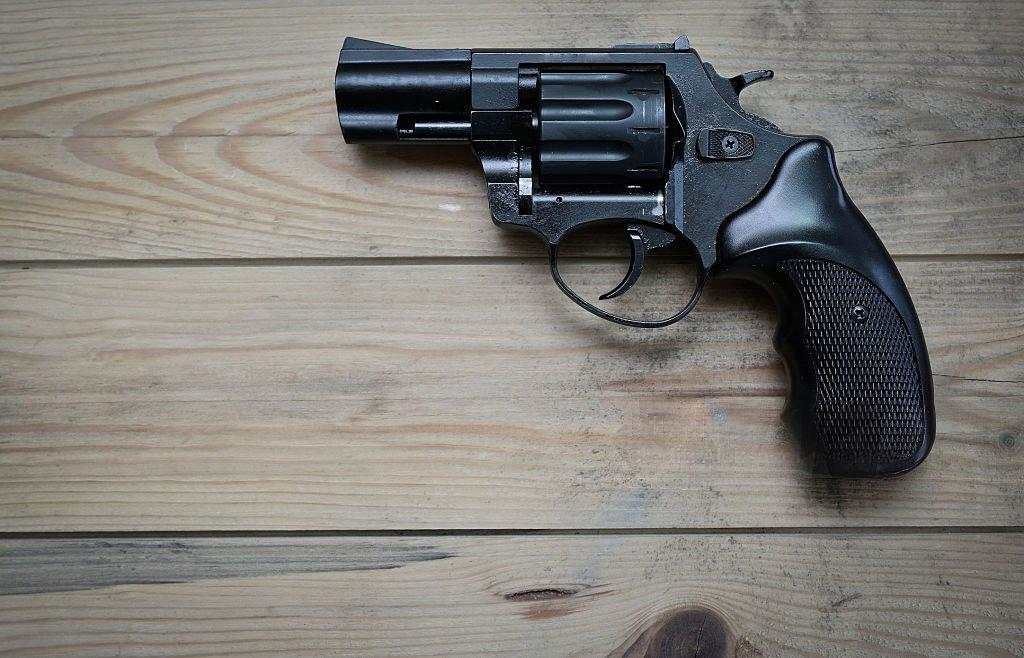
Heavy bullets are often chosen for softer recoil character, but in compact handguns they can shift impact enough to matter. A slower bullet stays in the barrel longer, and while that effect is most visible in revolvers, the broader lesson is straightforward: barrel time changes what the shooter sees at ignition and what the target records.
High-speed testing on revolvers showed the barrel moving roughly .2 to .3 degrees before bullet exit, enough to translate to 3.1 to 4.7 inches at 25 yards. In defensive handguns, that means shooters who practice with one bullet weight and carry another may be managing a different point of impact than they expect.
3. Full-power 10mm hunting-style loads in service-size pistols
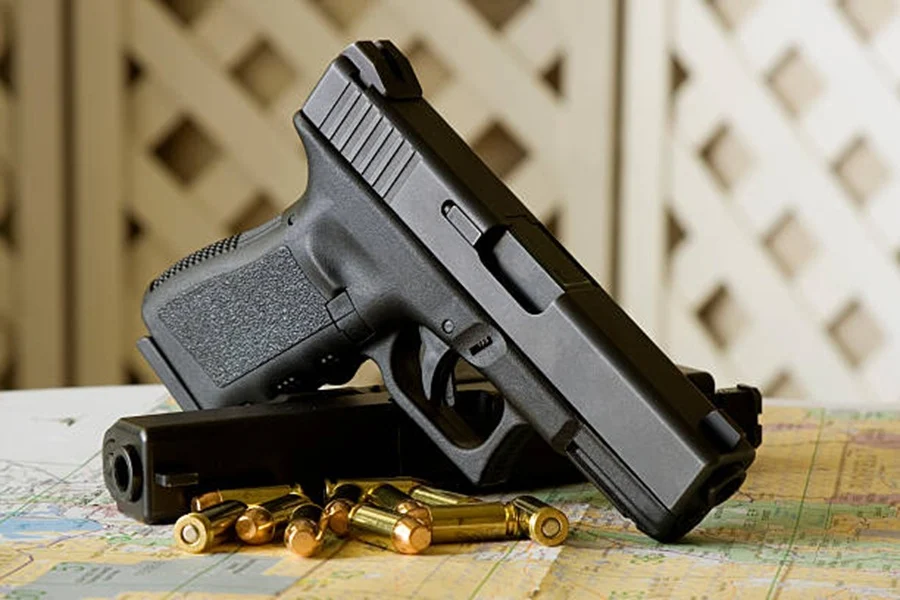
10mm is widely respected for reach and power, but heavy recoil and blast can erode defensive accuracy in ordinary handguns. Even experienced shooters often find that full-pressure 10mm changes cadence, increases recovery time, and makes it harder to hold visual discipline through the shot.
Perceived blast adds to the problem. Shooters discussing full-house 10mm have consistently described robust loads as attention-getting, even when they did not consider them as punishing as revolver magnums. In practical use, that extra concussion tends to amplify flinch, especially indoors or in short-barreled pistols, and that lowers usable accuracy long before mechanical accuracy becomes the issue.
4. Magnum revolver loads that print high
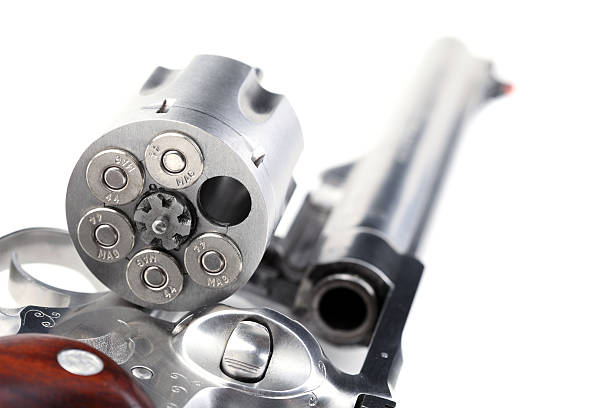
Revolvers bring their own accuracy complication: load-dependent point-of-impact shifts that are easy to underestimate. With wheelguns, muzzle rise can begin while the bullet is still in the barrel, so ammunition choice can move impacts vertically in a meaningful way.
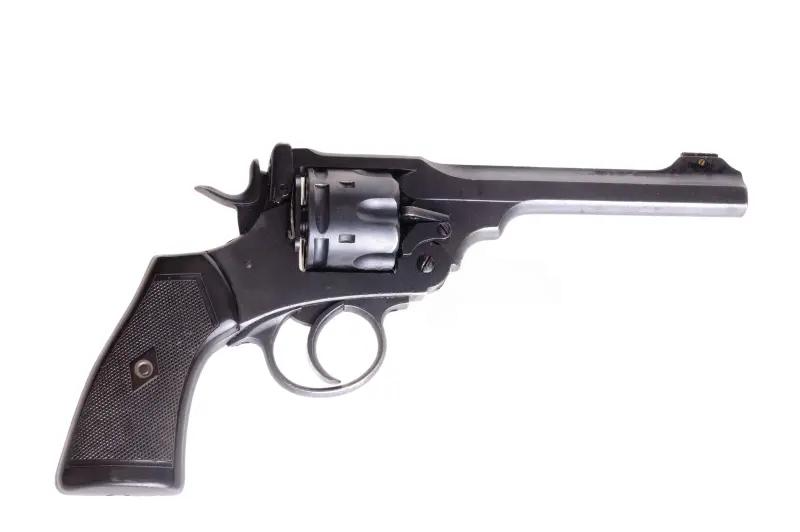
The effect was visible with both mild and magnum revolver ammunition in high-speed footage, and support changes at the grip also shifted groups by about 2.5 to 3.5 inches at 25 yards. That means a revolver load can be perfectly accurate in the mechanical sense while still placing hits high or low enough to complicate real defensive shooting.
5. Loads that expand early and sacrifice penetration
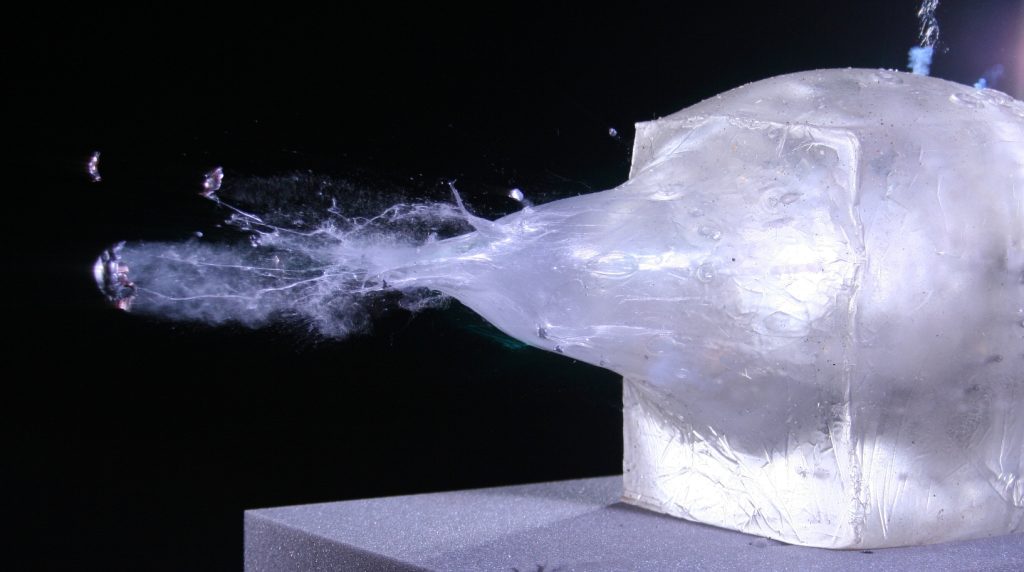
Defensive ammunition that opens quickly in bare media can look impressive, but early expansion can also become a liability if it costs too much depth. The FBI testing framework established 12 to 18 inches of penetration in calibrated gelatin as the accepted working window because penetration is the first requirement.
There is an accuracy angle here that is often missed. A load that cannot reliably reach vital depth through clothing or oblique presentation demands more exact shot placement than a better-balanced design. Real defensive accuracy is not merely hitting the silhouette; it is delivering effective hits under imperfect conditions, and shallow-performing loads narrow that margin.
6. Barrier-sensitive jacketed hollow points
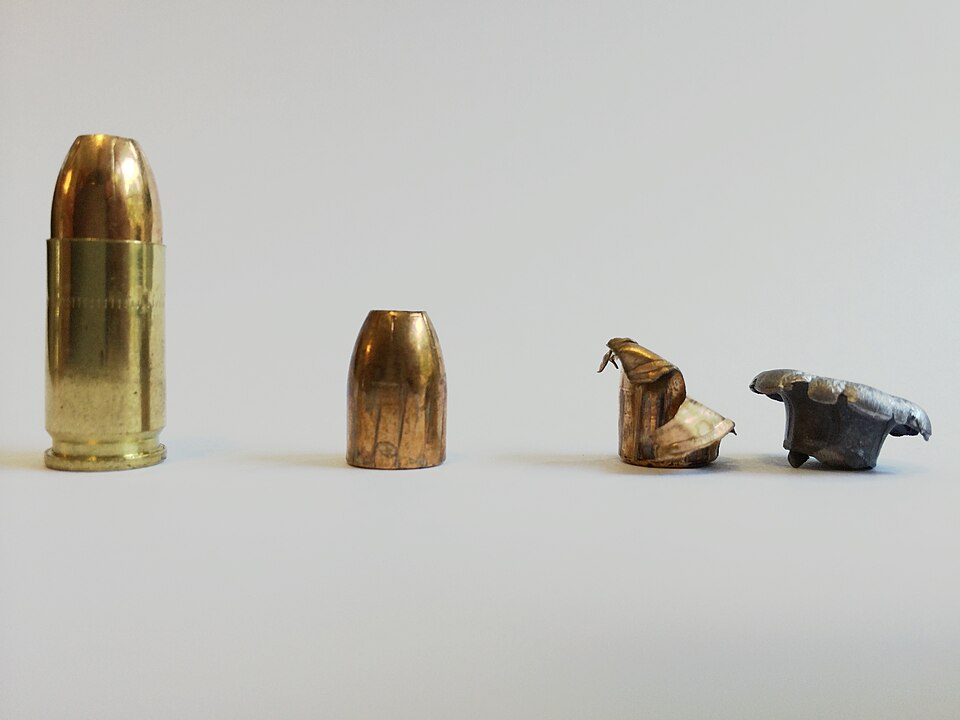
Some handgun loads perform well in ideal conditions and then change character when they meet heavy clothing, glass, or sheet metal. The reason modern duty ammunition is tested through multiple barriers is that bare-gel performance alone does not tell the whole story.
When a bullet clogs, fragments, or fails to expand consistently after intermediate material, the shooter is left with a less predictable result than expected. The industry’s move toward bonded bullets and tougher cavity designs came from that reality, with heavy clothing and auto-glass protocols pushing bullet engineering toward more stable performance.

7. Practice loads that do not match carry recoil or impact
This is one of the most common accuracy traps. A shooter may train with soft, inexpensive ammunition that prints differently and recoils differently than the defensive load carried every day. The mismatch is subtle until speed increases or distance stretches. Even small changes in recoil impulse can affect timing, sight return, and confidence through the trigger press. Defensive accuracy is built on repeatability, and repeatability gets weaker when the training load and carry load do not share the same point of impact or handling characteristics.

The consistent lesson across modern handgun testing is that bullet performance and shootability are connected. As Dr. Vincent DeMaio put it, “It’s where you hit them and how many times you hit them”, a reminder that controllable, predictable ammunition often matters more than dramatic specifications. Loads that look powerful on paper can still undercut real accuracy by shifting impact, increasing blast, slowing recovery, or reducing terminal margin. The best defensive ammunition choices are usually the ones that preserve both hit probability and dependable performance at the same time.


