
Glock built its reputation on doing one thing for a very long time: keeping a familiar pistol formula in circulation while much of the handgun market chased novelty. That makes its recent commercial lineup reset more than a routine catalog trim. It is a signal that even one of the most standardized sidearm platforms in the world is being pushed by new manufacturing, legal, and design pressures.
The company framed the change around future innovation and simplification, while outside reporting has filled in the pressure points around optics, low-volume calibers, and illegal conversion devices. Put together, the move looks less like a one-off discontinuation wave and more like a broad platform transition.
1. Too many SKUs were competing for the same factory space
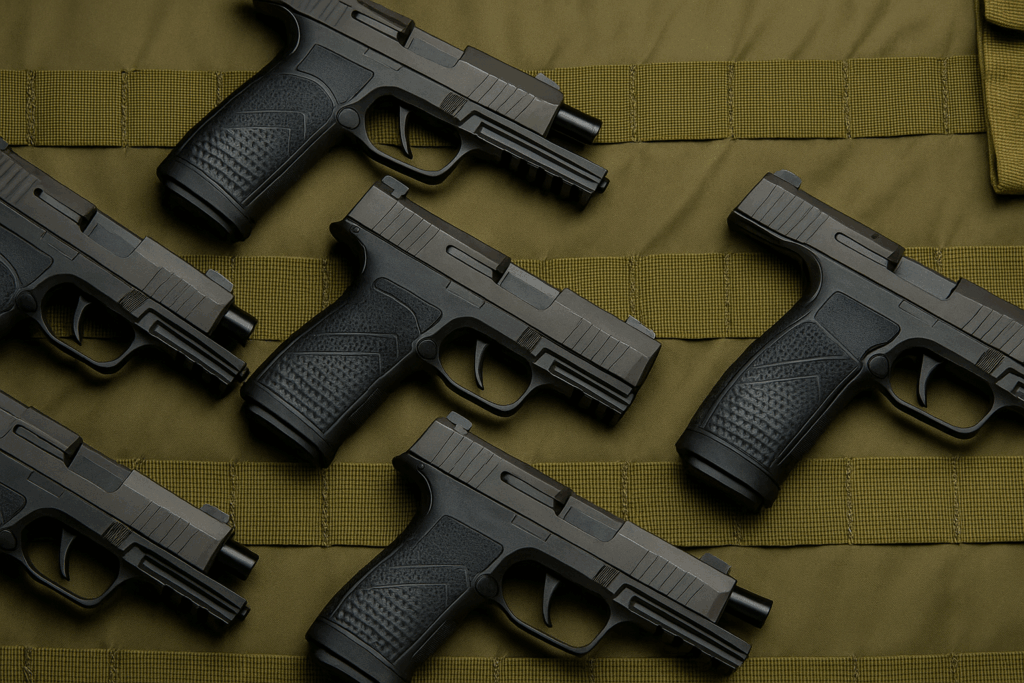
For years, Glock’s commercial lineup sprawled across multiple generations, slide configurations, and niche chamberings. That gave buyers choice, but it also created a production map crowded with overlapping models that served increasingly narrow slices of the market. Reference reporting described a commercial catalog with 50+ different models and many more variants once MOS and special configurations were counted.
Cutting slower sellers frees up manufacturing capacity, simplifies parts flow, and reduces dealer confusion. That matters for a company whose identity has long been tied to consistency and scale rather than constant reinvention.
2. Niche calibers no longer justify the same shelf space
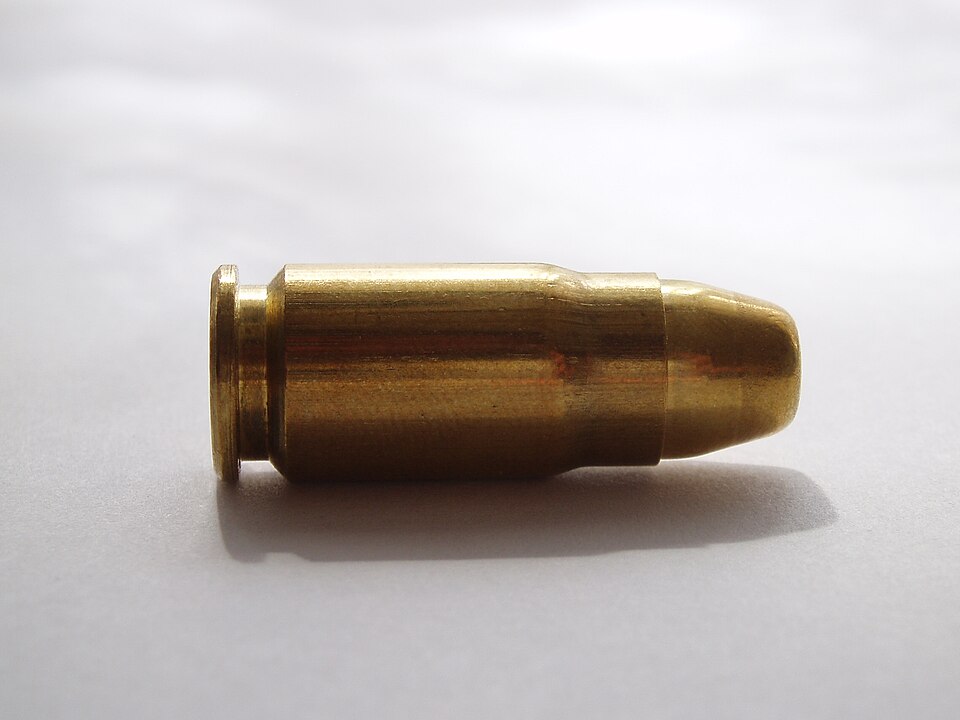
Some of the clearest targets in the phaseout are calibers that never matched 9mm demand. Models in .357 SIG and .45 GAP stood out as obvious candidates because they carry loyal followings without moving the same volume as mainstream 9mm pistols.
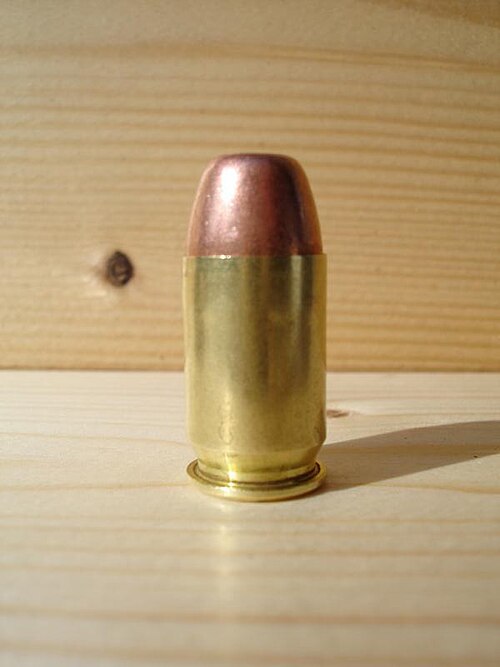
That does not make them unimportant. It means they are expensive to keep alive inside a catalog already crowded by more popular choices. When a manufacturer is pruning hard, specialty chamberings often go first because they tie up tooling, logistics, and dealer inventory without driving the same turnover as core models.
3. Optics-ready pistols are becoming the default, not the upgrade
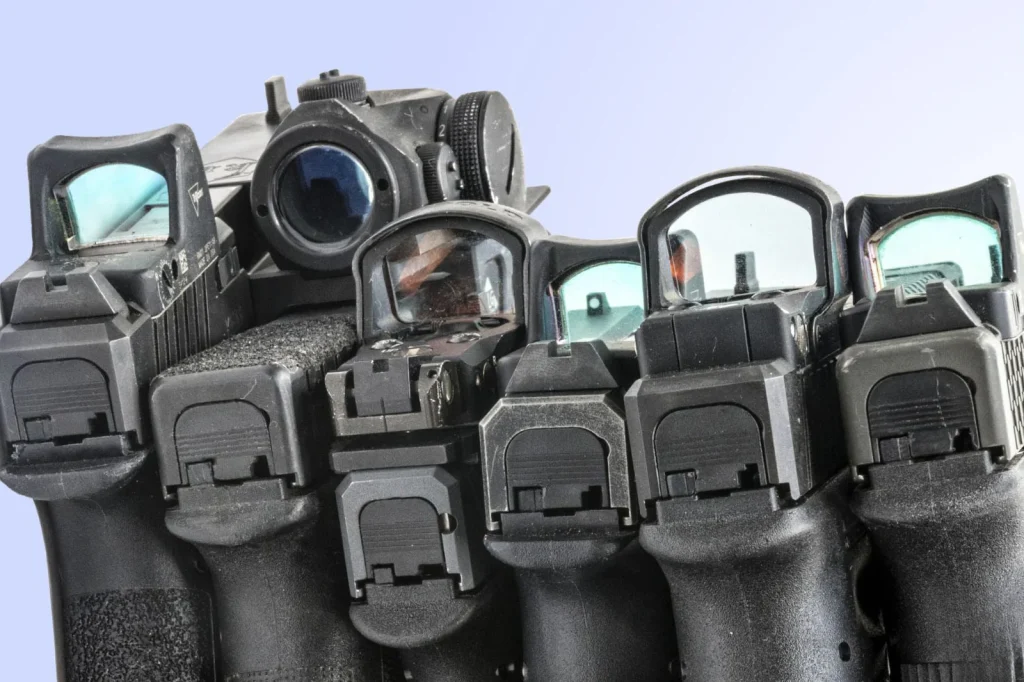
One of the biggest currents underneath the reset is the market’s steady move toward red-dot compatibility. Older slide and frame combinations that were acceptable in the iron-sight era now look less central as shooters, competitors, and agencies expect optics support out of the box.
Several reference articles point to a stronger emphasis on optics-capable platforms and a transition toward new baseline models that are easier to align with future cuts and mounting standards. Glock’s own language about upcoming offerings suggests the company is trying to build around a cleaner starting point rather than keep every older variation alive. That shift fits a market where optics are no longer niche hardware, but part of the expected handgun setup.

4. Illegal conversion pressure has become impossible to ignore
The hardest edge in the story is the scrutiny around illegal “Glock switch” devices that convert compatible pistols into machine guns. Regulatory and legal pressure has intensified as those devices spread, and the numbers show why. Federal data cited in reference coverage showed 11,088 machine gun conversion devices recovered between 2019 and 2023.
That pressure is now shaping design conversations, not just enforcement ones. California’s AB 1127 added another layer by targeting pistols considered readily convertible, pushing the issue from criminal misuse into product compliance. Even without treating every discontinuation as a direct legal response, the surrounding environment makes internal redesign easier to understand.
5. The V Series gives Glock a chance to reset the baseline
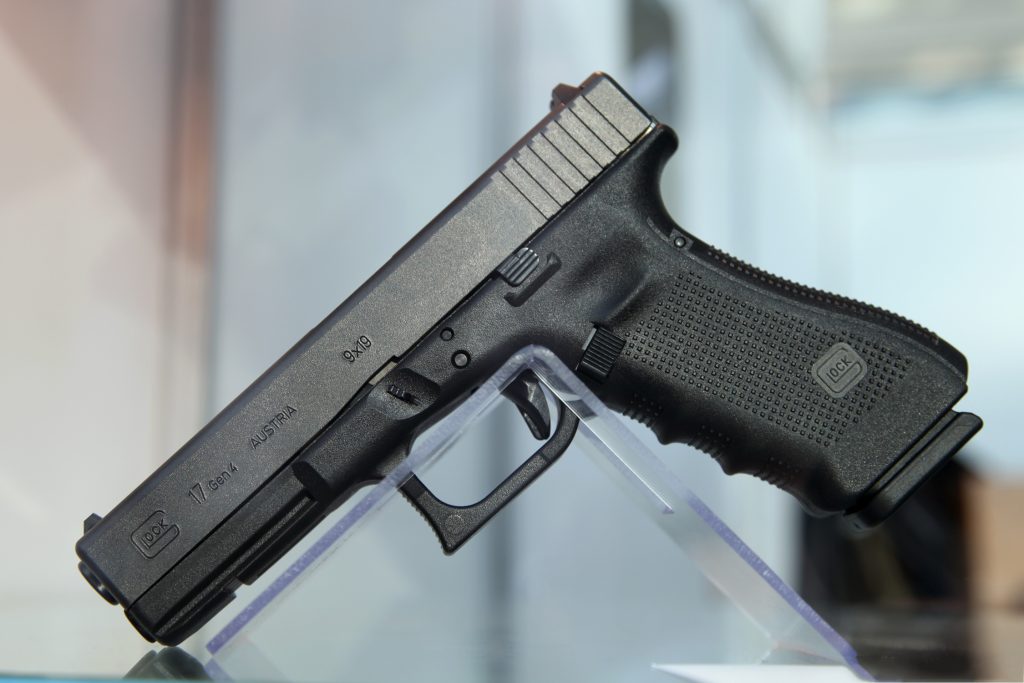
Glock publicly stated that the “GLOCK V Series is here to establish a baseline of products while simplifying our processes”. That wording matters. It suggests the company is not merely retiring old SKUs, but replacing a tangled family tree with a simpler starting lineup.
Outside reporting has attached likely internal changes to that new family, including revised trigger and slide geometry intended to make illegal conversion more difficult. Some details remain uneven across retailer and media accounts, but the broad shape is consistent: Glock appears to be using this moment to rebuild its mainstream commercial range around fewer, more standardized models.
6. Law-enforcement strength gives Glock room to change the civilian catalog
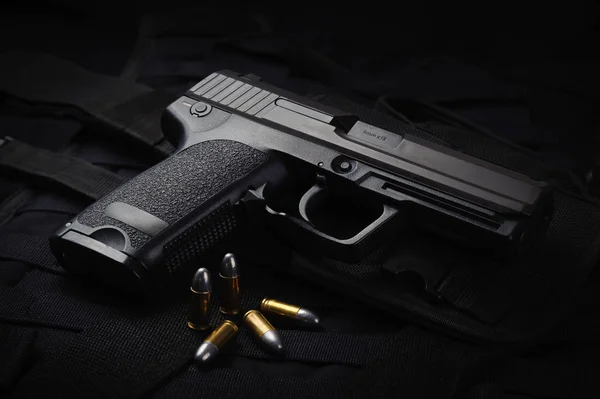
Glock is not making this move from a position of weakness. Its law-enforcement footprint remains enormous even as competition has grown. One reference article noted estimates that 40% to 65% of U.S. law-enforcement agencies still issue or specify Glock pistols, and global sales have reportedly topped 20 million.
That kind of installed base changes the risk calculation. A company with deep institutional adoption, entrenched parts support, and massive magazine compatibility can retire commercial variants without suddenly becoming irrelevant. It can narrow the catalog while still relying on a huge ecosystem of training, armorer support, and aftermarket familiarity.
7. Discontinued models instantly become aftermarket and collector stories
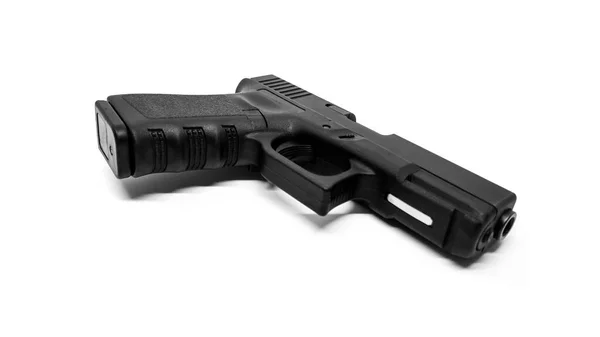
When a high-volume manufacturer cuts well-known models, the ripple effect starts immediately. Some discontinued pistols become parts-and-holster staples for years. Others gain collector appeal simply because they mark the end of a configuration, caliber, or generation. Reference coverage repeatedly pointed to stronger attention on long-slide competition guns, rare chamberings, and certain Gen 3 through Gen 5 variants. Glock has also indicated legacy support will continue, which keeps retired models practical rather than orphaned. That is an important distinction. A discontinued Glock does not vanish from the shooting world; it usually shifts into a different phase of ownership, supported by a huge installed user base and an accessory market that has been built over decades.

Seen as a whole, Glock’s lineup reset is really a clash of old strengths and new realities. The company’s traditional formula of broad familiarity, interchangeability, and long product life still matters, but it now has to coexist with optics demand, tighter compliance pressures, and the economics of trimming slow-moving variants. The result is not simply a list of pistols leaving the catalog. It is a clearer picture of where the modern service-pistol market is headed: fewer redundant models, more standardized platforms, and engineering decisions shaped as much by regulation and manufacturing efficiency as by trigger feel and sight radius.


