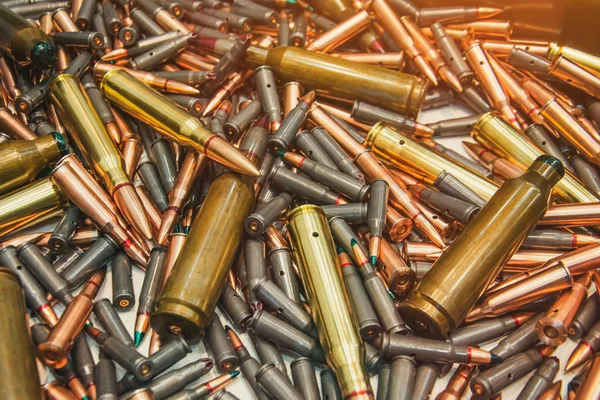
The FBI’s penetration yardstick remains one of the most widely used ways to judge defensive handgun ammunition. In that system, bullets are expected to reach at least 12 inches in ballistic gelatin, because handgun bullets do only one dependable thing: they cut a hole, and that hole has to reach vital structures to matter.
That threshold is not a claim of lethality, and it is not a perfect prediction of real-world outcomes. It is a consistency standard built around 12- to 18-inch penetration across repeated shots and common barriers, especially clothing.
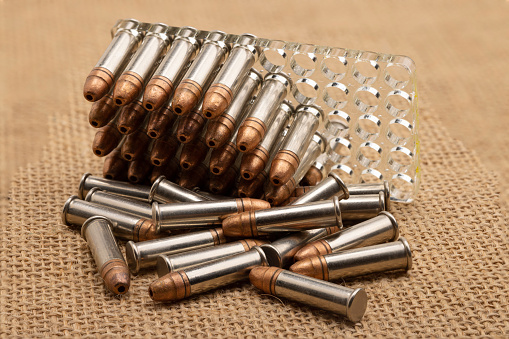
1. .22 LR hollow points from very short barrels
Small rimfire hollow points often look appealing on paper, but pocket-length barrels tend to expose their limits. In handgun testing, .22 LR loads gained noticeable performance only when barrel length increased, and even then expansion was uncommon. Out of snub-size revolvers, penetration became the real challenge.
Ballistic testing of pocket calibers showed that .22 LR ammunition chosen for defense should be judged almost entirely by whether it can drive deep enough, because expansion is unreliable and often costs penetration. The rimfire system also carries a reliability disadvantage compared with centerfire ammunition, with greater chance for voids or gaps in the primer area.
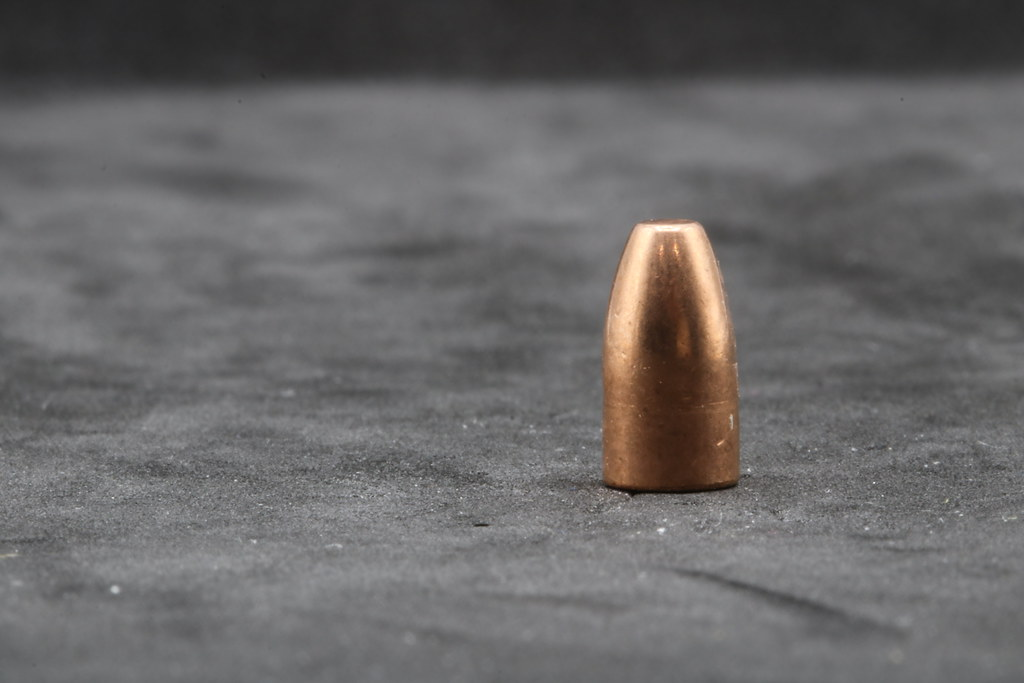
2. .22 WMR defensive JHP loads that trade depth for expansion
.22 Magnum has more speed than .22 LR even from short handguns, and that extra velocity can improve terminal performance. But several purpose-built defensive hollow points in this caliber showed the same recurring compromise seen in other small cartridges: decent upset, not enough depth.
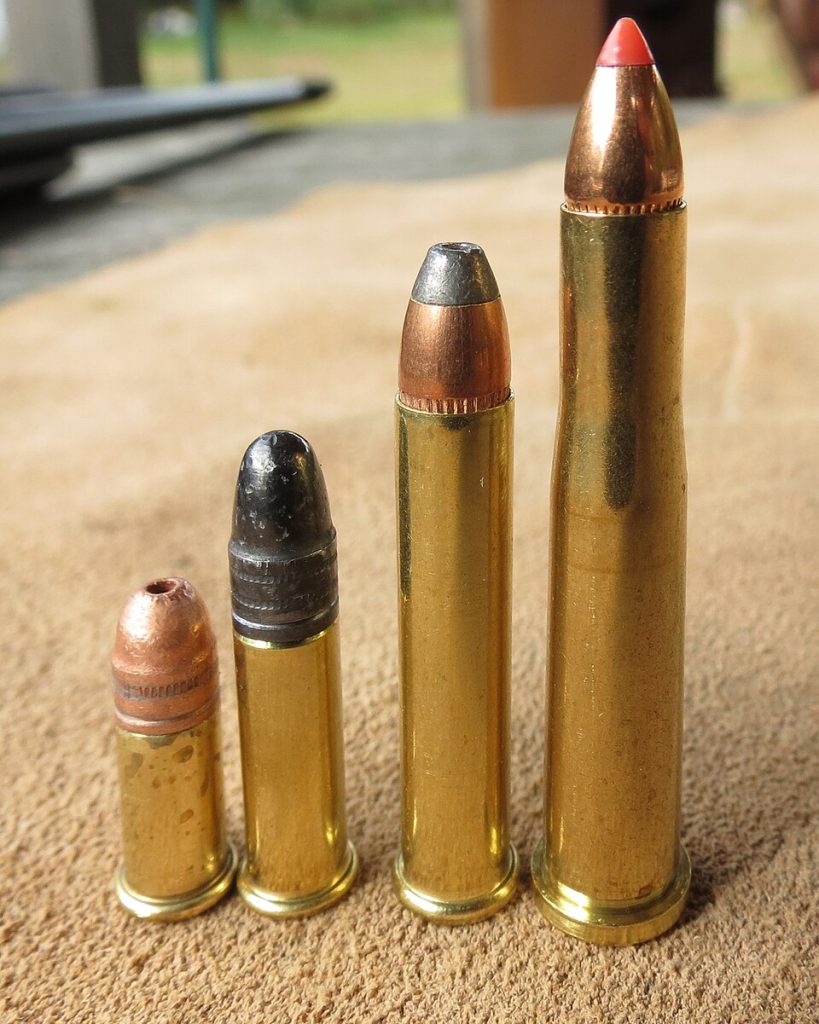
Lucky Gunner’s pocket-pistol tests found that some short-barrel .22 WMR defensive loads expanded with both compact and longer handgun barrels, but penetration suffered. By contrast, conventional non-expanding .22 Magnum loads penetrated adequately, even if they did not open at all. That split makes the caliber a clear example of how a bullet can look more impressive in recovered form while still failing the FBI minimum.
3. .25 ACP loads, including many FMJs and JHPs
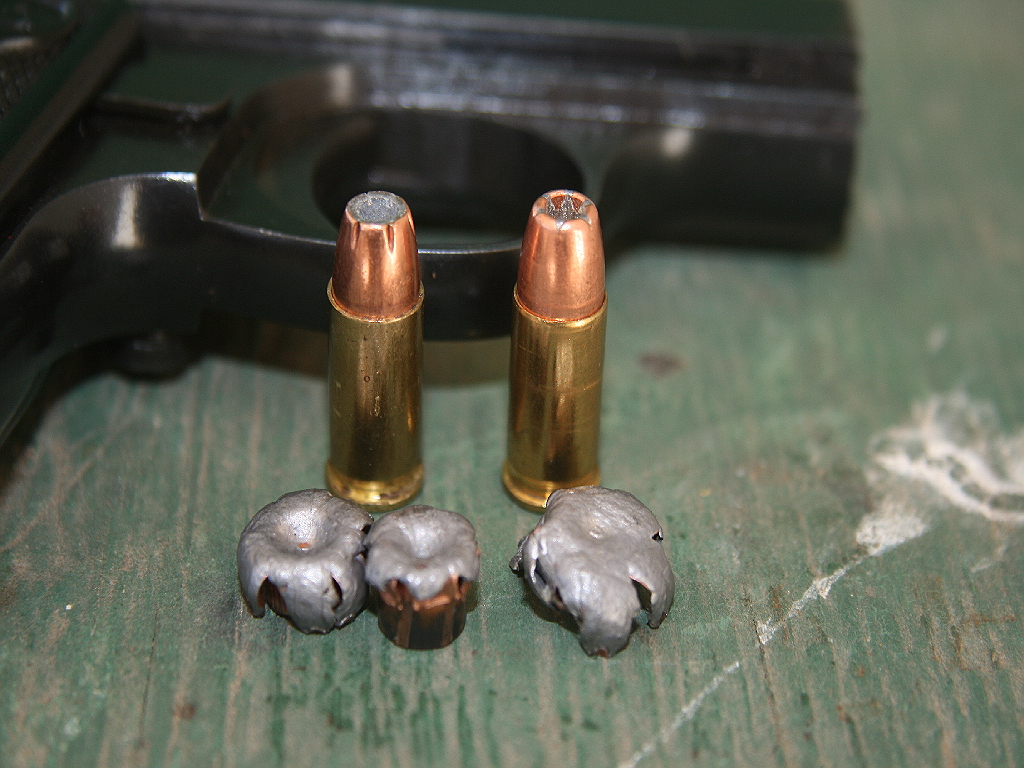
.25 ACP sits near the bottom edge of what gelatin testing considers acceptable for defensive use. Its low velocity and light bullets leave very little room for bullet design mistakes, and the test data reflect that.
In the pocket-pistol series, only one .25 ACP load managed to put all five bullets past the 11-inch mark, meaning it still sat on the wrong side of the FBI minimum. That result matters because the FBI protocol applies a direct penalty when bullets fail to penetrate 12-inches. Whether the projectile was a full metal jacket or a hollow point, the caliber repeatedly ran short of the depth expected from a duty-worthy round.
4. .32 ACP jacketed hollow points
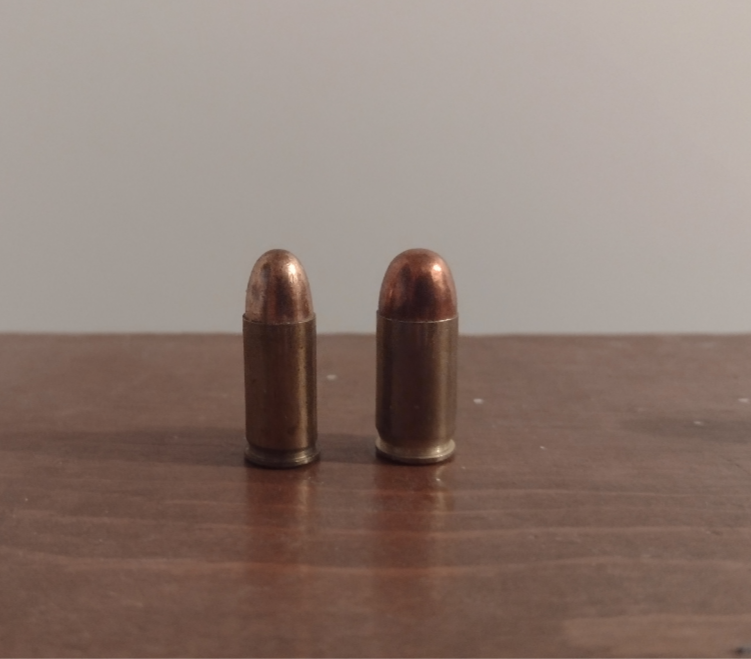
.32 ACP often produces one of the clearest lessons in small-caliber terminal performance: expansion can become a liability when there is not much velocity to spare. Many hollow points in this caliber either expanded too early or failed to expand consistently, and both outcomes hurt overall performance.
Testing showed that several .32 ACP JHP loads had trouble reaching acceptable depth, even when some of them did not expand properly. In the same caliber, FMJ loads frequently penetrated better. That does not make every FMJ ideal, but it does show why lightweight, low-energy cartridges can punish expanding bullet designs that work better in larger service calibers.
5. Fragmenting 9mm loads
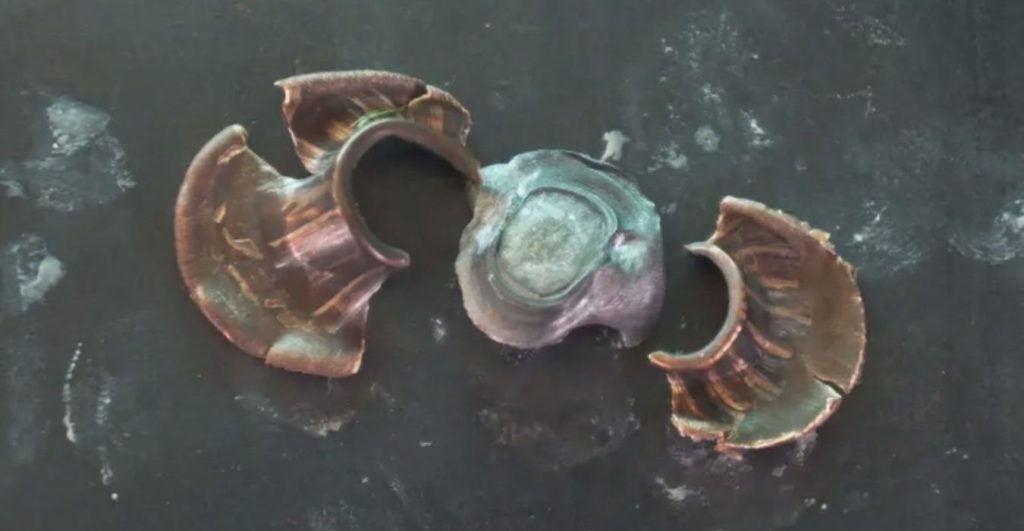
Not every failure belongs to a pocket pistol cartridge. Standard-pressure and +P 9mm loads can perform very well, but fragmenting handgun bullets have repeatedly struggled to meet the same depth standards as more conventional bonded or mechanically locked hollow points.
The broad Lucky Gunner dataset noted that in 9mm, fragmenting bullets were among the few to fall short of the FBI’s 12-inch minimum in heavy clothing tests. That is a useful reminder that dramatic bullet upset does not guarantee useful penetration. When a handgun bullet sheds energy and mass too quickly, the result can be a shallow wound track instead of a more effective one.
6. .380 ACP loads built for rapid expansion
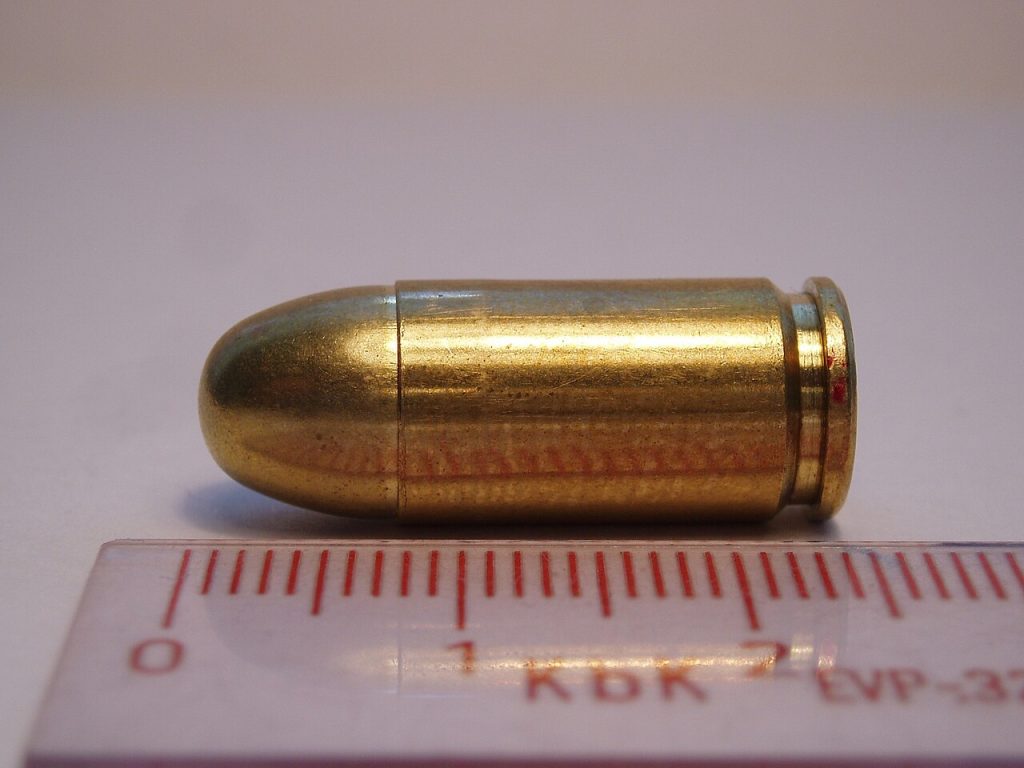
.380 ACP has improved over the years, but it still lives close to the edge of the FBI standard when fired from small carry guns. In many tests, the caliber split into two camps: loads that penetrated adequately but expanded little, and loads that expanded nicely but stopped short.
That pattern is especially pronounced with aggressively expanding hollow points. The heavy-clothing barrier can clog some bullets and cause overpenetration, but the opposite failure is also common in .380: the bullet opens early, slows fast, and comes up short. The data set described .380 as the weakest overall performer among the service-oriented handgun calibers tested, even though a few loads managed respectable balance.
7. Soft-shooting revolver loads that were never designed around modern barrier standards
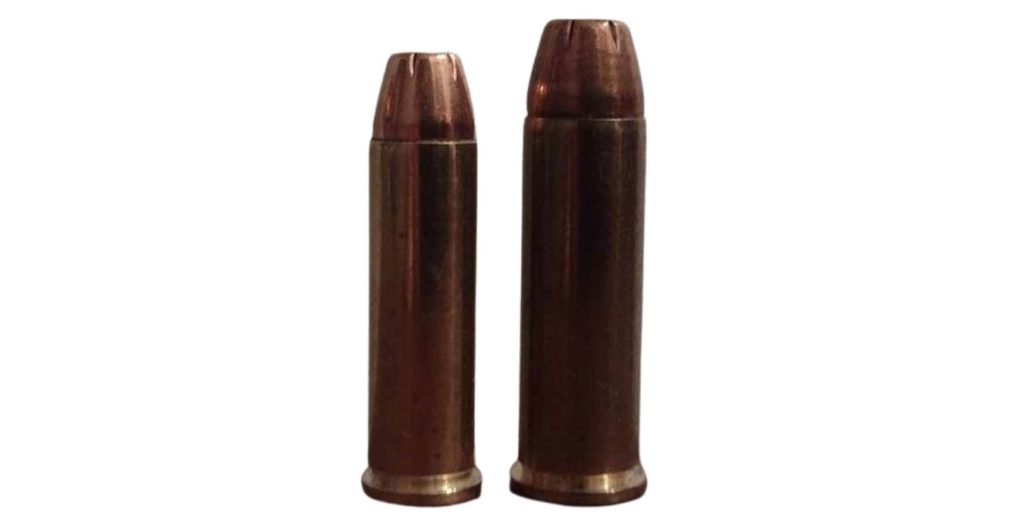
Older revolver cartridges and reduced-recoil loads can be pleasant to shoot, but easy handling does not guarantee enough depth in gelatin. Some of these cartridges perform respectably with non-expanding bullets, yet hollow-point versions often fail to gain enough momentum to both open and penetrate.
The .32 family in particular shows how narrow the margin can be. .32 S&W Long and some .32 H&R Magnum hollow points offered modest or inconsistent expansion, and one load discussed in informal gelatin work penetrated only about 10 inches without the clothing barrier. That kind of result explains why the FBI protocol rewards consistency so heavily and why service-oriented ammunition development has moved toward tougher bullets and more reliable expansion windows.
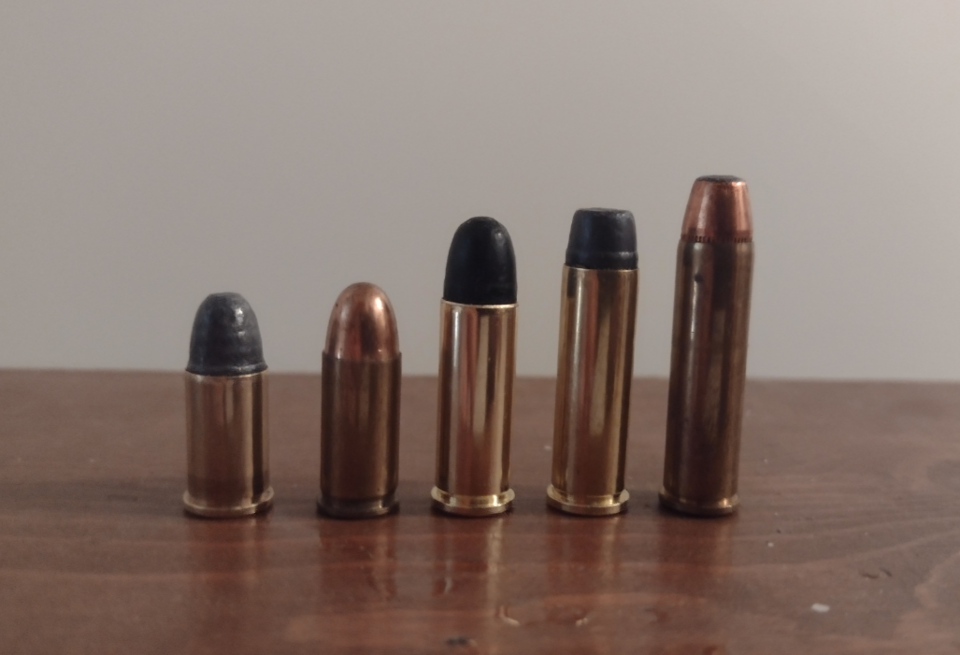
The broad pattern across these seven categories is simple. Cartridges with limited velocity, light bullets, or aggressively expanding designs are the ones most likely to fall under the FBI minimum, especially after heavy clothing gets involved. That does not mean every round in these groups is unusable, and it does not mean gelatin is a complete stand-in for human anatomy. It does mean the 12-inch mark remains a useful filter. Loads that fail it consistently are telling the same story: the bullet may make a wound, but not one deep enough to meet the standard that much of the modern defensive-ammo industry was built around.


