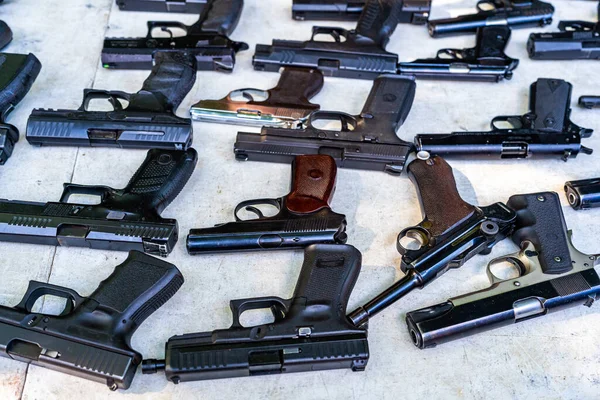
A military sidearm becomes memorable for reasons that go well beyond caliber charts and catalog specifications. The handguns that stay in Army memory are the ones that solved immediate problems: stopping an opponent at close range, fitting new alliance standards, surviving neglect, or filling a production gap when wartime demand outran factory output.
What ties these pistols and revolvers together is not style. It is consequence. Each one forced the Army to rethink what a handgun had to do when the primary weapon was unavailable, impractical, or simply too slow to bring into the fight.
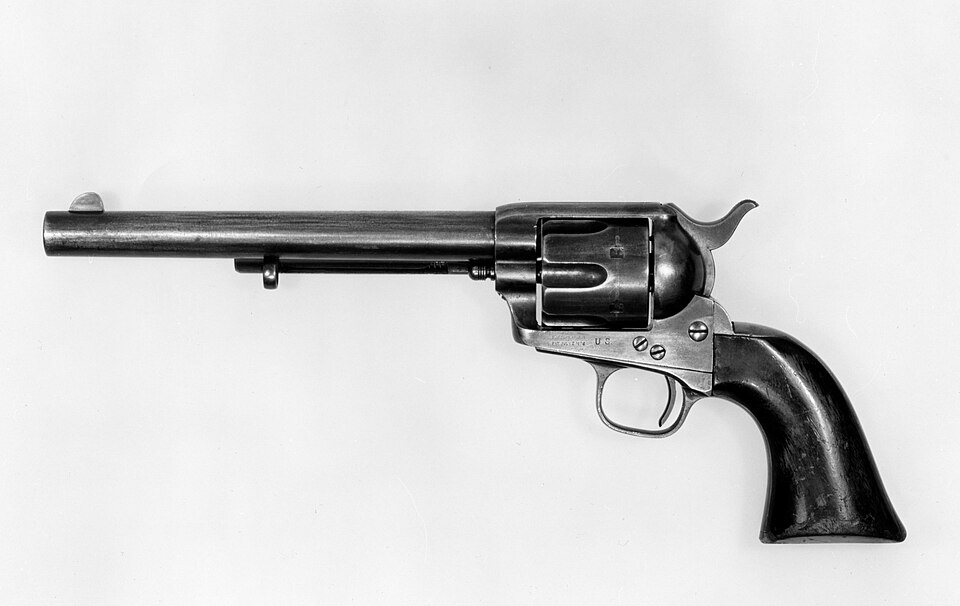
1. Colt Single Action Army set the early standard for rugged field carry
Adopted in 1873, the Colt Single Action Army gave the Army a durable revolver built for harsh service and simple handling. In a period when logistics were inconsistent and maintenance could be uneven, that mattered as much as raw power. Chambered in .45 Colt, it delivered the kind of authority the Army wanted in a holster gun carried across long distances and rough terrain.
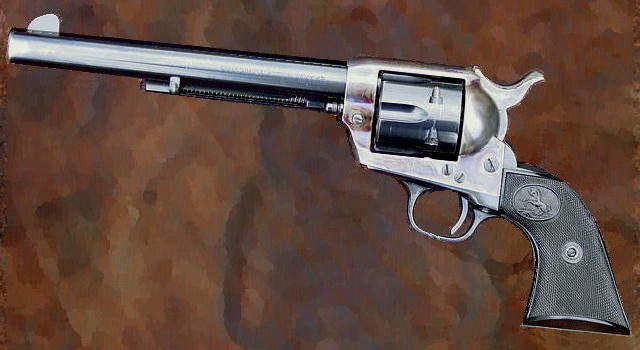
Its early standing was reinforced by Capt. John R. Edie’s verdict that it was “superior in all respects” to the Smith & Wesson No. 3. The revolver’s influence lasted beyond its issue life because it became the benchmark for a rugged service sidearm before detachable magazines and self-loading designs reshaped the category.
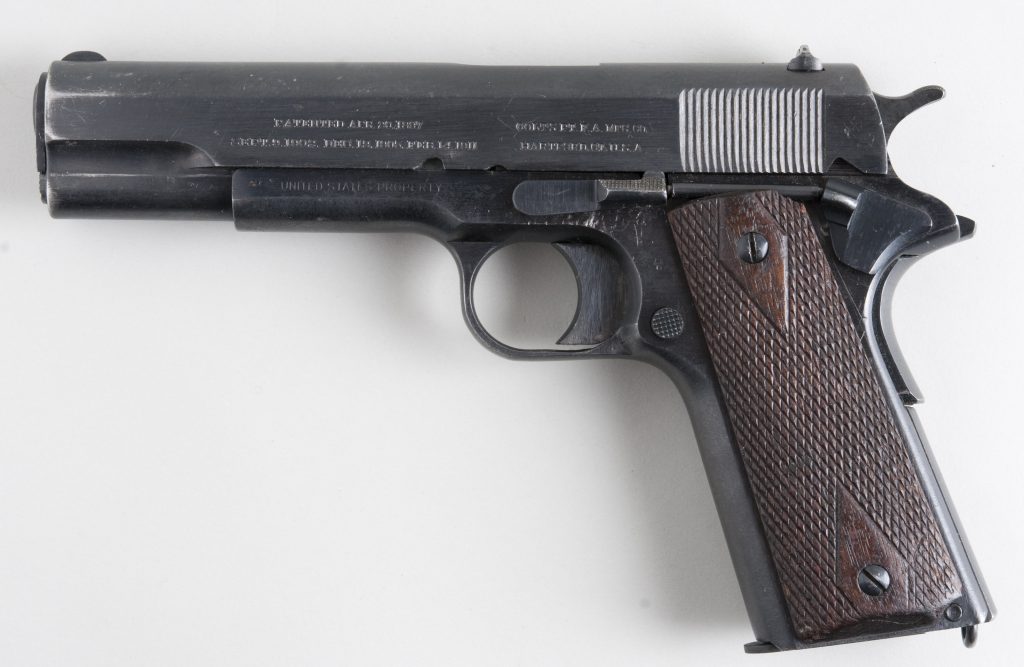
2. M1911 turned battlefield complaints into a new handgun blueprint
The M1911 was the Army’s answer to a hard lesson from the Philippines, where the .38 Long Colt revolver had failed to satisfy demands for close-range stopping effect. That pushed the Army toward a heavier bullet and a self-loading pistol, eventually producing Browning’s .45 ACP design. In the final trials, 6,000 rounds were fired from a single pistol over two days without reported malfunctions, a result that helped lock in the Army’s decision.
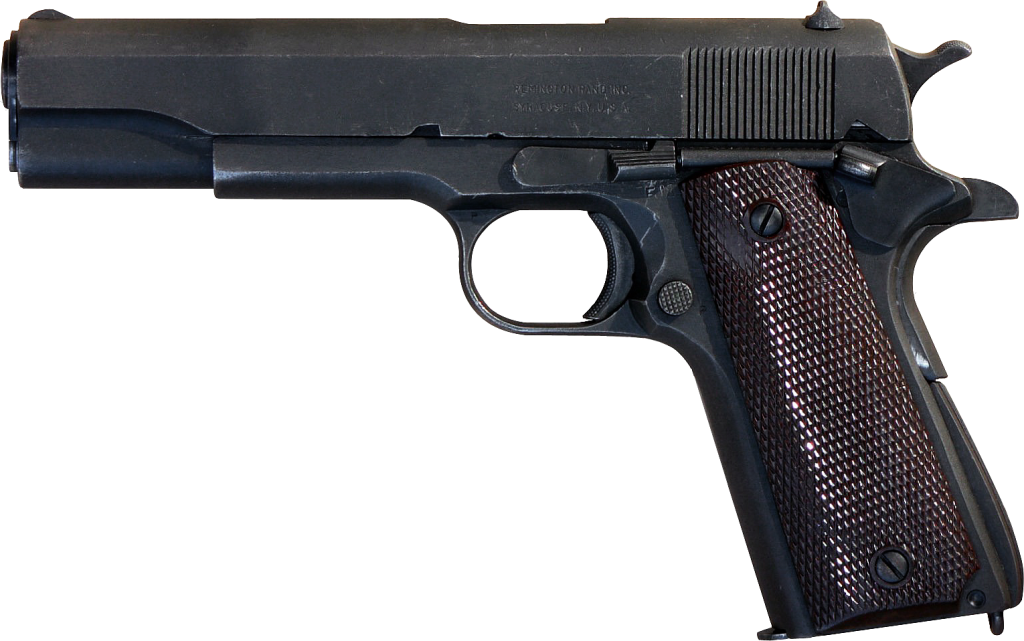
Adopted in 1911, the pistol stayed in standard U.S. military service until 1985, an unusually long run for any service handgun. The M1911A1 changes adopted in 1926 did not alter the core layout so much as refine shootability with a shorter trigger, arched mainspring housing, and improved grip geometry. During World War II alone, more than 1.9 million M1911A1 pistols were procured, giving the design an industrial scale few handguns ever reached. Its reputation came from reliability, practical accuracy, and longevity, but its deeper legacy was doctrinal: it established what the Army expected from a fighting pistol for generations after Browning’s original design.
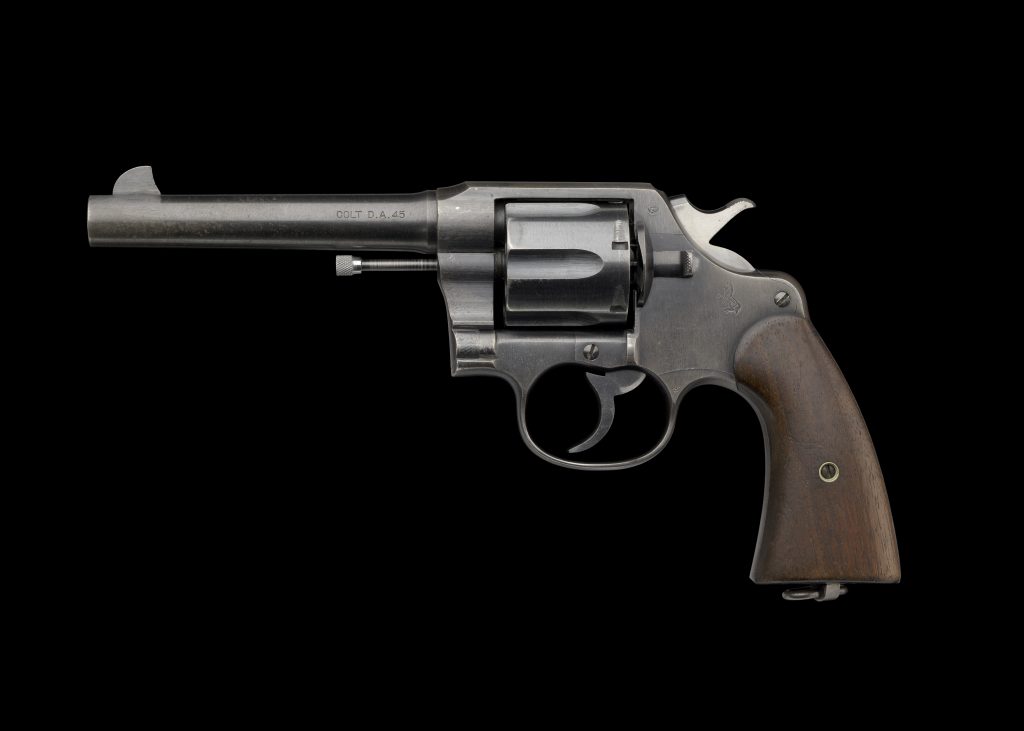
3. M1917 revolvers proved stopgaps can become long-service tools
The M1917 revolvers were born from wartime urgency, not elegant planning. When U.S. entry into World War I created more demand for handguns than M1911 production could satisfy, the Army turned to large-frame Colt and Smith & Wesson revolvers adapted to fire .45 ACP.
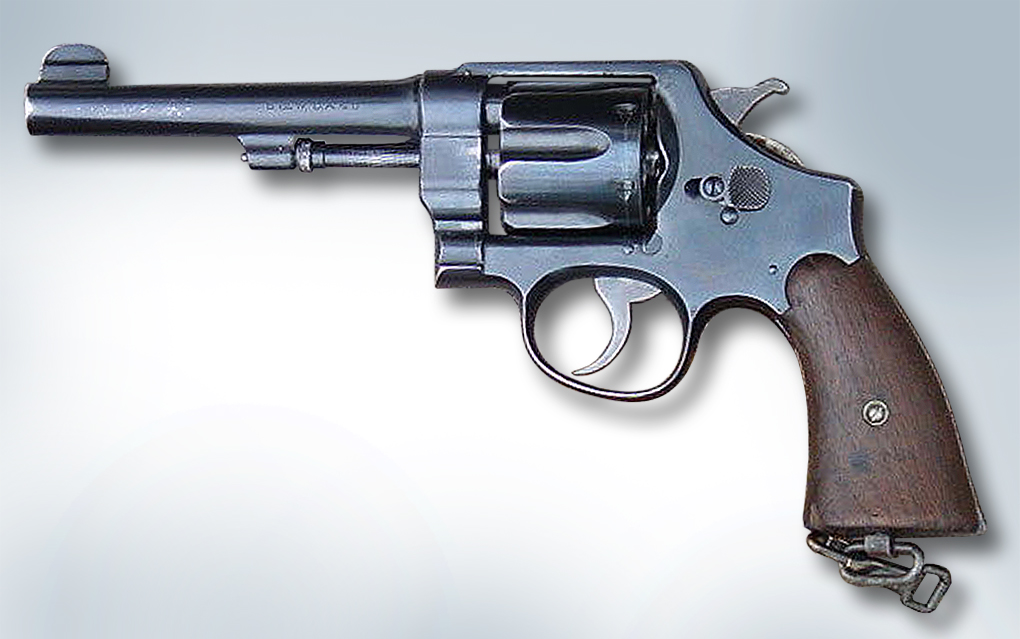
The key engineering fix was the half-moon clip, which allowed a rimless pistol cartridge to load and extract reliably in a revolver cylinder. That practical workaround gave the Army a weapon that could share ammunition with the M1911, easing supply pressure at exactly the moment commonality mattered most. Production reflected the urgency, with more than 150,000 Colt revolvers and more than 153,000 Smith & Wesson revolvers delivered in the 1917 to 1919 period. Intended as temporary answers, they remained useful long after the emergency that created them.
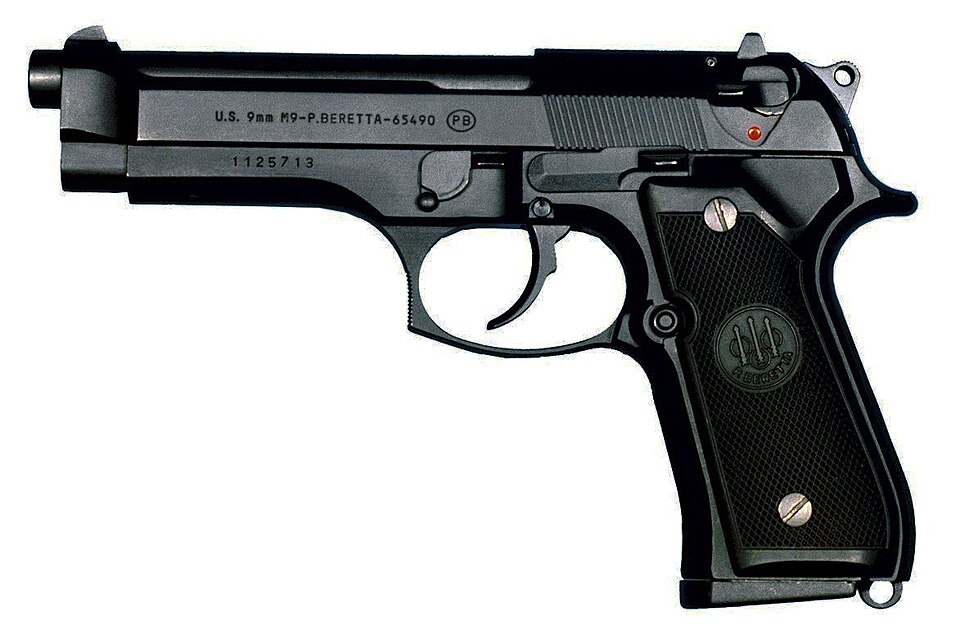
4. Beretta M9 showed how logistics can outweigh nostalgia
When the Army adopted the Beretta 92F as the M9 in 1985, it was not simply replacing an old pistol. It was aligning with NATO’s 9x19mm standard and moving to a higher-capacity sidearm with a double-action/single-action trigger system and an aluminum frame. The testing and politics behind that choice were complicated, but the end result was clear: a service pistol with a 15-round magazine that changed what Army users expected from handgun capacity.
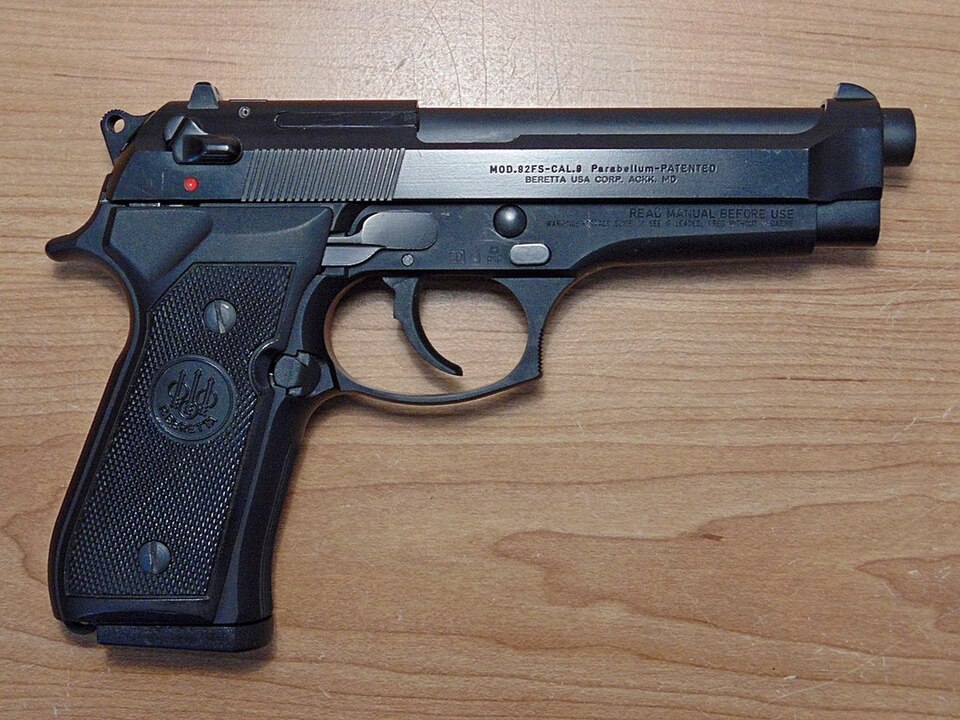
Its path into service ran through the XM9 competition, where Beretta and SIG Sauer emerged as the final technically acceptable designs before Beretta won on the total package. Later reporting on the program describes how the Beretta 92F achieved 1,750 MRBF in Army XM9 testing, while an earlier Air Force competition had shown even stronger reliability numbers for the platform. The pistol’s reputation later became tangled with maintenance failures, bad magazines in dusty conditions, and controversy over slide cracks that were ultimately linked to overpressure M882 ammunition, not a simple design flaw. The later 92FS safety modification and the M9A1’s rail and sand-resistant magazines kept the system relevant as operational demands shifted. For all the arguments around caliber and feel, the M9 remains one of the clearest examples of procurement, interoperability, and sustainment shaping what soldiers carry.
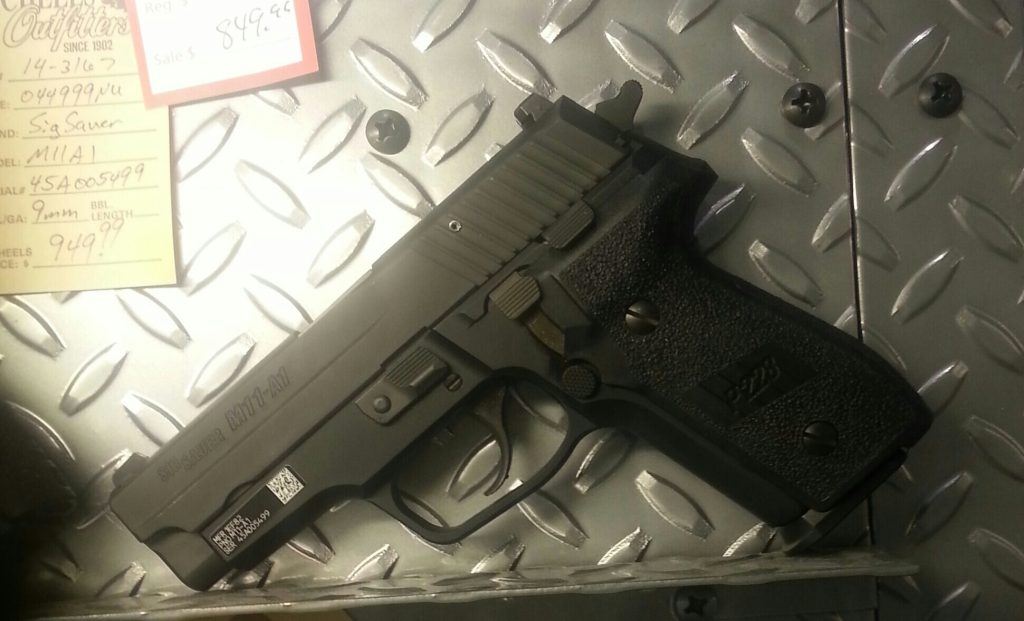
5. SIG Sauer M11 proved compact pistols still needed full-size trust
The M11, based on the SIG Sauer P228, filled a different Army requirement than the M9. It was not meant to replace the full-size service pistol across the board. It was selected for users who needed a more compact handgun for daily carry, investigative work, and specialized assignments where concealability and reduced bulk mattered.
Its appeal was straightforward: dependable function in a smaller package. Aberdeen testing cited in the main record described three pistols firing 15,000 rounds with a single malfunction, the kind of performance that matters most when a handgun is the only weapon immediately available. With a 13-round magazine and consistent handling, the M11 reinforced a lesson that outlasted the pistol itself: a sidearm carried as a backup still has to perform like primary life-saving equipment.
Taken together, these five sidearms trace a clear shift in Army thinking. Early handguns emphasized ruggedness and raw effect. Later designs reflected industrial scale, ammunition commonality, alliance standardization, and the realities of specialized carry. The through-line never changed. Army sidearms earned their place when they kept working under pressure and solved a problem bigger than the handgun itself.


