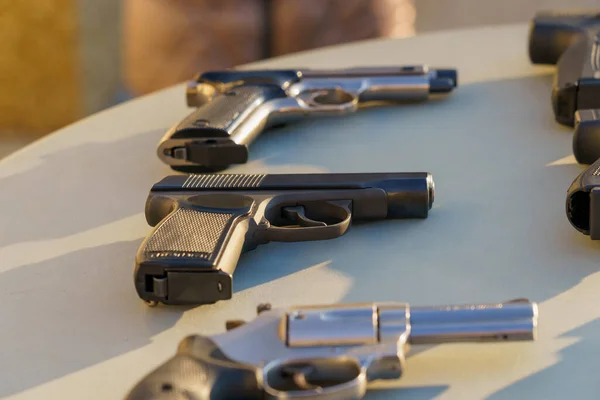
The 9mm pistol did not become a fixture of military holsters, police duty belts, and civilian carry guns by accident. The cartridge rose because handgun design, magazine capacity, recoil control, and training realities gradually lined up around it, turning the 9mm into America’s default handgun cartridge.
Some pistols mattered because they were first. Others mattered because they solved problems better than rivals, or because they pushed an entire industry toward new materials, new capacities, and new expectations. These ten handguns stand out not as museum pieces alone, but as designs that redirected what shooters came to expect from a modern sidearm.
1. Luger P08
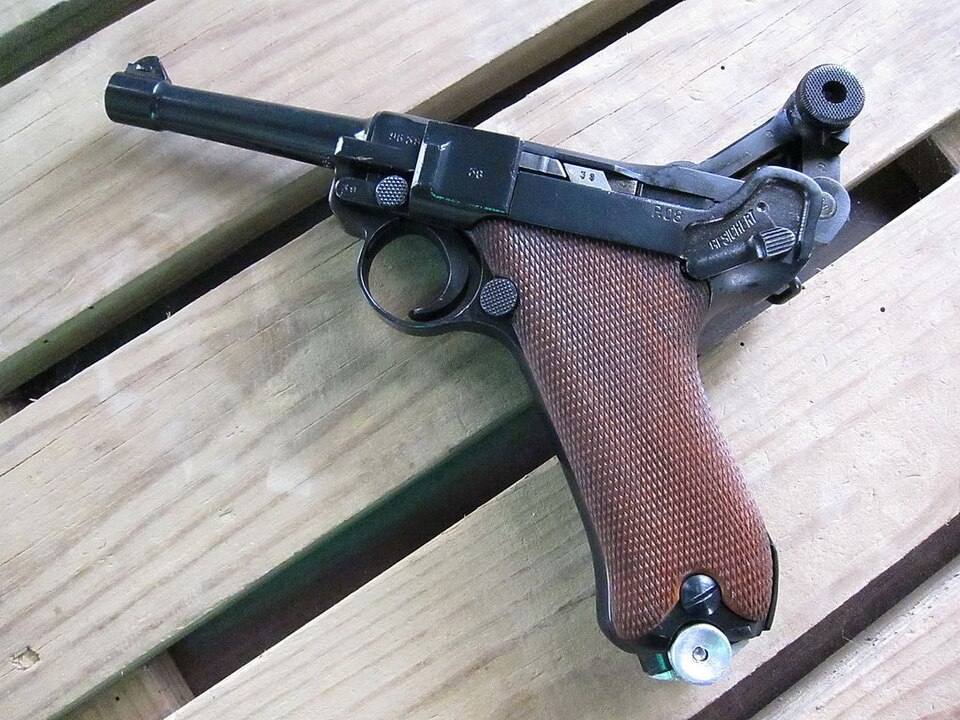
The Luger sits at the beginning of the story because the pistol and cartridge are tied together so closely. It made the 9mm Parabellum famous, and its toggle-lock mechanism gave early autoloading pistol design one of its most recognizable silhouettes. For many people, the visual identity of an early semi-auto pistol still begins here.
Its long-term influence was less about durability into the modern era than about establishing the 9mm as a serious military cartridge. The pistol itself became a historical landmark, while the ammunition it helped popularize outlived it by more than a century.
2. Browning Hi-Power
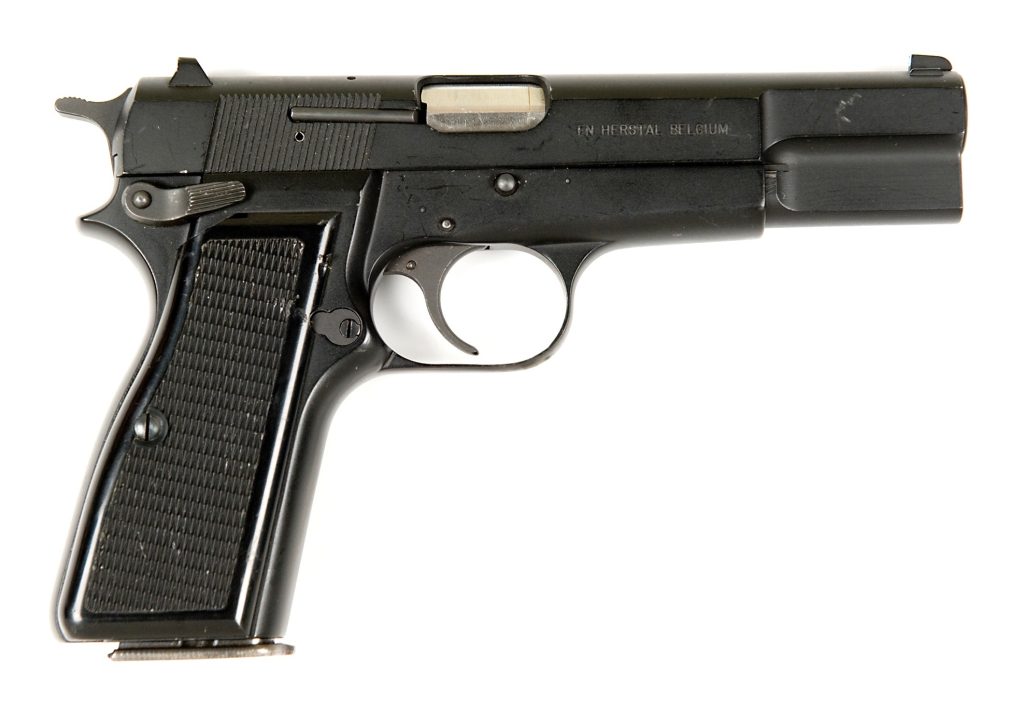
The Browning Hi-Power changed expectations with a 13-round magazine at a time when that figure looked enormous for a service pistol. Designed by John Browning and completed by Dieudonné Saive, it introduced the double-stack concept to a much wider military audience and became one of the clearest ancestors of the so-called Wonder Nine era.
Its reach was extraordinary. The design was used by the armed forces of over 50 countries, a level of adoption that explains why the pistol still carries so much weight in discussions of service handgun history. Even many later pistols that look nothing like the Hi-Power still follow the path it opened: high capacity, manageable recoil, and a grip shape that made the package usable.
3. Beretta 92
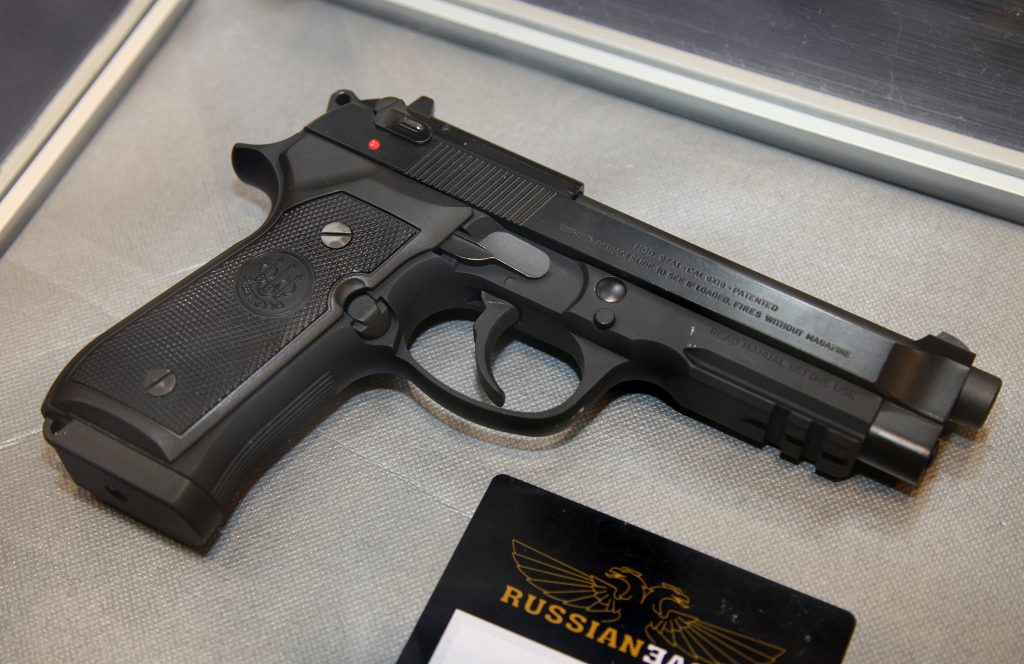
The Beretta 92 became a global symbol of the modern military sidearm through its U.S. service life as the M9. Its open-slide design and locking block system gave it a look unlike almost anything else in wide issue, and its full-size frame represented the peak of the all-metal, double-stack duty pistol.
More importantly, it helped normalize the idea that a 9mm service pistol could replace larger-caliber handguns at national scale. That institutional shift mattered as much as any mechanical feature.
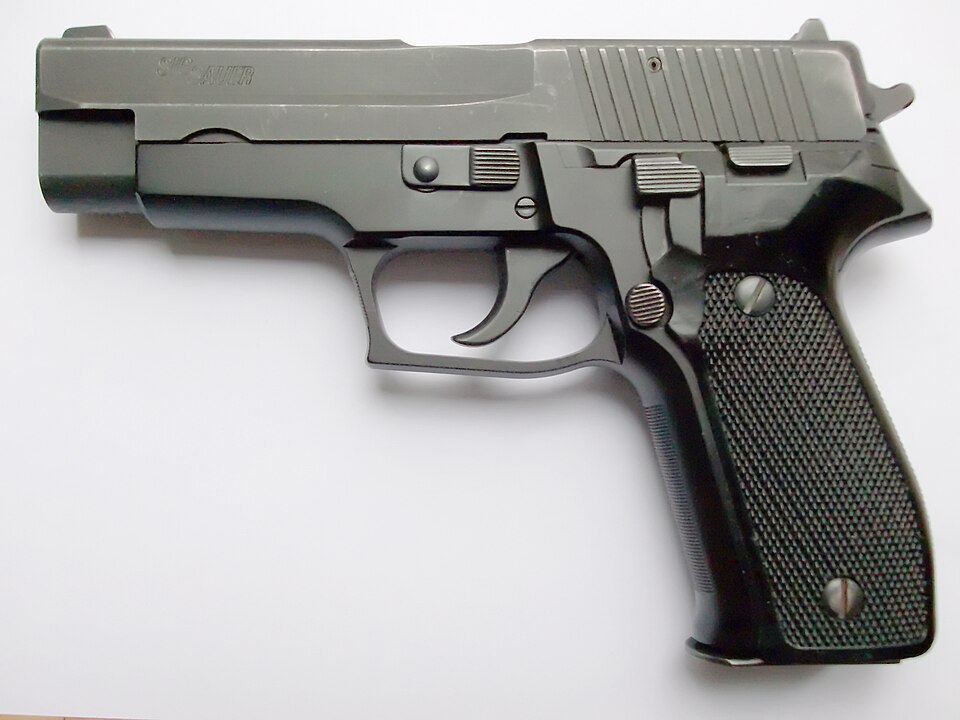
4. SIG Sauer P226
The P226 built its reputation on durability, accuracy, and a duty-grade DA/SA layout that appealed to agencies wanting a traditional metal-frame service pistol. It is often remembered for coming close to the same major U.S. military contract that went to Beretta, but its separate legacy is just as strong.
Specialized units kept it relevant for years because it combined hard-use reliability with a level of shootability that made it more than a backup choice in the history of 9mm sidearms.
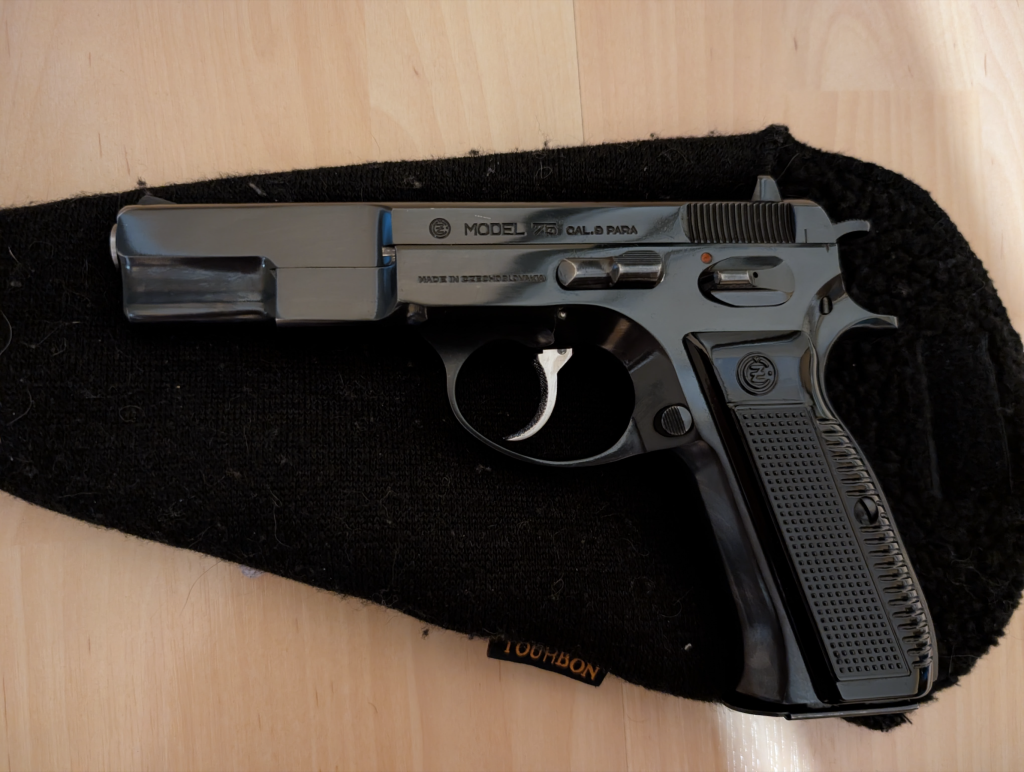
5. CZ 75
The CZ 75 is one of the most influential pistols ever produced without always getting equal credit outside enthusiast circles. Its inside-the-frame slide rails, excellent ergonomics, and strong accuracy record made it a favorite far beyond its country of origin.
It also showed how a steel-framed 9mm could feel slim and natural in the hand while still offering serious magazine capacity. That blend kept the design alive in military, police, and competition settings for decades.
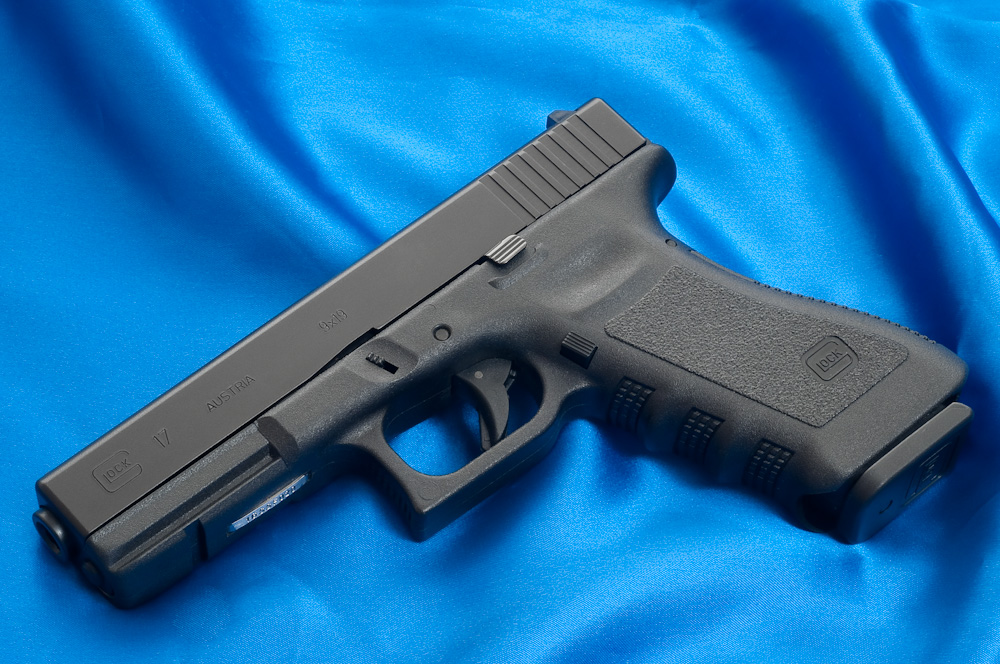
6. Glock 17
The Glock 17 did not simply arrive as another service pistol. It overturned assumptions. Its polymer frame, striker-fired action, and sparse external controls looked radical in the early 1980s, and early skepticism around a “plastic” duty gun quickly gave way to widespread adoption once the pistol proved itself.
The design’s simplicity became part of its power. Glock pistols were documented routinely exceeding 30,000 rounds with maintenance focused largely on normal wear items, not major core failures. The Glock 17 became the template for the modern full-size duty pistol: lighter, simpler, easier to maintain, and built around 17-round capacity.
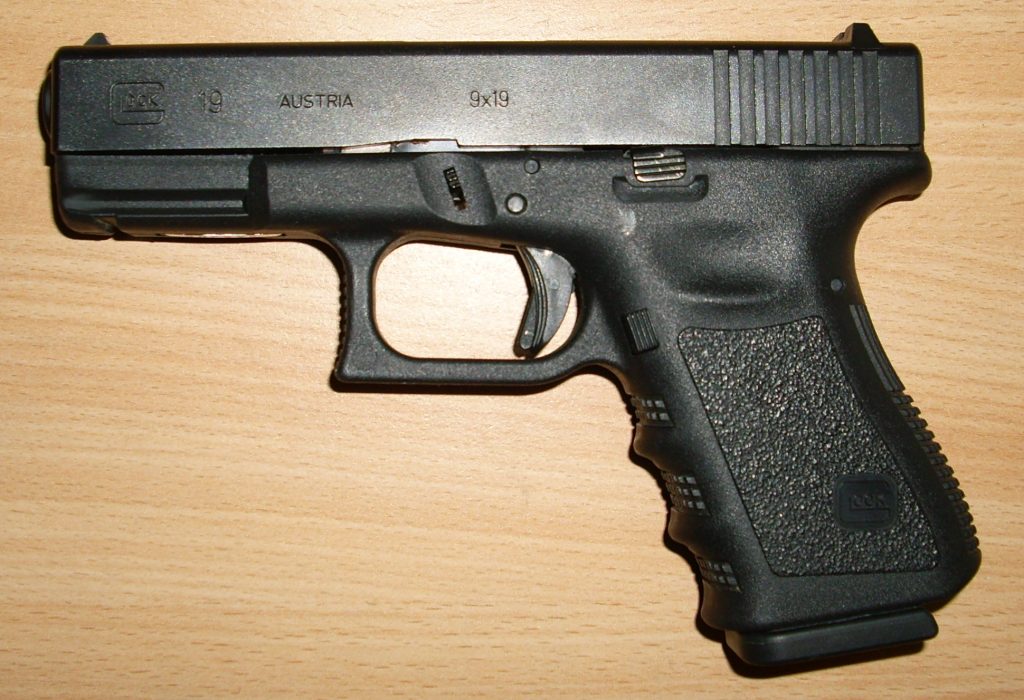
7. Glock 19
If the Glock 17 rewrote the duty-pistol formula, the Glock 19 refined it into the do-everything size class. Big enough for service use and compact enough for concealed carry, it became the pistol that collapsed multiple roles into one practical package.
That balance helped explain why compact 9mm pistols became such a dominant category. The Glock 19 was not the first compact service-capable handgun, but it became the benchmark that many later designs had to answer.
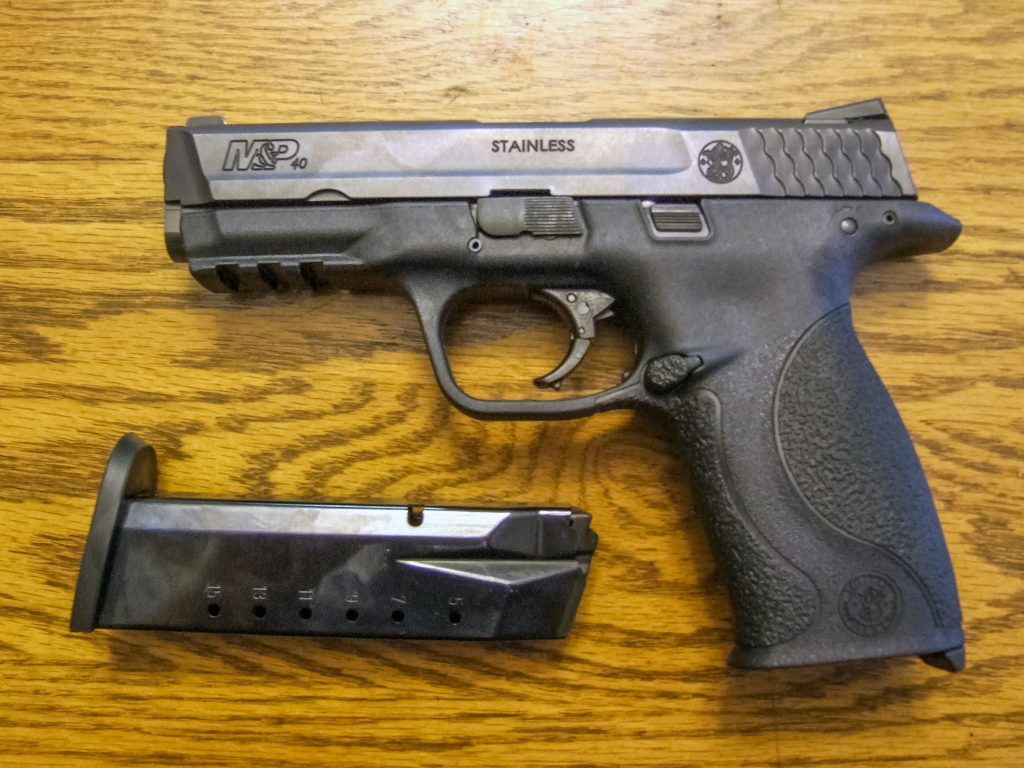
8. Smith & Wesson M&P Shield
The Shield belongs on this list because the concealed-carry era changed the center of gravity in the handgun market. As more shooters wanted thinner pistols without abandoning 9mm capacity and controllability, compact single-stack and slim-profile designs took on a larger role.
The Shield helped define that transition. It showed that a small carry pistol did not need to feel like a compromise piece disconnected from full-size service-gun handling.
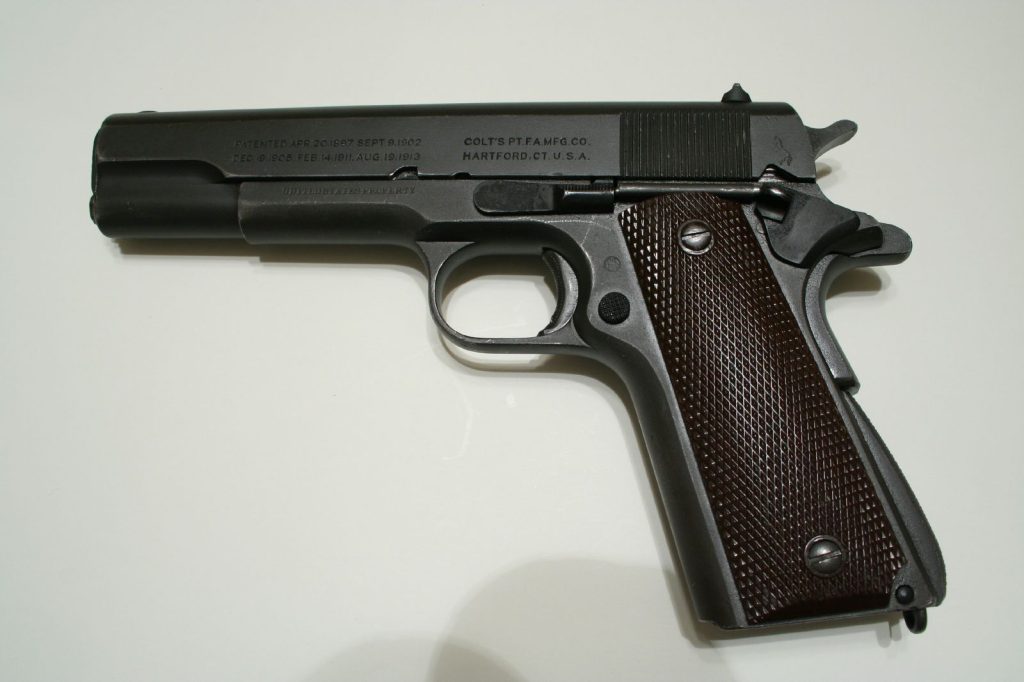
9. Colt 1911 in 9mm
The 1911 became famous in another cartridge, but the 9mm version matters because it demonstrates how thoroughly the caliber reshaped handgun preferences. A design born in one era adapted to a cartridge that later generations increasingly preferred for lower recoil and higher capacity.
That crossover says as much about the 9mm’s dominance as it does about the 1911 platform itself. When classic metal-frame ergonomics met modern 9mm expectations, the result showed how older formats could stay relevant without staying unchanged.
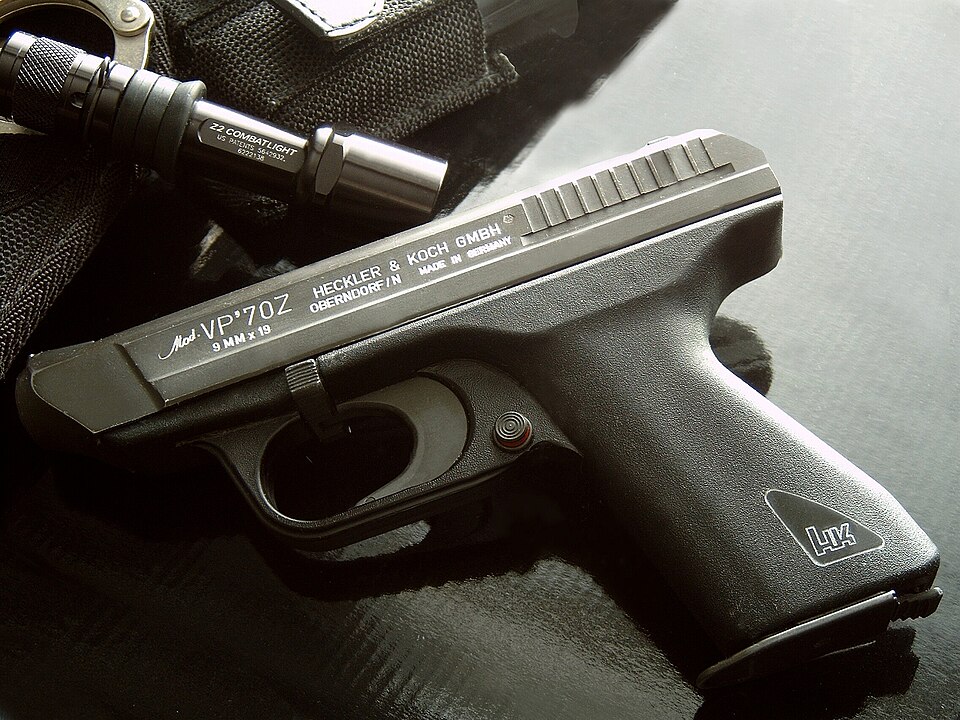
10. Heckler & Koch VP70
The VP70 was far ahead of its time. It brought a polymer frame to a production pistol years before Glock made the concept mainstream, and that fact alone secures its place in any serious discussion of consequential 9mm designs. It was not the pistol that won over the broad market, but it demonstrated where handgun engineering could go. In retrospect, the VP70 looks less like an oddity and more like an early signal of the materials and manufacturing shift that would eventually redefine service pistols.
Put together, these pistols map the full arc of the 9mm service handgun: early adoption, high-capacity breakthroughs, metal-frame maturity, polymer disruption, and compact carry expansion. Some survived because they were adaptable. Others lasted because they solved institutional problems better than anything else on the table. The common thread is straightforward. Each design changed what shooters, agencies, or manufacturers considered normal, and once that standard moved, the rest of the handgun world had to move with it.


