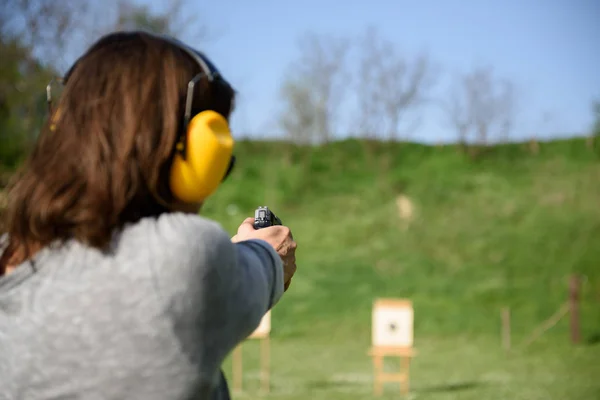
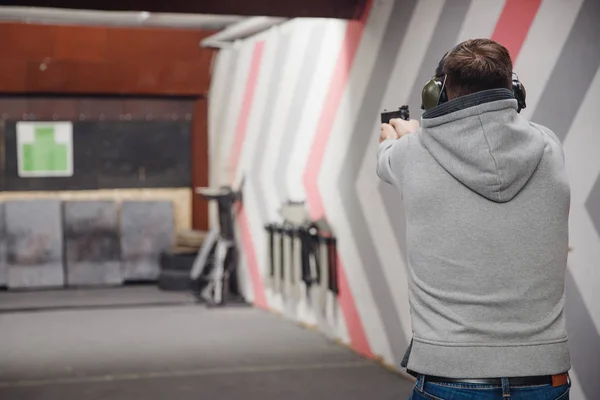
Calm range habits do not always survive contact with pressure. A pistol that feels easy to manage during slow, predictable drills can expose weak safety habits the moment time shrinks, attention narrows, and the shooter has to process more than sights and trigger. The common mistake is not simply “forgetting safety.” It is relying on a safety routine that only works in low-stress conditions. Research on armed professionals has shown that shooting accuracy dropped by 14.8% under high-pressure conditions, while decision-making and reaction time also suffered. That matters because any safety system that depends on extra thought, extra hand movement, or a perfectly repeated sequence becomes harder to execute when stress strips performance down to habit.
1. Treating the safety as a step instead of a system
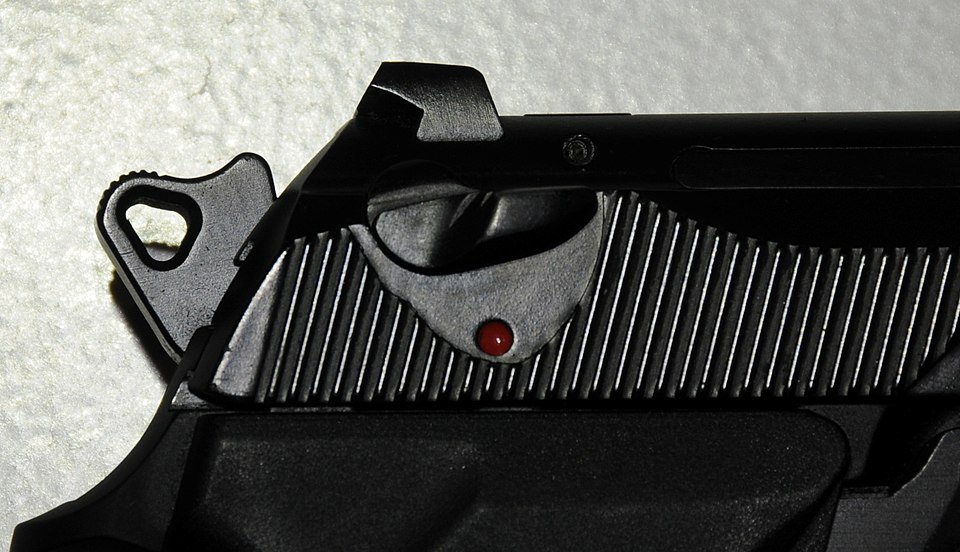
Many shooters practice the manual safety as a separate action: draw, then think about the lever, then fire. Under stress, that split process breaks apart. The stronger habit is a unified presentation in which disengaging the safety happens as part of the drawstroke and re-engaging it happens as part of returning the pistol to a safe condition. This is where platform choice changes the training burden. Hammer-fired pistols with manual safeties or decocking levers can add useful control, but manual safeties or decocking levers may introduce complexity under stress. The mechanism is not the problem by itself. The mismatch between mechanism and training depth is.
2. Building habits only on a flat range
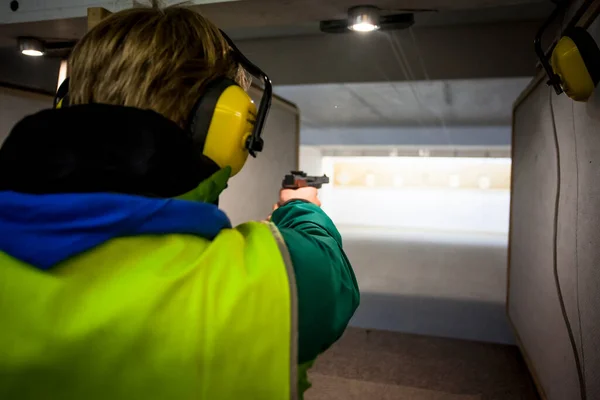
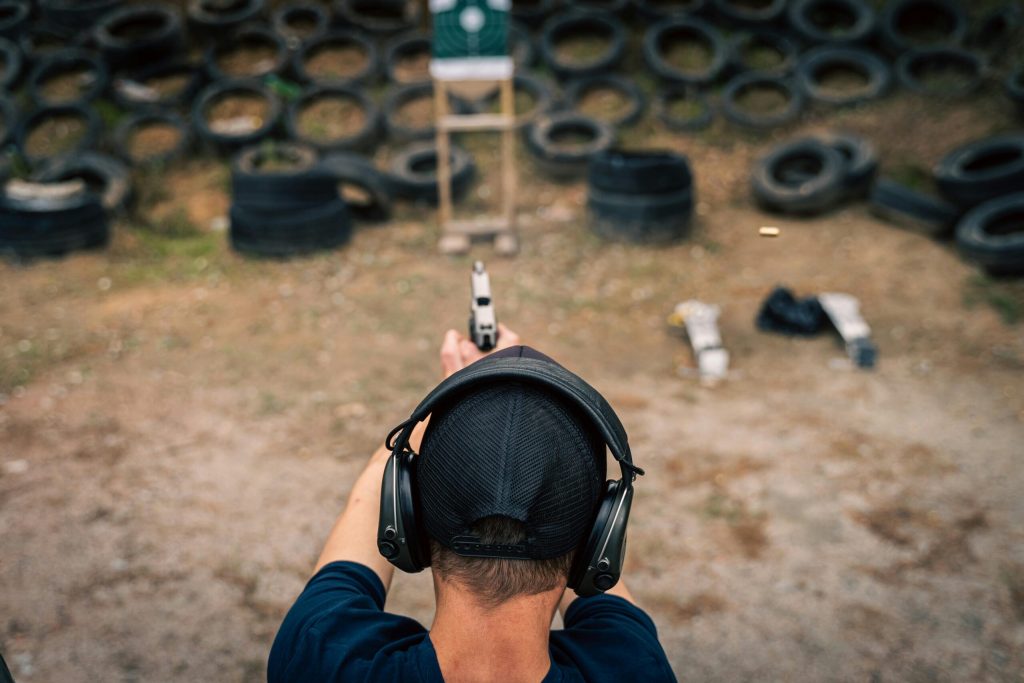
A square range is useful for marksmanship, but it is a poor place to test whether a safety habit will hold up when the brain is busy. Static drills often reward neat gun handling without forcing the shooter to divide attention between movement, threat recognition, timing, and pistol manipulation. The research base behind high-pressure firearms performance points in the same direction. Across multiple tactical studies, scenario-based interventions that added realistic pressure improved performance by 10.6% compared with control training. That does not mean chaos is required. It means the safety habit has to be rehearsed in context, not only in comfort.
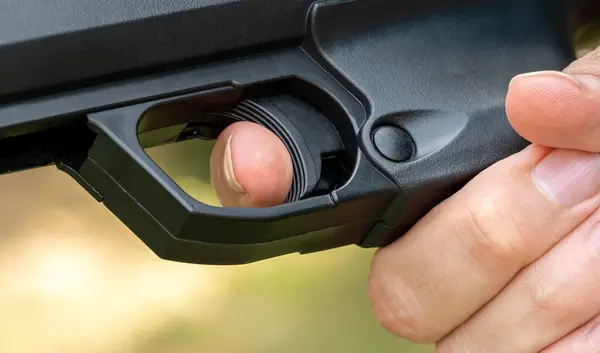
3. Letting trigger-finger discipline become the entire safety plan
Trigger discipline is foundational, but many shooters use it as a substitute for a complete safety routine. That is especially common with striker-fired pistols, where the manual of arms is simpler and external levers are often absent. That simplicity cuts both ways. As many striker-fired pistols lack external safeties, the entire handling standard shifts onto disciplined indexing, careful holstering, and a consistent draw. When stress rises, the body tends to clamp down with the hands. A shooter whose “safety habit” begins and ends with good intentions rather than repeated mechanics is depending on self-control at the exact moment self-control is under strain.
4. Practicing the draw without practicing the decision
A safety manipulation that works in isolation can fail when the shooter also has to decide whether to fire at all. High-pressure studies found a measurable drop in decision accuracy, not just hit probability. In other words, stress does more than shake the hands. It changes how information is processed. A useful safety habit therefore includes decision points: when the pistol comes out, when it stays out, when it returns to ready, and when it goes back into the holster. Shooters who only rehearse “beep, draw, shoot” often build speed without building a complete safety loop.
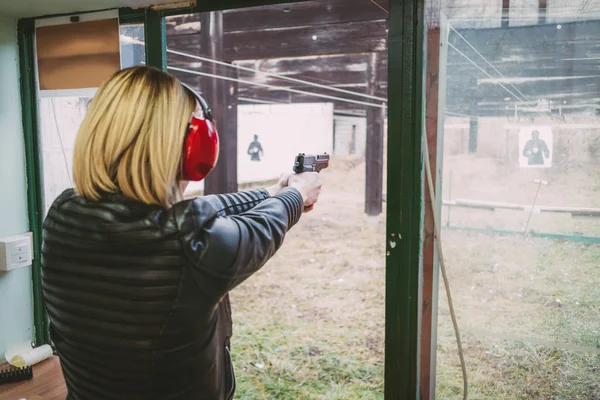
5. Ignoring how experience changes performance
Experience does not make stress disappear, but it does appear to soften the loss. The same review found that accuracy loss improved by about 1.1% per year of service experience in the populations studied, and some evidence suggested seasoned personnel performed better during high-pressure tasks. That finding points to a practical reality: a safety habit has to be overlearned before it is reliable. Newer shooters often believe they “know” the safety sequence after a few clean repetitions. Under pressure, knowledge is not the same thing as automatic behavior.
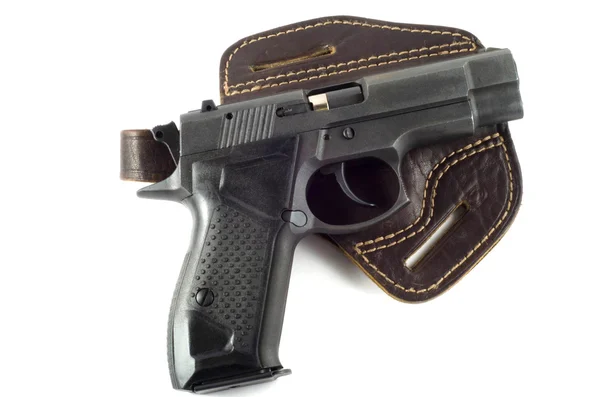
6. Reholstering as if the problem is over
The end of a string of fire is where many safety lapses appear. Attention drops, breathing changes, and the shooter mentally leaves the task before the pistol is secured. With manual-safety pistols, that can mean failing to re-engage the safety before holstering. With striker-fired pistols, it can mean careless trigger-finger placement or rushed holster entry. This is a short moment, but it carries a lot of risk. A durable safety habit treats reholstering as a deliberate procedure, not an afterthought. The faster part is over; the careful part remains.
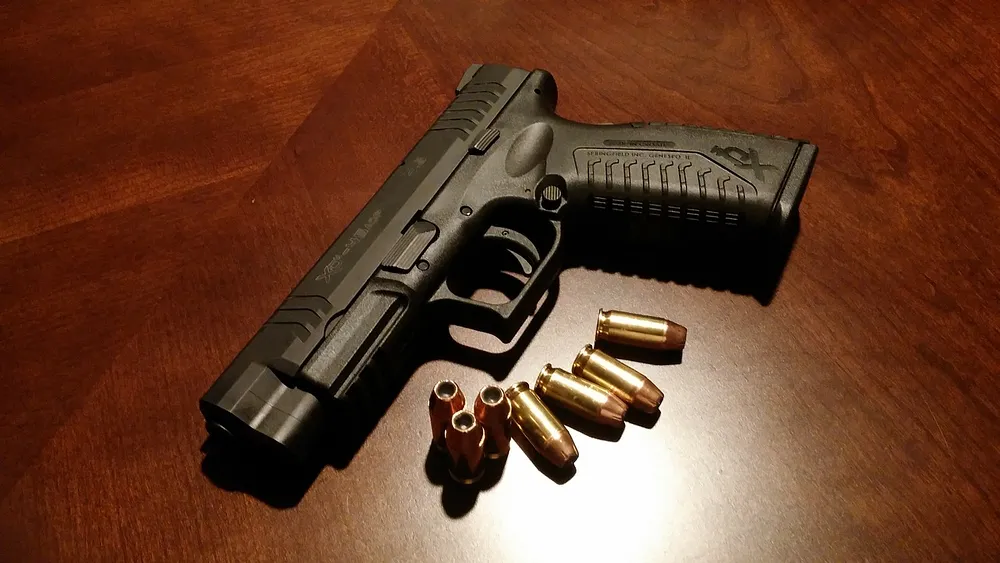
7. Choosing a pistol system without matching it to training volume
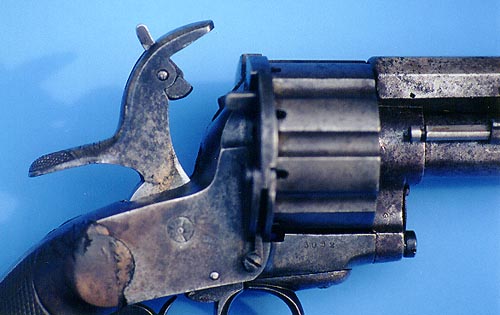
No pistol action type automatically fixes stress performance. Hammer-fired designs can provide tactile status cues and mechanical options. Striker-fired designs offer consistency and fewer external controls. The engineering trade-off is clear: more controls can provide more control, but they also demand more procedural fluency.
The real dividing line is not which system is better in theory. It is whether the shooter has built a repeatable habit around that system. If the pistol requires a thumb safety, the thumb safety must be part of every repetition. If the pistol relies on internal safeties, then indexing, presentation, and holstering discipline must be even more exact.
The safety habit many shooters get wrong under stress is assuming that calm performance equals durable performance. It does not. Pressure exposes whether the shooter has one smooth, repeatable handling pattern or a collection of separate steps that only work when nothing else is happening. A reliable pistol safety habit is not memorized. It is embedded deeply enough to survive distraction, urgency, and the natural performance drop that stress brings.


