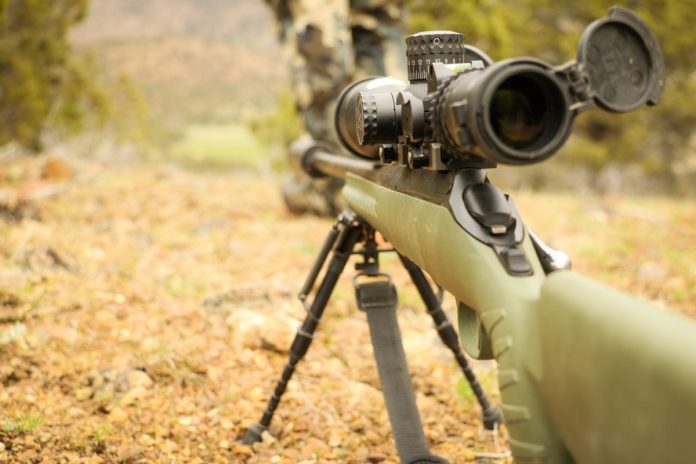
Rifle talk often treats caliber like a master answer. One chambering gets labeled flat enough, hard-hitting enough, mild enough to shoot well, and versatile enough to cover everything from close timber to open-country shots. That idea survives at the gun counter and around campfires because it sounds efficient.
Field shooting keeps exposing the weakness in that claim. Real outcomes depend on a stack of variables that sit on top of caliber: barrel length, impact velocity, bullet construction, recoil management, practical distance, and the difference between bench confidence and hunting conditions.
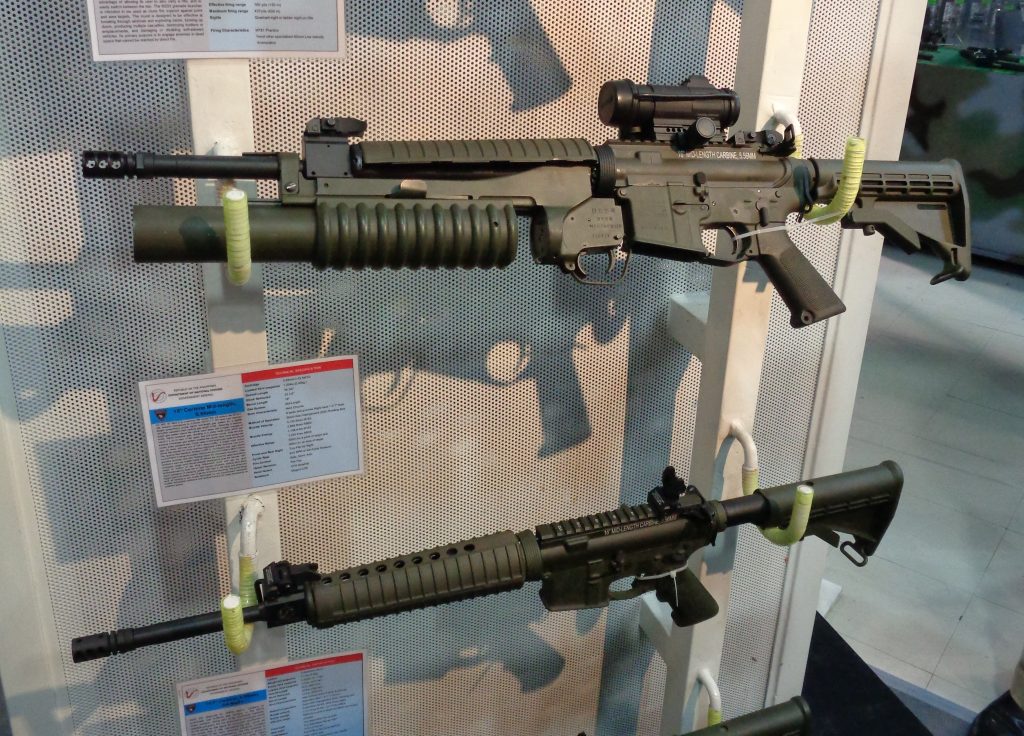
1. Barrel length changes what a cartridge really is
A cartridge’s reputation is often built around published speed, but rifles do not all deliver the same version of that cartridge. each inch of barrel length can change muzzle velocity by about 25 fps in general use, which means the same caliber may behave differently from one rifle to another. That matters most with cartridges that use larger powder charges and depend on longer tubes to reach their stride. Magnum rounds especially lose part of their identity when barrel length shrinks. A short-barreled rifle may carry the same headstamp, but its downrange speed, expansion window, and trajectory are no longer the catalog version many shooters picture.
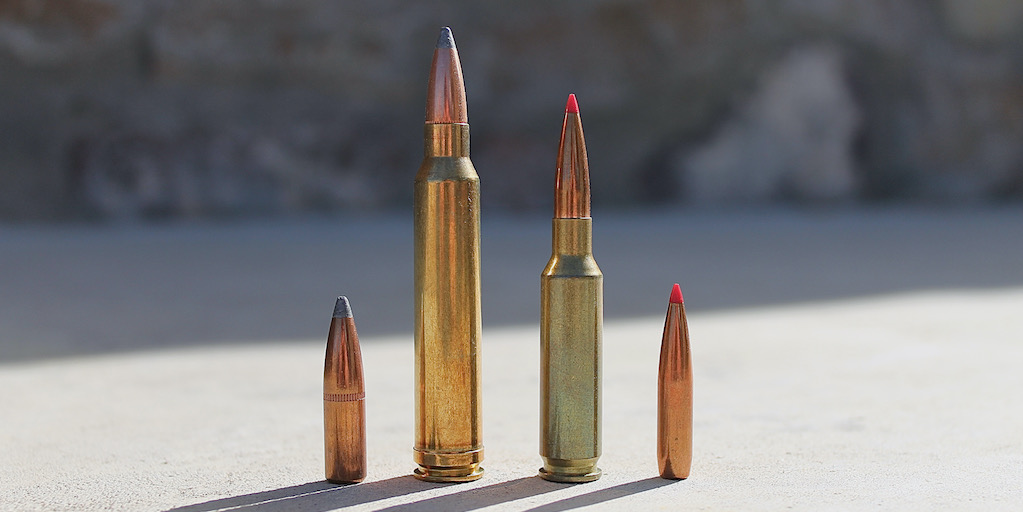
2. Impact velocity matters more than caliber labels
The field does not reward diameter alone. A bullet has to arrive fast enough to upset reliably, and that threshold is often more important than whether the cartridge is considered small, standard, or magnum. One common benchmark places reliable expansion around 1,900 fps for many bullet designs, though actual thresholds vary by construction. This is where the do-everything myth starts to crack. A larger caliber that arrives below its useful expansion window can be less effective than a smaller one striking at a better speed with a more suitable bullet. Terminal effect is tied to what the bullet does on impact, not just what the cartridge is called.
3. Bullet design can outweigh caliber size
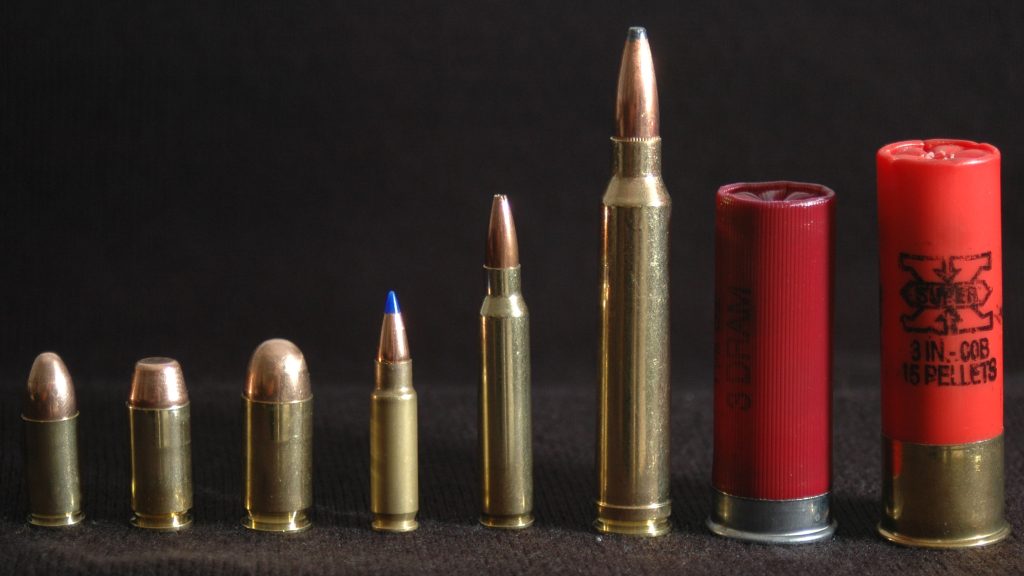
Modern hunting bullets do not all damage tissue in the same way. The reference material highlights major differences between monolithic copper bullets, ELD-X or ELD-M style bullets, and VLD-style bullets, along with the fact that expansion is not perfectly consistent even at the same impact velocity. That means two loads in the same caliber can produce very different wound characteristics. A rifle caliber marketed as universally capable often depends on a hidden assumption: that one bullet style will suit every distance and every target angle. In practice, bullets built for deep penetration at close range may give up useful expansion farther out, while softer long-range bullets can behave very differently at high impact speed up close. Caliber alone does not solve that tradeoff. The bullet decides how much of the cartridge’s potential actually reaches the animal in a useful form, and that is why broad caliber claims tend to sound stronger than they perform.
4. Recoil changes field accuracy before ballistics ever matter
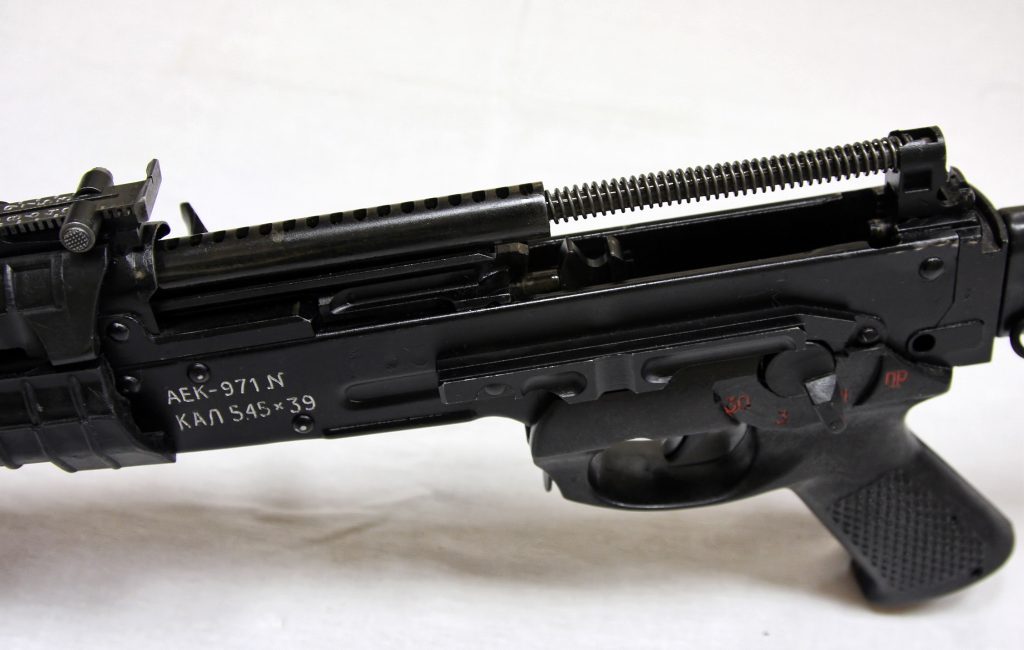
The strongest cartridge on paper still needs to be placed well from imperfect positions. The podcast reference stresses a misleading mystique about shooting elk and argues there is often a difference between what shooters feel they need and what they can use well. That gap grows outside the bench. Lower recoil can make follow-through cleaner, positional shooting steadier, and practice volume higher. A smaller cartridge that a shooter controls well can outperform a harder-kicking “all-purpose” round that encourages flinching or rushed shots.
5. Bench accuracy and hunting accuracy are not the same thing
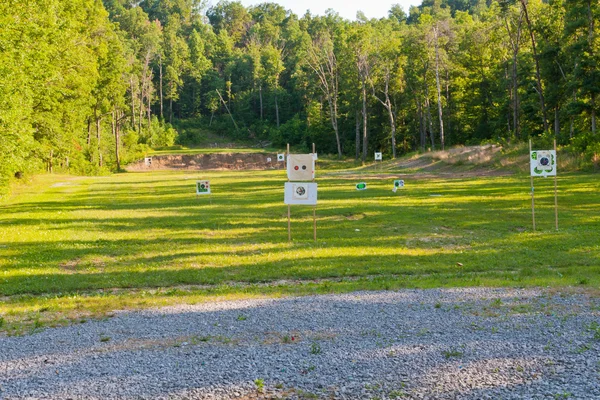
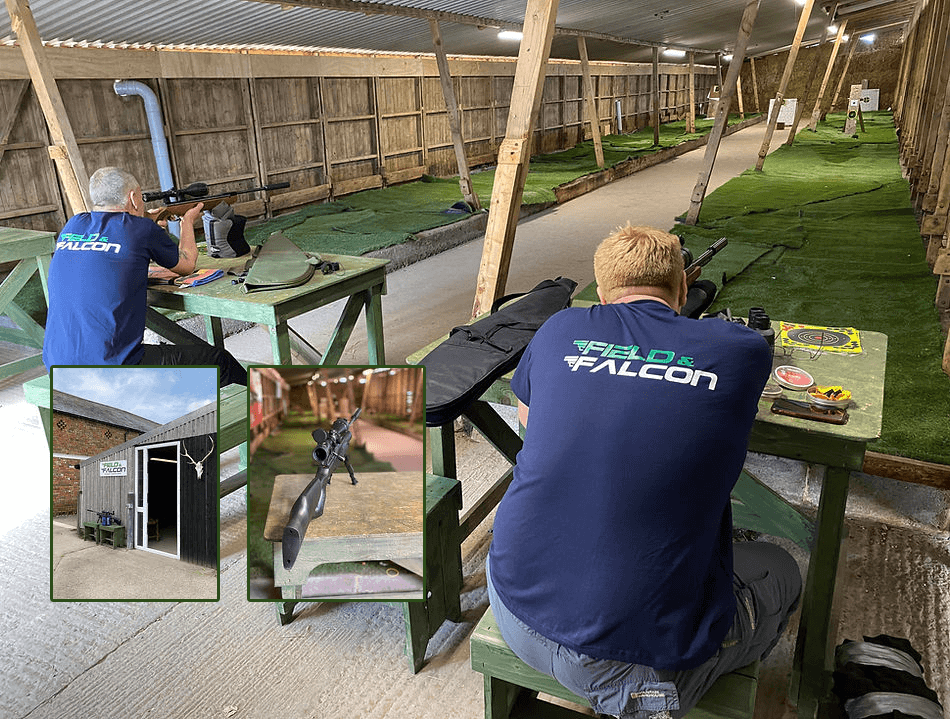
Tight groups on a calm range encourage caliber myths because they hide the human part of the problem. The references repeatedly separate theoretical capability from practical performance. Wind, movement, awkward rests, rushed timing, and stress all reduce what any cartridge can do in the field. That is why maximum effective range charts are only partial truth. Even where retained energy and expansion numbers look acceptable, practical distance falls when the weather turns, the animal moves, or the shooter cannot build a stable position.
6. “Maximum effective range” is not a universal caliber property
Charts are useful, but they are averages. The effective range of a rifle bullet depends on retained speed, energy, and bullet type, and the source material notes that some bullets have minimum expansion thresholds from roughly 1300 to 2000 fps. A cartridge does not carry one fixed field limit that applies to every factory load and every rifle.
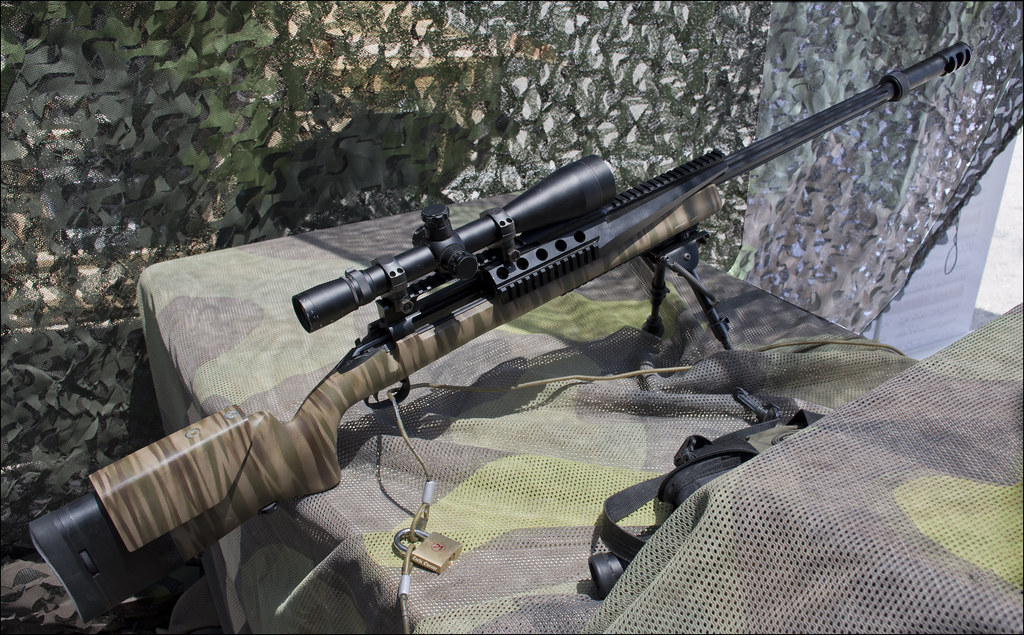
That undercuts the idea that one caliber can be stamped as perfect from the woods to the canyon rim. A long-range load and a close-range load in the same chambering may have very different real boundaries.
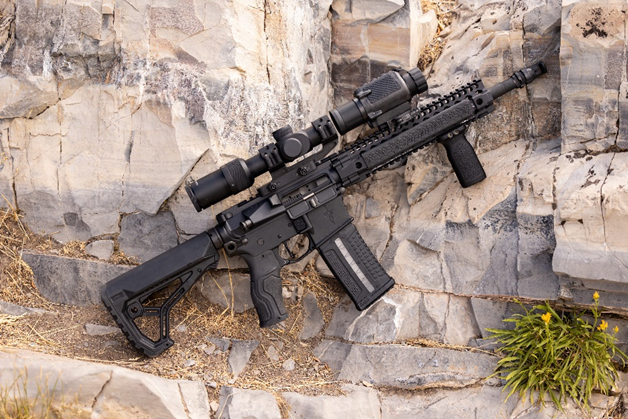
7. Versatility usually means compromise, not mastery
There are calibers that do many jobs well enough. That is not the same as doing everything equally well. Some pair naturally with shorter barrels, some clearly benefit from 24- to 26-inch barrels, and some need careful bullet selection to stay effective across wider distances. The myth survives because compromise often feels like universality. In actual field use, a rifle setup is always a balance of recoil, barrel length, bullet behavior, and realistic shot distance.
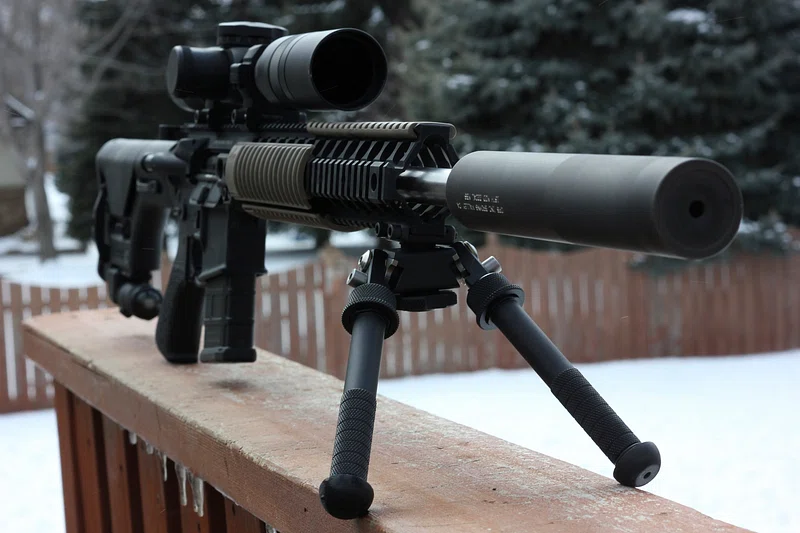
The durable lesson is simple: caliber is only one part of the system. Real field shots expose the limits of one-number thinking faster than any catalog description ever will. The more honest standard is not whether a cartridge can do everything, but whether a complete rifle-and-load combination does the needed job at practical distances with repeatable accuracy.


