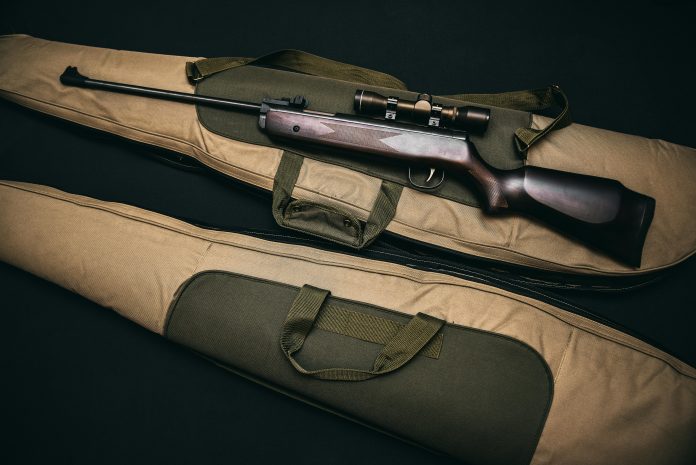
Hunting culture has long treated magnum cartridges as a shortcut to certainty. Faster muzzle velocity, flatter trajectory, and bigger energy figures look persuasive on paper, but field accuracy is shaped by something less glamorous: how well a hunter can shoot the rifle when the moment turns hurried, awkward, and real.
That gap between paper performance and practical performance is where mid-power cartridges keep proving their value. Modern bullets have narrowed old ballistic disadvantages, while manageable recoil has made it easier for hunters to practice more, stay on target, and place shots with less disruption.
1. Recoil punishes bad habits faster than most hunters admit
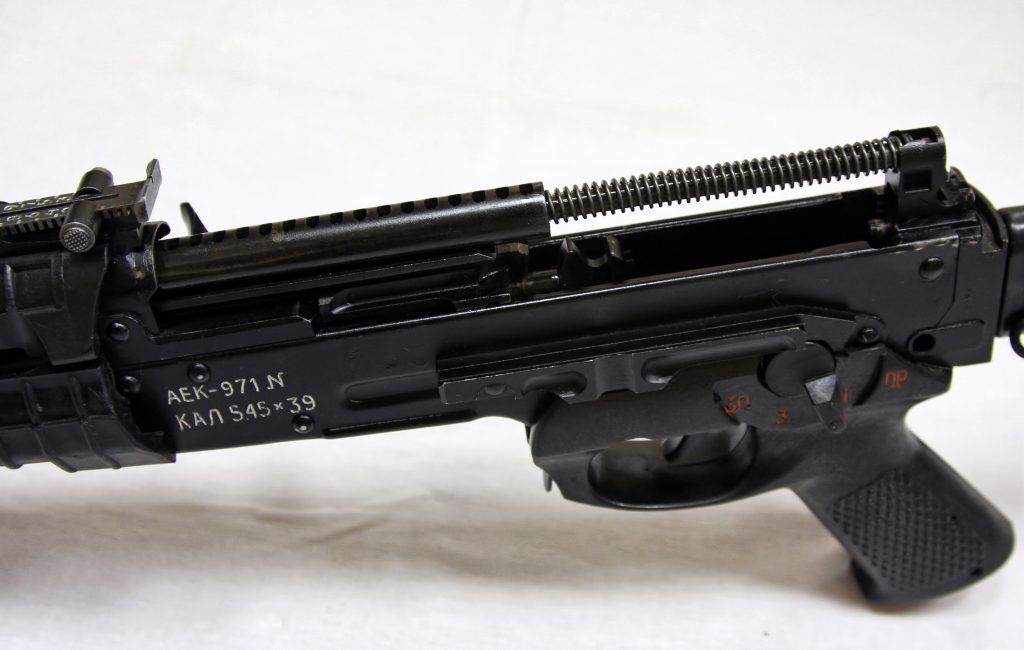
A harder-kicking rifle does more than bruise a shoulder. It changes behavior before the shot breaks. Shooters begin anticipating blast and movement, which can lead to pushing, jerking, or tensing against the trigger. That matters because a cartridge with more power does nothing to rescue a shot launched from a disturbed sight picture. Recoil data helps explain why this matters. Backfire’s recoil guide notes that over 15 ft-lbs often makes it difficult to spot bullet impact through the scope, and over 25 ft-lbs can become difficult to shoot repeatedly without pain or flinch in a light rifle. Mid-power cartridges often stay below the point where practice becomes unpleasant, which gives them an immediate field advantage.
2. Modern bullet design has reduced the old need for excess cartridge
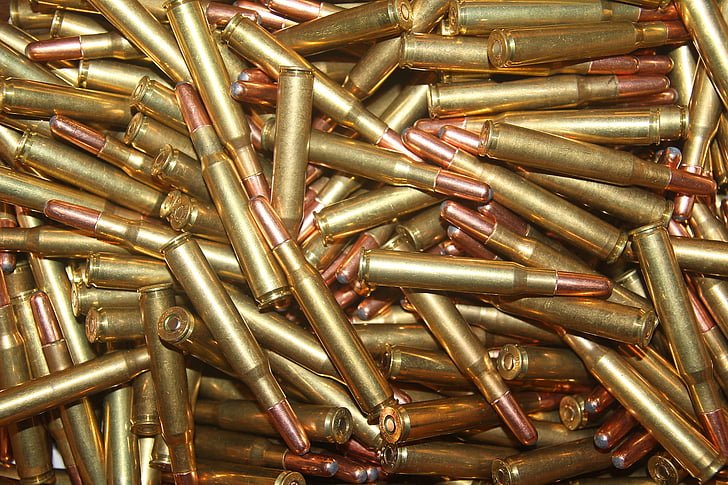
The old magnum era was built around velocity, but bullet construction has changed the equation. Controlled-expansion designs, bonded bullets, partitions, and monolithic copper bullets now hold together better at close range and still expand more predictably as velocity drops. That shift matters because terminal performance is no longer tied as tightly to sheer case capacity. Outdoor Life’s discussion of projectile design shows that modern hunting bullets can perform reliably across a wide velocity window, including bullets that still expand at 1,200 fps. A well-matched bullet in a moderate cartridge can therefore reach performance levels that once pushed hunters toward larger, faster rounds.
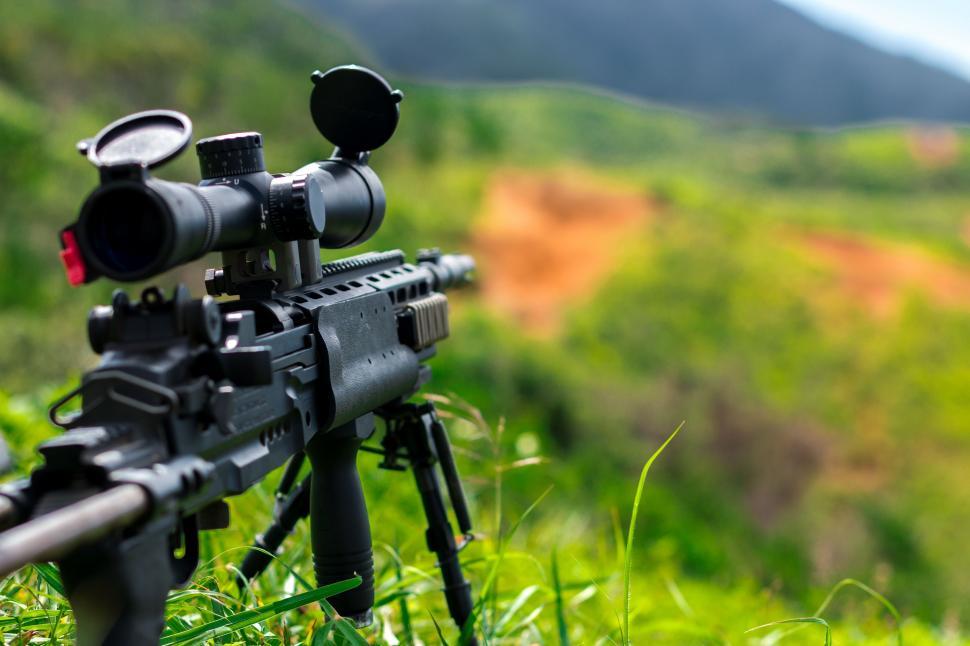
3. Mid-power cartridges stay on target better for real follow-up shots
Field shooting is rarely one perfect benchrest press. Hunters may need to watch impact, cycle the action, and fire again while an animal is still visible. A rifle that jumps violently off target slows that process. That is one quiet strength of cartridges such as the .308 Winchester, 6.5 Creedmoor, 7mm-08, and .270 Winchester. Their recoil profile makes it easier to recover the sight picture. They are not mild in an absolute sense, but they are manageable enough that shooters can see more, correct faster, and maintain composure under pressure.
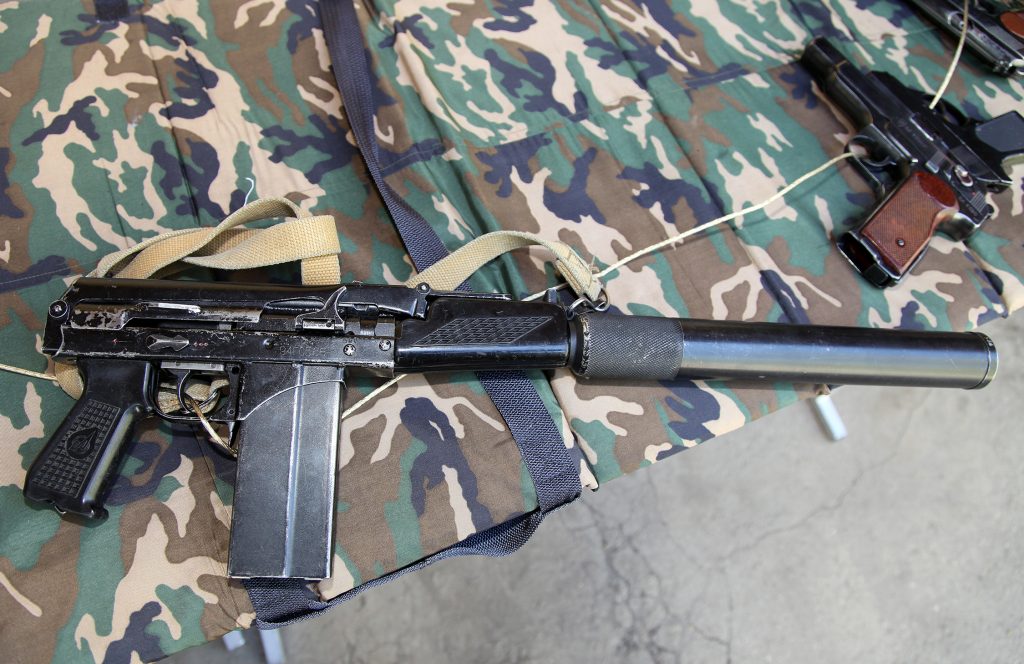
4. Short-action efficiency favors handling as much as ballistics
Not every accuracy problem begins at the trigger. Rifle length, action size, and carried weight all affect how quickly a hunter gets steady in brush, timber, or broken country. Short-action cartridges such as the .308 Winchester and 6.5 Creedmoor fit compact rifles, and that usually means a slightly trimmer package with less overall length. The mechanical differences are modest, but in the field modest advantages add up. A handier rifle is easier to mount, easier to carry all day, and easier to settle into improvised positions than a longer, heavier setup built around power that may never be needed.
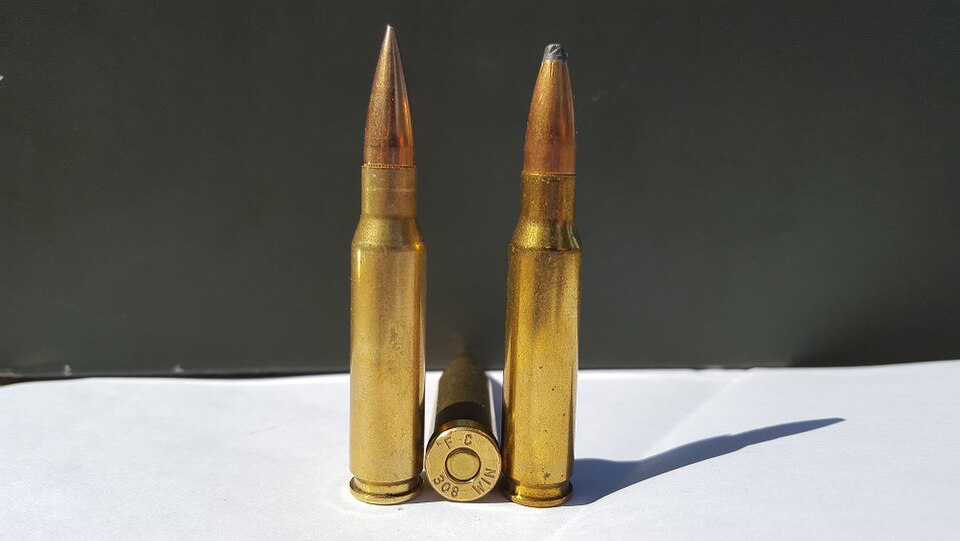
5. The .308 Winchester remains the best argument against “more gun” thinking
The .308 has survived every trend cycle because it keeps doing enough without asking too much of the shooter. It approaches .30-06 performance with less powder, less blast, and less recoil, while still handling a wide range of common hunting duties. Backfire’s comparison lists the .308 at 18.27 ft-lbs of recoil versus 21.34 ft-lbs for the .30-06 in typical examples, a difference that looks small until rounds add up in practice. That softer push has always been part of its appeal. A cartridge that invites repetition usually produces cleaner trigger control than one that gets zeroed and then avoided.
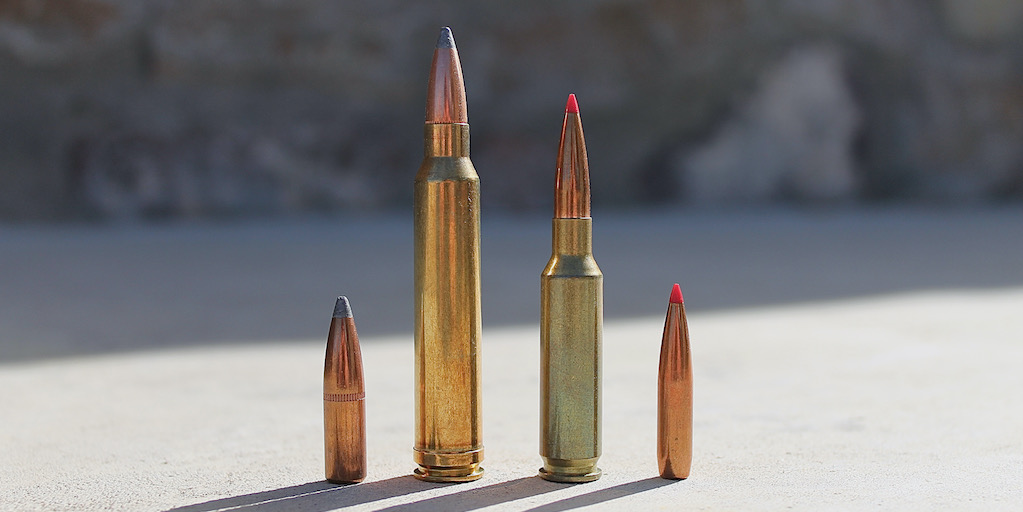
6. The 6.5 Creedmoor proved that efficiency can beat hype
The 6.5 Creedmoor became polarizing for cultural reasons, but its success came from practical ones. It offers modest recoil, strong ballistic efficiency, and bullets that retain velocity well. That combination gave hunters and target shooters a cartridge they could shoot accurately in volume. Outdoor Life illustrated the point with a comparison showing a 130-grain 6.5 Creedmoor Edge TLR carrying 1,578 ft-lbs at 300 yards, close to a .308 with a different bullet load, and both meeting at 1,382 ft-lbs by 400 yards. The lesson was not that every cartridge is identical. The lesson was that the right bullet type can make a smaller cartridge perform far above its reputation.
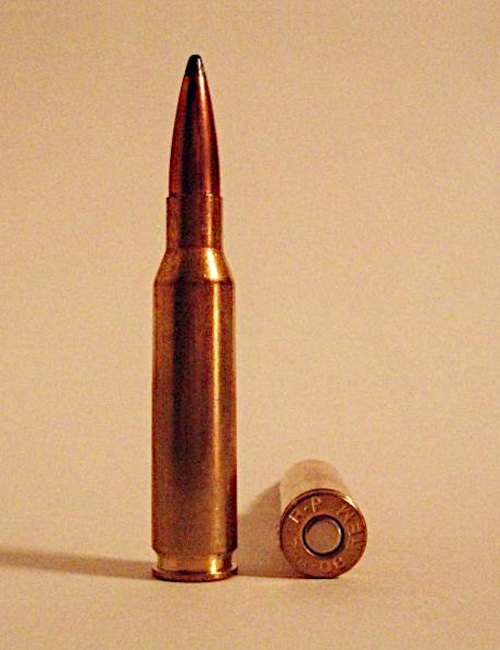
7. The 7mm-08 may be the most underappreciated field cartridge in the group
The 7mm-08 sits in the sweet spot that magnum fans often skip past. It uses an efficient short-action case, throws sleek 7mm bullets, and keeps recoil below the level that commonly causes shooters to dread range work. That matters because 7mm bullets carry a long reputation for useful sectional density and good wind behavior without magnum-level punishment. For hunters who want practical reach on deer-sized game and credible capability for larger animals with proper bullet choice, the 7mm-08 keeps making sense without demanding much drama from rifle or shooter.
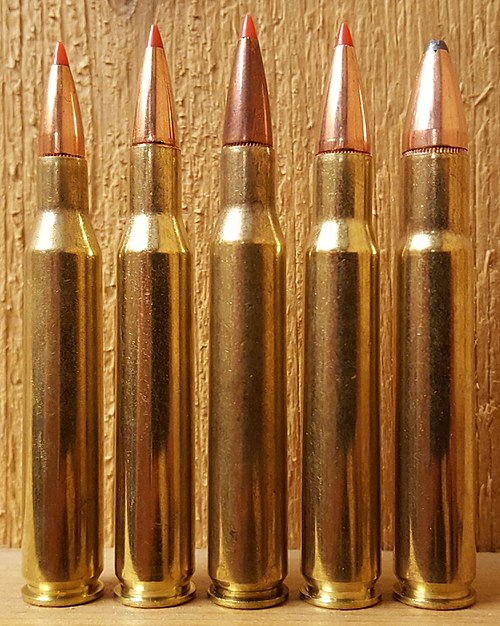
8. The .270 Winchester already solved much of this decades ago
The .270 is often treated as old news, yet it remains one of the clearest examples of balanced performance. It shoots flat enough for open-country use, carries enough authority for larger game with proper bullets, and avoids the recoil threshold that pushes many hunters into bad mechanics. Its history also shows how often cartridges get blamed for bullet failures. Much of the old criticism aimed at fast non-magnum rounds came from a time when traditional bullets could come apart at higher impact speeds. Better construction changed that. The cartridge did not suddenly become more capable; the bullet finally caught up.
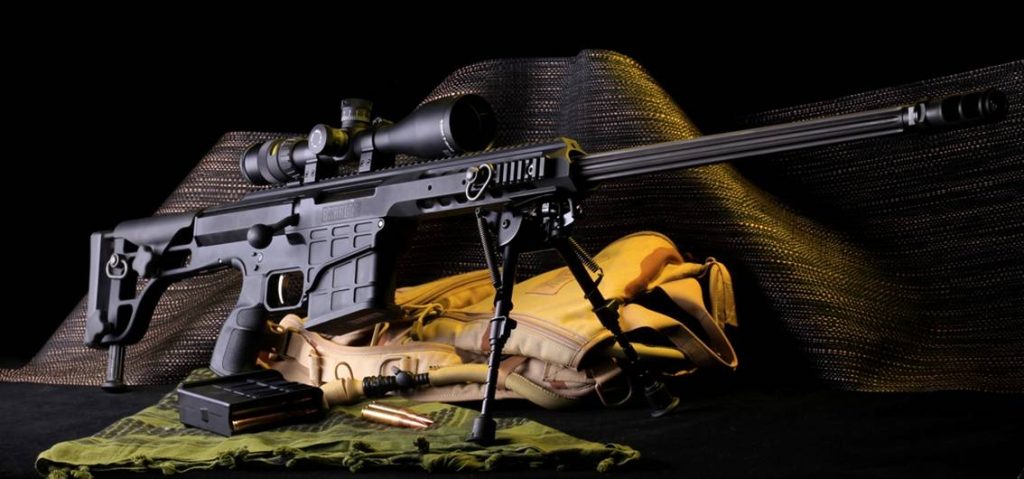
9. Magnum advantages are real, but narrower than campfire talk suggests
Magnums do offer higher velocity, more retained energy, and more margin at long range. They are useful tools when distances stretch, wind matters, and heavier bullets must be driven faster. That part is not in dispute. What gets overstated is how often those advantages matter for ordinary field shots. Even among deer hunters, Backfire reports that 96% of shots on big game are taken within 500 yards. Inside more common hunting distances, moderate cartridges paired with sound bullets overlap heavily with magnum outcomes, especially when the moderate rifle is the one the hunter actually shoots well.
The strongest case for mid-power cartridges is not nostalgia or minimalism. It is repeatability. They let hunters practice more, hold steadier, recover faster, and make better shots when adrenaline compresses time. That is why magnum obsession hurts field accuracy. The modern lesson is simpler than the marketing: shootability is performance, and mid-power cartridges keep proving it.


