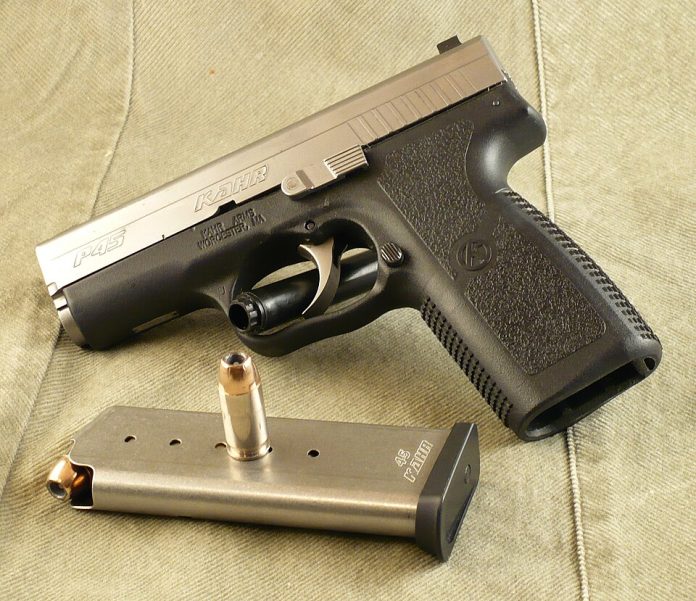
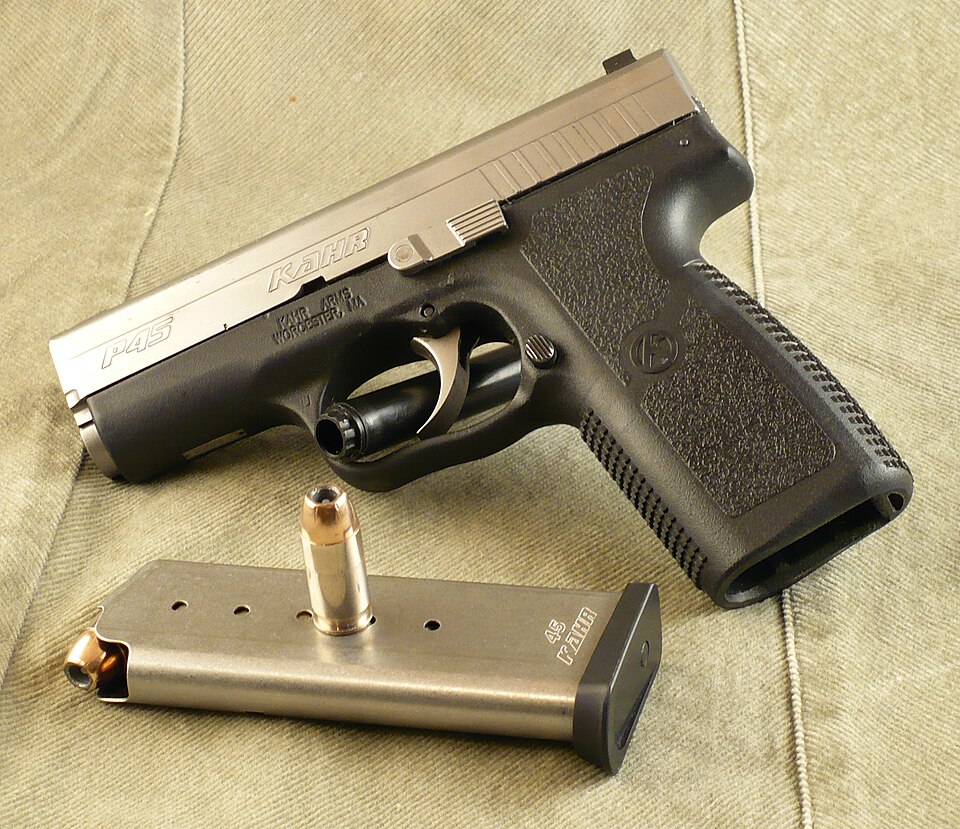
The 1911-versus-polymer argument lasts because both platforms solve different problems well. One is a steel-framed, single-action design with a reputation for precision and an unusually clean trigger. The other is a lighter, higher-capacity format that has become common in duty holsters and everyday carry. For shooters deciding between them, the real issue is not nostalgia or trend. It is what gets traded away in weight, capacity, handling, maintenance, and training demands.
1. Carry Weight Changes the Entire Experience
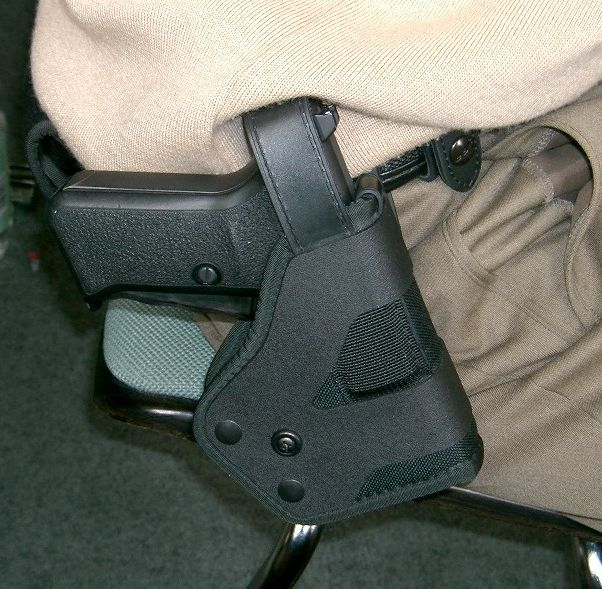
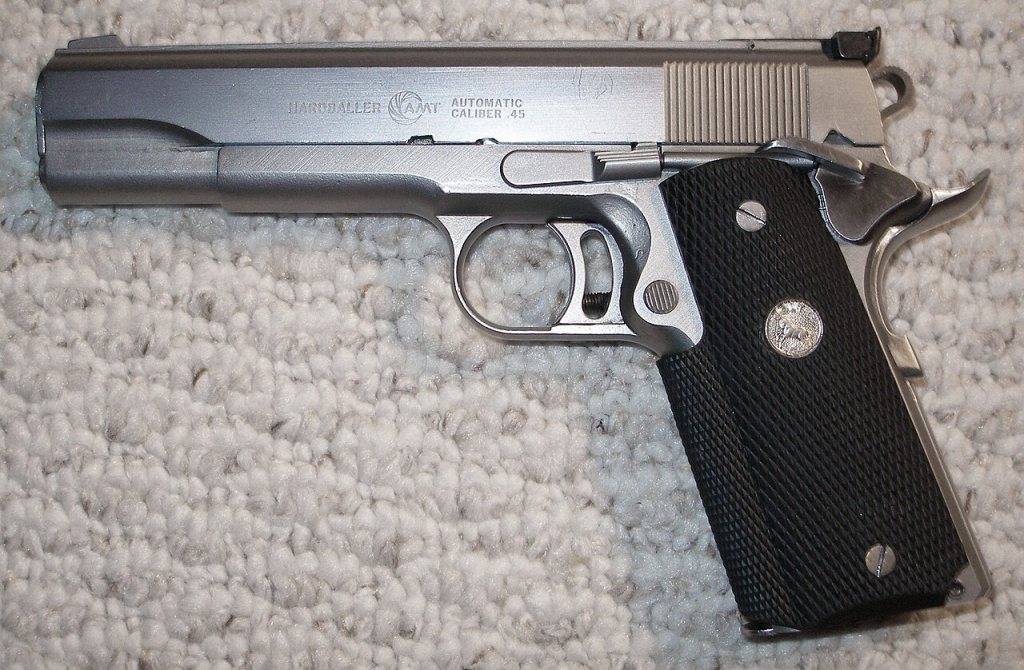
A full-size 1911 often brings 40 ounces or more of steel to the belt before ammunition is added. That mass helps on the firing line, but it becomes noticeable during a full day of concealed carry, especially with lighter clothing or smaller body frames. A polymer service pistol can cut a large portion of that burden, and compact polymer models drop even further. That difference is not cosmetic. Heavier guns usually demand better belts, stiffer holsters, and more commitment from the person carrying them. Polymer pistols tend to be carried more consistently because they ask less from the user between morning and night.
2. Trigger Quality Still Favors the 1911
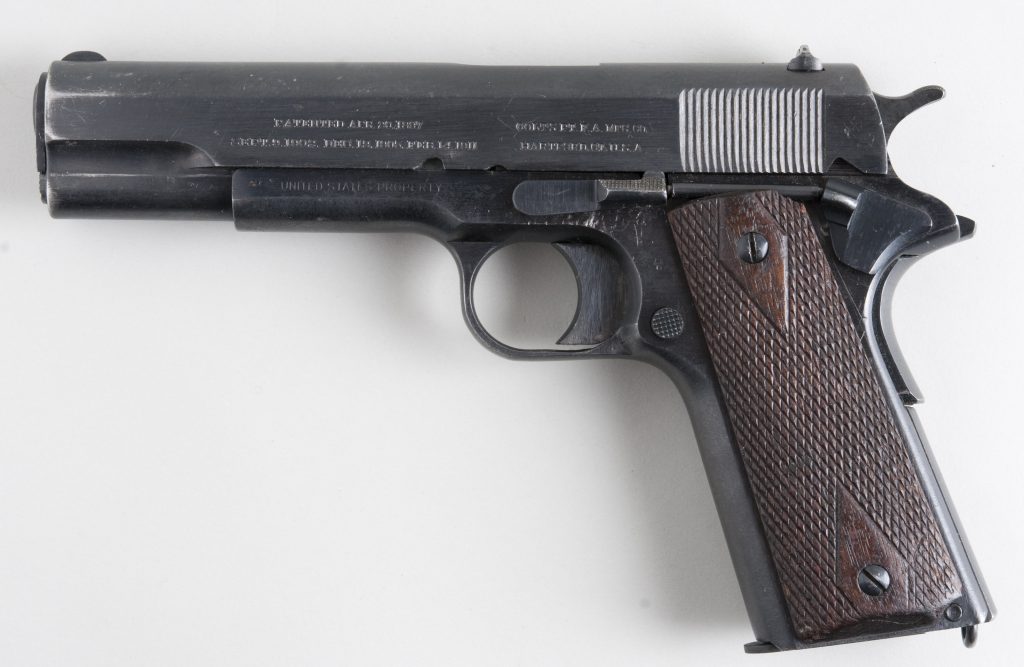
The 1911’s strongest technical advantage remains its trigger. Because it is a single-action autoloader, the trigger does not need to cock and release the firing system with each press. The result is the short travel, crisp break, and minimal reset that made the design a standard for precision pistol shooting. Striker-fired polymer pistols deliver a different benefit: consistency. Their triggers are usually longer and less refined, but each shot feels much the same. For defensive use, that repeatable pull matters, even if it does not match the mechanical sharpness of a well-tuned 1911.
3. Magazine Capacity Is Not a Small Advantage
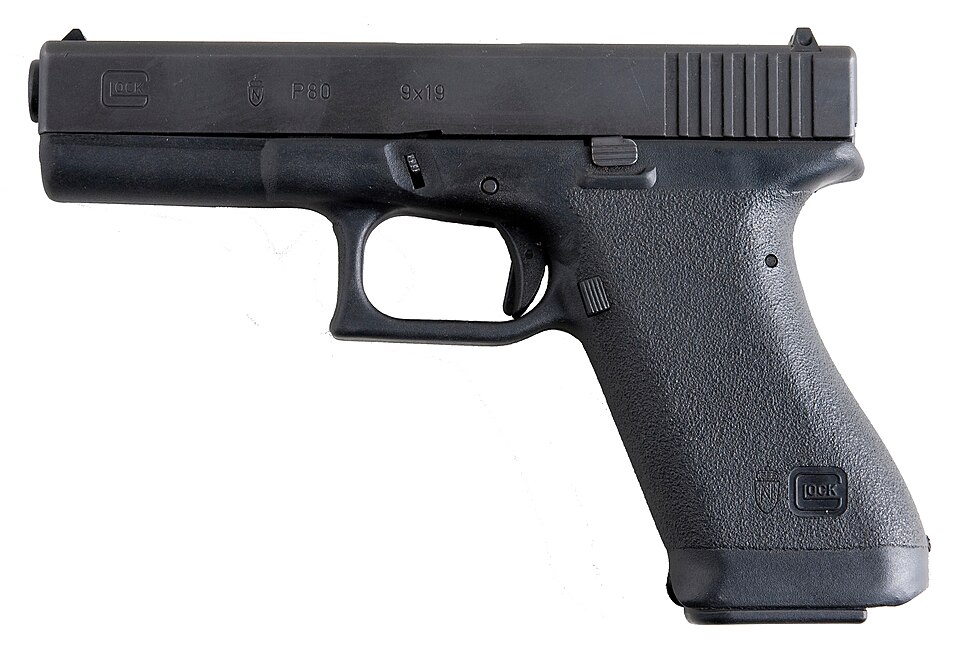
Traditional .45 ACP 1911s commonly hold 7 or 8 rounds in the magazine. Even 9mm single-stack versions do not approach the capacity that has become standard in modern defensive pistols. A polymer handgun of similar overall size frequently carries 15 or more rounds without requiring an oversized frame. That gap affects reload frequency, spare-magazine planning, and how much margin the shooter keeps on board before the gun runs dry. Capacity is one of the clearest examples of modern pistol design overtaking a classic layout.
4. Reliability Often Depends on How Much Attention the Gun Gets
A properly built 1911 can run extremely well, but it usually rewards maintenance and lubrication more than a polymer pistol does. Tighter fit, steel-on-steel contact surfaces, and stronger preferences about magazines or ammunition can make the platform less forgiving when neglected. Polymer-framed pistols earned their following by being easier to live with. Sweat, rain, lint, and grime tend to matter less, and the frame itself does not rust. For shooters who want a sidearm that tolerates hard use with minimal fuss, that durability margin is difficult to ignore.
5. Recoil Is More Complicated Than Steel Versus Plastic
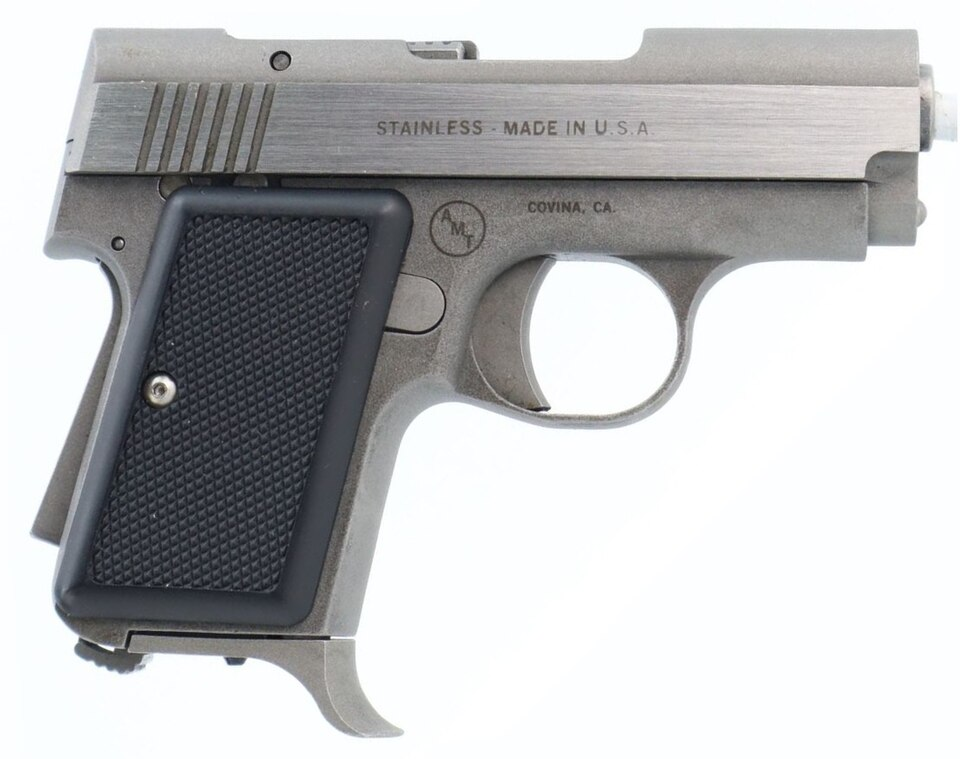
The usual claim is simple: steel weighs more, so steel kicks less. In practice, felt recoil depends on more than weight. Grip shape, recoil spring design, slide mass, bore height, and even frame flex all play a part. Discussions from experienced shooters often point to grip width and polymer flex as reasons some polymer .45s feel softer than expected.
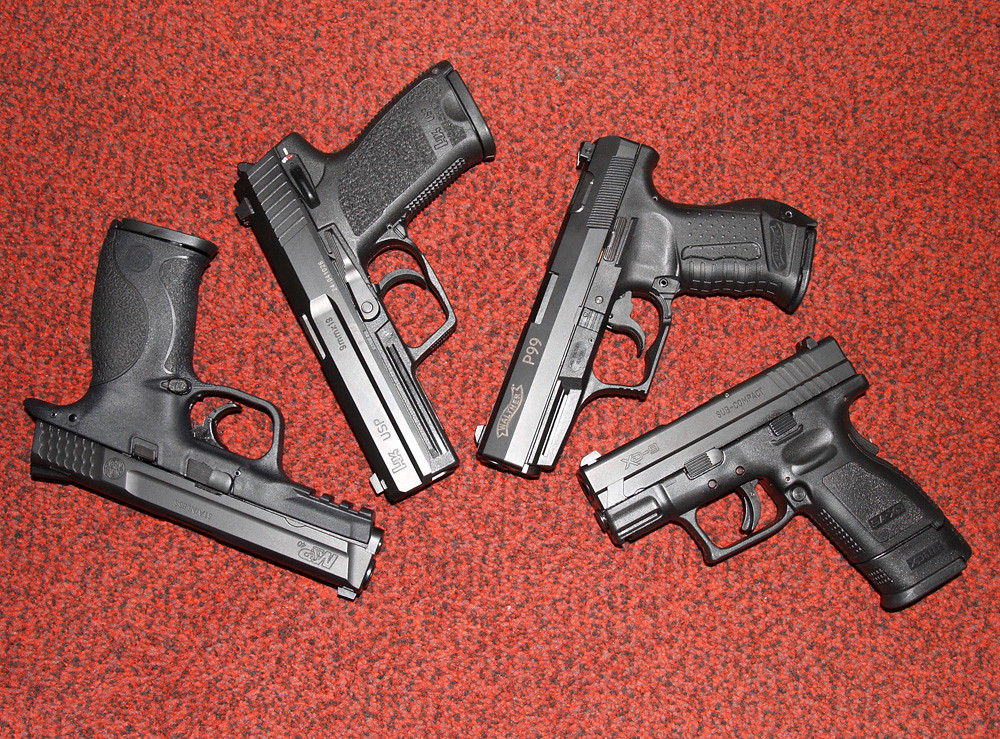
That creates an important split. A 1911 often feels flatter and more controlled because of its weight and geometry, yet some polymer pistols spread recoil differently across the hand and can feel less abrupt. Felt recoil is highly subjective, which is why broad claims about one platform always recoiling less tend to fall apart once different models and hand sizes enter the picture.
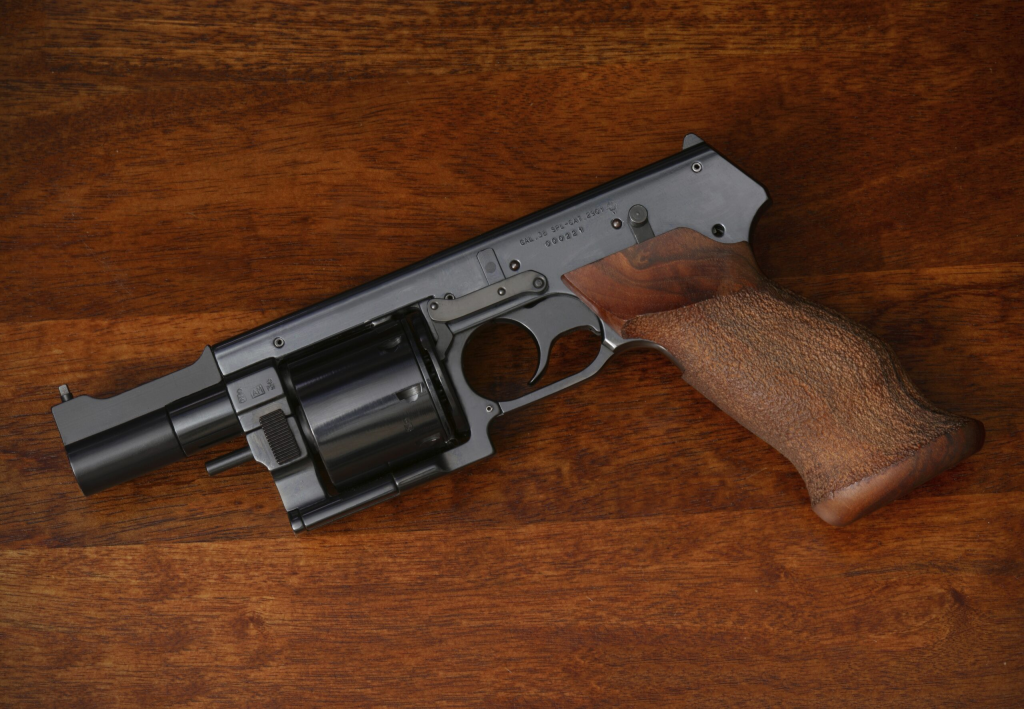
6. Concealment Is About More Than Thickness
The 1911 is slim, and that helps. But a full-size gun is still long, heavy, and harder to hide under light clothing. Its thin profile does not erase the challenge of carrying a large steel pistol comfortably through normal daily movement. Polymer pistols dominate this category because the market offers so many compact and subcompact options. They can be shorter in slide length, lighter on the belt, and easier to support with simpler concealment gear. The 1911 stays competitive in slimness, but polymer usually wins the whole concealment package.
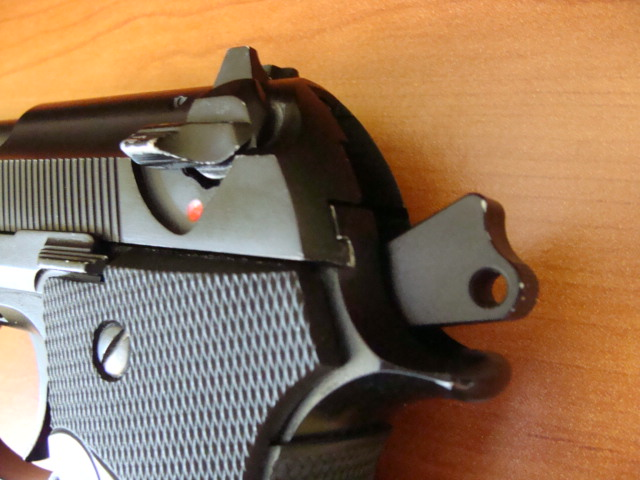
7. Safety Systems Demand Different Kinds of Training
The 1911 is commonly carried “cocked and locked,” with the hammer back and the thumb safety engaged. That system works well when the shooter trains consistently, but it requires a deliberate safety swipe on presentation and a proper grip to deactivate the grip safety. The manual of arms is fast when practiced and punishing when neglected.
Many polymer striker-fired pistols simplify this process by relying on internal safeties and a trigger-mounted safety tab. That reduces steps under stress, but it also places more emphasis on safe holstering and disciplined trigger management. The trade-off is clear: more controls versus fewer steps.
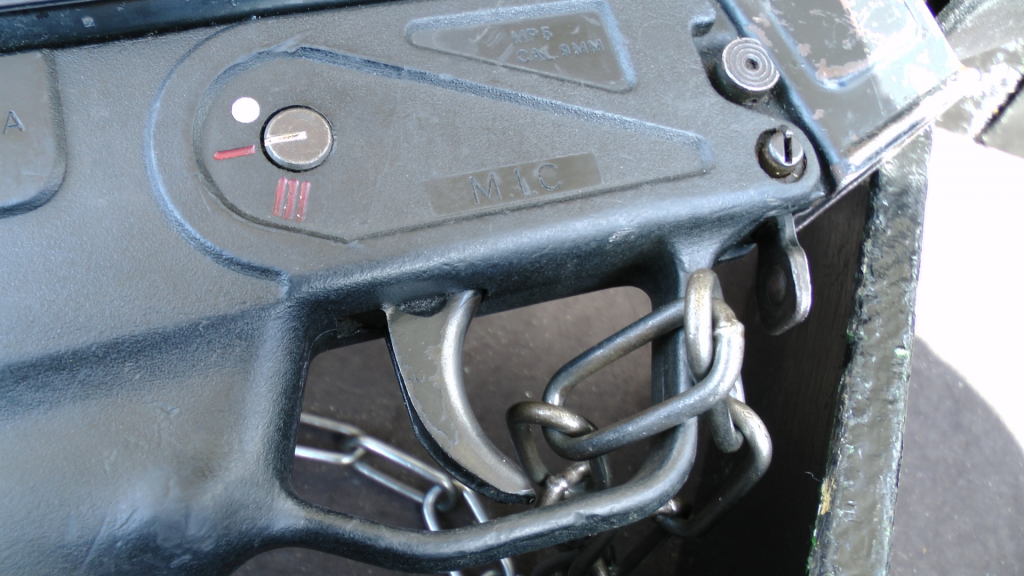
8. Customization Means Different Things on Each Platform
The 1911 has one of the deepest customization cultures in handguns. Triggers, safeties, sights, grip panels, hammers, beavertails, and fit details can all be changed to tune the gun to a very specific role. For shooters who appreciate mechanical refinement, that platform remains hard to match. Polymer pistols offer a different kind of flexibility. They are usually easier to adapt for lights, optics, and straightforward parts swaps, with broad support for carry-oriented accessories. The 1911 invites craftsmanship; polymer platforms lean toward modular practicality.
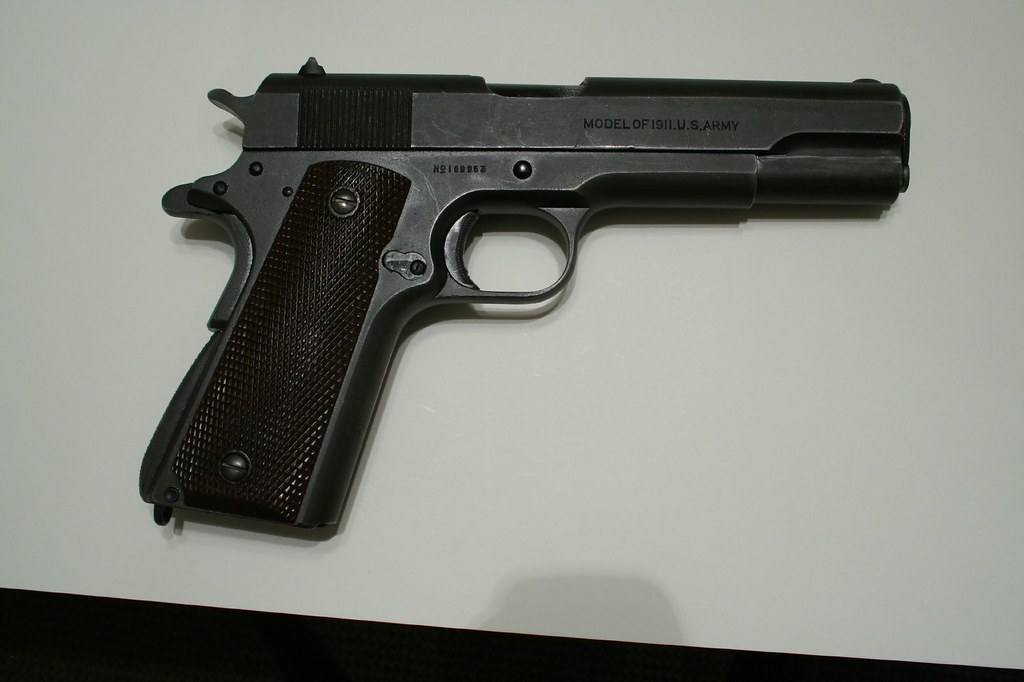
9. Heritage Still Pulls Against Pure Utility
The 1911 carries more than ammunition. It carries a century of military history, competitive success, and a reputation for elegant machining. Many shooters value the platform because it feels deliberate, mechanical, and personal in a way molded-frame pistols rarely do. Polymer guns have their own identity, but it is rooted in utility. They are built to work hard, ride easily, and ask for less sentiment from the owner. That difference matters because many buyers are not choosing only a tool.
They are also choosing the kind of ownership experience they want. The split between 1911s and polymer pistols is not about old versus new. It is about which compromises are easier to accept when the gun is worn, maintained, trained with, and fired regularly. One platform offers trigger quality, heritage, and a distinctive shooting feel. The other answers with lighter carry, greater capacity, and less day-to-day upkeep. The better choice is the one whose trade-offs fit the job rather than the one with the louder following.


