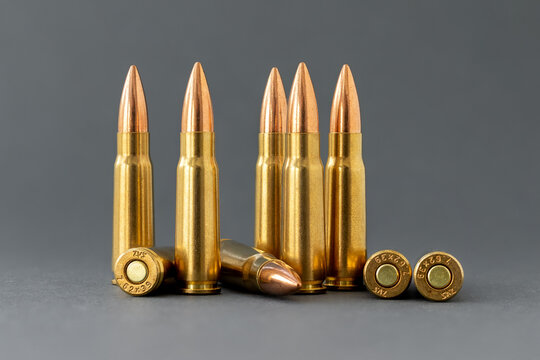
Some rifle cartridges earn a reputation that stretches well beyond what they actually do in the field. That gap between reputation and real performance is where poor cartridge choices start, especially when hunters move from varmints and deer to heavier animals with thicker bone, deeper chests, and less margin for error.
The problem is not that these rounds are useless. It is that they are often asked to do work outside their intended envelope. As many experienced hunters learn, caliber alone does not settle the question. Bullet construction, impact velocity, and penetration matter just as much, and sometimes more, than the number stamped on the barrel.
1. .223 Remington
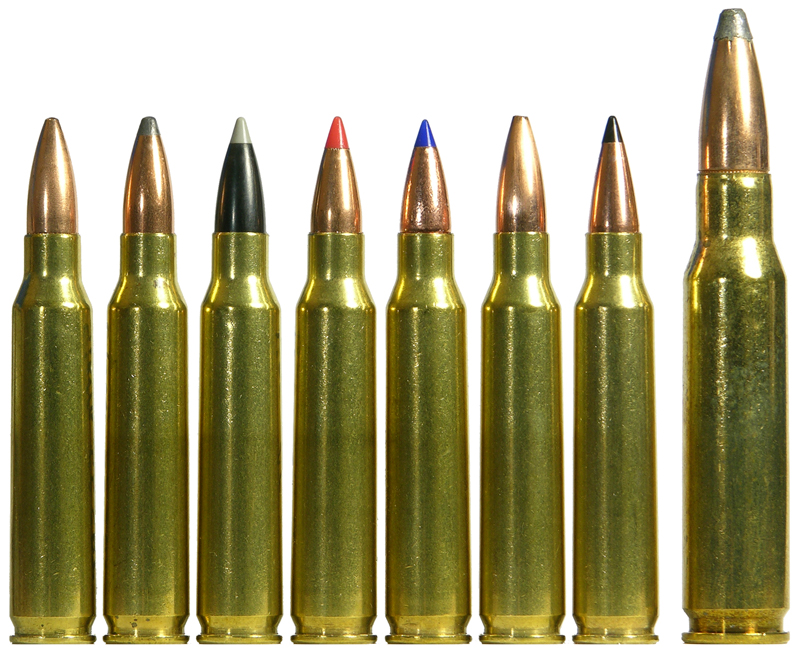
The .223 Remington is easy to shoot well, widely available, and genuinely effective for varmints, predators, and range use. That combination has encouraged some hunters to treat it as a do-everything cartridge. On larger game, that confidence runs ahead of the cartridge.
Typical .223 loads throw light bullets fast, but speed does not erase limited bullet weight and modest penetration. The main article’s warning holds up: while some hunters have taken deer cleanly with careful shot placement, the cartridge offers very little reserve when angles turn bad or bone gets involved. Reference material on caliber myths reinforces the point that energy figures alone can mislead; bullet design and stability on impact are the real separators once game gets larger.
2. .22-250 Remington
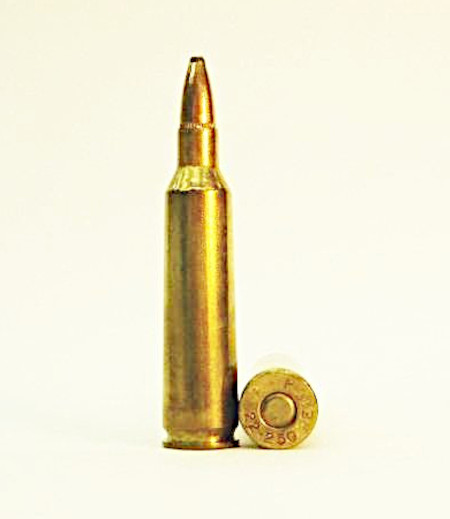
The .22-250 Remington built its fame on raw speed. It is flat shooting, explosive on small targets, and excellent where wind calls and quick holds matter less than fast hits on light-bodied animals. That same personality works against it on heavy game. Lightweight .22-caliber bullets can expand quickly and lose the depth needed to reach vital organs from less-than-perfect angles. Hunters who focus on velocity charts often miss the larger issue: fast and fragile does not automatically mean effective. The reference material on hunting myths makes that clear when it warns against treating sleek or high-speed bullets as interchangeable with purpose-built hunting bullets.
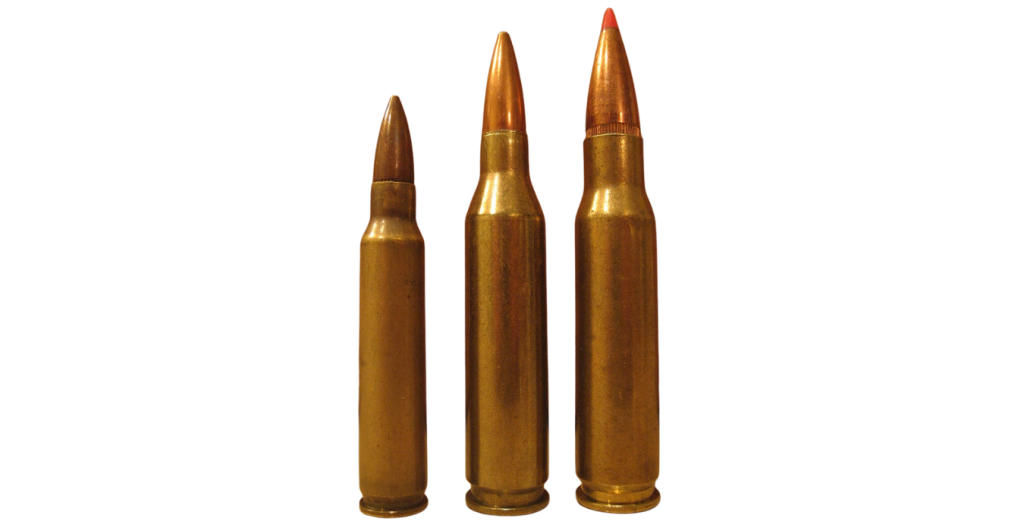
3. .243 Winchester
The .243 Winchester remains one of the most common crossover cartridges for new hunters because recoil is light and practical accuracy is usually excellent. For deer and pronghorn, it has a long and legitimate record. Its reputation starts to outrun reality when the conversation shifts to elk, moose, or other heavy-bodied animals. A .243 can kill with precision, but it gives away margin. In hunting, margin matters. The difference between a broadside rib shot and a quartering shot is not theoretical, and a cartridge that depends on near-perfect presentation is asking more from the field than the field usually gives back.

4. .30 Carbine
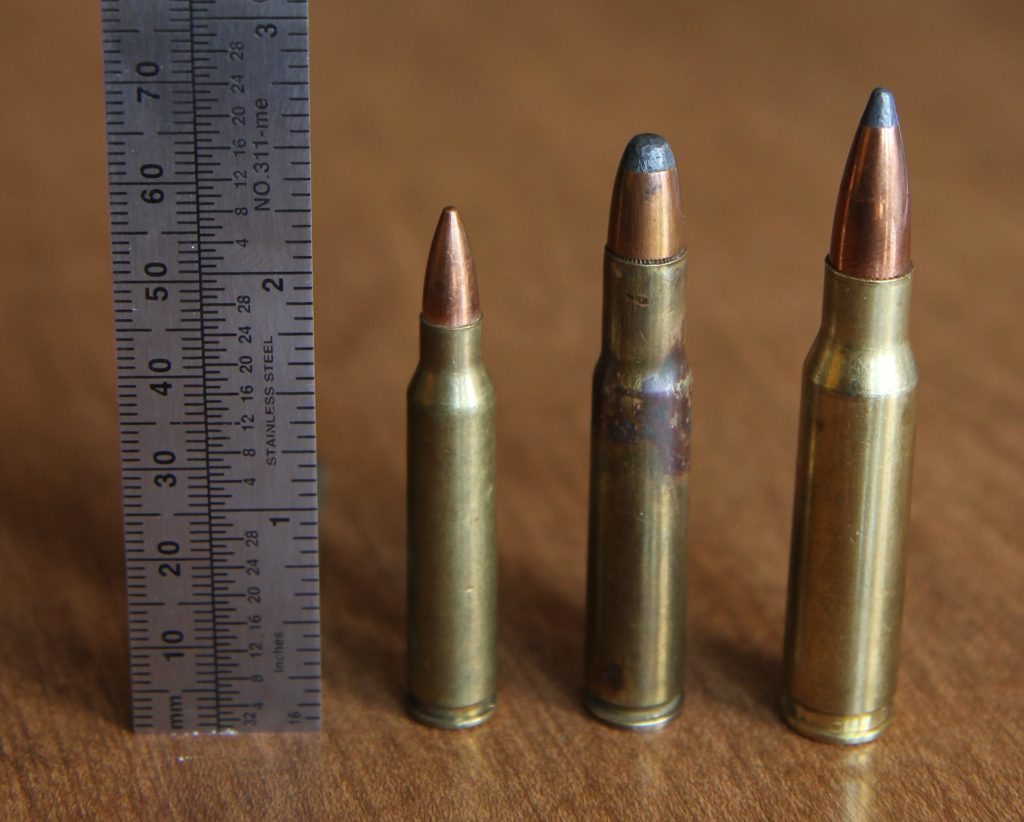
The .30 Carbine survives in hunting talk mostly because the rifle is compact, handy, and historically familiar. With a 110-grain bullet at roughly handgun-like rifle speeds, the .30 Carbine sits far below modern big-game standards. Even older critics were blunt about it, and the practical case against it is straightforward: limited range, limited penetration, and little authority on tough animals. The cartridge may work at very close range on small to medium game, but that does not make it suitable for larger animals where tissue depth and bone become major parts of the problem.
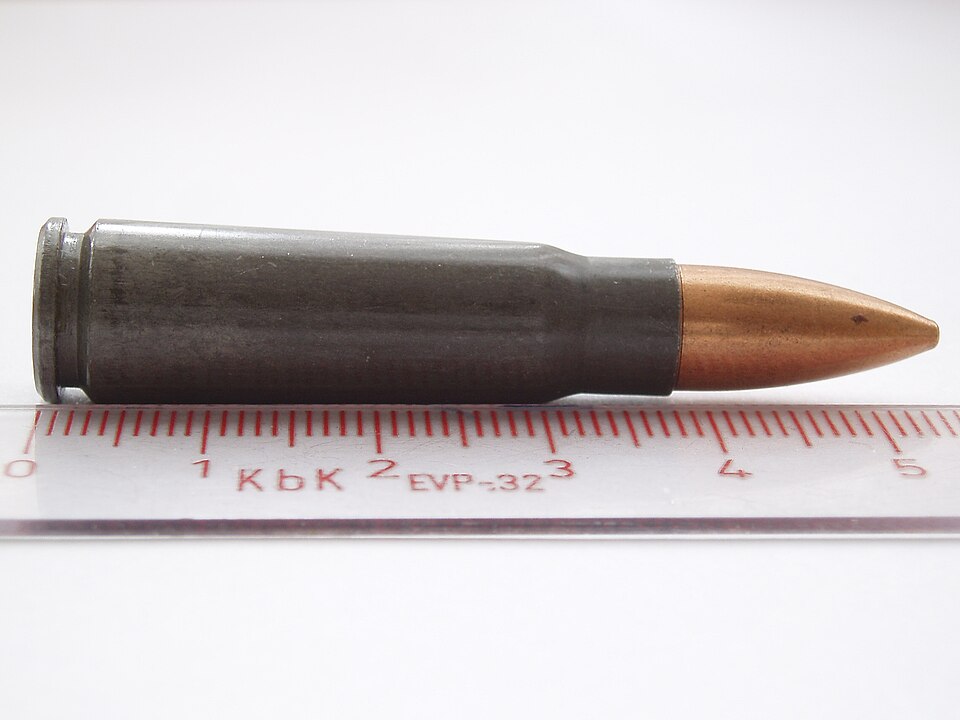
5. 7.62x39mm
The 7.62x39mm is durable, simple, and effective inside its comfort zone. On deer at modest distances, it can work well enough with the right load. Its limits show up quickly as distance grows or animal size increases. Trajectory drops off, velocity fades, and terminal performance narrows. This is where one of the reference articles offers an important corrective: practical accuracy at range is shaped by real wind and verified zero, not by confidence in a cartridge name. A round that looks adequate on paper can become far less convincing once wind drift at 300 to 500 yards enters the picture.
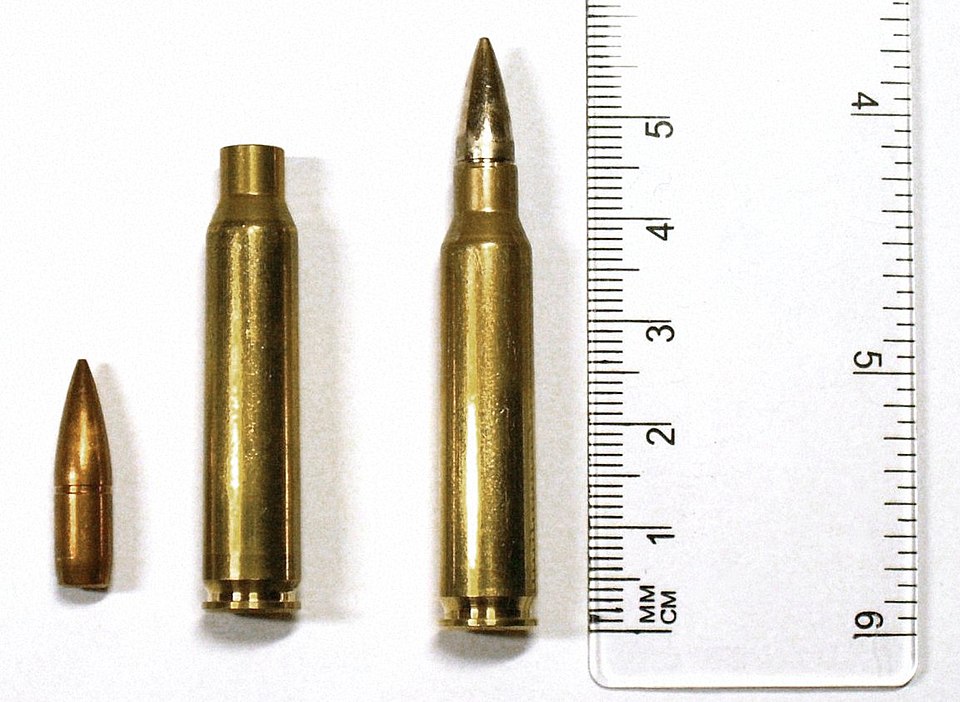
6. 5.56 NATO
Because it shares so much overlap with .223 Remington, 5.56 NATO often inherits the same assumptions. In practice, slightly higher pressure and a little extra velocity do not transform it into a serious cartridge for large-bodied game. The larger lesson from the references is useful here: terminal performance is not a simple energy contest. As one ballistics discussion put it, penetration and expansion are the measurements that actually describe what a bullet does after impact. On heavy animals, 5.56 still struggles to provide the penetration reserve hunters want when the shot is not perfect.
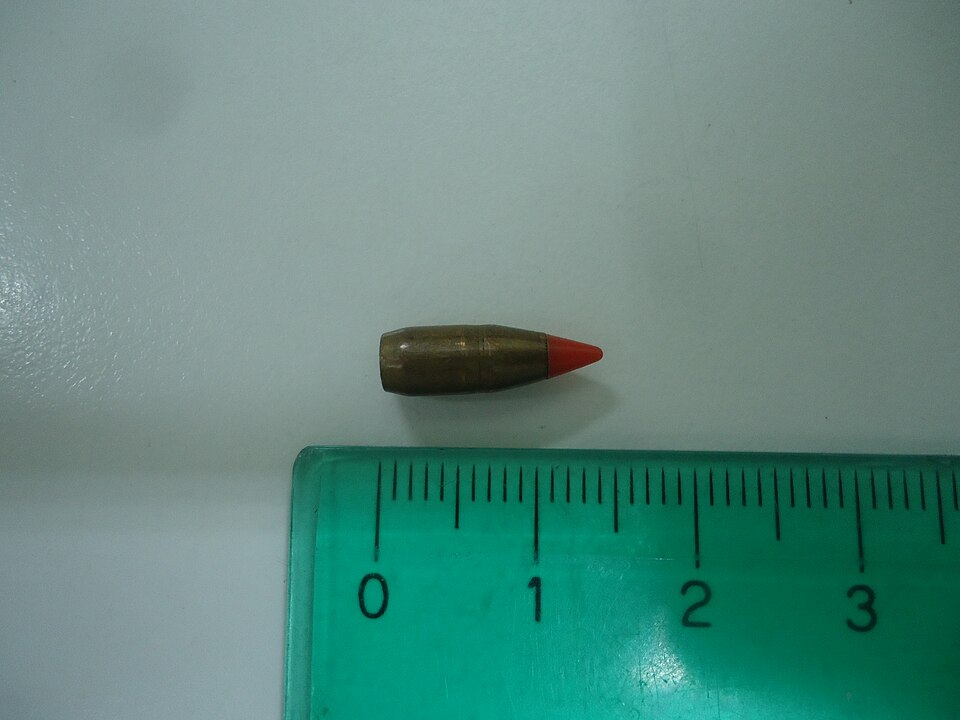
7. .17 HMR
The .17 HMR is one of the easiest cartridges on this list to admire. It is accurate, light recoiling, and excellent for small varmints where precision matters more than depth. It is also badly mismatched to big game. A tiny bullet with roughly 250 foot-pounds of muzzle energy does not belong in the same discussion as elk, moose, or even most deer hunting. This is the clearest example of a cartridge whose strengths become liabilities when used on the wrong target: minimal recoil and laser-like precision cannot compensate for a severe lack of penetration and tissue damage.
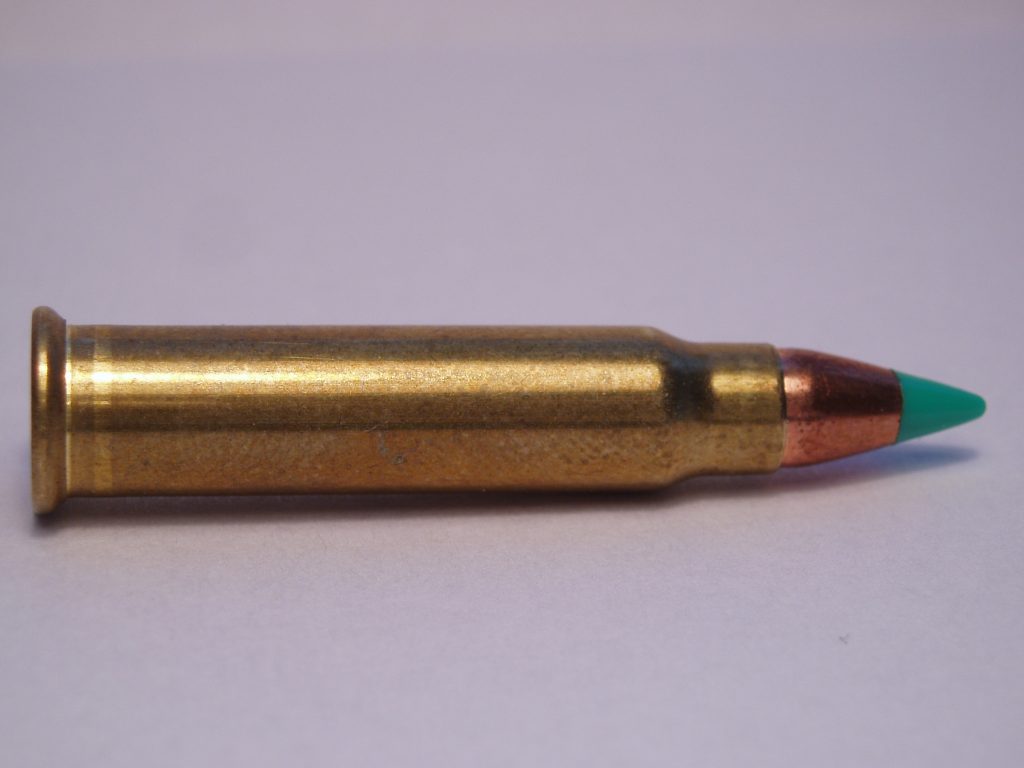
The common thread in all seven cartridges is not failure. It is misuse. Several are outstanding within their proper role, but the field punishes wishful thinking when hunters ask small cartridges to do large-cartridge work. The better approach is simpler and less glamorous: match the cartridge to the game, then match the bullet to the expected impact conditions. That is where ethical hunting starts, and where overrated cartridges stop looking versatile.


