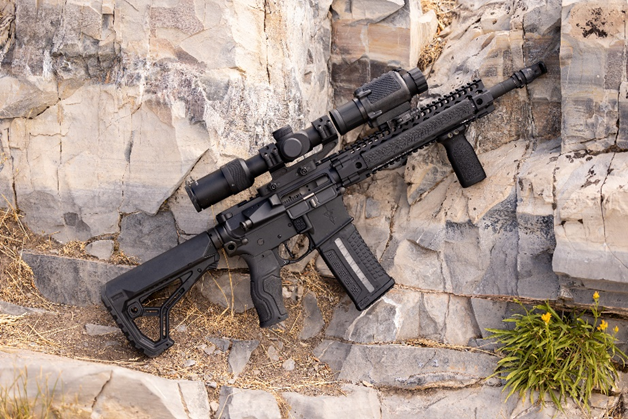
The AR-15 has a reputation for modularity, and that reputation often mutates into bad advice. New owners hear that parts are basically interchangeable, premium branding solves every problem, and minor fit issues either matter enormously or not at all. Reliability usually gets lost somewhere between internet certainty and incomplete troubleshooting.
A more accurate view is less dramatic. The platform is adaptable, but dependable function still comes down to fit, inspection, gas system behavior, wear points, and a willingness to verify rather than assume. These six myths are among the ones that most often send new owners in the wrong direction.
1. “AR parts are just Legos, so they always work together”
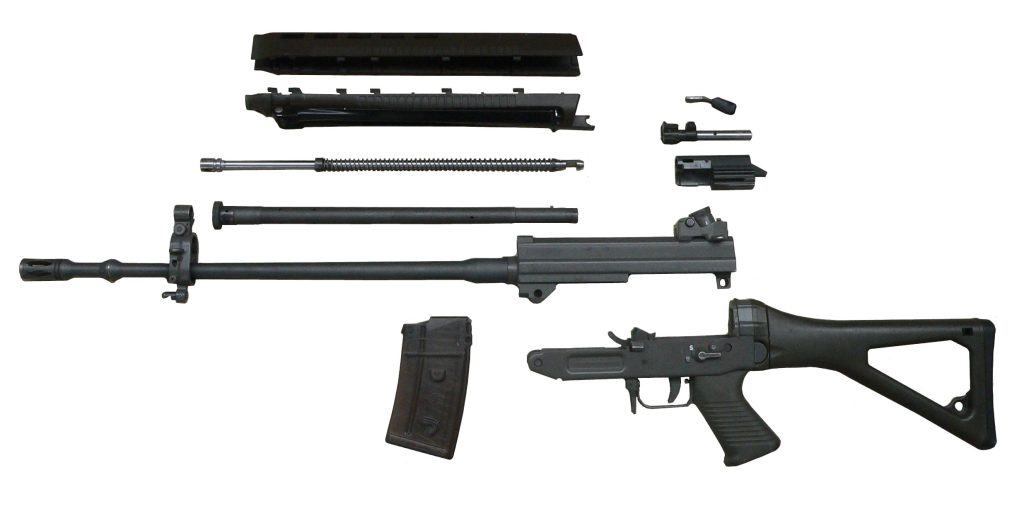
The platform is modular, but modular does not mean self-correcting. As Chad Albrecht of School of the American Rifle put it, “these parts are Legos, and that builders can just slap them together” is one of the common myths that causes problems when people stop checking how parts actually fit and move.Even when receivers physically mate, reliability still depends on details that are easy to miss: whether pins float, whether parts that should remain fixed actually stay fixed, and whether critical dimensions were verified instead of assumed. A rifle can assemble cleanly and still hide friction, tolerance stacking, or gas-related issues that only appear after firing. The point is not that compatibility is rare. It is that gauging and fit checks matter more than the ease of assembly suggests.
2. “If it came from a respected brand, it doesn’t need inspection”
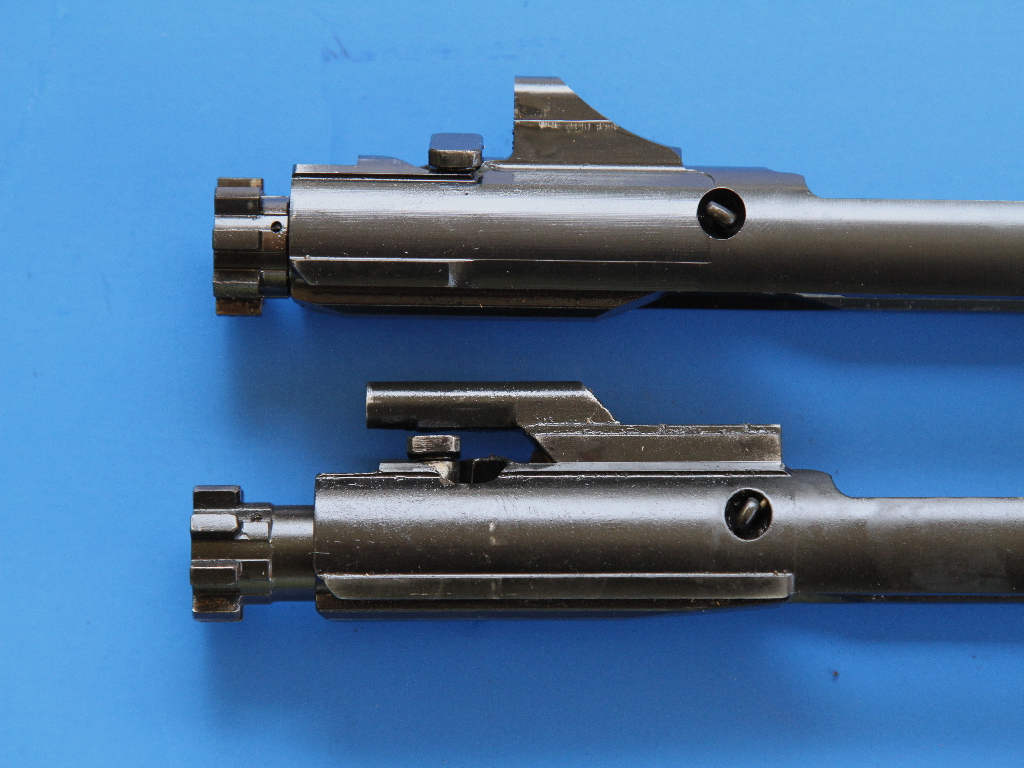
Brand reputation reduces uncertainty; it does not erase it. That distinction matters because new owners often confuse a known name with guaranteed perfection, especially on bolts, barrels, and small internal parts. Albrecht described seeing builds in class where well-regarded parts still had to be replaced before the rifle could be completed. His broader point was straightforward: even good companies produce occasional out-of-spec parts, just with lower frequency. That is why the most reliability-critical components still deserve inspection after purchase and before trust. A rifle does not become dependable because a logo is familiar. It becomes dependable when the parts are correct, fitted properly, and function-tested under realistic use.
3. “A little rubbing at the gas tube means the rifle is basically broken”
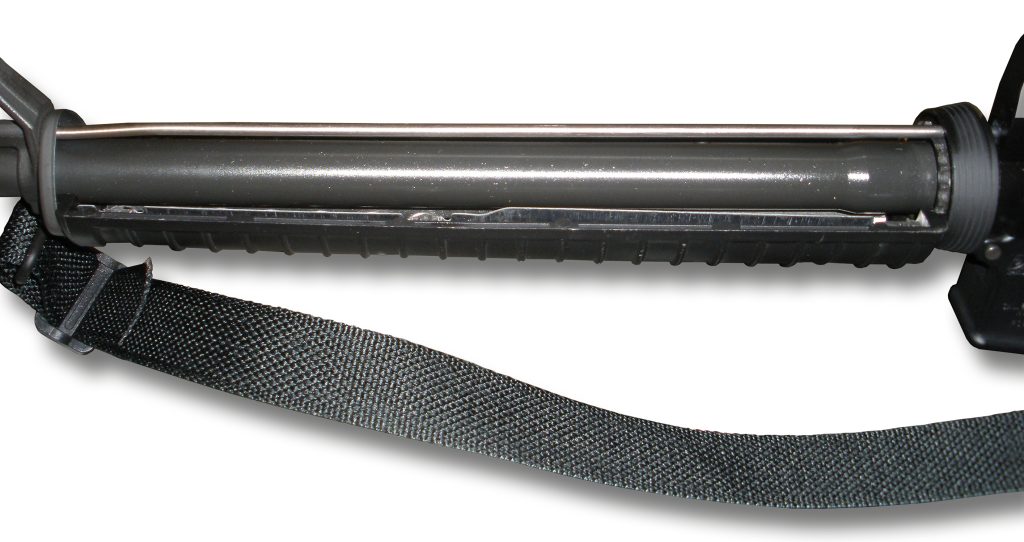
New owners often panic when the gas key does not glide over the gas tube with absolute smoothness. In practice, slight misalignment is not automatically a failure condition. In one long-running builder discussion, experienced armorers noted that a gas tube sitting a hair off center was often not a major issue if the barrel nut was tight and there was no unusual wear. That does not mean alignment is irrelevant. It means the real question is whether contact is creating binding, abnormal wear, or cycling problems. One of the more useful takeaways from the discussion was simple: slight gas tube offset can exist without immediate harm, while a moving delta ring or visible wear deserves closer attention. Reliability diagnosis works better when it starts with function and wear evidence, not visual anxiety alone.

4. “If it runs for a few magazines, reliability is confirmed”
This is one of the quietest bad assumptions because it often sounds reasonable. A rifle that makes it through 60 or 90 rounds feels proven to a new owner. It is not. Heat, fouling, lubrication changes, marginal gas flow, and drag from worn parts can show up later in the session. A forum case involving an AR that stopped cycling after roughly 100 rounds is a good example.
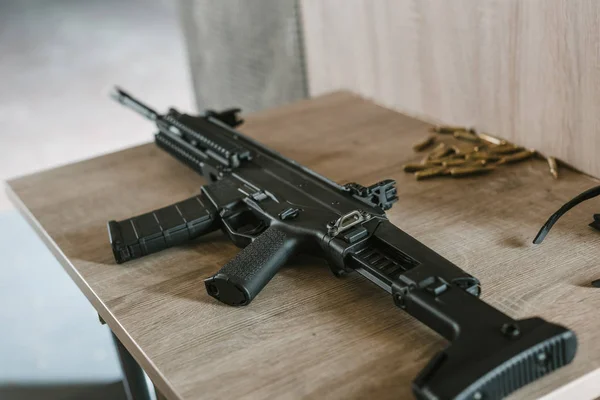
The rifle would still fire and eject, but weak ejection and sluggish forward movement pointed toward a deeper operating problem rather than a simple magazine issue. The owner eventually discovered the gas tube had broken when trying to remove it, after already noticing that the rifle’s behavior changed only once it had some rounds on it. That kind of pattern matters because it shows why short successful firing strings do not establish long-term reliability.
5. “Receiver wobble or fit tightness determines accuracy and function”
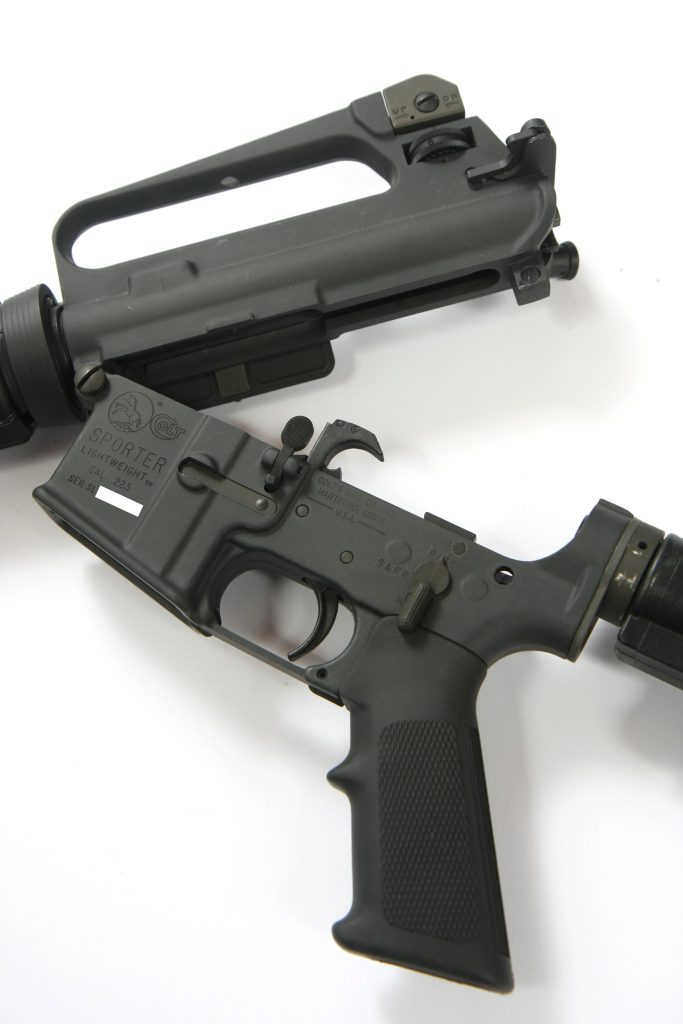
Many new owners focus on how the upper and lower feel when pinned together, treating looseness as a reliability defect and tightness as proof of quality. That focus is usually misplaced. A slight amount of receiver slop is common on mil-spec pattern rifles and does not automatically harm accuracy.
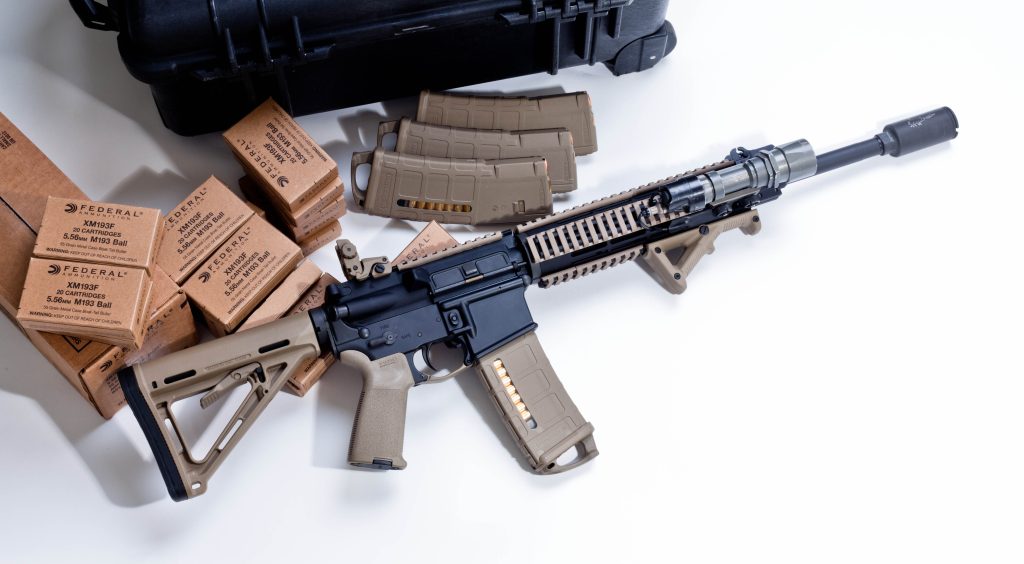
What matters more is the operating relationship between the barrel, bolt, carrier, gas system, and ammunition. The AR’s shot-to-shot consistency comes from the barrel and bolt lockup, not from whether the receivers feel like a single block in the hand. As one compatibility guide notes, receiver slop is often a nuisance issue rather than a performance issue. Reliability complaints should start with cycling evidence, extraction, gas behavior, and part movement not cosmetic discomfort.
6. “The expensive parts are the important parts; the little stuff doesn’t matter”
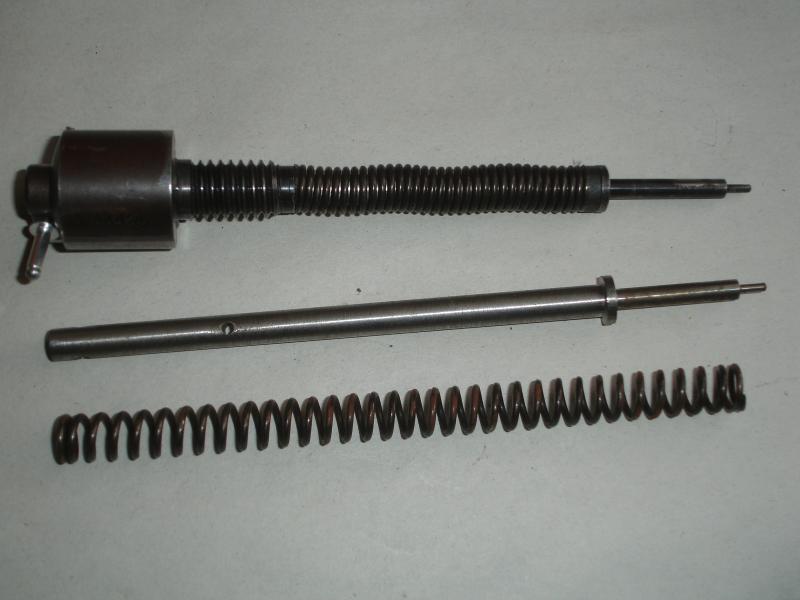
This myth survives because small parts are easy to ignore and hard to market. Springs, pins, detents, and basic fire-control geometry do not get the same attention as barrels or triggers, yet they are often what turn a promising build into an inconsistent one. Albrecht’s warning was blunt: the rifle is “really nothing more than a collection of parts.” That is especially relevant for reliability because the gun does not care where the money was spent if one spring is weak, one pin binds, or one pocket dimension causes drag. A premium trigger can still produce light strikes or reset problems if the lower’s geometry is off.
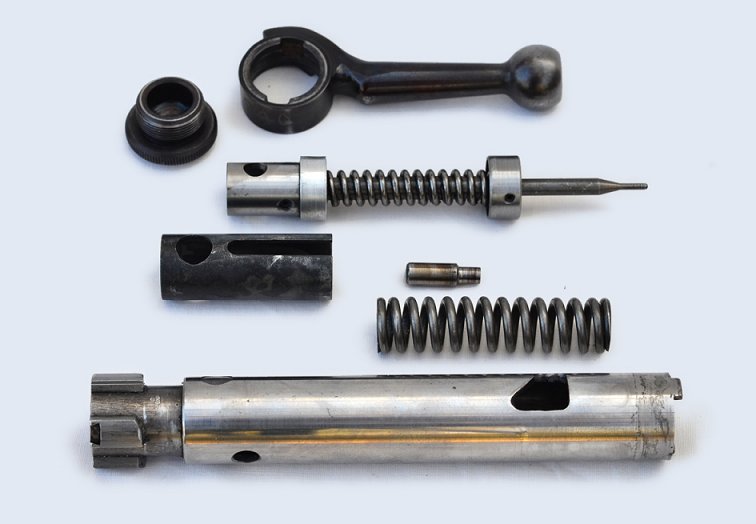
A good barrel cannot make up for a bad bolt. And a strong brand name on the outside does nothing for a marginal internal part that was never checked. In reliability terms, small faults stack faster than most new owners expect. Most AR-15 reliability myths come from oversimplification. New owners are told the rifle is effortless, overbuilt, or self-explanatory, when dependable function actually depends on observation and basic verification. The better approach is quieter and less glamorous: inspect parts, watch for wear, pay attention to how the rifle behaves as it heats up, and treat repeatable function as earned evidence rather than a first impression.


