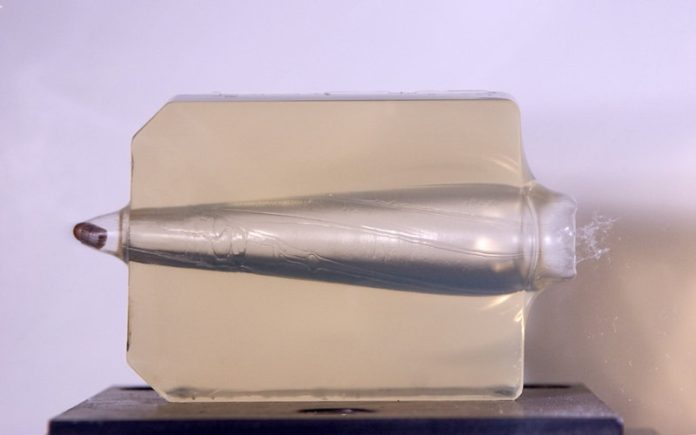
Ballistic gelatin has become the shorthand for serious handgun ammunition testing, but that shortcut hides a problem. A round can look impressive in a clear block, post respectable numbers, and still stumble in the places that matter most: through clothing, from short barrels, or after meeting bone and awkward shot angles.
The FBI protocol remains valuable because it gives testers a repeatable yardstick. The trap begins when gel is treated like a prediction machine instead of what it really is: a controlled comparison tool.
1. Passing gel does not mean predicting a human body
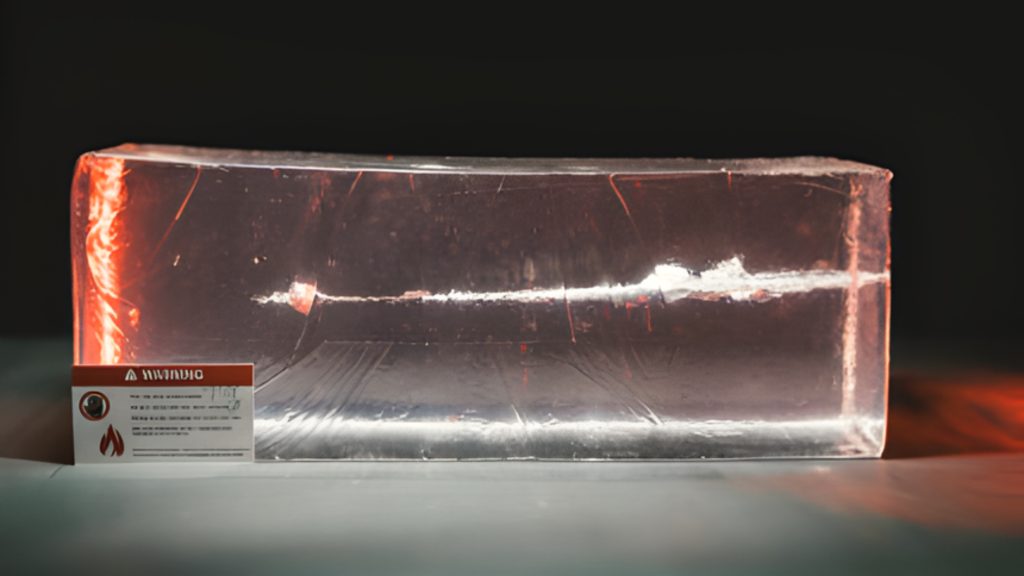
Calibrated gelatin helps compare one load to another under the same conditions, which is exactly why the protocol became so influential. Proper gel work tracks penetration, expansion, fragmentation, and retained weight with strong consistency, but it remains a controlled medium rather than a living target. Real anatomy introduces skin, ribs, tendons, fat, muscle, organs, and constantly changing body orientation. A load that performs poorly in gel raises a warning flag. A load that performs well earns attention, not certainty.
2. The 12-to-18-inch window is often misunderstood
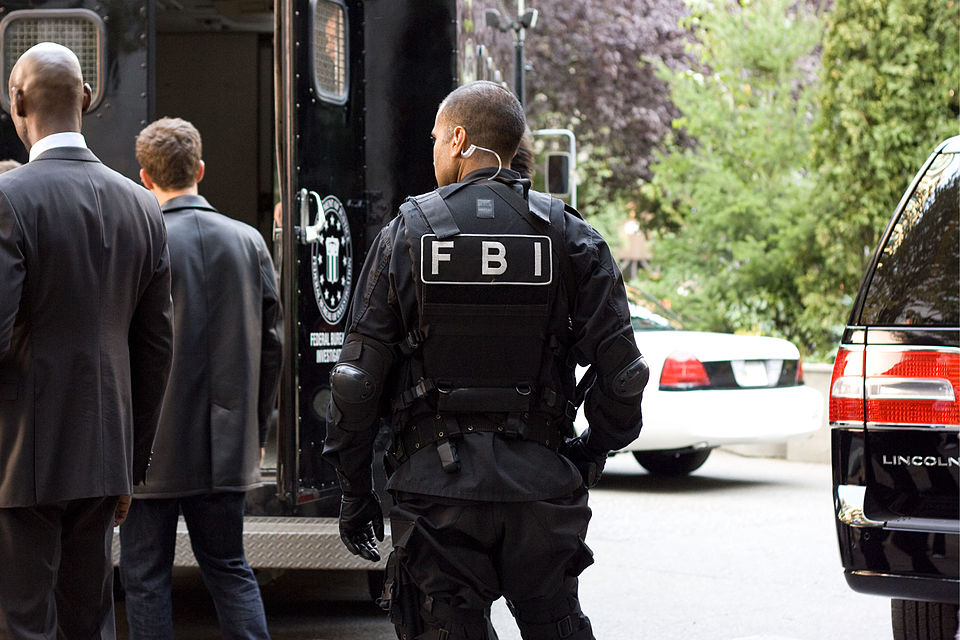
The famous FBI standard was not built around a simple front-to-back chest shot. It was designed so a handgun bullet could still reach vital structures after clothing, an arm, glass, wallboard, or angled presentation complicated the path. That is why the 12- to 18-inch penetration window became the benchmark instead of a lower figure that would look sufficient on paper. That standard also explains why some rounds quietly fail despite expanding nicely. Expansion alone is not enough if the bullet cannot keep driving after meeting intermediate tissue or barriers. In technical terms, the protocol measures terminal reliability, not magic.
3. Heavy clothing can turn a hollow point into something else
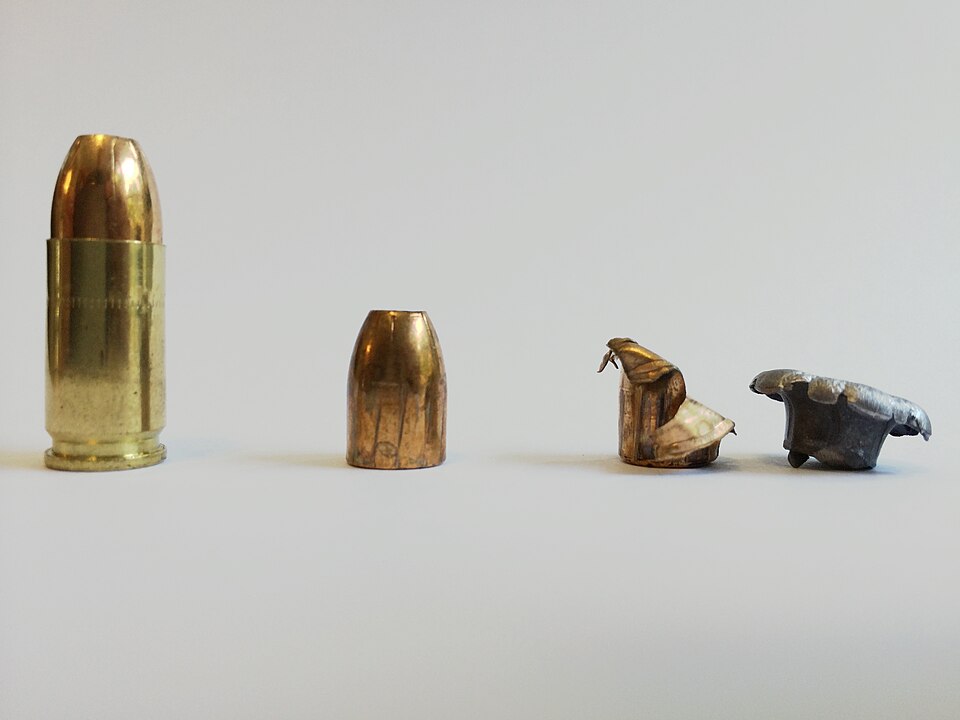
The heavy-clothing stage is less about winter fashion than hollow-point reliability. Layers of fabric can plug the cavity, delay expansion, or stop expansion entirely. When that happens, the bullet may penetrate deeper than expected while cutting a narrower permanent path. This is one of the more counterintuitive parts of handgun testing.
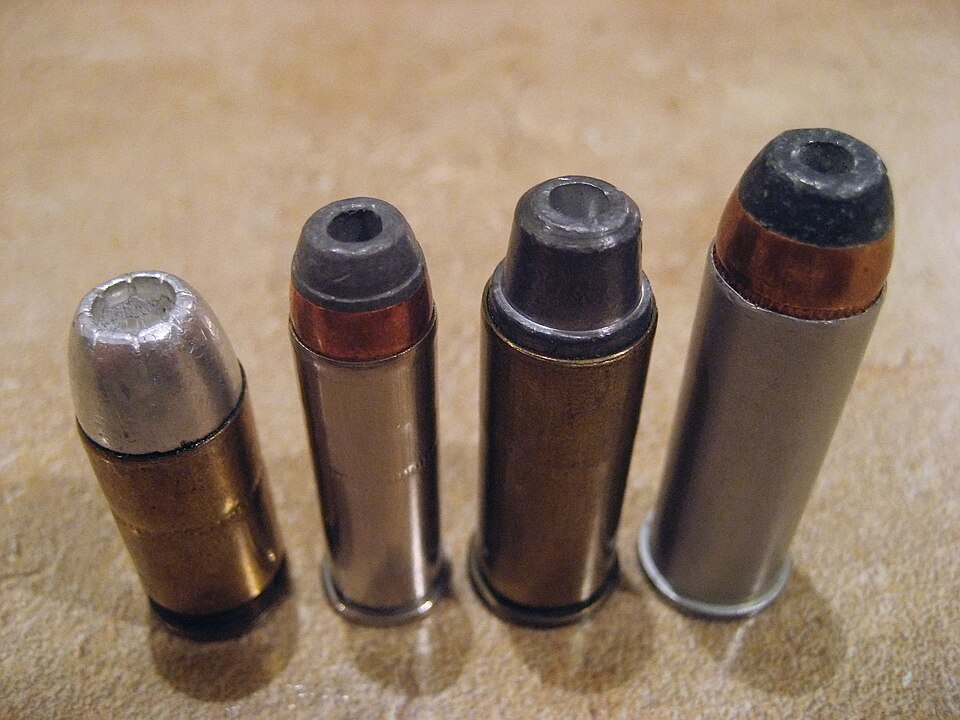
As discussed in heavy-clothing gel results, many hollow points do not lose penetration after passing through garments; they often penetrate more because they expand less. A round that looks perfect in bare gel can reveal its weakness only when cloth is added.
4. Short barrels can quietly wreck a bullet’s design window
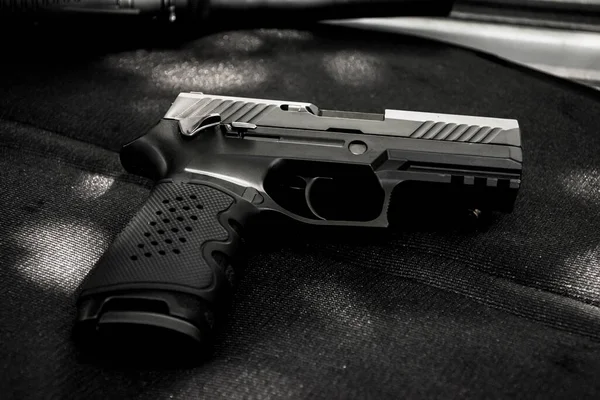
Many handgun bullets are engineered around a certain velocity range, and barrel length decides whether that window is reached. Service-size test barrels can make a load appear settled and consistent, while a carry pistol with a barrel just over 3 inches may cut enough speed to reduce expansion reliability. That shift matters more than many caliber debates. The same cartridge can produce different penetration depth, expansion diameter, and shot-to-shot consistency depending on the gun that launches it. A round is not really proven until the actual pistol-barrel combination shows stable results.
5. The dramatic temporary cavity is mostly a visual distraction
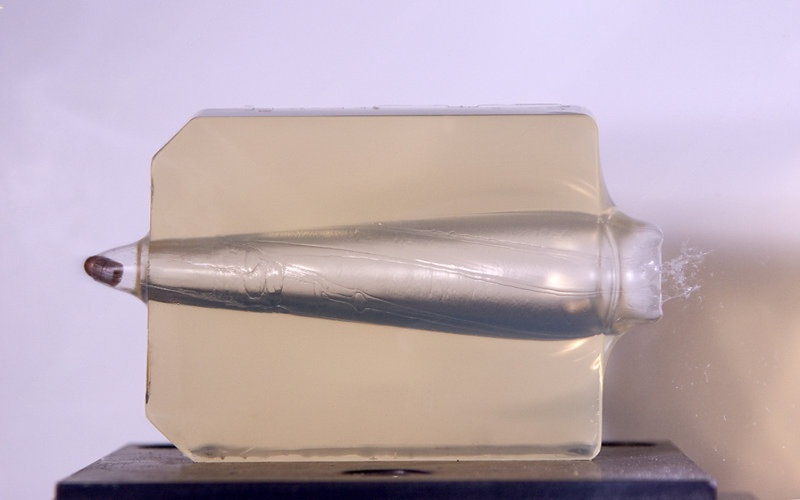
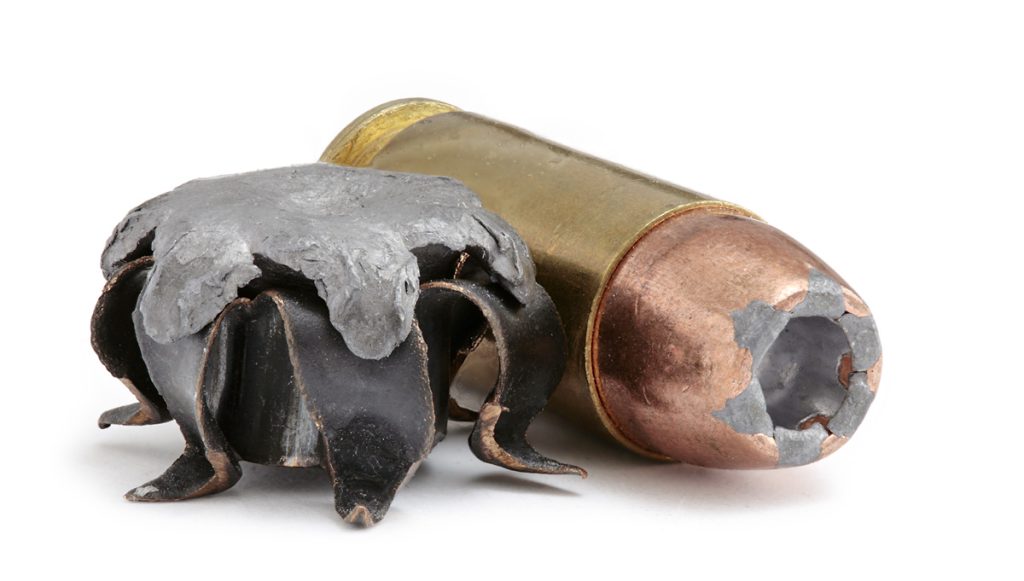
Slow-motion gel footage has misled generations of shooters because it makes handgun bullets appear to create rifle-like destruction. In reality, the dependable wound mechanism from ordinary handgun velocities is the permanent cavity: the tissue physically crushed and torn by the bullet. That is why the often-quoted line that handgun bullets mostly “poke little holes in stuff” remains useful. The expanding bubble in gel may look violent, especially in more elastic synthetic media, but it does not reliably translate into greater incapacitation. Penetration and permanent crush path matter more than splashy video.
6. Bone is the missing variable that gel cannot fully solve
Standard gel blocks are intentionally uniform. Human bodies are not. Bone can slow a bullet, redirect it, deform it, or break it apart, and each of those effects can radically alter what looked like a tidy path in gelatin. A rib strike, sternum hit, pelvis impact, or arm bone encountered before the chest can upset expansion and shorten penetration. This is why neat bare-gel performance sometimes overstates real-world predictability. Gel is useful precisely because it removes variables, but that same strength is also its limit.

7. Barrier testing reveals failures that bare-gel fans never see
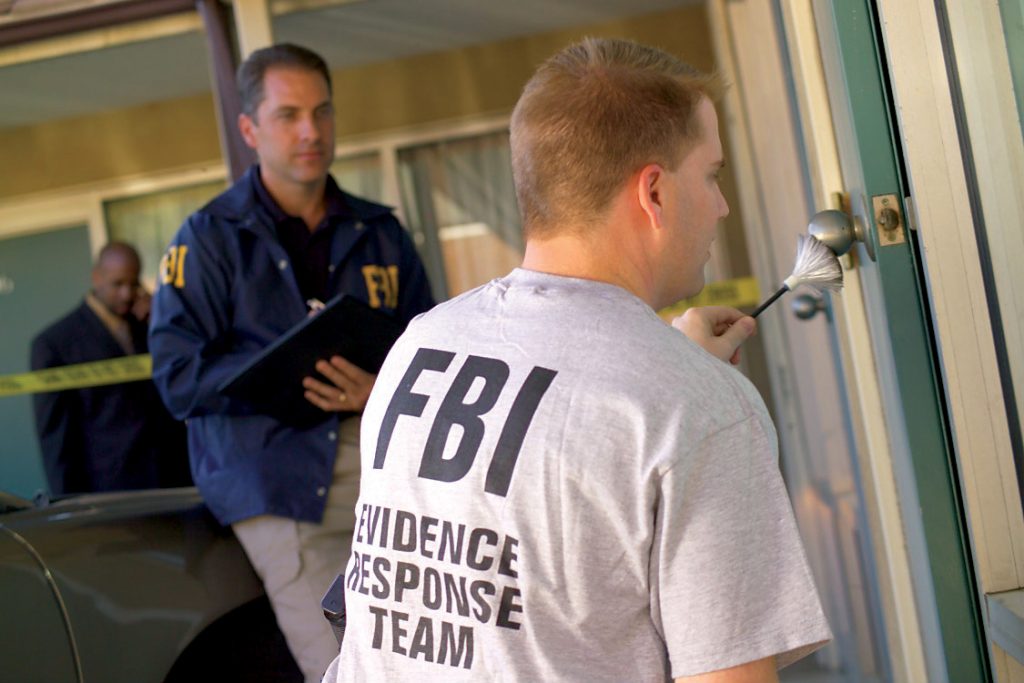
The FBIbecame the industry standard in part because it does not stop at one clean block. The full series includes 30 shots across six barrier events, with rounds fired from 10 feet through bare gel, heavy clothing, steel, wallboard, plywood, and auto glass. That broader view matters because barriers can deform bullets, strip jackets, delay expansion, or push penetration beyond the intended range. A round that looks balanced in a single bare-gel test may become erratic after drywall or windshield glass. The quiet failures usually show up there, not in the glamorous baseline shot.
The real lesson is not that gel is flawed beyond use. It is that gel is most trustworthy when read like engineering data: compare loads, verify consistency, and expose weak combinations before they matter. Many handgun rounds do not fail loudly. They fail by looking acceptable until clothing, barriers, barrel length, or anatomy push them outside the narrow conditions where they seemed ideal.


