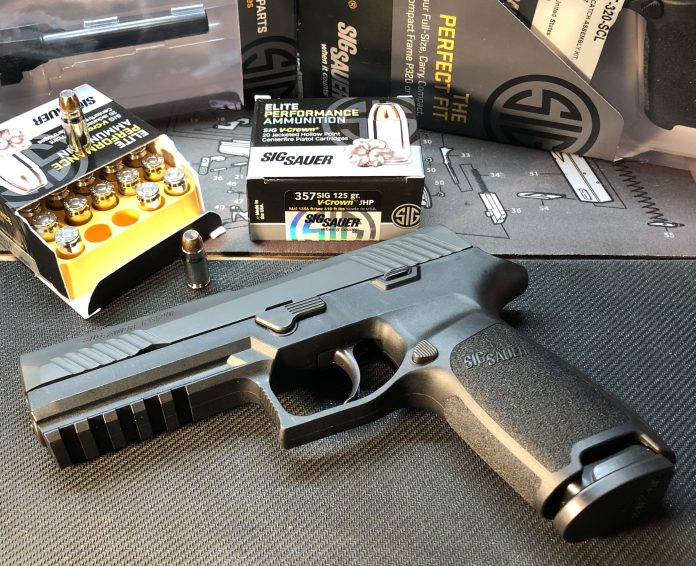
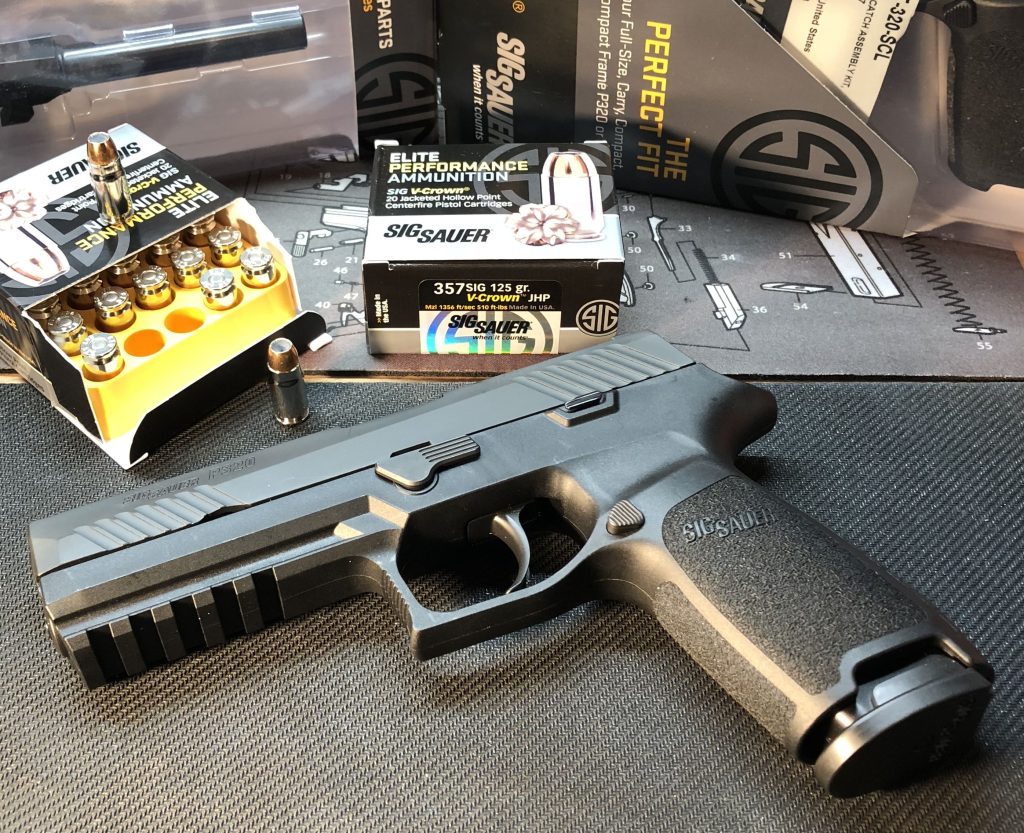
Modern pistols carry an impressive amount of engineering inside a compact package. Trigger levers, firing pin blocks, inertial firing pins, decockers, grip safeties, and magazine disconnects all exist to reduce the chance of an unintended discharge. But those systems are designed around a simple premise: the pistol is being carried and handled in a way that allows the safeties to do their job.
That is where everyday habits matter more than many carriers realize. A modern handgun can be mechanically sophisticated and still be undermined by poor holster selection, careless handling, or neglected maintenance. These are the habits that most often work against the design logic built into today’s carry pistols.
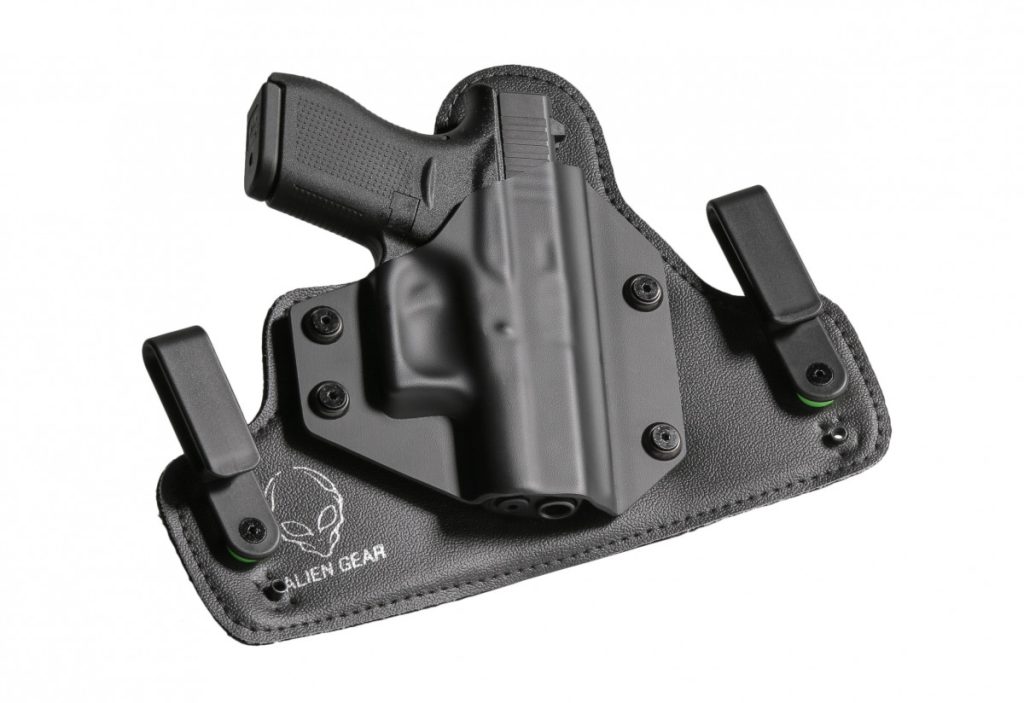
1. Using a holster that does not fully protect the trigger
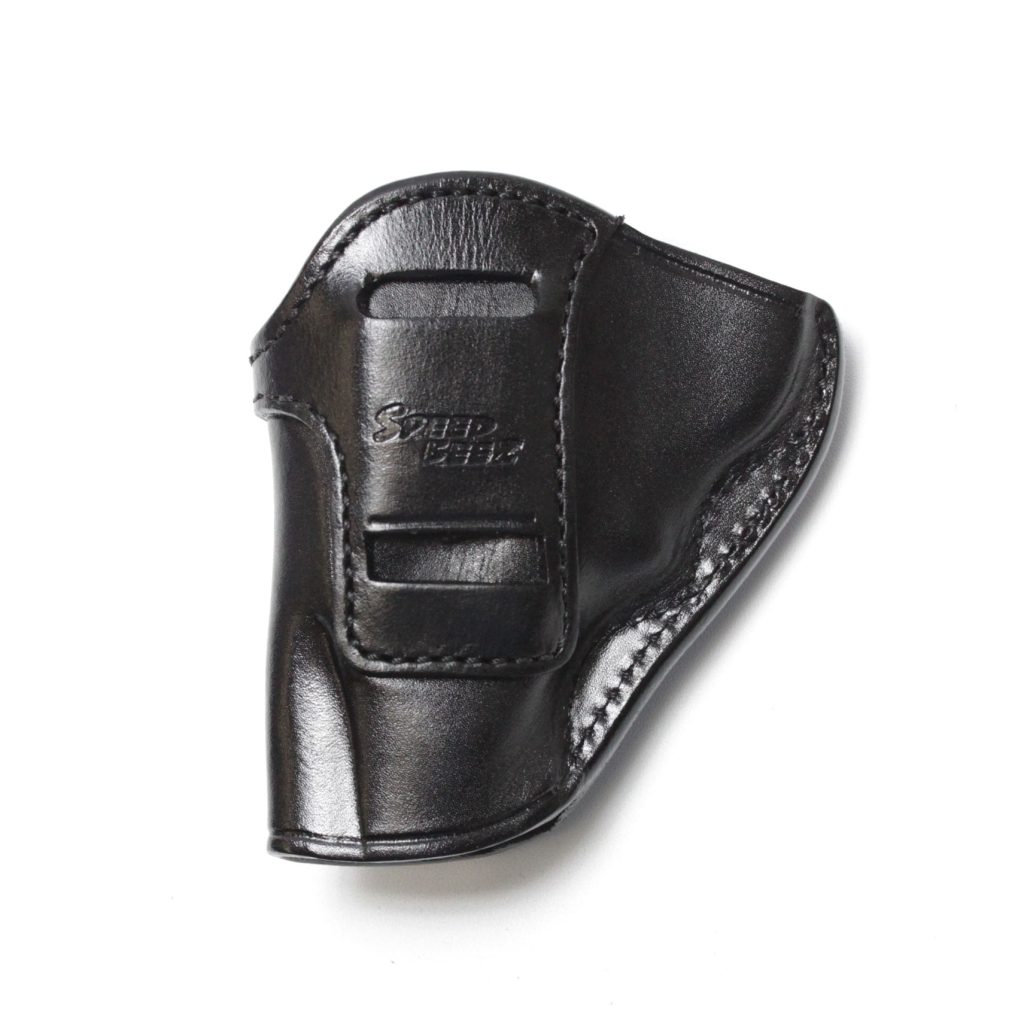
Many modern striker-fired pistols use a trigger-mounted safety and firing pin blocks to prevent discharge unless the trigger is deliberately pressed. That protection disappears when a holster leaves part of the trigger exposed or allows foreign material to enter the trigger guard. A proper carry holster has to do more than hold the gun in place. It must shield the trigger completely, remain stable during movement, and resist collapse during reholstering. If the holster lets anything touch the trigger, the pistol’s internal safeties are no longer the final barrier.
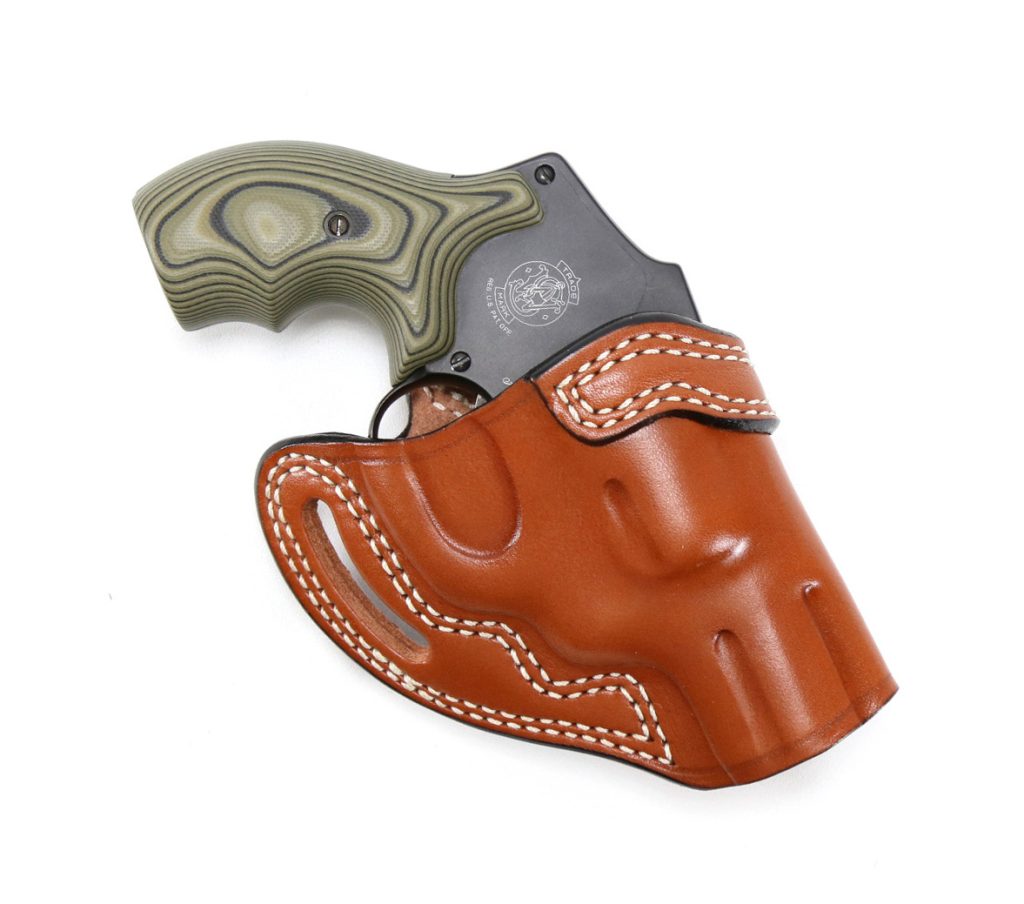
2. Continuing to carry in a worn, softened leather holster
Holster wear is not cosmetic when it changes the shape of the material around the trigger guard. One documented account described a discharge from a holstered Glock 19 after the leather had softened and formed a crease that extended into the trigger area, as detailed in a worn leather holster incident. The engineering lesson is straightforward: passive safeties stop inertial movement, dropped-gun discharge, and out-of-battery firing. They do not stop a trigger from being pressed by deformed holster material. A holster that has lost rigidity can function like an unintended control input.
3. Reholstering too quickly
Reholstering is one of the least appreciated risk points in concealed carry. During that motion, the muzzle often passes close to the body, the trigger area is near clothing and gear, and attention is frequently divided. Range instructors consistently identify unsafe reholstering as a leading safety problem, including muzzling the body or support hand while trying to seat the pistol. A firing pin block cannot correct a shirt tail, drawstring, folded holster mouth, or misplaced thumb driving the trigger rearward. Modern safeties buy mechanical margin; they do not excuse rushed handling.

4. Carrying without a purpose-built holster at all
Off-body placement, improvised pockets, waistbands without holsters, and generic soft sleeves all create the same problem: inconsistent trigger protection and unstable gun orientation. The pistol may still retain every factory safety feature, but its safe-carry envelope has been removed. This habit also encourages constant readjustment. Each unnecessary touch creates another opportunity for trigger contact, poor muzzle direction, or partial unseating of the pistol. A secure on-body holster remains part of the safety system, even though it is external to the gun itself.
5. Letting clothing and straps enter the holster mouth
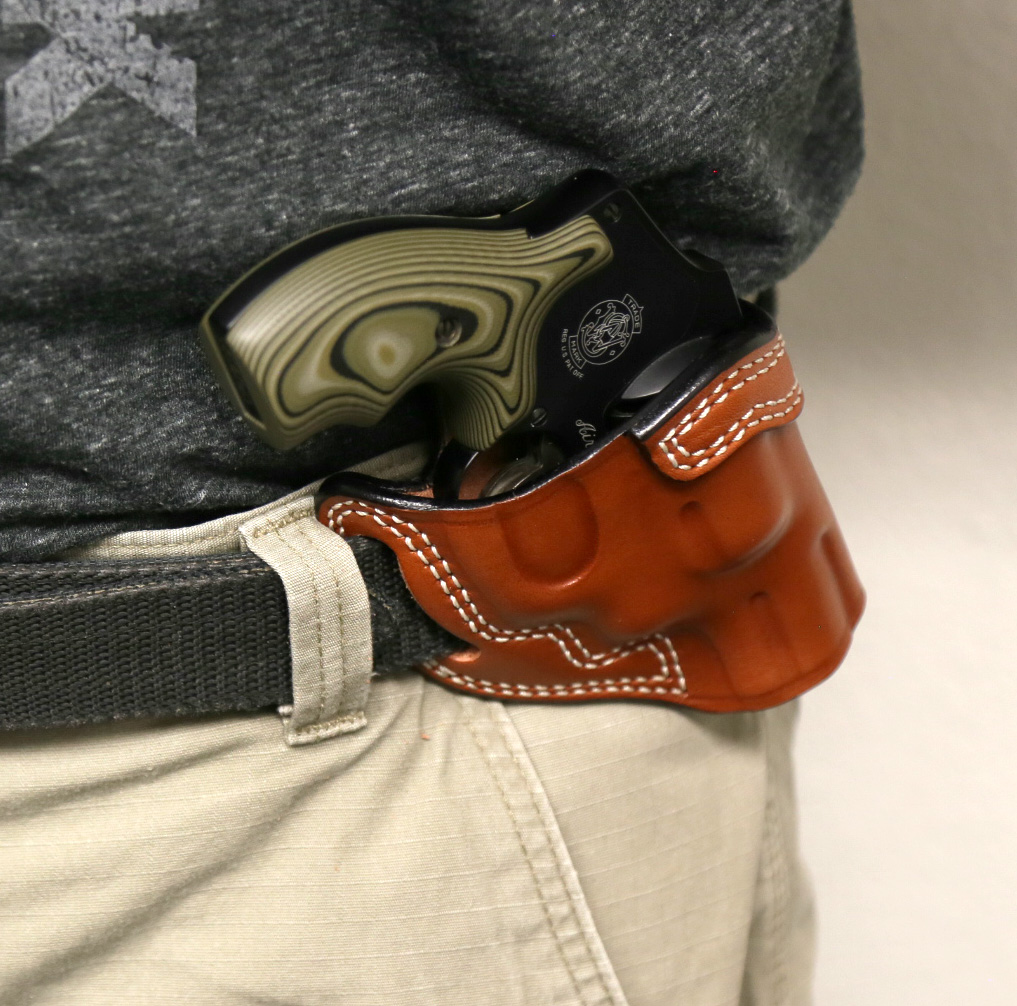
Modern pistols are often drop-safe because the firing pin or striker is blocked until a full trigger press occurs. That means the practical hazard is not the gun “just going off,” but something pressing the trigger during holstering. Cover garments, untucked shirts, jacket cords, and seat belt material can all intrude into the holster opening. Once trapped, they can apply enough pressure to defeat the very system meant to prevent discharge from impact or inertia alone. This is a small error with outsized consequences.

6. Treating internal safeties as a substitute for finger discipline
Trigger safeties are often misunderstood as if they prevent negligent discharges on their own. In reality, they are designed to prevent rearward trigger movement unless the trigger face is pressed correctly. A finger on the trigger satisfies that condition immediately. In live-fire and administrative handling alike, instructors repeatedly flag the “lingering finger” as a common violation. Once the finger stays inside the trigger guard during movement, reloads, or problem-solving, the pistol’s passive safeties are no longer backup features. They have already been bypassed by normal operation.
7. Neglecting magazine, spring, and extractor condition
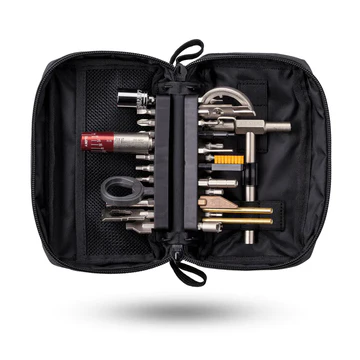
Safety systems are not limited to preventing discharge when dropped. They also depend on the pistol cycling as intended and staying within its designed operating condition. Weak magazine springs, damaged feed lips, worn extractors, and fouling all increase the odds of abnormal handling during stoppages. One source notes that around 90% of firearm malfunctions can be tied to poor cleanliness and maintenance conditions, according to a guide on common handgun malfunctions. A malfunction does not equal a discharge, but it often triggers hurried administrative handling, awkward muzzle movement, and unnecessary trigger contact. Neglect turns routine carry into a series of unplanned manipulations.
8. Relying on half-understood controls
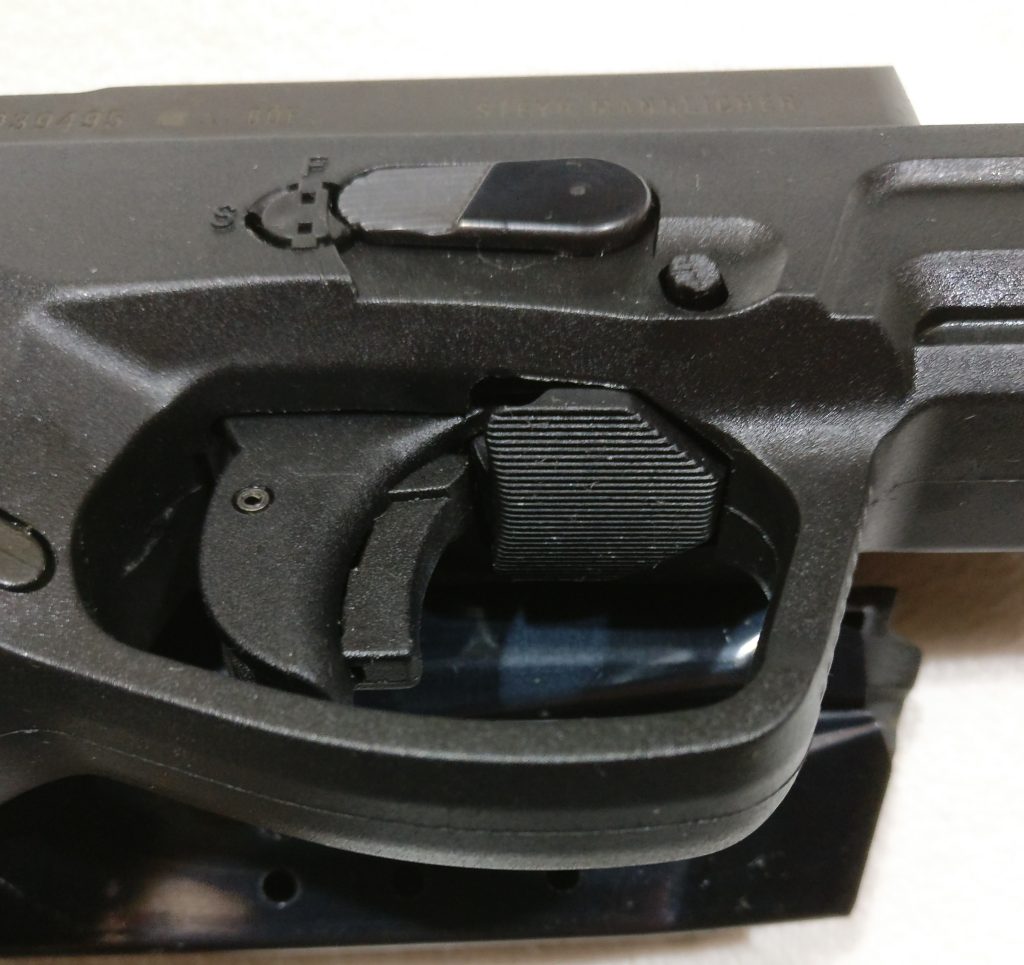
Manual safeties, decockers, grip safeties, and magazine disconnects all behave differently. Some block the sear, some block the firing mechanism, and some merely prevent firing under narrow conditions. Confusion over what a particular system actually does can produce hazardous habits. The classic example is assuming a half-cock notch is a carry safety. It is not. Likewise, assuming a magazine disconnect makes a pistol harmless can lead to careless chamber checks if a round remains in the barrel. Modern design gives users more layers, not more excuses to skip familiarization.

9. Administrative handling with poor muzzle discipline
Loading, unloading, chamber checks, clearing, and benching the pistol are the moments when many carriers stop thinking about direction and start thinking only about the task. That shift in attention is exactly how safe mechanical design gets defeated by unsafe human input. During these moments, the gun is often rotated, tilted, or brought close to the body. If the trigger is touched, or if the gun is manipulated while pointed in an unsafe direction, internal safeties have little relevance. The design may prevent drop discharge, but it cannot correct poor orientation.
Modern pistol safety systems are highly effective within their intended role. They block firing pins, interrupt striker movement, prevent discharge from impact, and add mechanical redundancy to daily carry. What they do not do is override bad habits. A pistol can be mechanically safe and still be carried unsafely. In practice, trigger protection, deliberate reholstering, disciplined handling, and equipment upkeep are the habits that allow the gun’s engineering to work as intended.


