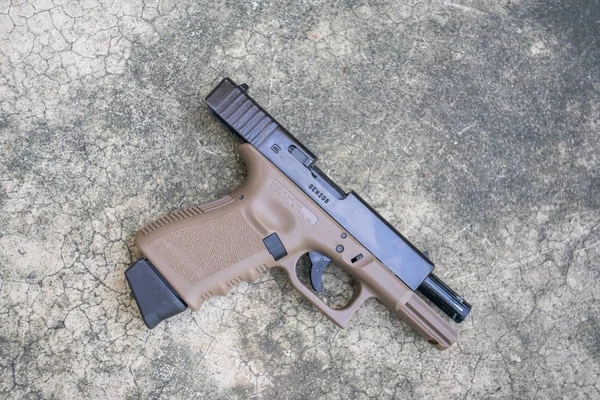
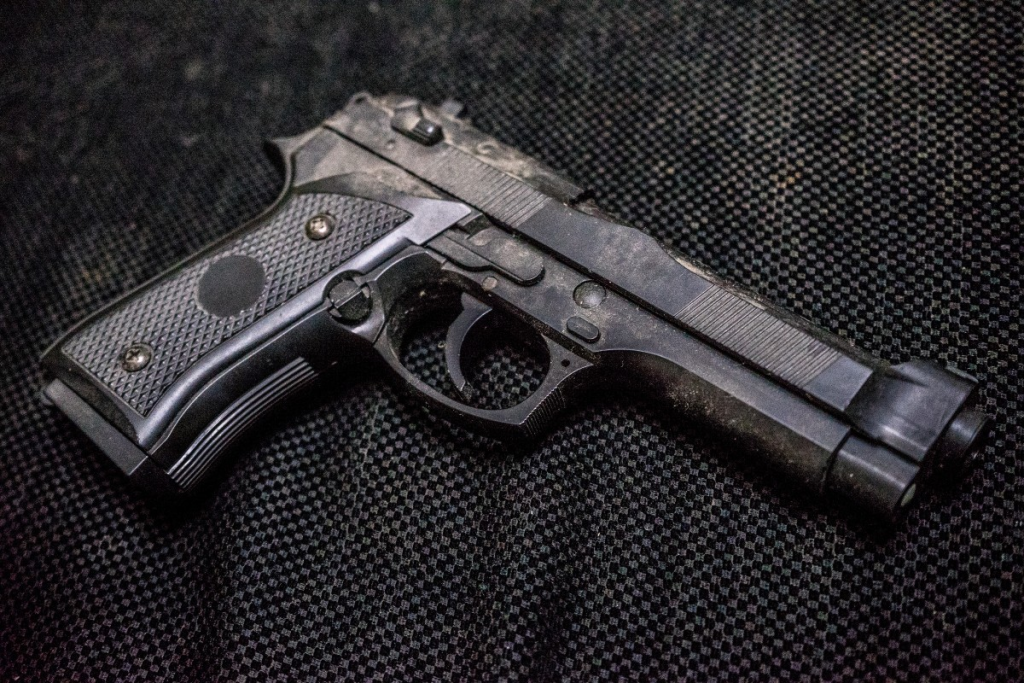
Trust in a semi-automatic pistol is built on repetition. The design has to feed, lock, fire, extract, eject, and reset the same way every time, because confidence tends to disappear long before a handgun fully stops working.
That is why certain malfunctions matter more than a single bad shot on the range. They expose weak points in the relationship between ammunition, magazines, springs, extractor geometry, chamber condition, and user handling. The stoppages below are familiar to experienced shooters, but they also explain why one unreliable pattern can make a pistol feel uncertain even when the underlying problem is small and correctable.
1. Premature Slide Lock
A pistol that locks open while rounds are still in the magazine immediately feels untrustworthy because it mimics an empty gun. The interruption often points to either shooter contact with the slide stop during recoil or a magazine and slide-stop relationship that is no longer working as intended.
Mechanical causes include a weak slide-stop spring, damaged magazine geometry, or follower contact that pushes the stop upward too early. In practice, this malfunction is especially frustrating because the pistol appears to have completed its cycle when it has not.
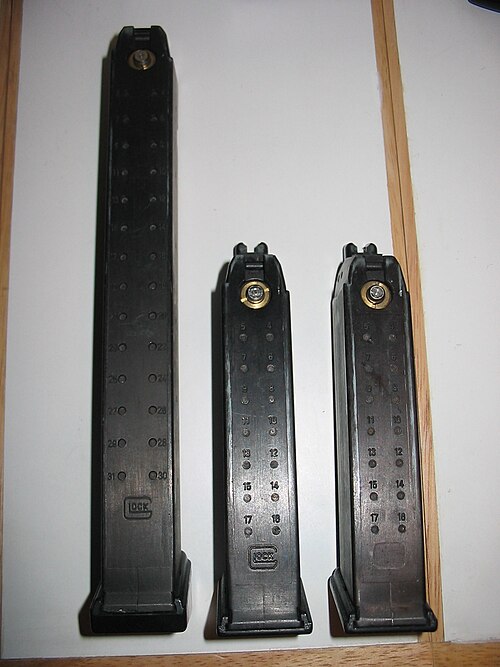
2. Failure To Strip The Next Round
This stoppage happens when the fired case is gone, the slide moves forward, and the pistol closes on an empty chamber instead of feeding the next cartridge. A magazine that is not fully seated is a frequent cause, but damage around the magazine catch cutout or debris in the magwell can create the same symptom.
The reason this one erodes confidence so quickly is simple: the first shot fires normally, and the second trigger press produces nothing. That pattern makes the pistol seem inconsistent even if the real fault lies in magazine retention rather than the slide or barrel.
3. Nose-Down Failure To Feed
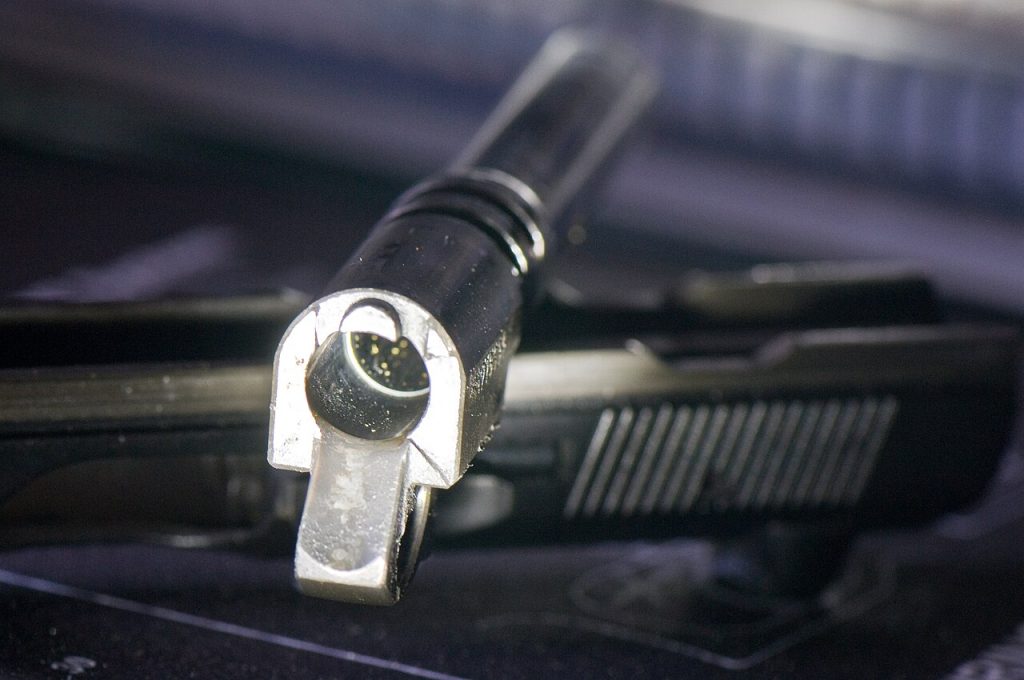
Here, the cartridge tips downward and jams against the feed ramp instead of gliding into the chamber. The likely causes extend beyond the magazine and into extractor tension, feed-ramp condition, and cartridge shape.
Shorter, blunt-profile ammunition tends to be less forgiving, while roughness, corrosion, or misalignment at the feed path can slow the round enough to halt the slide. Reference material on extractor tension and feed-ramp interaction shows how a part usually associated with extraction also guides the cartridge during feeding. That overlap is one reason a pistol can display multiple malfunction types from one hidden issue.
4. Nose-Up Feed Jam
A nose-up stoppage looks different but tells a similar story: cartridge control has been lost before chambering finishes. Damaged feed lips, excessive magazine spring force, improper extractor tension, or fouling near the top of the chamber can all push the round into an upward jam.
This malfunction is revealing because it shows how narrow the timing window is inside a self-loading pistol. When cartridge release is too early or chamber entry meets too much resistance, the slide’s momentum is no longer enough to force the round into place.
5. Failure To Return To Battery
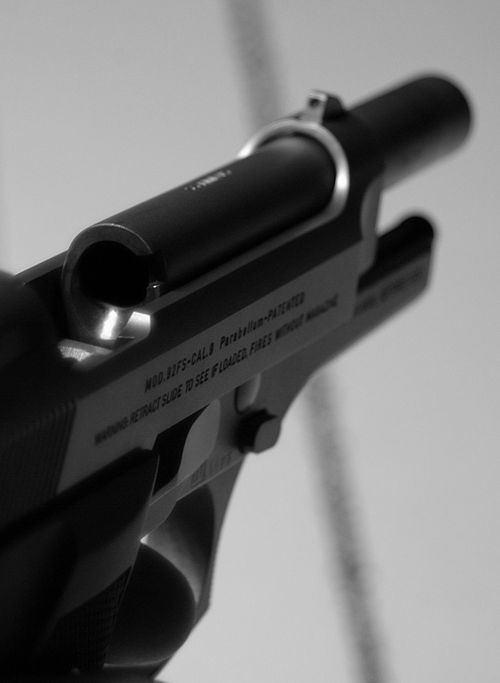
Few stoppages undermine confidence faster than a slide that stops just short of fully closed. The pistol looks almost ready, but it is not in firing condition.
Common causes include excessive fouling in the chamber, ammunition that is out of specification, dirt in the locking surfaces, or a worn recoil spring. The problem often appears gradually rather than all at once, which makes it a useful warning sign. A pistol that needs a nudge to close is already telling the user that spring energy, chamber cleanliness, or cartridge fit is no longer within a comfortable margin.
6. Light Primer Strikes
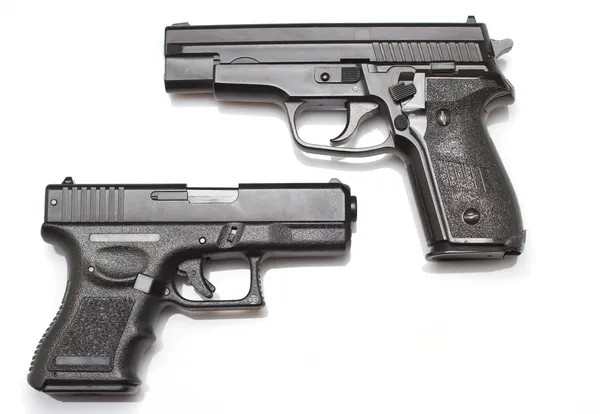
Light strikes create one of the most damaging forms of doubt because the trigger is pressed, the hammer or striker falls, and the cartridge still does not fire. The fault can come from the ammunition, but it can also come from residue in the striker channel, friction in moving parts, or incomplete lockup.
Cleaning the chamber, breechface, and striker area is often part of the first diagnostic step, especially when multiple ammunition types show the same symptom. Older or unusual primer formulations can complicate diagnosis, but repeated light hits almost always signal a system that deserves inspection rather than excuses.
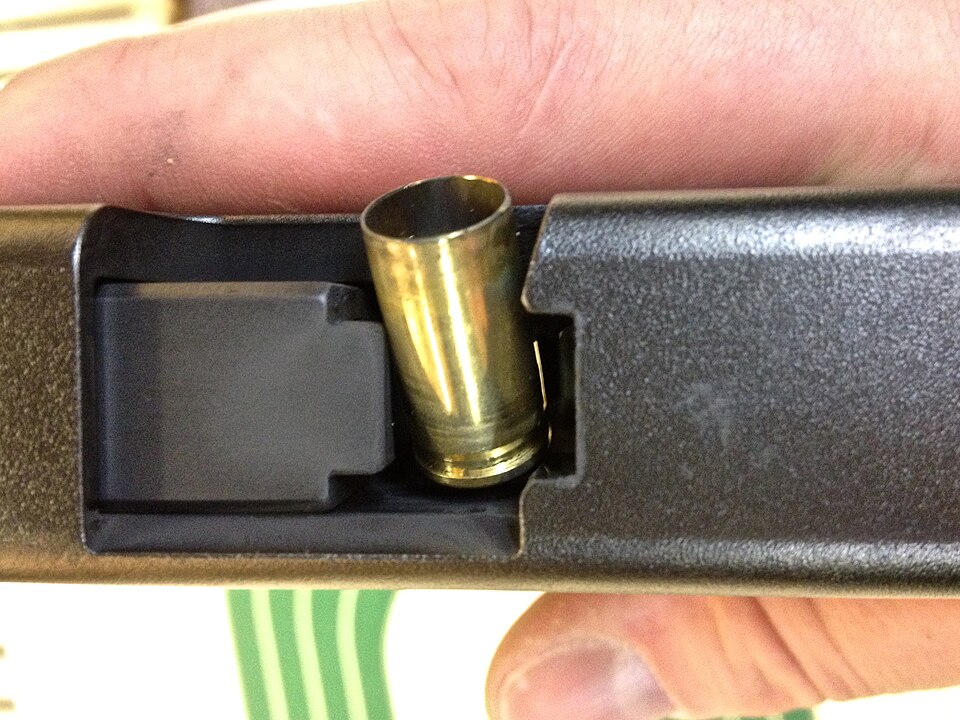
7. Failure To Extract
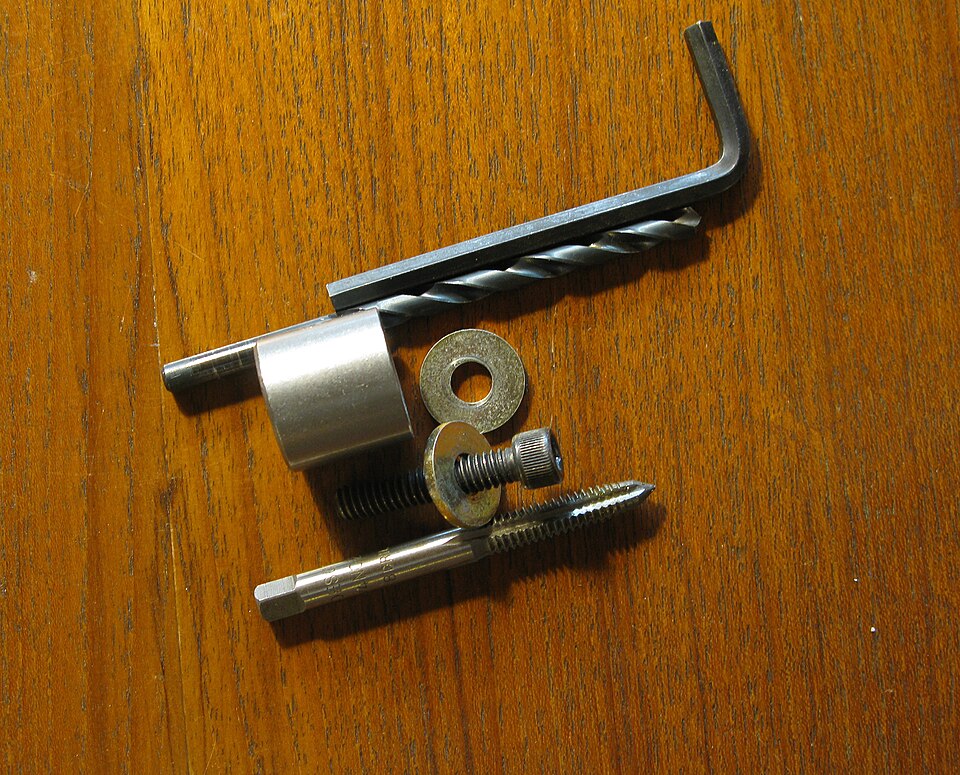
When a spent case stays in the chamber, the pistol’s cycle breaks at one of its most important handoff points. The extractor must hold the case rim firmly enough to pull the brass free as the slide moves rearward, and a damaged claw or poor tension can stop that from happening.
A detailed explanation of the extractor and ejector working in unison underscores how much of the pistol’s reliability depends on this small part. A dirty chamber can contribute, but the bigger lesson is mechanical: the extractor is not a minor component. It is one of the pistol’s trust anchors.
8. Double Feed
A double feed is one of the clearest signs that the cycle has become badly disordered. It usually involves a spent case that failed to clear or a live round trying to enter a space that is not available, leaving the pistol jammed tightly enough that simple immediate action often will not fix it.
The clearing process is more involved, and that alone makes the malfunction memorable. On a technical level, it often points back to extraction trouble, magazine timing issues, or a loss of control over the brass as it leaves the chamber.
9. Out-Of-Battery Discharge
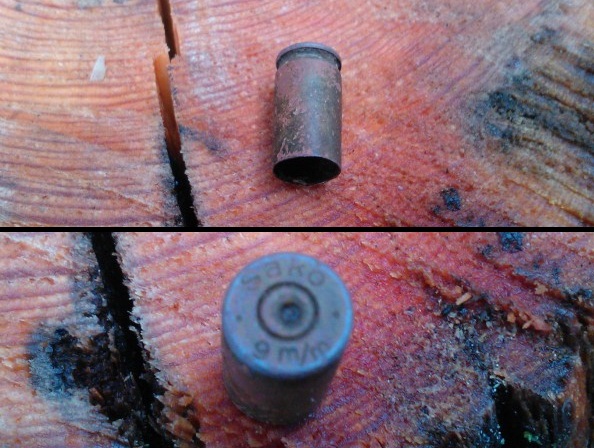
This is the most severe entry on the list because it involves the pistol firing when the breeching mechanism is not fully closed or locked by accepted definition. SAAMI defines out of battery as the breeching mechanism not being completely locked or closed, and the consequences can include ruptured brass and damaged parts.
High primers, faulty ammunition, and poor handling during loading or unloading have all been associated with these events. Even when the exact cause turns out to be ammunition or user technique rather than a design defect, the incident exposes just how much a semi-automatic pistol depends on precise timing and containment of pressure. There is little room for error when the slide, barrel, extractor, and cartridge are all converging at speed.
Most reliability failures are not random. They trace back to a small group of recurring factors: magazine condition, extractor performance, spring health, fouling, ammunition fit, and handling technique. That is why recurring stoppages tend to damage confidence faster than isolated breakages.
A trustworthy pistol is usually a well-maintained and well-understood one. When these nine malfunctions appear, they do more than interrupt firing. They reveal exactly where the machine is no longer giving the shooter enough margin to believe in the next trigger press.


