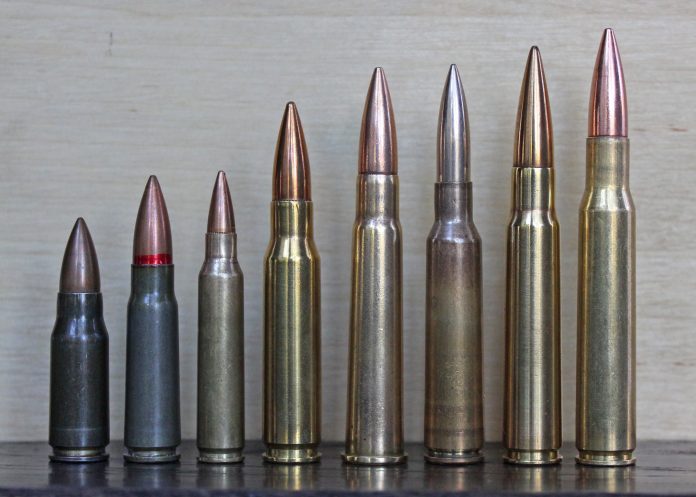
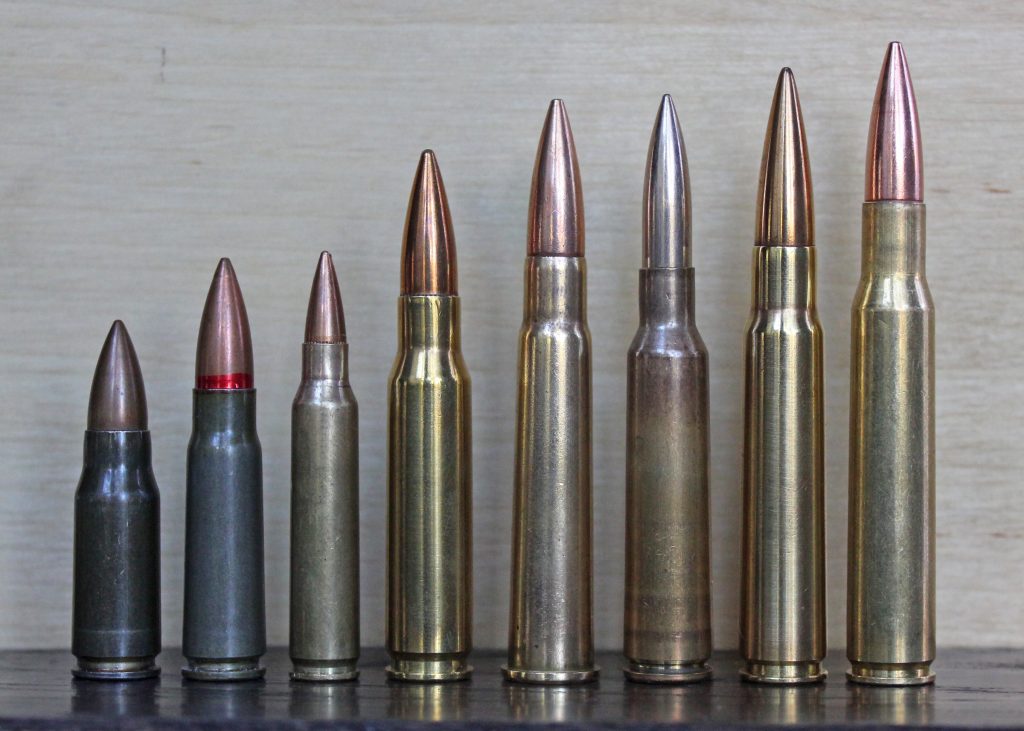
Some rifle cartridges make long-range shooting feel forgiving. Others do the opposite. They hold less margin for a rushed trigger press, an imprecise wind call, or a shaky position, and that is exactly why they reveal mistakes so clearly once distance stretches out.
At long range, the cartridge is never the whole story. Bullet design, recoil behavior, time of flight, and consistency all shape how much room a shooter has before a tiny error turns into a visible miss. As one veteran shooter in a long-range discussion put it, “Pick your distance, look at accurate bullets available with a BC high enough to get the job done, decide on the velocity needed, look for good quality brass then pick your cartridge.”
1. .308 Winchester
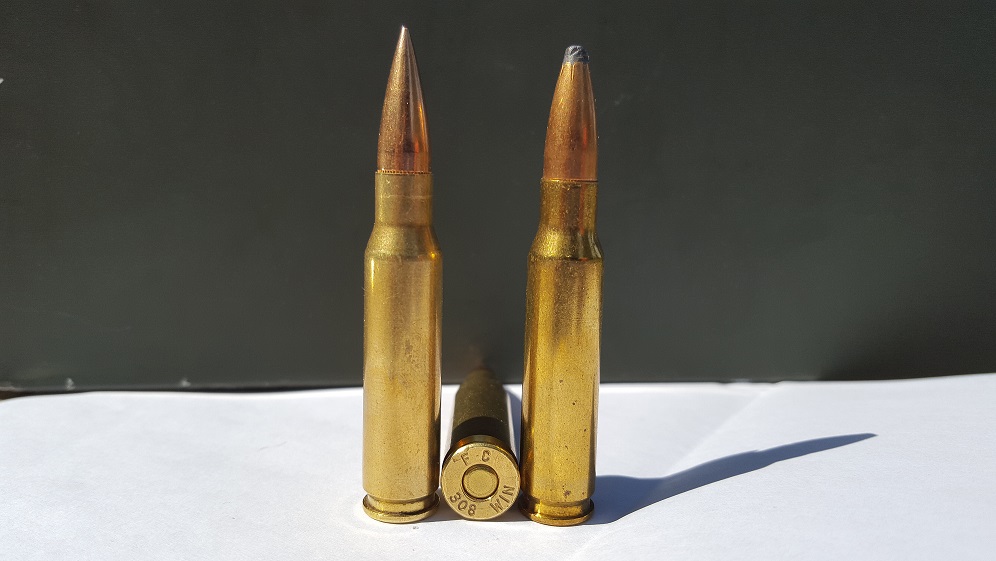
The .308 Winchester is accurate enough to stay relevant, but it is also one of the clearest teachers of wind-reading discipline. Average drift numbers are not especially forgiving at distance. In a 10 mph wind at 1,000 yards, average .308 loads were listed at 100.5 inches of drift, which leaves less room for a lazy hold or a bad call than many newer cartridges. That does not make it ineffective. It makes it honest. The .308 does not hide a weak position or sloppy follow-through with raw velocity, and it does not carry the same aerodynamic advantage as modern 6.5mm and 7mm options. A shooter who breaks clean shots and reads conditions well can still do serious work with it, but the cartridge quickly exposes anybody trying to coast on reputation alone.
2. 6mm Dasher
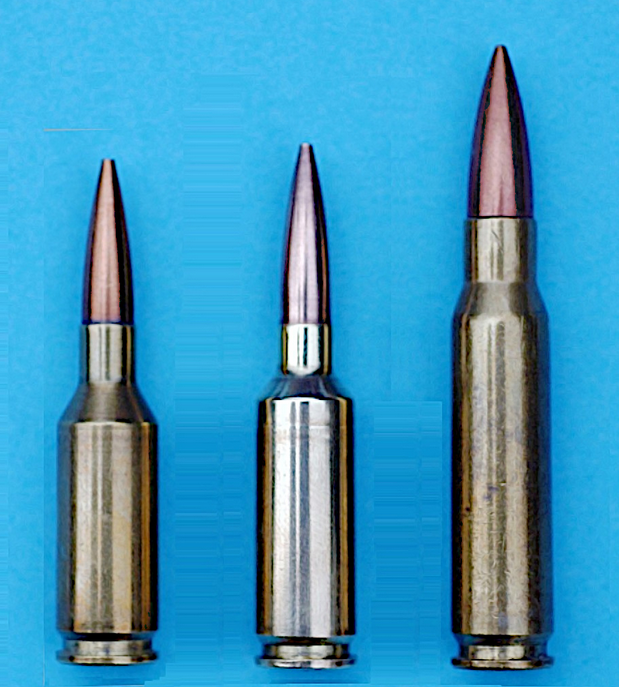
The 6mm Dasher has become dominant in precision competition for a reason, with 46% of top PRS shooters in one 2025 survey using it. It is known as the easy button because it combines low recoil with very strong consistency, and that helps shooters stay on target and spot impacts. But that same mild behavior can hide a tradeoff until the targets get far and the wind gets uncertain. Compared with larger cartridges, the Dasher gives up some wind margin and some impact signature. PrecisionRifleBlog’s comparison showed a 6.5 Creedmoor could hold about 13% less wind drift than a Dasher at 1,000 yards, enough to turn a borderline miss into an edge hit in narrow conditions. That means the Dasher punishes even small wind errors when the plate is small and the distance grows.
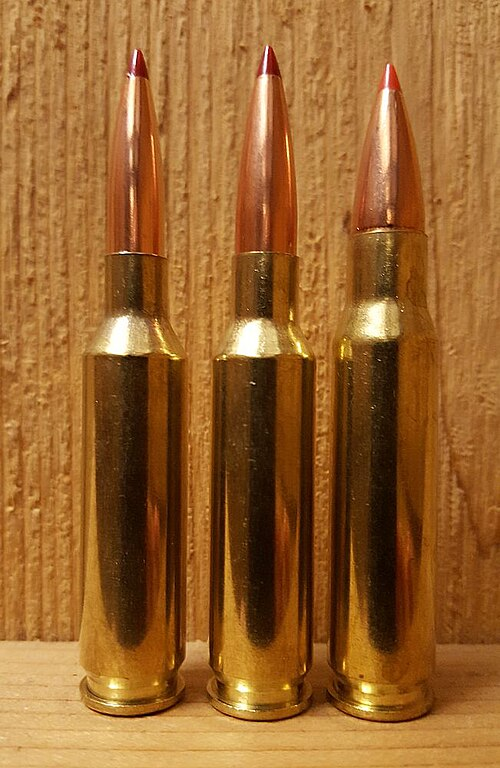
3. 6mm Creedmoor
The 6mm Creedmoor looks modern and efficient, and with the right load it absolutely is. Yet it also has a habit of showing exactly how much a shooter depends on bullet choice and wind judgment. The problem is not that it lacks reach. The problem is that shooters often assume low recoil and flat flight make it broadly forgiving. They do not. As one reference article noted, lighter-for-caliber 6mm loads can still be pushed around enough that even a 5 mph change at 700 yards moves impact several inches. When the cartridge is paired with the best heavy, high-BC bullets it performs much better, but it still asks the shooter to manage conditions carefully. It is a cartridge that rewards skill and preparation instead of covering for minor mistakes.
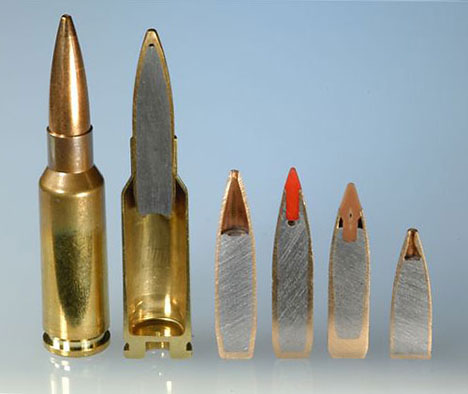
4. 6.5 Grendel
The 6.5 Grendel is efficient, compact, and well-suited to moderate distance, but long range is where its limited velocity starts showing every error. Even with respectable bullet shapes, it launches slower than larger 6.5mm cartridges, so wind has more time to work on the bullet. That matters fast. One source described a steady 10 mph crosswind moving the bullet over a foot at 500 yards. For shooters who are steady inside 300 yards, the Grendel can feel deceptively capable, right up until small mistakes in hold or timing start widening impacts in a hurry. It is less a flawed cartridge than one with very little spare margin once the yardage climbs.
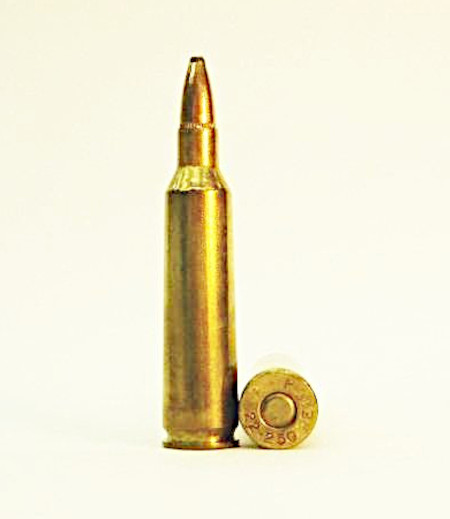
5. .22-250 Remington
The .22-250 built its reputation on speed and precision, which is exactly why it catches some shooters off guard at distance. Fast, light bullets create a flat early trajectory, and that can make the cartridge seem easier than it really is. Once wind enters the equation, the bullet’s lower sectional density starts to matter more than muzzle velocity. Reference material described close to a foot of drift by 400 yards in only a modest crosswind with common lightweight loads. That means the cartridge does not just punish bad wind calls. It also punishes overconfidence. A shooter who mistakes flat shooting for wind immunity will see small judgment errors show up quickly and clearly.
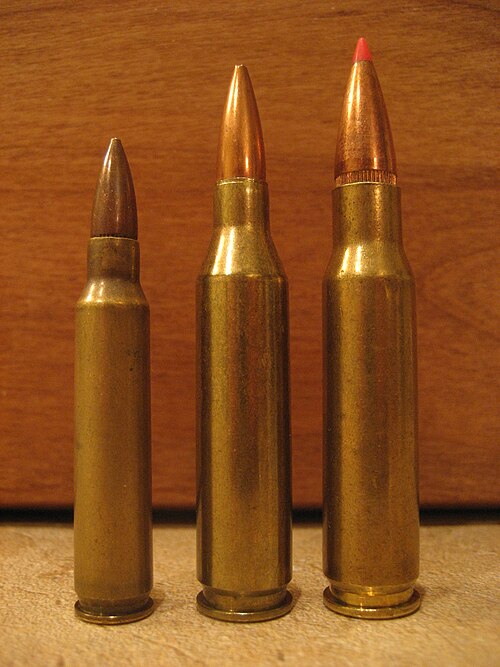
6. .243 Winchester
The .243 Winchester is versatile enough to cross from varmint work into larger-game use, but that flexibility comes with a split personality. Lighter loads can print beautifully in calm air, then become much less forgiving when the wind starts changing across open ground. That is why the .243 can be misleading at first.
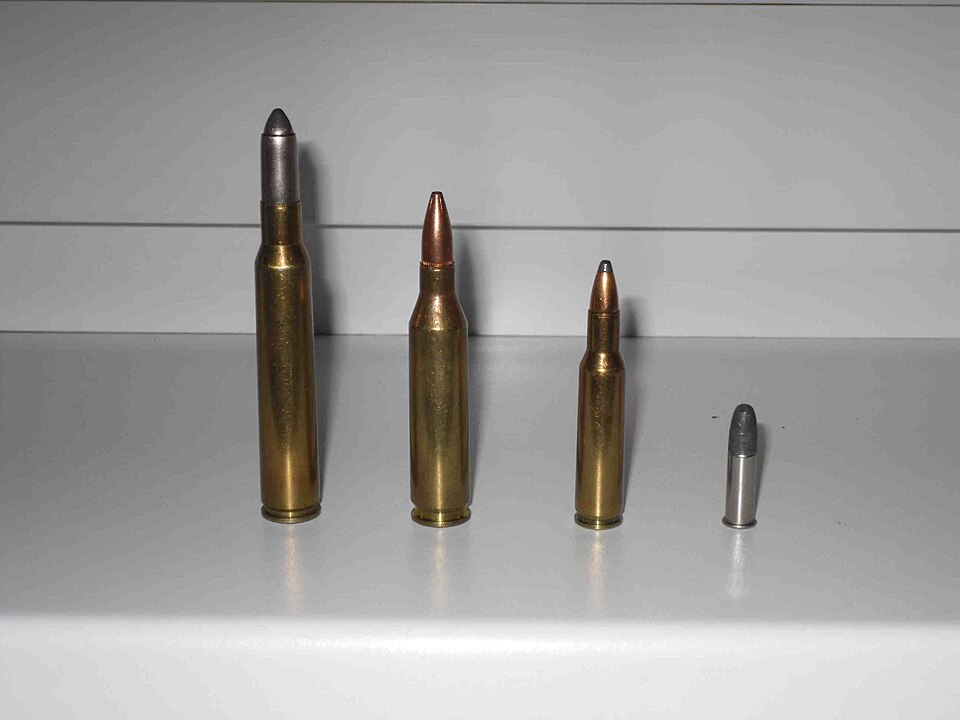
Backfire’s average table still showed 95 inches of drift at 1,000 yards for the cartridge in a 10 mph wind, which is better than .308 Winchester on average, but not enough to forgive poor execution. With lighter bullets especially, the .243 magnifies the common mistake of assuming velocity alone will solve the wind problem.
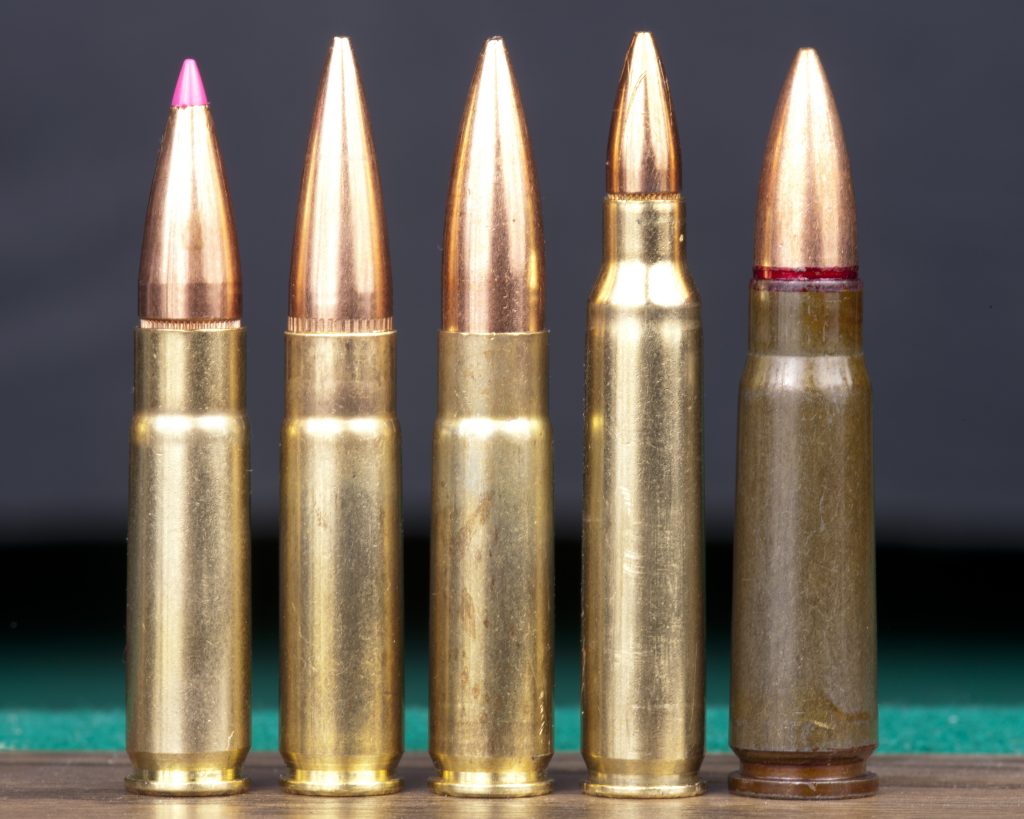
7. .300 Blackout
The .300 Blackout is the clearest example on this list because it was never built to be a forgiving long-range round. Stretch it past its comfort zone and almost every small mistake becomes obvious. That is especially true with subsonic ammunition, where drift can become extreme very quickly. Even supersonic loads do not offer the velocity or ballistic efficiency needed to stay comfortable at distance compared with standard rifle cartridges. The result is simple: a slight misread in wind, a small ranging error, or an inconsistent position can turn into a large miss with almost no warning.
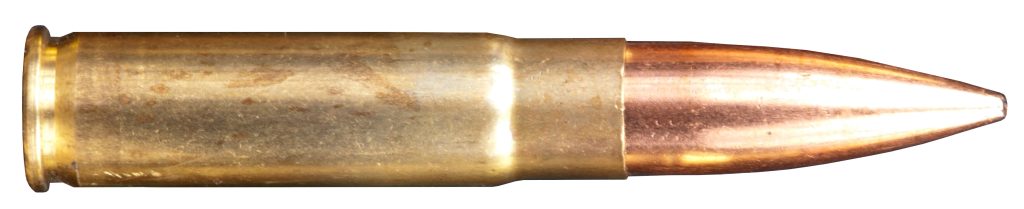
If a cartridge can expose the difference between short-range accuracy and true long-range precision, this one does it immediately. The common thread running through all seven is not that they are bad cartridges. It is that each one removes a different layer of forgiveness. Some do it through higher drift, some through weaker impact feedback, and some through lower velocity that stretches time of flight. That is why long-range shooters keep returning to the same basic formula: high-BC bullets, stable twist rates, consistent velocity, and manageable recoil. When any one of those pieces gives up ground, the shooter has to make up the difference. At distance, that is where small mistakes stop being small.


