Long-range misses do not always start with bad trigger control or a poor optic. Quite often, they begin with a cartridge choice that asks the shooter to fight unnecessary recoil, wind drift, barrel wear, feeding quirks, or bullet-matching problems before the shot ever breaks.
That does not make these chamberings useless. It means some popular or intriguing calibers can quietly make precision work harder than it needs to be, especially for shooters trying to build repeatable hits past midrange.
1. .308 Winchester
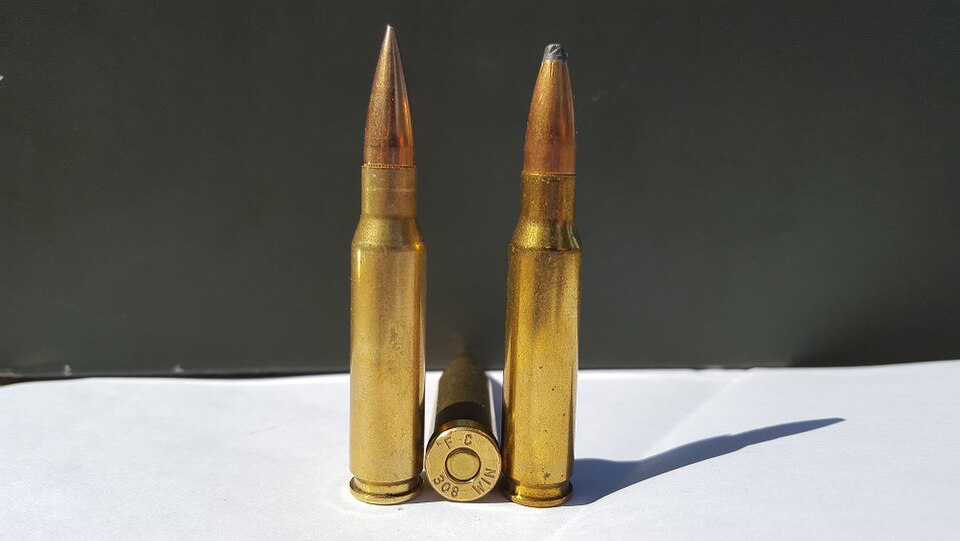
The .308 remains a respected training and field cartridge, but it can become a drag on long-range precision when shooters expect modern performance from an older ballistic profile. Compared with newer 6.5 mm options, it generally carries lower high ballistic coefficients on average, which means more wind drift and less forgiveness as distance grows. That extra correction work matters. In one discussion among experienced precision shooters, a common comparison showed the .308 drifting materially more than 6.5 Creedmoor-class loads at 1,000 yards, and the larger recoil pulse makes it harder to spot impact. The result is a cartridge that still teaches fundamentals, but one that can also hide progress by turning every imperfect wind call into a bigger miss than necessary.
2. .300 Winchester Magnum
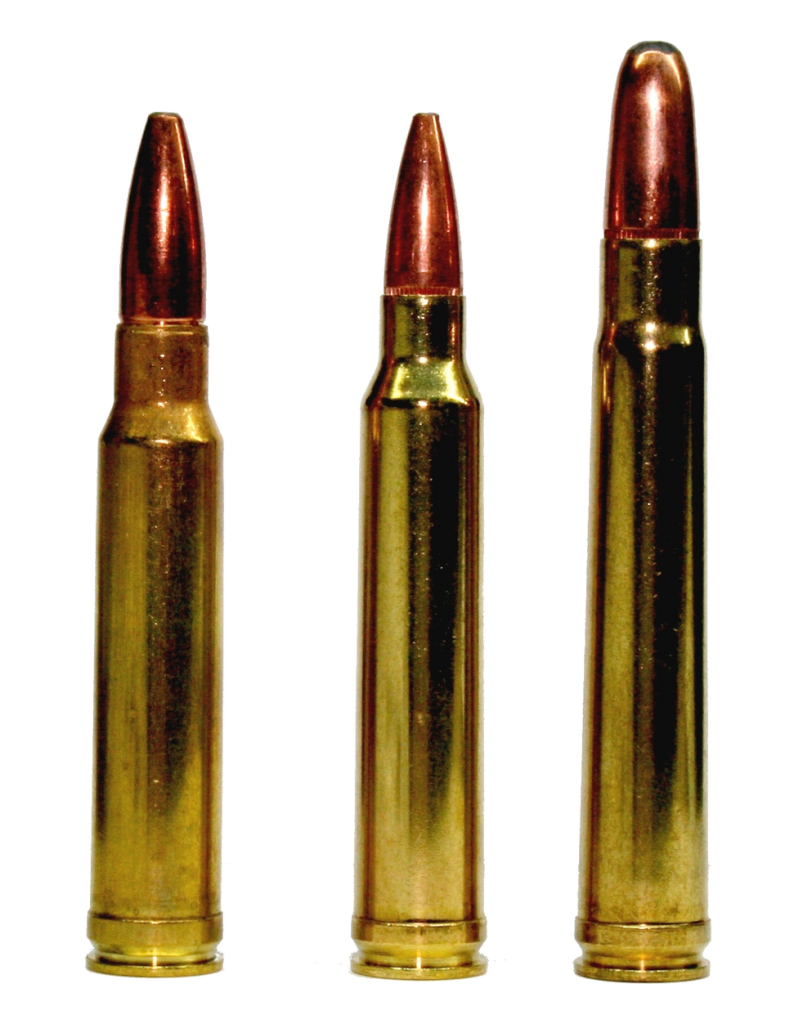
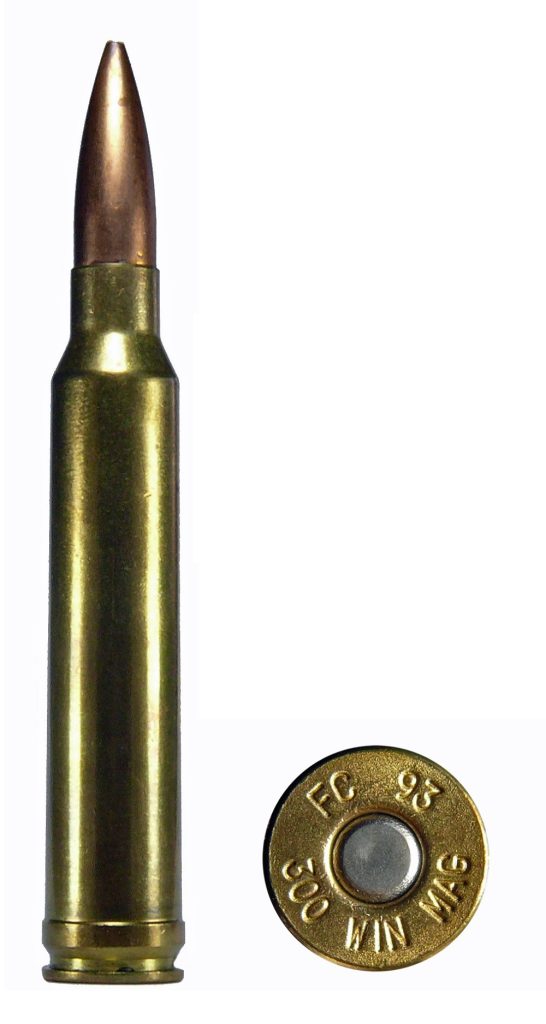
The .300 Win. Mag. can absolutely reach long distance, but for shooters focused on pure accuracy, it often brings penalties that outweigh its ballistic upside. Recoil increases shooter fatigue, disrupts self-spotting, and can erode consistency over a long session. There is also the wear factor. Reference material on long-range cartridge selection notes that higher-velocity magnums increase recoil and may shorten barrel life, which matters when a rifle is used for regular practice rather than occasional hunting. A cartridge that performs well on paper can quietly undermine actual hit probability if the shooter trains less, flinches more, or burns out a barrel before fully developing the load.
3. .300 Norma Magnum
The .300 Norma Magnum is one of the most capable distance cartridges in this group, and that is exactly why it can mislead shooters. Its reach is not the issue. The problem is the total system burden attached to that reach. In practical use, experienced shooters have pointed out that barrel life of the 300NM is half that of a 300WM, with one estimate placing replacement around 1,000 to 1,200 rounds. That turns load development, practice volume, and maintenance into major variables. A cartridge that accurate on its best day can still be a poor accuracy partner if its short service life discourages the repetition that long-range precision actually demands.
4. .338 Lapua Magnum
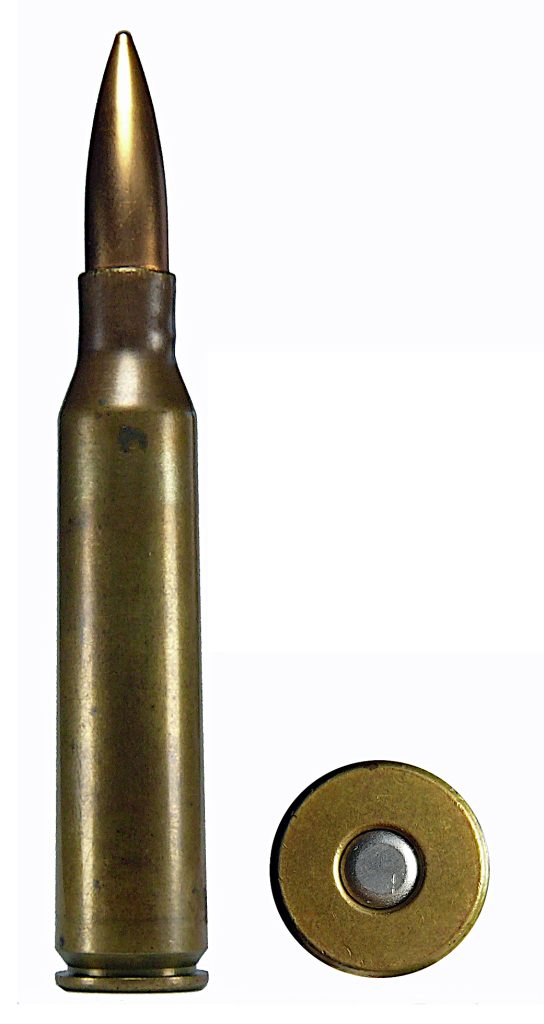
The .338 Lapua Magnum was built for serious distance, but many shooters confuse capability with suitability. It retains energy exceptionally well, and one general reference places its effective supersonic range around 1,500 meters under optimal conditions. None of that changes the fact that it comes with heavy recoil and a substantial rifle platform. Those two traits can work against precision development. Big rifles are harder to carry and slower to manage from improvised positions, while heavy recoil encourages anticipation and makes follow-through less transparent. For dedicated ELR work, that trade may be acceptable. For ordinary long-range shooting, it often adds more disturbance than precision.
5. 7mm Remington Magnum
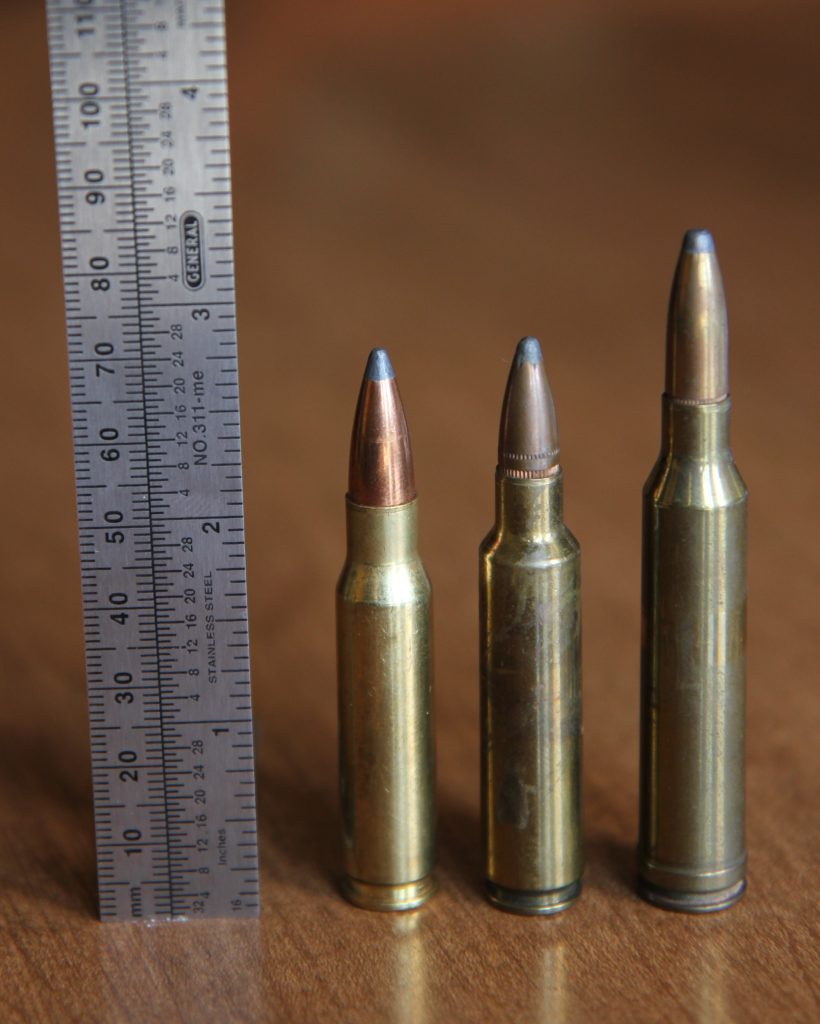
The 7mm Rem. Mag. has speed and reach, but it occupies an awkward middle ground for accuracy-focused shooters. It is flatter than older standard cartridges, yet it still carries magnum recoil and heat compared with softer-shooting precision favorites. Its typical long-range use tends to sit in the 600- to 1,000-yard band, according to broad cartridge guidance, but that performance does not automatically translate to easier accuracy. In many rifles, the shooter still deals with sharper recoil than a 6.5 Creedmoor while not gaining the kind of specialized advantage that dedicated heavy magnums provide at extreme distance. That middle position can make it effective, but not especially forgiving.
6. 6 Creedmoor
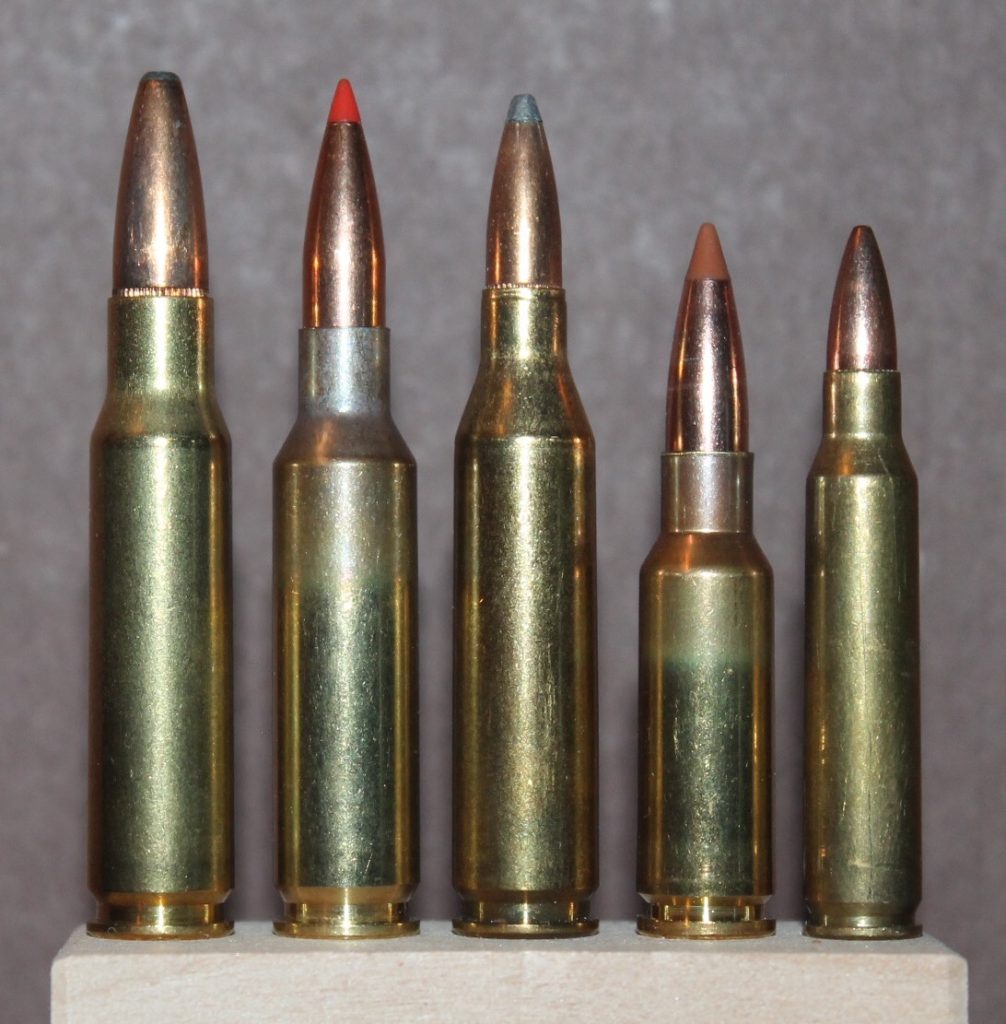
The 6 Creedmoor is fast and flat, which makes it attractive. It also asks for a trade many shooters underestimate: barrel life. In a precision context, several experienced shooters describe it as having more recoil and shorter barrel life than most others in the smaller 6 mm field.
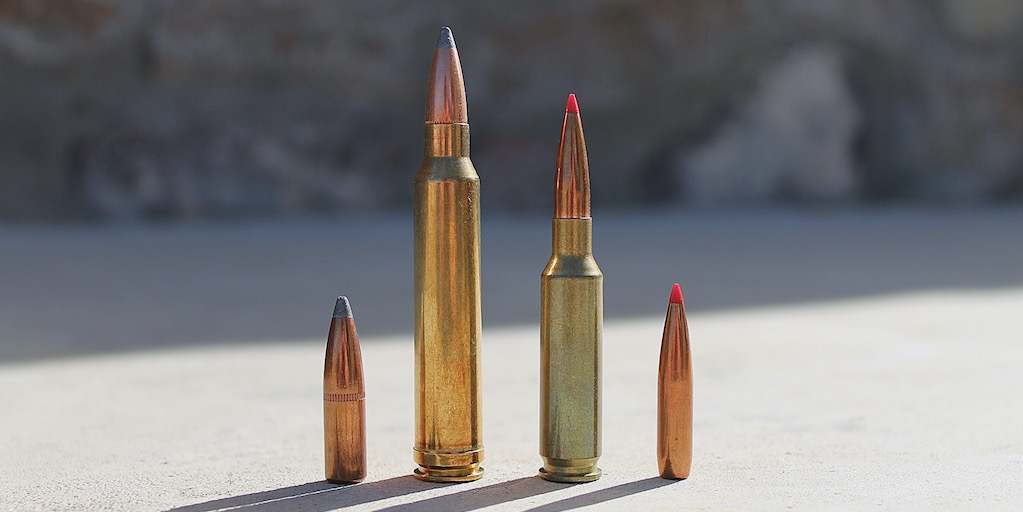
That matters because long-range accuracy is built on stability over time, not just low recoil on a single outing. A cartridge that shoots brilliantly for a while but wears quickly can force frequent rebarreling, repeated verification, and more attention to maintenance windows. Quietly, that interrupts consistency.
7. Wildcat cartridges such as the .257 Blackjack
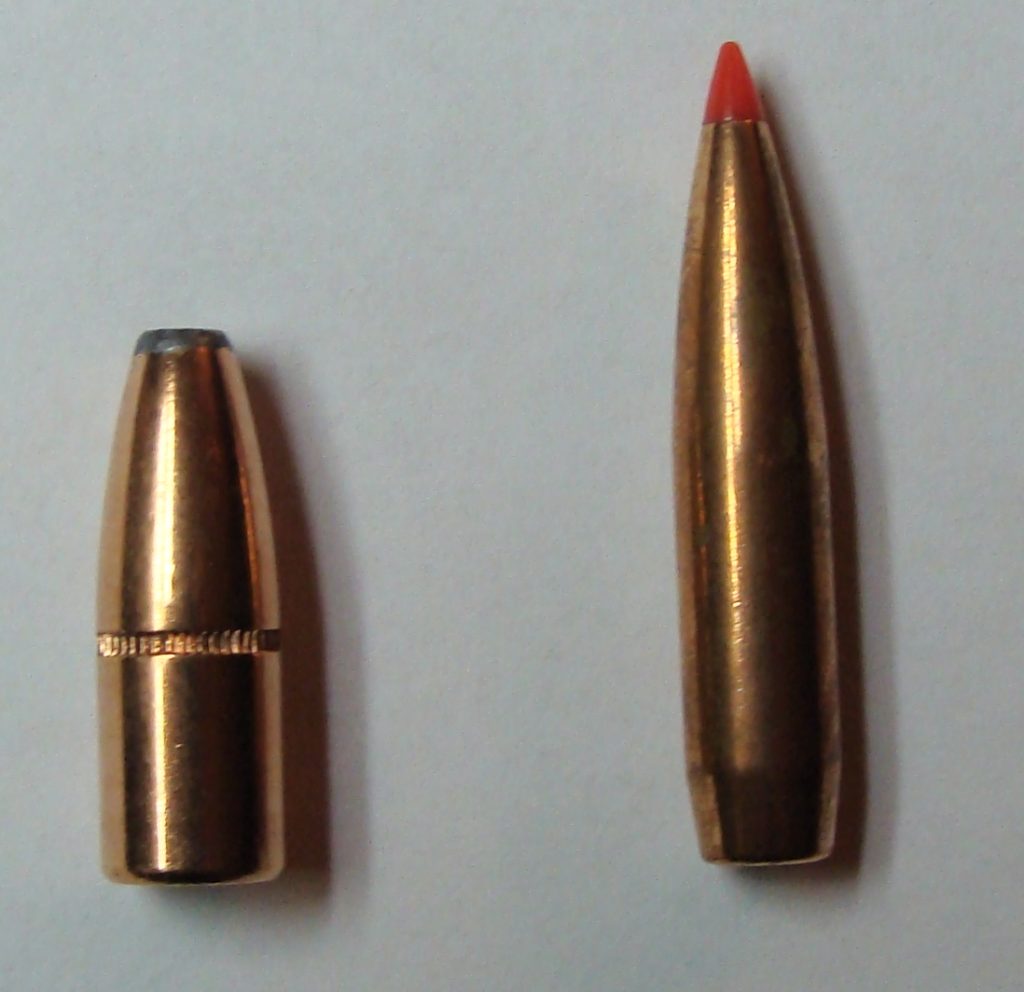
Wildcats often look brilliant in ballistic tables, and some genuinely are. The .257 Blackjack was described with a .340 BC 131-grain bullet and very high velocity from a short-action case, which is impressive by any standard. But raw numbers are only part of an accuracy system. The larger issue is support. The same source that praised the cartridge also noted the tediousness and dedication it takes to run a wildcat cartridge. Brass availability, load development time, and component dependence can all interrupt the one thing precision shooters need most: repeatability. A cartridge that is difficult to feed consistently can undermine accuracy before wind or trigger control ever enters the picture.
The cartridges on this list are not inaccurate by design. Most have proven records in the field, on steel, or in specialist roles. The common thread is that each one adds a hidden tax somewhere in the process, whether through recoil, drift, barrel wear, platform weight, or load complexity. At long range, accuracy usually improves when the cartridge removes variables instead of adding them. The best choice is often the one that lets a shooter practice more, spot impacts more clearly, and hold a stable zero longer, not the one with the most dramatic numbers on the box.


