Pistol design has entered an awkward new phase. The challenge is no longer limited to durability, concealability, or optics compatibility; it now includes whether a handgun can be illegally altered with a tiny aftermarket part that was never meant to be there in the first place.
That pressure has pushed manufacturers, lawmakers, and courts toward the same technical question: how much responsibility sits in the geometry of the gun itself? As conversion devices spread through imports, home machining, and 3D printing, some pistol makers have started revising internal parts and rear-slide layouts to make those modifications harder.
1. The conversion device is tiny, cheap, and mechanically disruptive
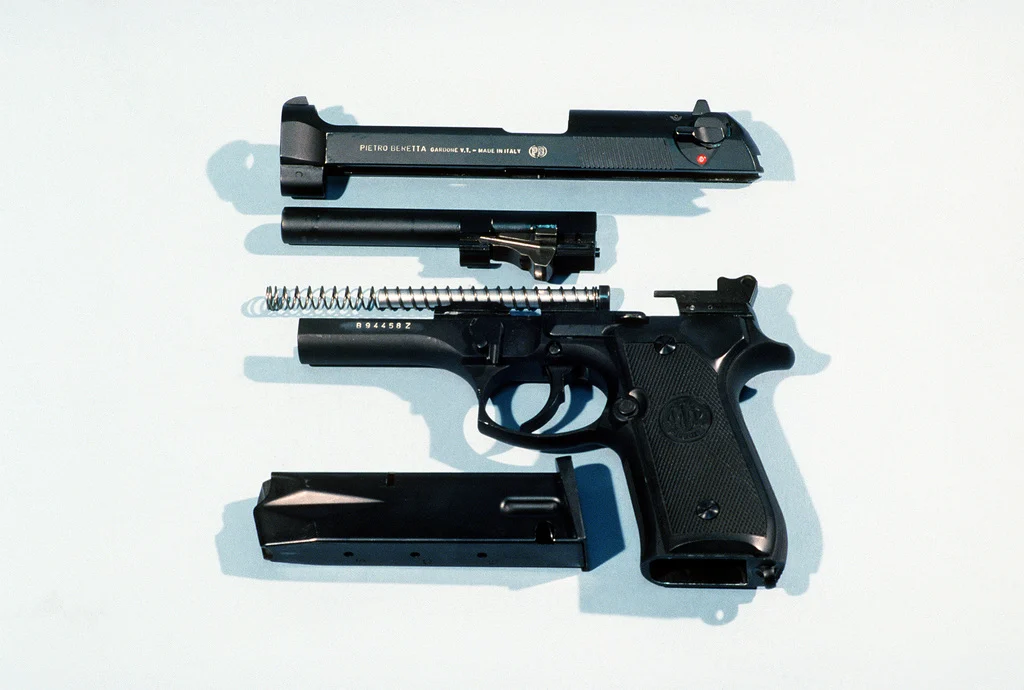
A so-called switch or auto sear is a very small part, often replacing or attaching near the rear slide plate on a Glock-pattern pistol. Its purpose is simple: interfere with the trigger bar so the pistol does not reset in the normal semi-automatic cycle. Once that interruption happens, the gun can continue firing as the slide reciprocates.
That small part carries outsized consequences. Federal law treats the device itself as a machine gun, even before installation in most circumstances. The engineering problem for manufacturers is that a compact handgun with exposed, repeatable dimensions at the rear of the slide presents a predictable mounting point for illegal parts.
2. The original vulnerability was a design interface, not a factory feature
Glock does not make or authorize these conversion parts, but the company’s pistols became closely associated with them because of how the rear slide area and internal trigger components could be exploited. Earlier configurations relied on a small plastic feature at the back of the pistol, and reporting on later redesigns described that area as easier to alter with basic hand tools.
That distinction matters. The issue was never that the pistols were built for automatic fire in civilian form; it was that a repeatable physical interface gave illegal aftermarket parts a place to act on the fire-control system.

3. Rising recoveries turned a niche problem into a design problem
For years, auto sears were treated mostly as a law-enforcement seizure issue. The scale changed. According to ATF figures cited by advocacy and research groups, recoveries of machine gun conversion devices rose 784% between 2019 and 2023, with 5,816 recovered in 2023 alone.
Once numbers reach that range, the conversation shifts from isolated misuse to platform susceptibility. A manufacturer can still argue that criminal modification is outside its control, but regulators and litigants increasingly point to recurring mechanical access points rather than random abuse.

4. 3D printing made bans on the parts less complete than they once looked
Conversion devices were already illegal, yet availability kept expanding because enforcement had to chase both imported components and digital files. Reference materials describe devices imported from China, sold online, and increasingly produced at home with consumer-grade printers and small machine shops.
That is one reason redesigns are happening quietly. Blocking a physical attachment point or changing how a trigger bar can be manipulated is one of the few interventions that works even when the illegal part can be copied locally. A design change cannot erase black-market demand, but it can raise the skill, tooling, and time required to make the conversion function.

5. California changed the debate by targeting convertible pistols, not just switches
The most consequential shift came when California moved beyond banning the conversion part and focused on pistols that could be readily modified with common tools. In material describing AB 1127, the state standard centered on pistols with a cruciform trigger bar that can be readily converted by hand or with household tools.
That approach reframed the issue as an engineering-access problem. If a handgun can be altered quickly with a file or screwdriver, regulators can characterize the base product as unusually convertible even if the illegal part remains the immediate cause of the violation.

6. Lawsuits added pressure where legislation alone could not
Chicago’s case against Glock helped move the discussion into product design, alleging that the pistols were too easy to modify and that safer alternatives were available. The broader legal importance was not just the claim itself but the route around older industry protections: newer cases have focused on narrow design allegations, state consumer standards, and business-practice laws rather than generic blame for criminal misuse.
That legal strategy gave courts a more technical record to examine. Instead of asking whether a gun company is liable for crime in the abstract, the question became whether a specific set of dimensions, parts, and interfaces made unlawful conversion unusually easy.
7. The redesigns focus on blocking access at the rear of the slide
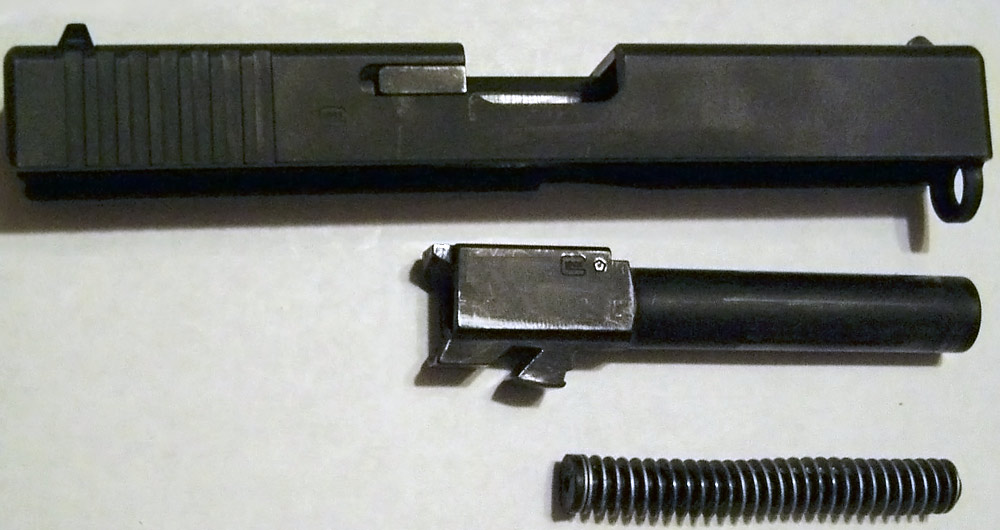
The clearest public example came when Glock prepared replacement models with revised internals. Reporting on those pistols described a short steel rail to block switches from interfering with the firing mechanism, replacing an earlier arrangement that depended more heavily on a plastic feature.
This is classic defensive engineering. The goal is not to make illegal conversion impossible under all conditions; it is to prevent easy installation, especially by hand tools and low-skill methods. That kind of redesign often avoids dramatic external changes while altering the exact places where unauthorized parts would need to sit, bear force, or trip the mechanism.
8. Even the new solutions show the limits of design fixes
Redesigns do not end the contest. Source material also notes that modified or newly adapted switches have appeared for updated models, and some examples circulated online allegedly required more advanced machining rather than a simple hand-file approach. That is still significant. Moving a conversion from “common household tools” to machining equipment changes who can do it and how quickly. In engineering terms, the redesign does not eliminate the exploit; it reduces accessibility and raises the barrier to entry.

The quiet redesign trend is really a sign that the handgun industry has been pulled into a new form of compliance through mechanics rather than marketing. As courts, states, and technical analysts keep focusing on convertibility, pistol makers are being forced to treat rear-slide geometry, trigger-bar layout, and anti-tamper features as part of the product’s public risk profile. That makes the modern pistol a little different from the one manufacturers were optimizing a decade ago. Reliability still matters, but now resistance to illegal modification has become part of the engineering brief.


