
Long-range misses often get blamed on bad wind calls, but the rifle itself can make those calls far less forgiving. A setup that looks excellent on paper, prints tiny groups at 100 yards, and tracks cleanly from a bench can still become difficult once the bullet spends real time in moving air.
The pattern is familiar: a rifle built around convenience, velocity assumptions, or catalog numbers starts giving away inches downrange. In crosswinds, quartering winds, and broken terrain, those inches become the difference between a centered hit and a miss off the plate. These are the setup choices that quietly make wind harder than it already is.
1. Choosing a bullet by muzzle speed instead of ballistic coefficient
A fast bullet is useful, but speed alone does not carry long-range performance. The larger issue is how well the projectile resists drag and holds velocity after it leaves the muzzle. That is the job of ballistic coefficient.
The difference grows quickly with distance. One comparison of two 150-grain .308 bullets showed the lower-BC round drifting nearly 3 feet in a 10 mph crosswind at 500 yards, while the sleeker bullet drifted about 21 inches. Another comparison cited a high-BC 6.5 Creedmoor load showing less drop and wind drift at long range than a faster .300 Win. Mag. load with a much lower BC. A rifle setup built around raw launch speed but paired with a draggy projectile creates a system that looks flat at short distance and becomes increasingly vulnerable in wind.
2. Treating barrel length like a portability choice only
Barrel length changes more than handling. It also changes muzzle velocity, and velocity is one of the few setup variables that can make wind calls more forgiving. According to the cited barrel-length discussion, velocity loss can run about 30 fps per inch down to 18 inches, then roughly 20 fps per inch below that.
That matters because slower bullets spend more time exposed to wind. In one example, a 123-grain bullet at 2450 fps showed 91 inches of drift in a 10 mph wind at 900 yards, while the same weight at 3020 fps showed 64 inches. The shorter rifle may be handier, but once the wind starts working, reduced velocity cuts into margin for error.
3. Building around a low-forgiveness cartridge and expecting software to save it
Ballistic solvers can model drop with remarkable precision, but they cannot remove a cartridge’s sensitivity to wind. A slower setup leaves less room for imperfect distance, imperfect velocity data, and imperfect wind judgment. That does not make the cartridge inaccurate. It makes the system less tolerant.
This shows up in small changes that become large misses. The same barrel-length source notes that just 1 mph of wind difference can amount to about 10 inches on one slower 6.5 Grendel example at extended range, versus about 7 inches on a faster 6.5 PRC example. A rifle that requires near-perfect calls every time is not helping the shooter in real conditions.
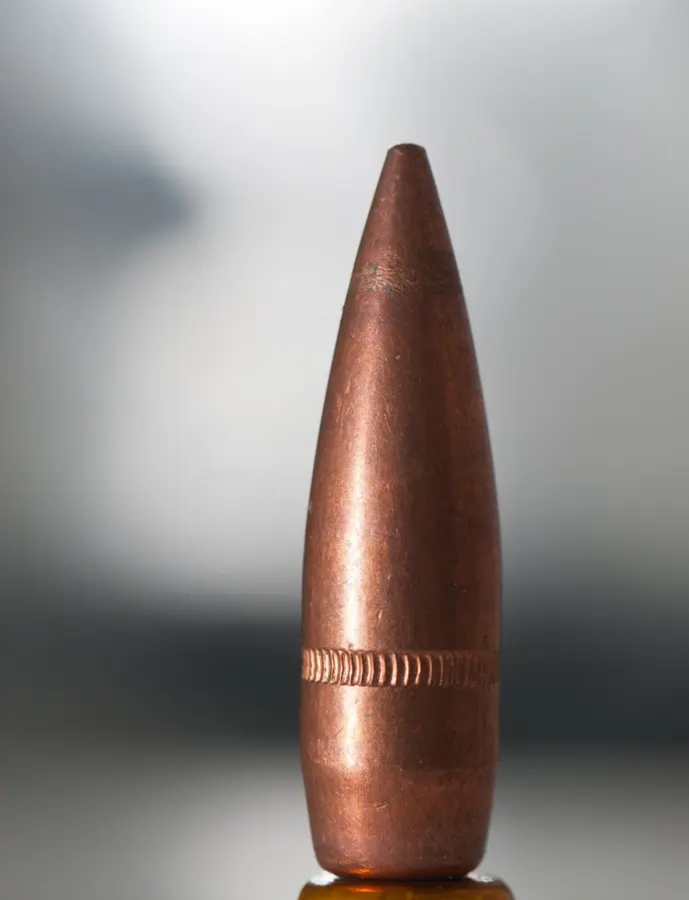
4. Using published BC numbers without checking the drag model
Not every BC figure tells the same story. Modern long-range bullets are often represented more realistically by G7 standard data than by G1 figures, especially when the projectile has a long, boat-tail profile. A setup built around inflated or mismatched BC assumptions can produce drift tables that are optimistic from the start.
That error stays hidden in calm weather and shows up when the wind is working. If the solver expects the bullet to hold speed better than it actually does, holds and dialed corrections will be late. The rifle may appear consistent, while the ballistic input is quietly degrading the whole solution.
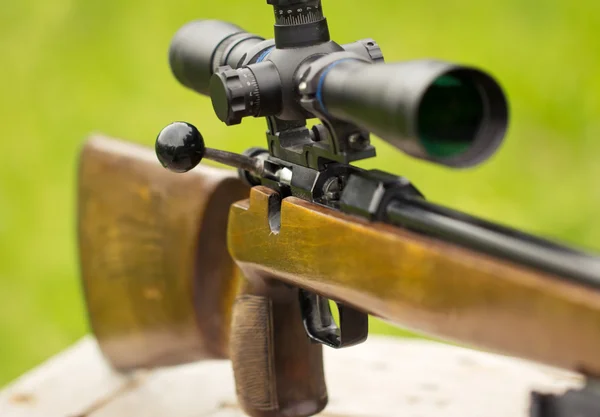
5. Zeroing and testing only in calm, flat conditions
A rifle setup is incomplete if the shooter only validates it on a square range in predictable air. Wind is rarely constant along the bullet path, and the terrain can reshape it dramatically. In mountain country and mixed cover, wind can swirl, plunge, and change direction between muzzle and target.
That is where “perfect” dope cards start to look imperfect. A bullet may leave from a sheltered firing point, cross a windy opening, and arrive at a target sitting in calmer air. A setup that has never been checked outside a flat range does not reveal how sensitive it really is to broken wind.
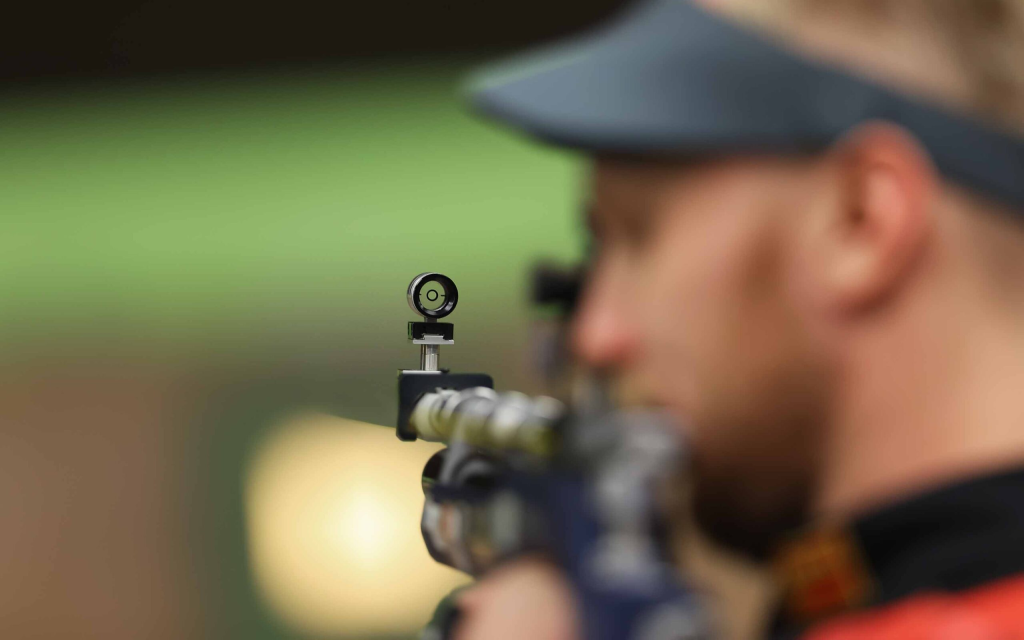
6. Ignoring wind angle and relying on full-value assumptions
Many rifle setups are fed with oversimplified range cards. The common mistake is treating every useful wind as a full crosswind. In reality, the angle matters enormously. A 45-degree wind carries about 70.7% of full wind value, and a 30-degree wind carries about 50 percent.
That is not a minor detail. If the rifle’s dope is built around full-value holds only, quartering winds will be overcorrected or under corrected depending on how the shooter improvises. The setup problem is not the wind itself. It is failing to prepare the rifle-and-data package for the way wind actually arrives.
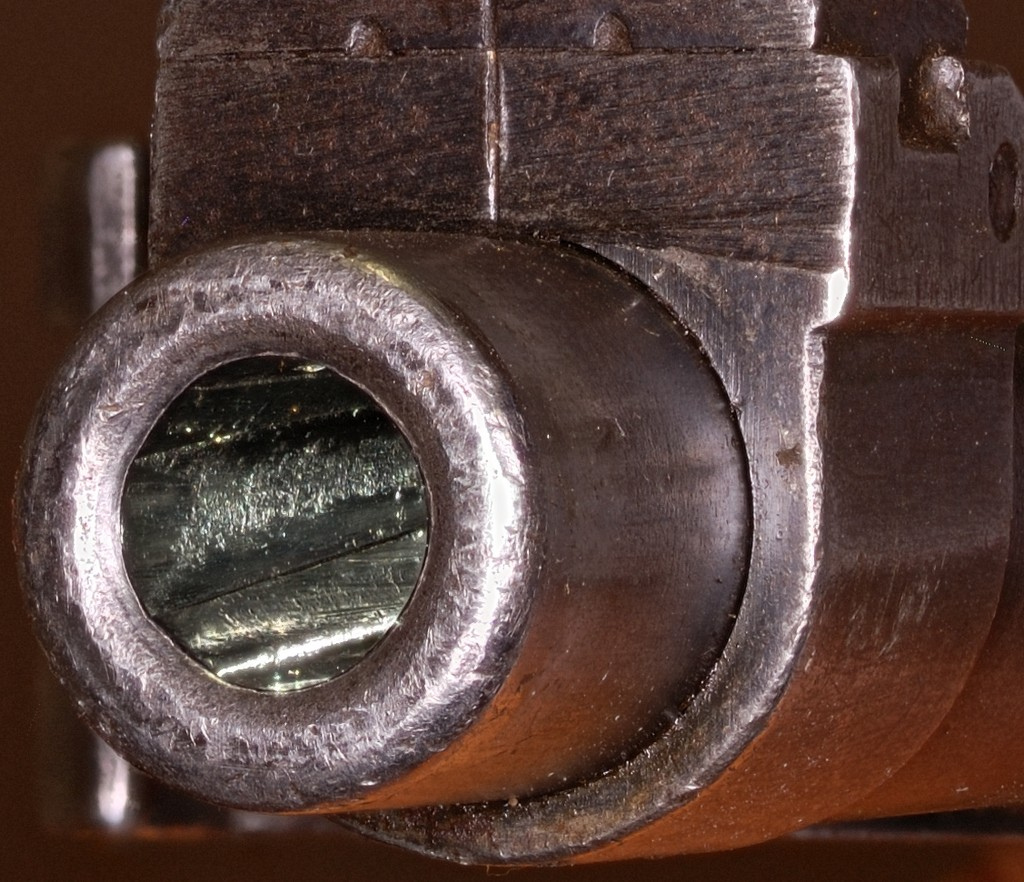
7. Leaving velocity consistency out of the build plan
Tight groups do not erase poor consistency from shot to shot. A barrel and load combination that is not well tuned can introduce changing time of flight and changing drift, especially as distance increases. The barrel-length source emphasizes that barrel quality and a load tuned to that barrel are central to accuracy once shooter error is removed.
In real wind, small velocity spreads matter twice. They move elevation and also change how long the bullet is exposed to crosswind. A rifle that looks precise at 100 yards can become erratic at 700 because the setup never had stable downrange timing in the first place.
8. Forgetting that the first yards of flight matter most
Wind near the shooter has an outsized effect because it changes the bullet’s path early, and that altered path continues downrange. One field wind reference explains that wind at the firing point matters more than wind at the target because the bullet has far more distance over which to carry that deflection. A rifle setup that encourages a shooter to read only the target area through glass, without checking local wind at the muzzle, builds error into every shot.
The target may look calm while the launch conditions are already steering the bullet away from center. The cleanest long-range rifle setups are not just accurate in still air. They are hard to push off course, easy to model honestly, and forgiving when wind is imperfectly read. That usually means sensible barrel length, stable velocity, realistic ballistic inputs, and bullets that keep drag low after the first few hundred yards. Real wind exposes whatever the rifle was hiding. A setup that reduces drift, lengthens the supersonic window, and matches its solver data to reality gives the shooter a narrower problem to solve.


