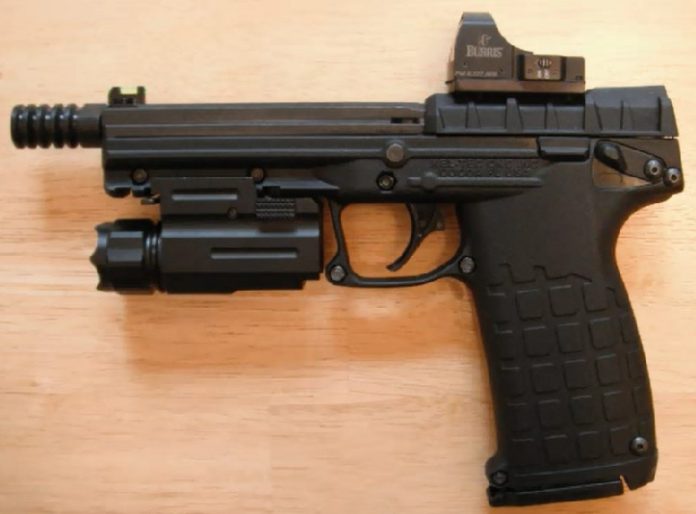
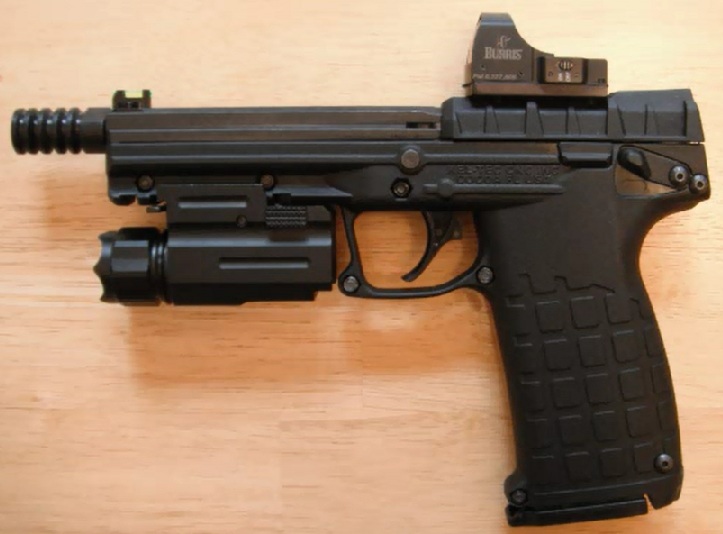
Pistol optics are no longer a niche add-on sitting on top of an otherwise unchanged handgun. In the duty and concealed-carry world, the red dot has started dictating how slides are cut, how sights are chosen, how holsters are shaped, and how training time is budgeted.
The real shift is structural. Once an optic rides the slide, the pistol stops being just a handgun with an accessory and becomes a tightly linked system built around recoil forces, mounting geometry, sight picture, and repetition under pressure.
1. The slide is becoming the optic’s foundation
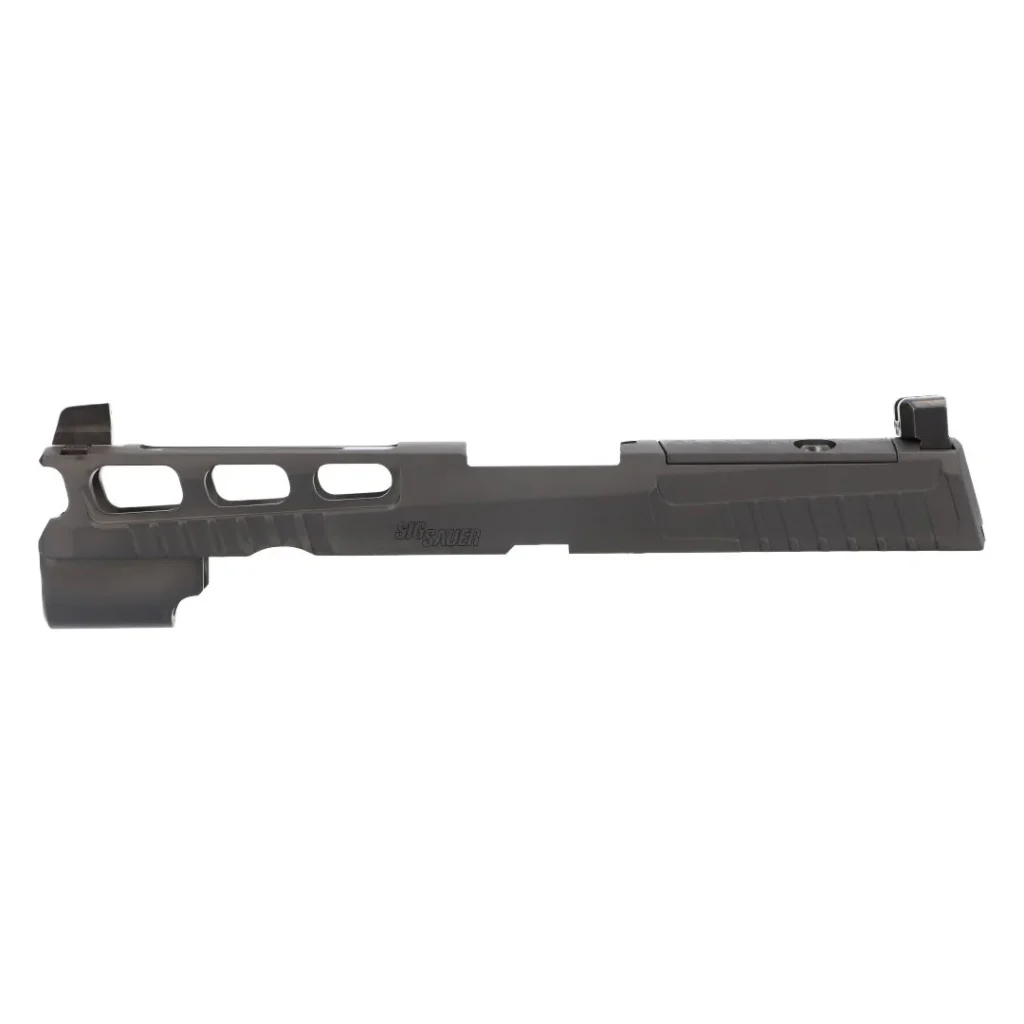
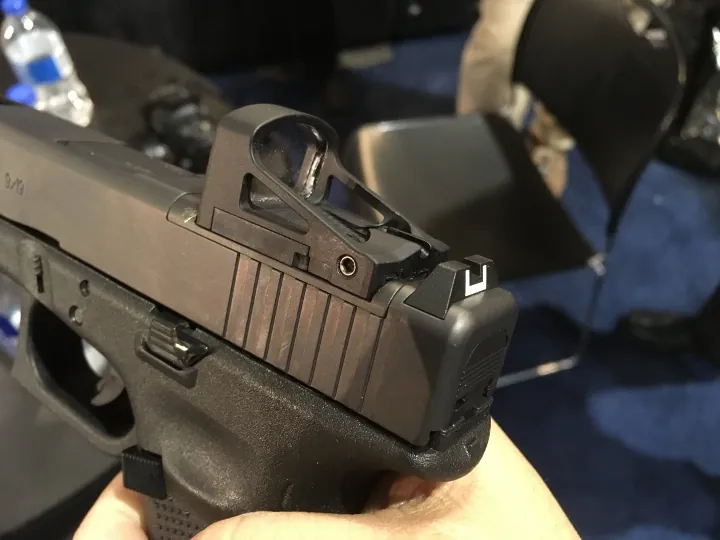
Older optics-ready thinking treated the slide as a place to bolt on a sight. Current handgun design is moving toward the slide as a true mounting structure. That distinction matters because recoil repeatedly hammers the optic, screws, and locating features with every shot. Manufacturers have increasingly pushed direct-mount and deeper-cut solutions because they reduce movement, lower optic height, and shift load away from screws alone. Safariland’s 2026 guide notes that the optic screws go directly into the slide on newer systems, reflecting where the market is headed. In engineering terms, that lowers stack-up and simplifies the chain of parts that can shift loose.
2. Plates and screw length now decide reliability
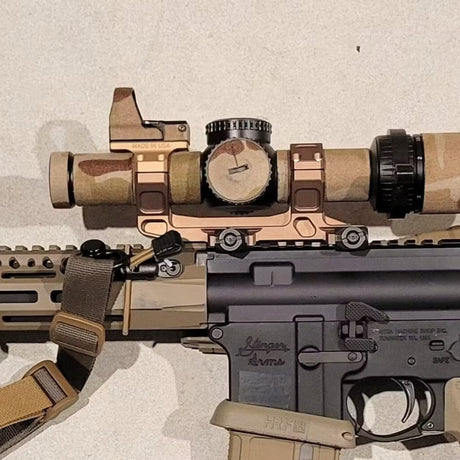
One of the least glamorous parts of the optics era has become one of the most important: the plate, the screws, and the fit between them. A pistol dot does not fail only because of the optic itself. It can fail because the wrong screws bottom out, because the plate flexes, or because torque was guessed instead of measured. That is why mounting standards have become a practical topic instead of workshop trivia. The “footprint” is simply the interface pattern between optic and pistol, and it now governs what can be mounted cleanly and what requires added hardware. The growth of adapter ecosystems happened because fitment, screw engagement, and recoil lugs turned into service-life issues, not cosmetic details.
3. Iron sights are now planned around the optic window
Backup irons used to be chosen as a separate decision. On modern red-dot pistols, they are selected around the optic’s window height and intended role. Full-height sights, mid-height sights, and partial co-witness setups all change how much visual clutter appears in the window and how easy the gun is to track under recoil. That planning is now routine across duty guns. Some agencies have moved directly to pistols issued with optics and suppressor-height or co-witness-compatible sights as a complete package. The goal is not just redundancy. It is a usable sighting picture when the dot is obscured, the battery is dead, or the shooter needs a reference during presentation.
4. Holsters have become part of the optics equation
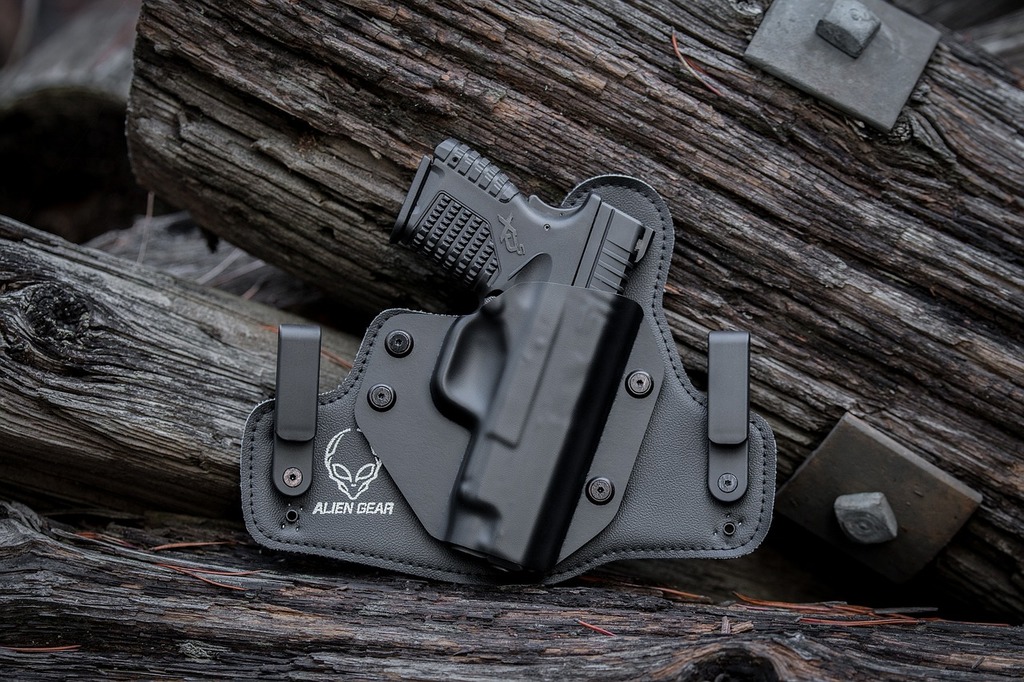
The pistol may fit the hand perfectly and still fail the broader system if it no longer works with duty gear. Optics changed holster requirements by adding height, changing draw clearance, and exposing a lens that may need protection from weather and debris. One police transition documented by American Handgunner showed officers moving to optic-equipped service pistols while solving fitment through a Safariland 6360 RDS holster that properly accommodated the handgun, light, and optic together. That example illustrates a broader rule: an optic-ready pistol is not field-ready until the carry system protects the sight, preserves retention, and clears the draw without snagging.
5. Training has shifted from familiarization to sustainment
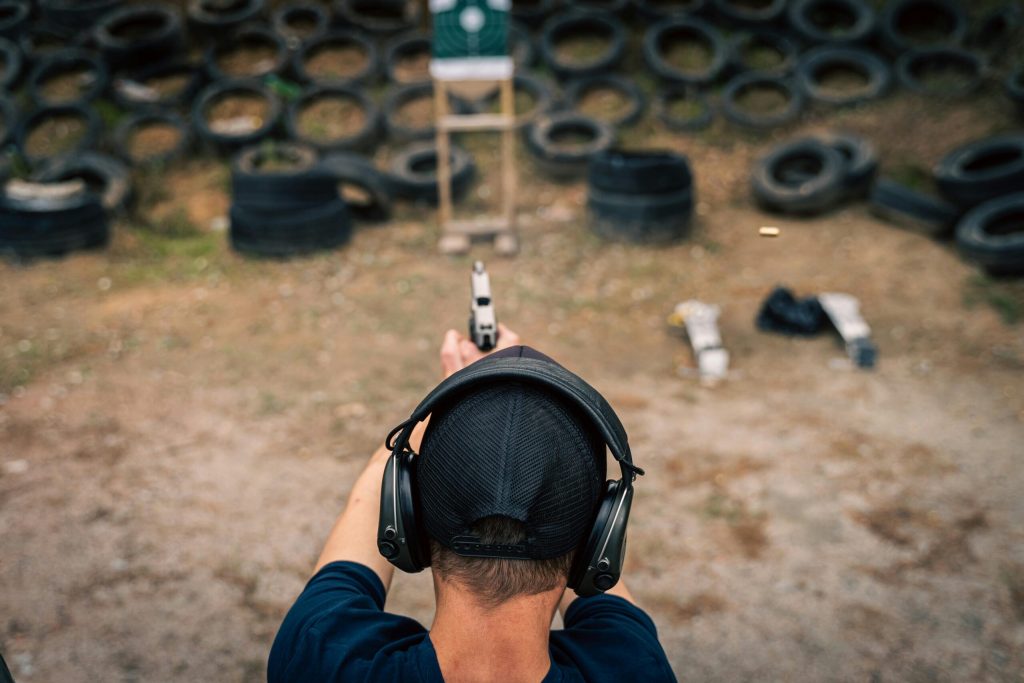
Red dots simplify the visual task once the shooter is competent, but they do not eliminate the need for practice. They move the work elsewhere. Presentation consistency, finding the dot on the draw, accepting dot movement, and managing occluded lenses all have to be trained until they stop being conscious tasks. That is why agencies are investing in structured sustainment instead of one-time transition classes. VirTra’s law-enforcement curriculum includes 21 accompanying training drills, reflecting how optics adoption now demands repetition across simulator and live-fire settings. Instructors are also emphasizing target focus and consistent draw mechanics, because the most common complaint from new users is not poor zero, but losing the dot during presentation.
6. Real-world data is pushing optics deeper into policy
Institutional acceptance changes a market faster than enthusiast demand. Once agencies authorize optics, write standards around them, and qualify recruits on them, manufacturers respond with more dedicated slide cuts, more common footprints, and more complete pistol packages.
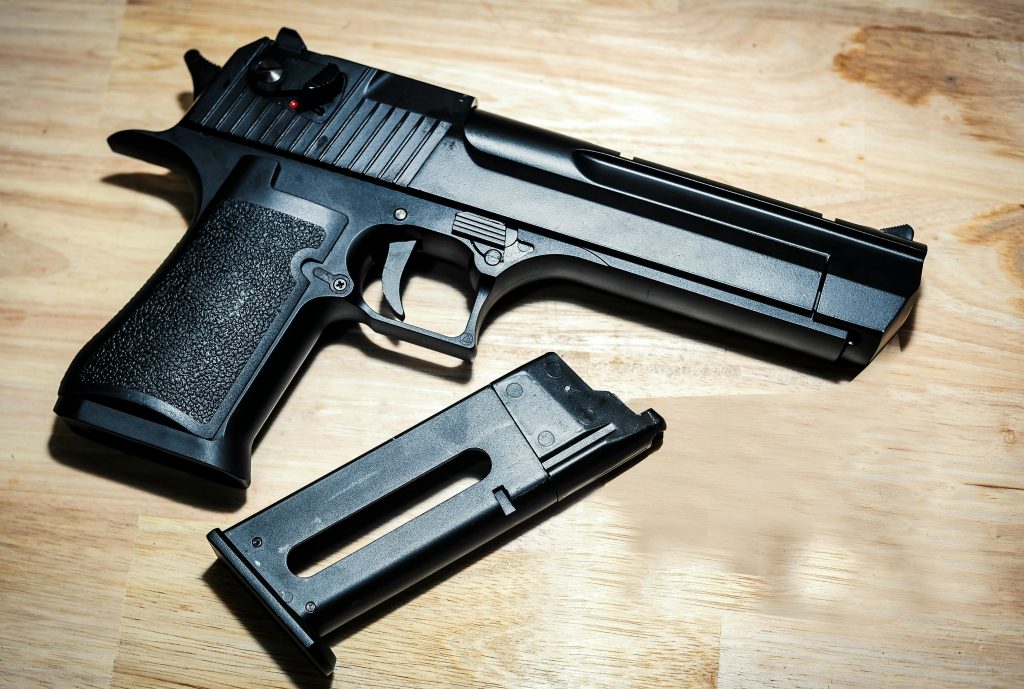
The clearest sign of that transition is that optics are no longer being treated as experimental in law enforcement. A five-year NLEFIA survey tracked 35 duty incidents involving red-dot-equipped pistols through the end of 2024. Separate analysis of the same data highlighted a reported 63% hit ratio, with training depth remaining inconsistent across agencies. The lesson is not that optics remove training needs. It is that agencies are keeping the sights and reworking the training model around them.
7. Aging eyes and target focus are reshaping pistol priorities
One reason pistol optics keep spreading is simple: they change the visual problem. Iron sights ask the shooter to manage front sight, rear sight, and target. A dot reduces that to a clearer aiming point on the same focal plane as the target. That advantage matters on the square range, but it has been especially influential among experienced shooters and officers whose near-focus vision is no longer what it was. The optic also supports a target-focused method that many trainers see as more natural under stress.
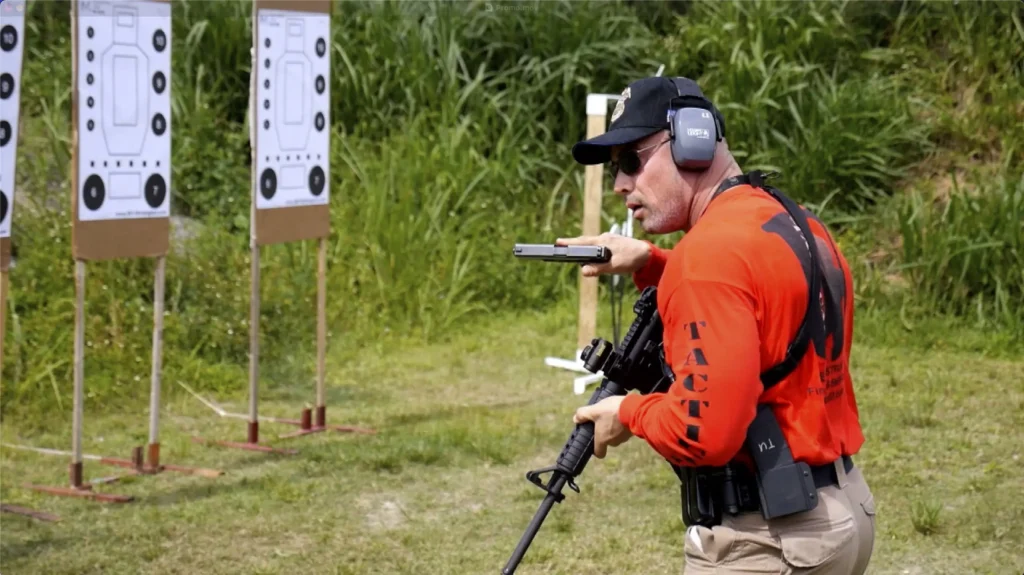
The result is that slide cuts, sight height, and training doctrine are increasingly being built around what the eye can process fastest and most consistently, not just around old pistol conventions. The modern service pistol is being redesigned around the optic in quiet but unmistakable ways. Slide interfaces, recoil control, iron sight selection, and carry gear now live in the same design conversation. The red dot is no longer sitting on the pistol. It is shaping the pistol.


