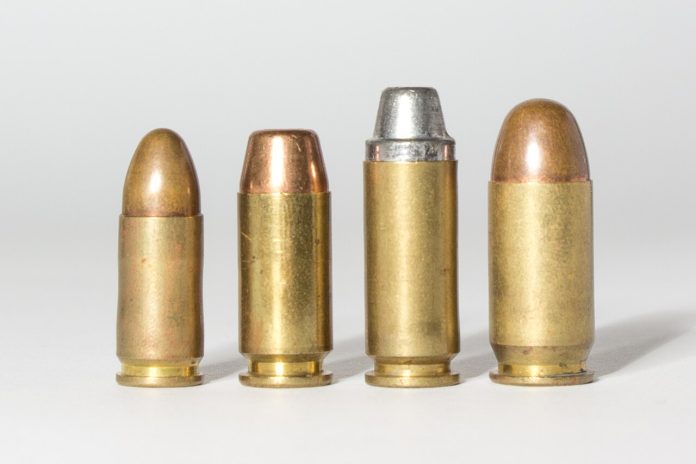
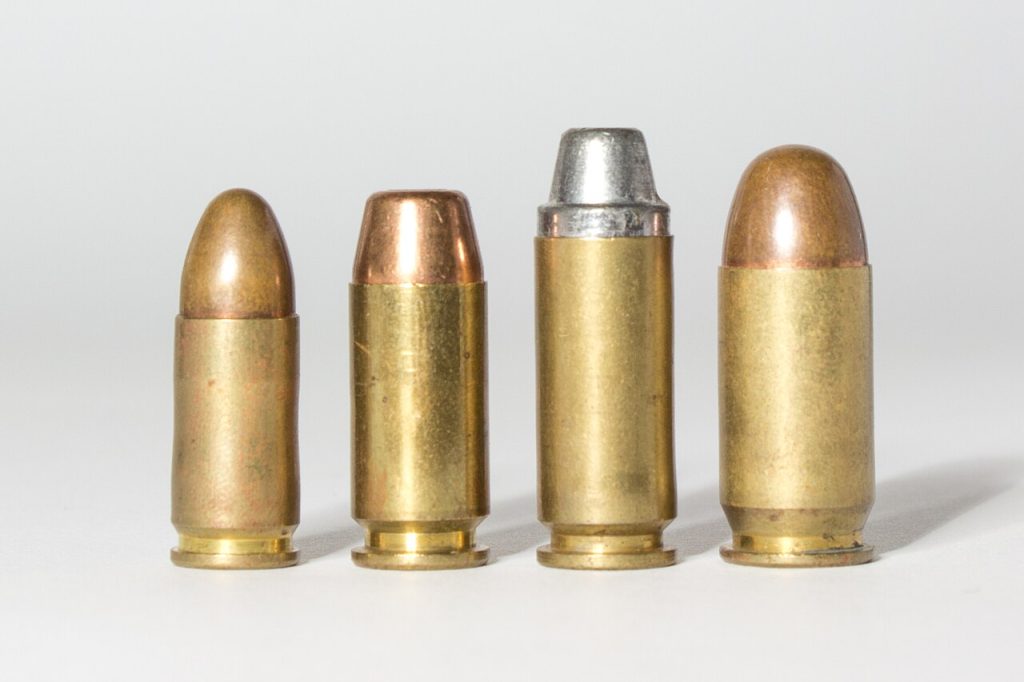
The 9mm-versus-.45 ACP argument survives because it is really several engineering arguments folded into one. Diameter, recoil impulse, magazine geometry, barrier behavior, and training volume all push the outcome in different directions. Modern bullet design has narrowed old assumptions. What still separates these cartridges is not mythology, but how the full system behaves when a shooter, a pistol, and a realistic environment are added to the equation.
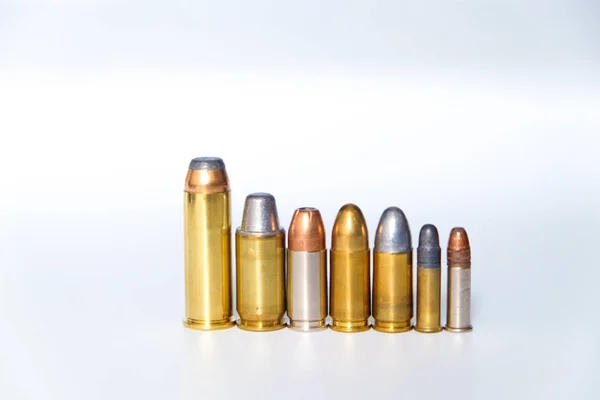
1. Penetration is no longer the easy way to separate them
For modern duty or defensive loads, both cartridges routinely operate inside the FBI-style 12–18 inch penetration standard in calibrated gelatin. That matters because penetration, not raw diameter, is what determines whether a handgun bullet can reliably reach vital structures after clothing or other disruptions. The bigger lesson from decades of testing is that load design changed the debate. Retired FBI firearms veteran Bill Vanderpool said it plainly: “It was more a matter of bullet construction than caliber.” Once bullet makers improved hollow-point performance, 9mm no longer needed to win by speed alone and .45 ACP no longer won the argument by size alone.
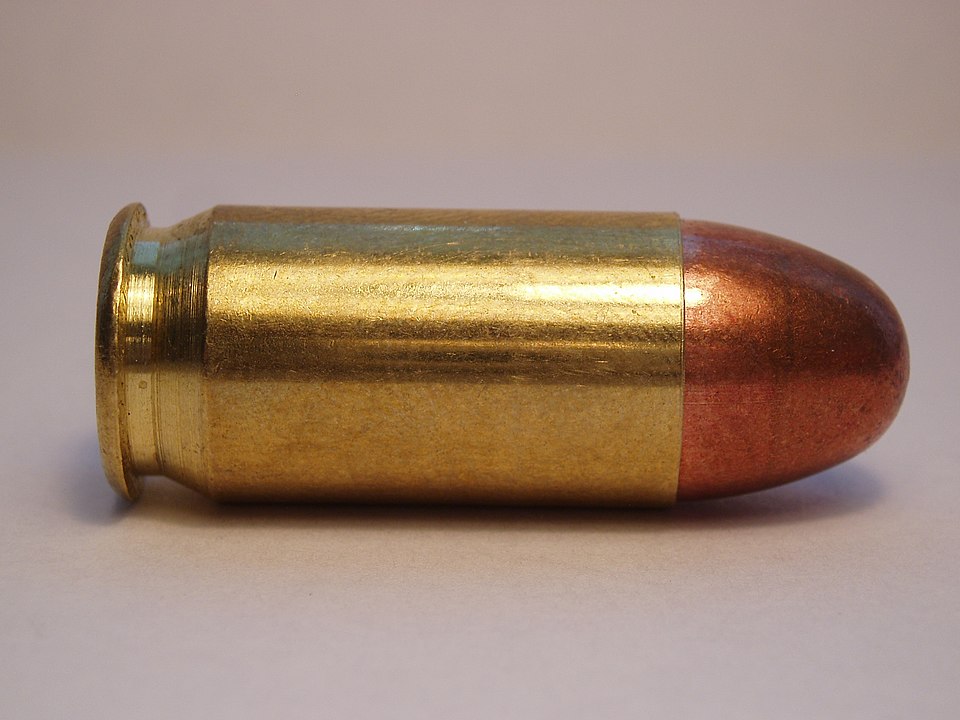
2. .45 ACP still starts with a geometry advantage
.45 ACP begins wider, and when expansion works correctly it usually finishes wider as well. That gives it a straightforward mechanical edge in frontal area and the size of the permanent crush path. That advantage is real, but not absolute. Expansion depends on cavity design, impact velocity, barrel length, and whether heavy clothing or intermediate material interferes with the bullet. In practice, the wider cartridge has a built-in head start, while the smaller one increasingly depends on refined projectile engineering to close the gap.
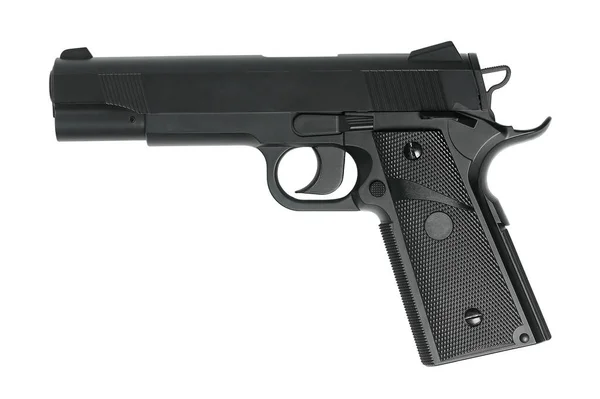
3. Recoil changes split times more than caliber debates admit
Recoil is not just a comfort issue. It affects sight recovery, cadence, and hit quality when speed rises. This is where 9mm keeps earning institutional support. In one FBI comparison, six out of ten shooters were faster and more accurate with 9mm than with .40 S&W, and the same logic applies when shooters compare 9mm with .45 ACP in similarly sized handguns. Less recoil usually means faster follow-up shots and less disruption during transitions. The caliber with the softer impulse often gives back time that is otherwise lost between shots.
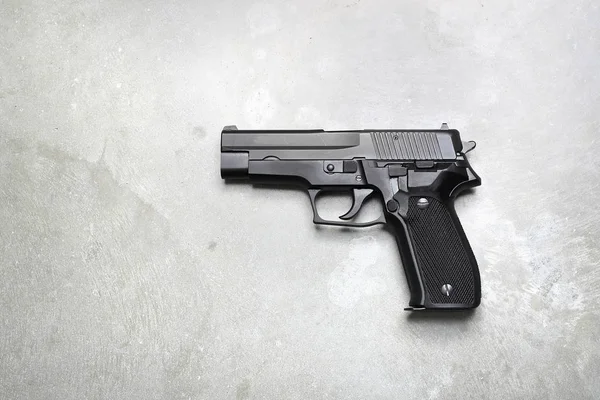
4. Pistol size and weight can change the verdict
A steel-frame pistol can make a stout cartridge feel manageable, while a lightweight carry gun can make the same round feel abrupt and slower to recover. Slide mass, spring rates, bore axis, and grip shape all affect what the shooter feels. That is why honest shooters can disagree about the same caliber. A full-size .45 ACP service pistol and a compact polymer .45 ACP carry gun do not present the same recoil problem, just as a heavy 9mm range pistol can feel dramatically calmer than a slim subcompact.
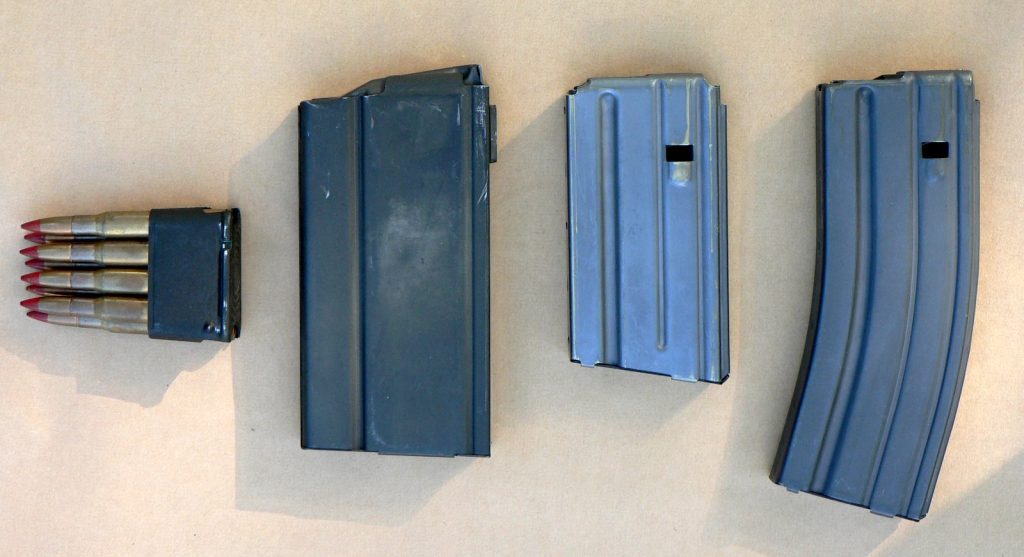
5. Capacity remains a physical advantage for 9mm
Magazine bodies reward smaller cartridges. In comparable platforms, 9mm usually carries more rounds because each cartridge consumes less stack height and width. A familiar example is a service-size magazine holding 17 rounds in 9mm versus 13 rounds in .45 ACP. The exact numbers vary by model, but the packaging math does not. For pistols of similar size, 9mm typically offers more onboard ammunition without increasing grip bulk.

6. Interior walls do not care much about the caliber argument
Residential drywall is a weak barrier against handgun bullets, and both cartridges can pass through more interior material than many shooters expect. Testing with wallboard has shown that handgun rounds, including both 9mm and .45 ACP, can penetrate multiple layers of sheetrock with limited deformation. That shifts the conversation away from caliber slogans. Over-penetration inside a home is managed more by ammunition choice, backstop awareness, and hit placement than by choosing one of these two service calibers over the other.
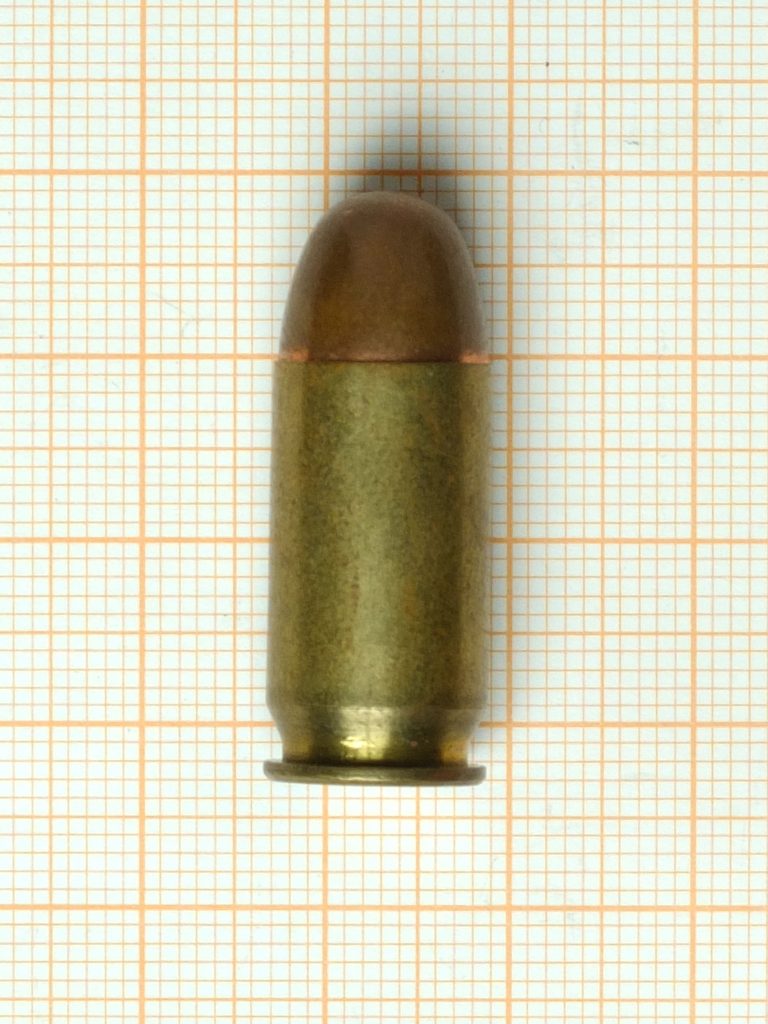
7. Suppressed use often favors .45 ACP by default
.45 ACP is commonly subsonic in standard loadings, which means it often enters suppressed use already below the sonic threshold. That simplifies setup and reduces the need to hunt for special loads. 9mm can also work very well with a suppressor, but it is more dependent on deliberate ammunition selection, often with heavier bullets, to stay subsonic. For shooters focused on suppressed performance, .45 ACP often starts in the easier lane.
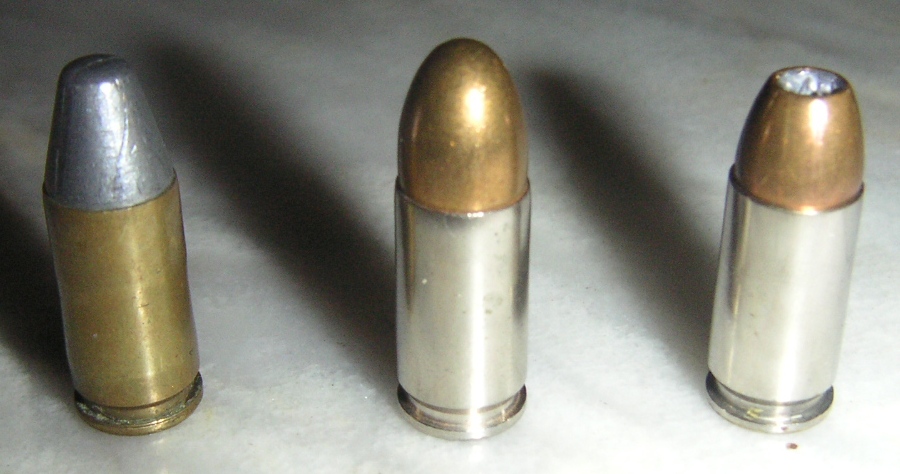
8. Real-world stopping data shows narrower gaps than reputation suggests
Across major service calibers, the practical differences are smaller than the debate implies. In Greg Ellifritz’s long-running compilation of nearly 1,800 shootings, 9mm averaged 2.45 rounds to incapacitation with a 13% failure-to-stop rate, while .45 ACP averaged 2.08 rounds with a 14% failure-to-stop rate. Those numbers do not erase caliber differences, but they do show how much overlap exists. Shot placement, controllability, and the ability to deliver repeat hits remain more decisive than brand loyalty to either cartridge.
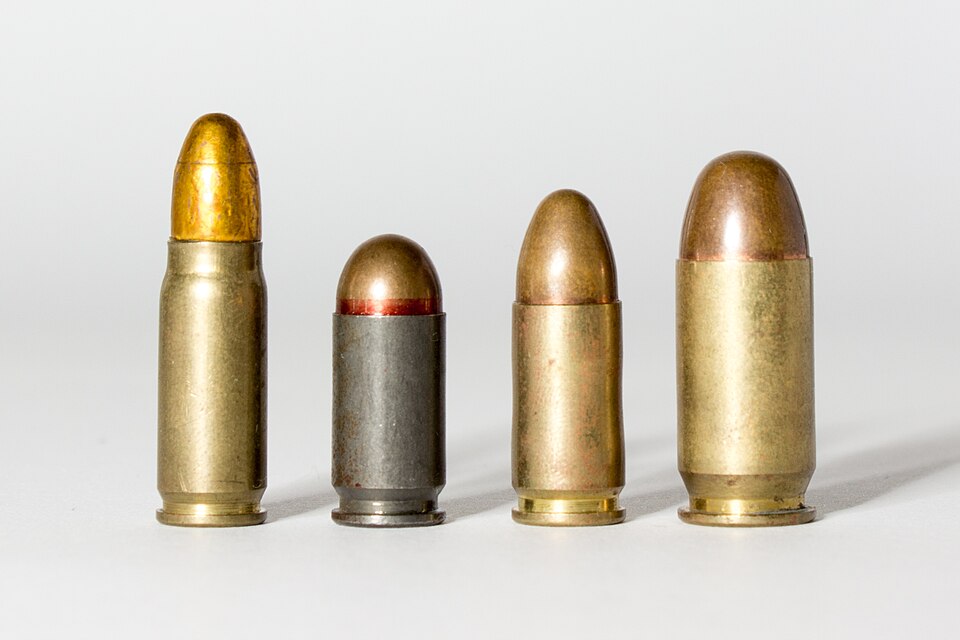
The enduring split between 9mm and .45 ACP is not about one cartridge making the other obsolete. It is about which tradeoffs a shooter is willing to accept: more capacity and lighter recoil, or larger diameter and naturally subsonic performance. When the conversation is stripped of folklore, both cartridges look less like rival ideologies and more like two mature engineering solutions built around different compromises.


