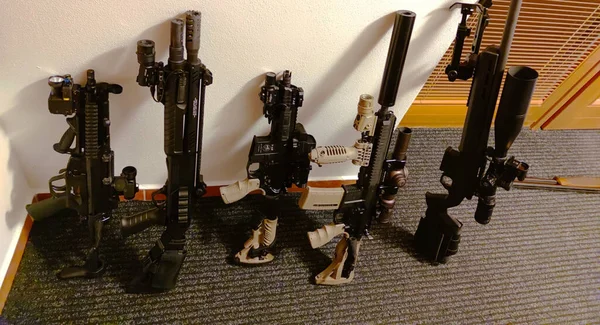
Misses past 600 yards rarely come from one dramatic mistake. More often, they come from a stack of small assumptions that seemed harmless at 100.
That is why long-range shooting myths are so persistent. They sound technical, they get repeated at benches and in forums, and they usually contain just enough truth to survive. But once distance stretches, tiny errors in wind calls, optic setup, bullet stability, and ballistic inputs start showing up on steel and paper.

1. Spin drift is the main reason bullets land right at 600 yards
This myth survives because spin drift is real, and right-hand twist barrels do push impacts slightly to the right. The problem is scale. In one detailed long-range troubleshooting discussion, experienced shooters argued that at 600 yards spin drift is often around 0.10 mil, not the kind of correction that explains a large unexplained lateral miss by itself. Eight inches at 600 yards sounds like a spin-drift story until the math is checked. At that point, wind uncertainty, minor cant, imperfect zero, and shooter input usually explain more than spin drift does. Treating spin drift as the villain can keep a shooter from diagnosing the actual source of the miss.
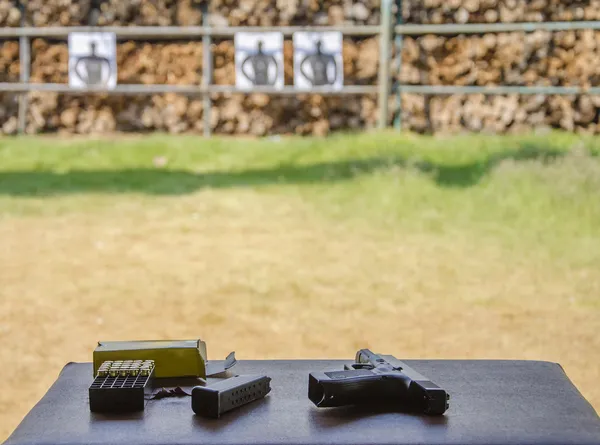
2. A wind meter can account for all the wind that matters
A wind meter helps, but it does not freeze the atmosphere between muzzle and target. Long-range shooters often measure wind at the firing point and assume the rest of the bullet path behaves the same way. It does not. One of the sharper observations in the reference material was blunt: unless a shooter is using lidar, it is nearly impossible to account for all wind. That matters because a subtle 0.5 to 1 mph error can move impact enough to look like a rifle problem. Wind remains the biggest liar in the system, especially when terrain, mirage, and target-area conditions disagree with what the meter says at the bench.

3. If the rifle is perfect, one cause should explain every miss
Long-range misses are often additive, not singular. Shooters want one clean answer: bad scope, wrong calculator, poor bullet, hidden drift. Real rifles are less tidy. A practical summary from the source discussion framed it well: wind, cant, spin drift, zero error, and shooter input can combine into one lateral miss. That stack-up effect is what makes long-range troubleshooting difficult. A miss that looks too large to be wind may still be wind plus a little cant plus a slightly off ballistic profile. Chasing one dramatic cause often wastes range time.
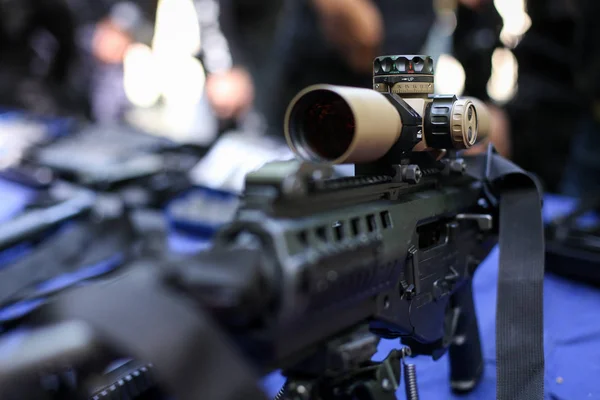
4. If the reticle is level, the scope setup is finished
Leveling the reticle matters, but it is not the whole job. A reticle can be plumb while the optic system is still creating lateral error as elevation is dialed. That is where this myth gets expensive. If the scope is not properly aligned with the rifle, or if the mounting system introduces a subtle angular error, the problem grows with distance. Shooters in the reference material described a simple truth: if impacts keep shifting to one side as range increases, optic alignment deserves scrutiny. A rifle that looks perfect at 100 can quietly walk sideways by 600 and beyond.
5. Published BC and muzzle velocity are close enough
Ballistic calculators are only as good as the inputs. If the velocity is not verified with a chronograph, or if the bullet’s advertised ballistic coefficient does not match real-world performance, the solver can produce a clean-looking wrong answer. That is why more advanced engines have become popular. Some systems now use empirically derived drag curves with hundreds of data points instead of relying only on simplified BC values. Even then, the shooter still has to verify the profile with actual impacts. Good software is not a substitute for confirmed data.
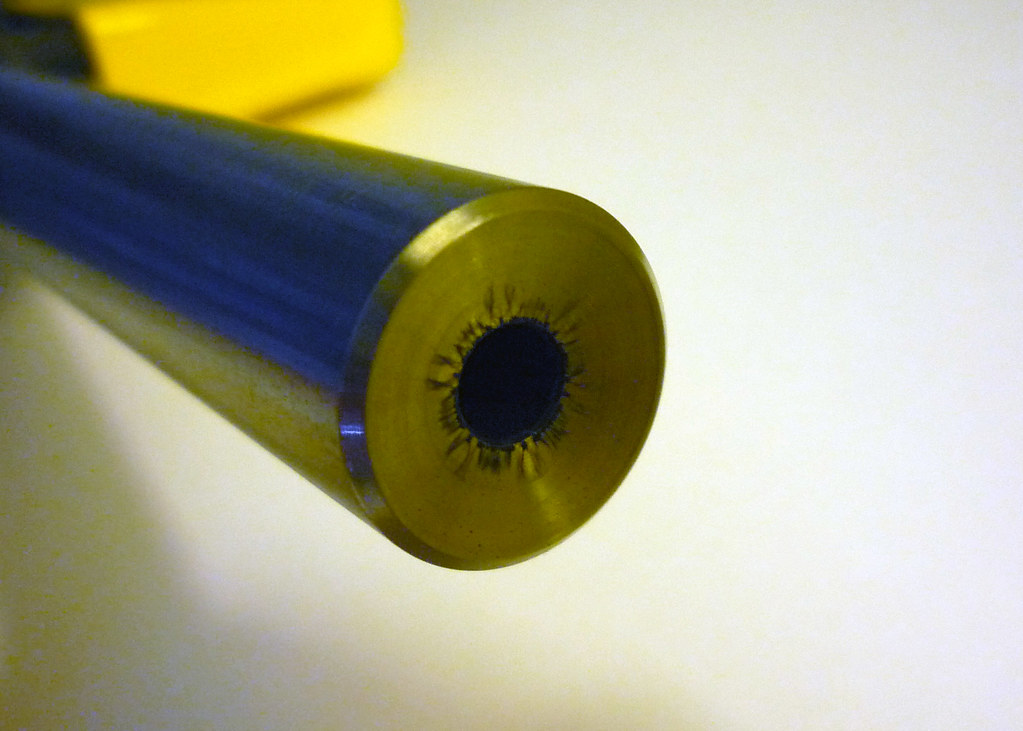
6. Faster twist is always better for long-range accuracy
Twist rate is not a trophy number. It is a stability tool, and more is not automatically better. In the stability discussion provided, shooters repeatedly centered on a practical window where a stability factor around 1.5 to under 2.0 tends to make sense for long-range work. That does not mean a faster twist cannot work. It means overspin can introduce its own headaches, including fussier load development with lighter bullets. Barrel markings also are not sacred; some shooters in the reference material measured real twist rates that differed from the number stamped on the barrel. Long-range misses blamed on bad wind are sometimes rooted in bullet stability that was assumed rather than verified.

7. Stability is fixed once a load shoots well at one altitude
Bullet stability changes with conditions. Altitude and temperature affect how comfortably a bullet stays asleep in flight, even when muzzle velocity and twist stay the same. That makes this myth especially sneaky. A load that appears fully stable at higher elevation can become marginal in denser air. The source discussion emphasized that a bullet calculated around 1.5 SG in thin air may behave much closer to the edge at sea level and colder temperatures. For shooters stretching distance across seasons or travel hunts, that shift can show up as degraded consistency before anyone notices the atmosphere was part of the problem.
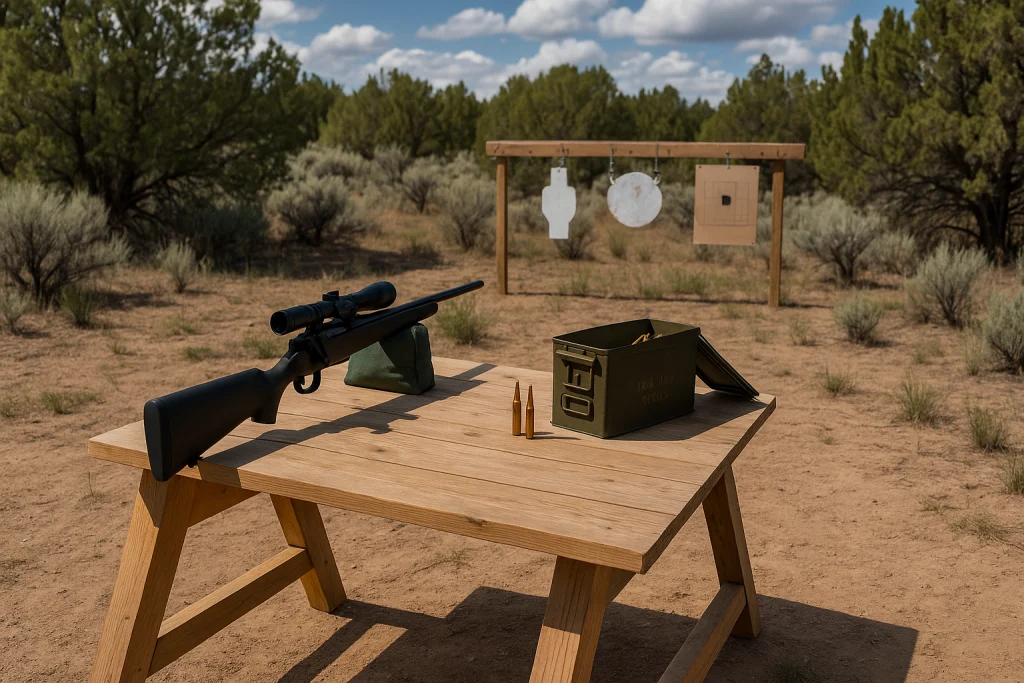
8. Benches and lead sleds remove shooter error from the equation
Support equipment reduces variables, but it does not erase them. In fact, some shooters report that rifles behave differently in heavy rests than they do under a natural shoulder-fired setup. That matters because equipment can hide poor recoil management, inconsistent cheek pressure, or an unnatural interaction between the rifle and the support. The reference discussion even included shooters who had seen rifles act strangely in a lead sled. A stable-looking setup is not always a truthful one, and beyond 600 yards that mismatch can become visible fast.
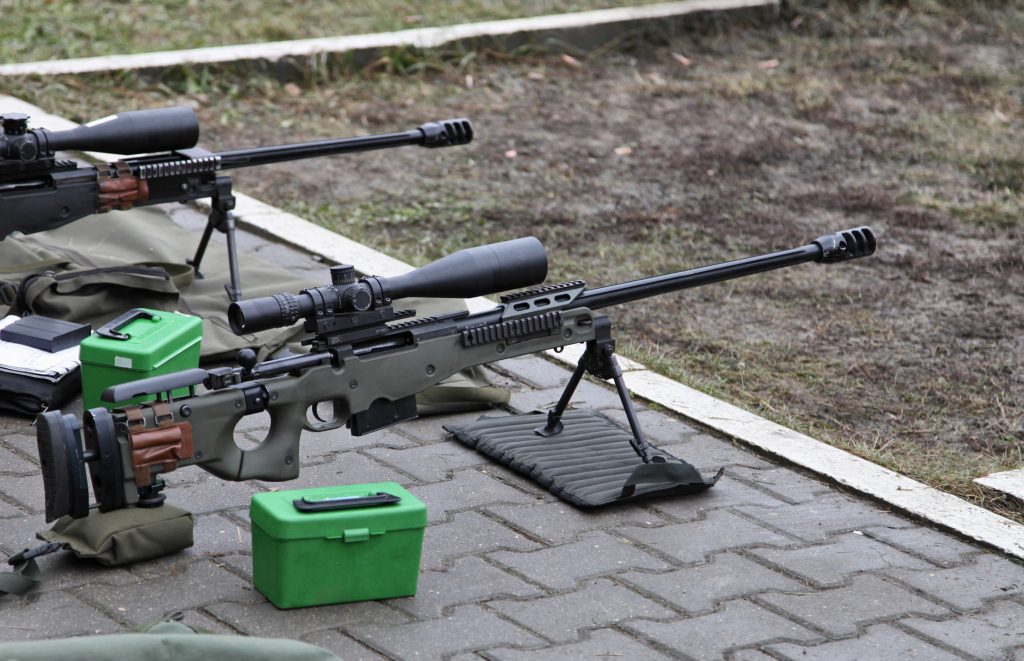
Long-range accuracy is less about one magic correction than about removing false confidence. Most misses past 600 yards come from ordinary inputs that were never fully checked: wind, cant, alignment, velocity, stability, and the way the rifle is actually being shot. The useful mindset is simple: when a miss appears, the first suspect should not be an exotic effect. It should be the quiet pile of basics that grow teeth at distance.


