Lawful carry often looks simple from the outside: a permit, a holster, and a pistol carried without drama. The trouble starts when routine habits collide with state-by-state rules that treat storage, transport, configuration, and location as separate legal questions. That gap catches people who think they are following the spirit of the law while missing its mechanics.
A carry setup can be lawful in one moment and chargeable in the next, not because of intent, but because ordinary shortcuts create legal exposure.
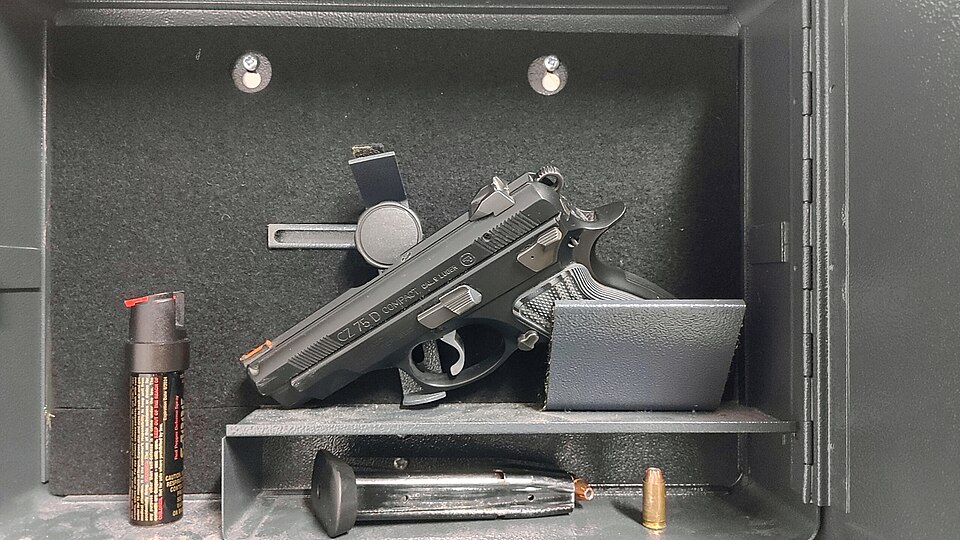
1. Leaving a handgun unsecured when it is not under immediate control
A firearm that is legal to carry on the body can become a liability the moment it is set down in a vehicle, nightstand, gym bag, or center console. In 26 states with secure storage or child access prevention laws, the legal issue is not limited to actual misuse. Some states apply the rule when a child may or is likely to gain access, while others impose consequences after access occurs. “Any time not in owner’s immediate control” is the trigger in several jurisdictions listed in the reference material, including California, Connecticut, Massachusetts, Oregon, and Rhode Island. That turns a common habit removing the gun at home and assuming it is still effectively secured into a potential criminal problem if access becomes possible.
2. Assuming “at home” means storage laws no longer matter
Carry laws and storage laws do not operate as the same thing. A person may lawfully carry a handgun through the day and still violate another statute by leaving it accessible after returning home, especially where minors are present or likely to be present. The state-by-state chart in the federal education reference shows how uneven these thresholds are. Some states define the trigger around likely access, some around actual access, and some around injury or misuse. In practice, a familiar end-of-day habit holster off, pistol on a dresser can move a carrier from compliance into exposure without any change in ownership status.

3. Treating state lines like permit lines instead of legal resets
Carry privileges do not travel with the same reliability as a driver’s license. States still set their own standards for permits, recognition, and who may carry concealed within their borders. The references describe a landscape in which some states recognize some outside permits, some recognize none, and others allow permitless carry under their own rules. That matters because a routine interstate trip can change the legal status of the same concealed handgun before the carrier even stops for fuel. The legal problem is not just whether a permit exists, but whether the destination state honors it, whether age or qualification standards differ, and whether local restrictions apply once the firearm is inside that state.
4. Modifying a rifle-platform firearm without understanding barrel thresholds
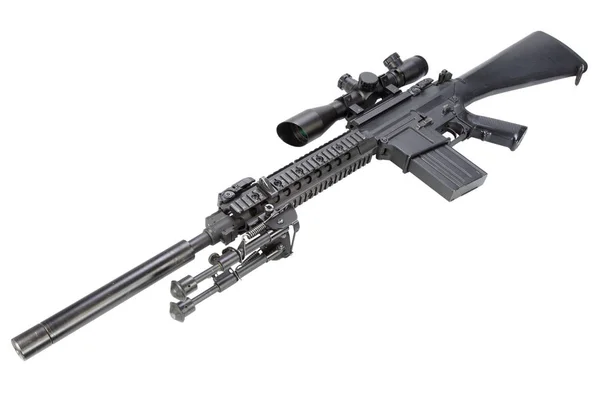
Many owners treat compact builds as a handling choice rather than a legal classification issue. That assumption becomes dangerous around barrel length. The reference material states that a rifle barrel under 16 inches without proper registration is unlawful under federal short-barrel rifle rules. A routine garage modification can therefore create criminal exposure even if the firearm never leaves private property. The legal risk turns on measurement and configuration, not on whether the owner considers the build practical, compact, or similar to another lawful setup.
5. Believing a brace, upper swap, or pinned device is just a parts decision
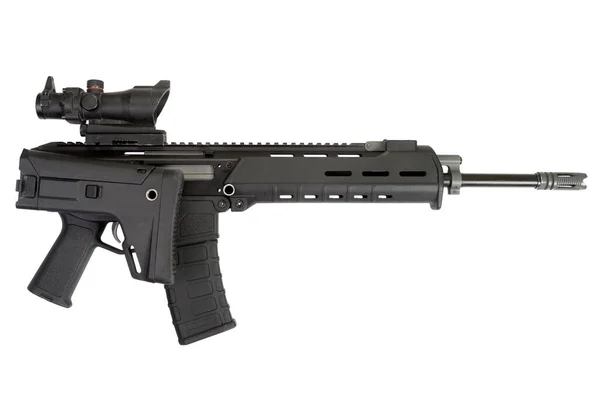
Small hardware changes can alter legal status faster than most people expect. The barrel-length reference explains that a 14.5-inch barrel may require a pinned muzzle device to meet minimum rifle-length compliance. That is the kind of detail often overlooked because it feels technical rather than criminal. On paper, however, parts choice is classification. A brace, upper, or muzzle device can affect whether the firearm fits within one legal category or crosses into another that demands registration or different compliance steps. Habitual tinkering without verifying final dimensions is one of the fastest ways for a lawful owner to create a chargeable firearm.

6. Treating permitless carry states as proof that training and paperwork never matter
Permitless carry has encouraged a casual assumption that if a person can legally possess a handgun, carrying it is legally simple everywhere. It is not. The references note that 29 states allow some form of permitless carry, but that leaves a patchwork of different standards, age thresholds, and recognition rules across the rest of the country. A routine habit develops from that confusion: carrying first and checking reciprocity later. That approach creates legal risk because the absence of a permit requirement in one state does not erase permit, qualification, or recognition requirements in another.
7. Forgetting that “minor access” is defined differently from state to state
Many carriers think a child-access law applies only if a young child actually fires the gun. The reference materials show a much broader picture. In some states, the relevant age is under 14; in others it is under 16, under 17, or under 18. Some statutes are triggered by likely access, while others require access plus injury, public display, or threatening use. That variation matters because a habit that seems careful in one state may be legally inadequate in another. A lockbox left open for convenience, a handgun in a backpack, or a pistol stored in a vehicle can all be evaluated through a different legal standard once the jurisdiction changes.
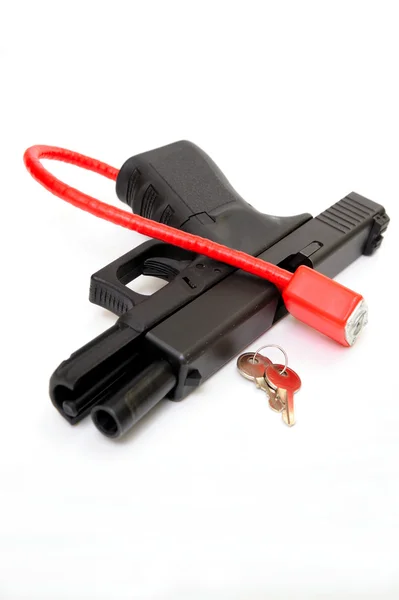
The recurring theme is not reckless conduct. It is ordinary repetition: setting a gun down, crossing a border, swapping parts, or relying on yesterday’s understanding of the rules. Lawful carry stays lawful only when the surrounding details stay compliant too. Storage, state recognition, and firearm configuration are not side issues; they are often the exact place where criminal charges begin.


