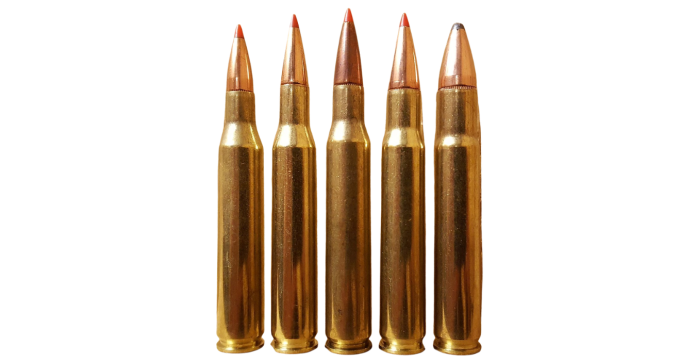
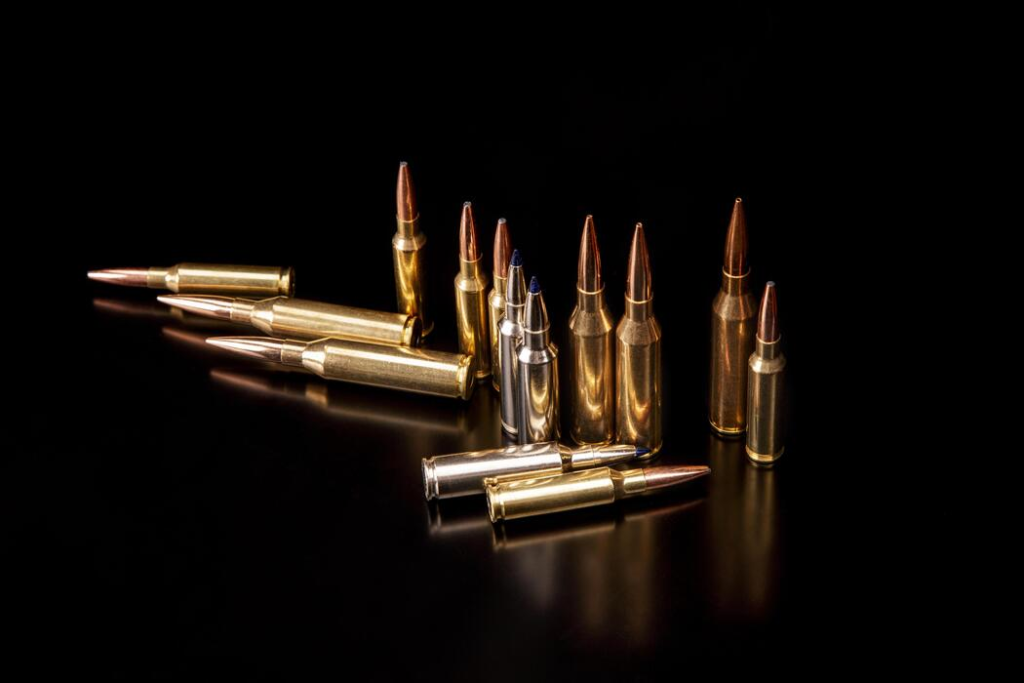
Short-barreled rifles remain popular because they are compact, quick to move, and easier to live with in blinds, brush, and vehicles. The tradeoff is simple: less barrel usually means less velocity, and velocity is what many rifle cartridges use to deliver flatter trajectory, reliable expansion, and stronger downrange energy.
That loss is not distributed evenly across all chamberings. Efficient rounds such as .308 Winchester and 7mm-08 tend to give up less, while fast, high-pressure, and overbore cartridges usually surrender more when barrel length drops well below traditional hunting standards. Most factory ballistics are based on 24-inch barrels, which means many carbines never reach the velocity printed on the box.
1. .243 Winchester
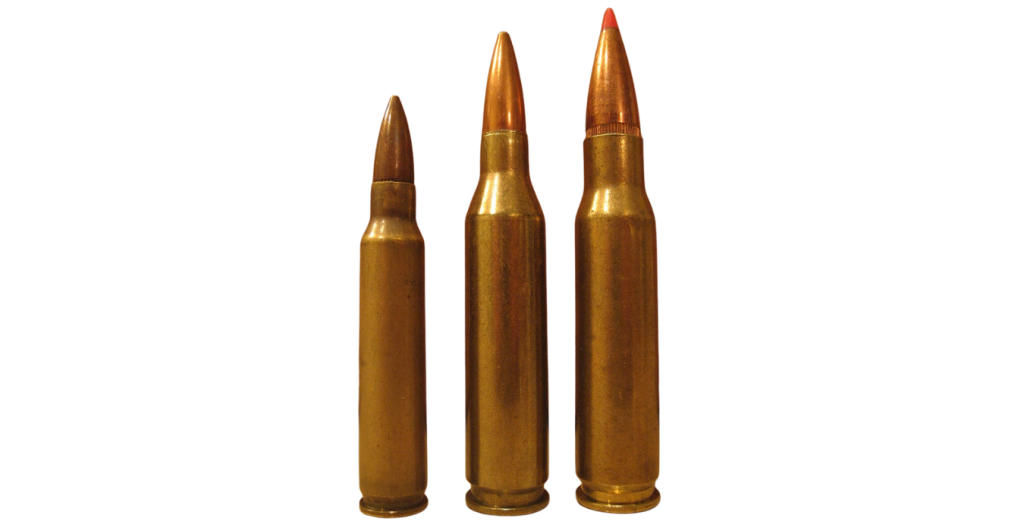
The .243 Winchester has long been valued for flat trajectory and high initial speed, but that same formula makes it more sensitive to barrel reduction than many hunters expect. Data cited from older Lyman testing showed a 29 fps per inch average loss with a 100-grain load when barrels were cut from 26 to 22 inches.
That does not make the cartridge ineffective in a compact rifle. It does mean the .243 sheds one of its main advantages when too much barrel is removed. In practical terms, a shorter .243 often keeps the light recoil and accuracy people like, but loses some of the speed reserve that helps it stretch distance and support conventional bullet performance.
2. .223 Remington
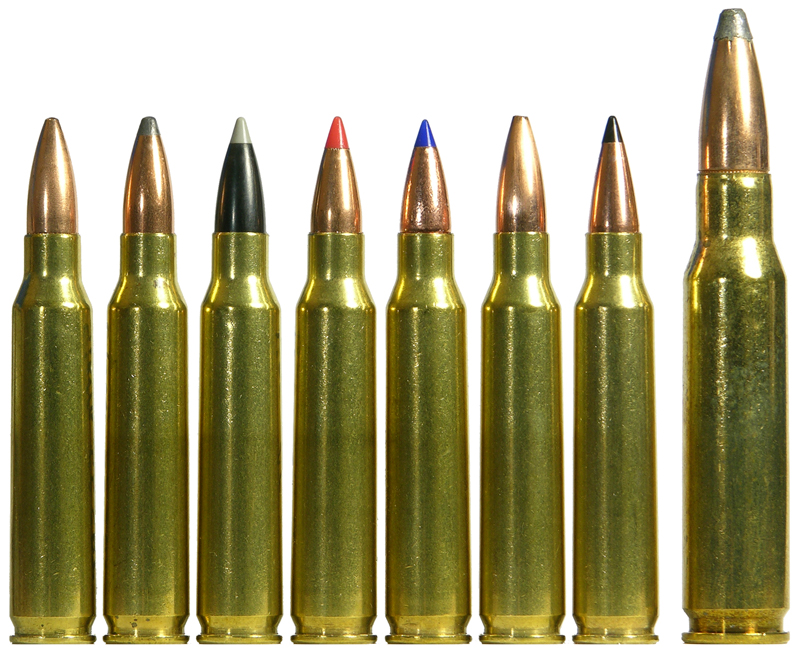
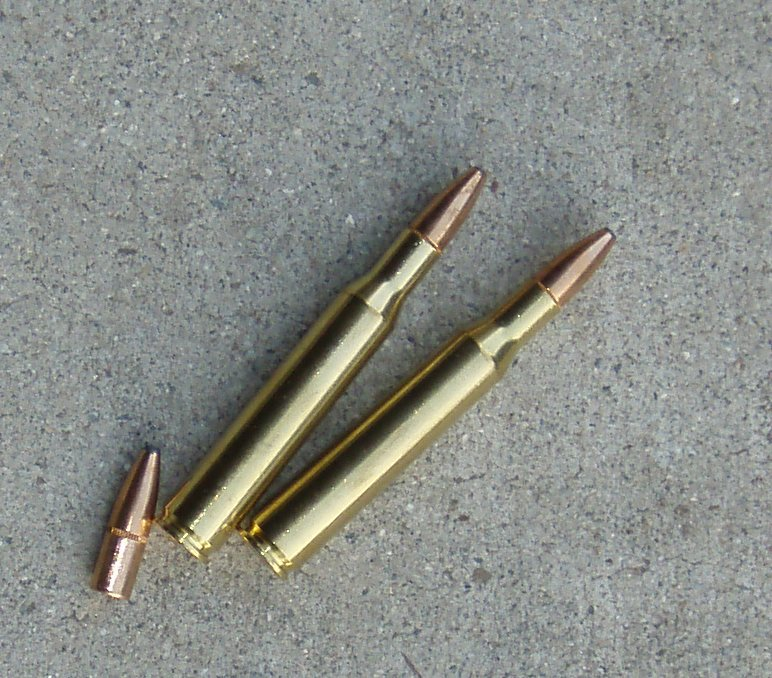
.223 Remington is often treated as a round that tolerates almost any barrel length, and it is more forgiving than some high-velocity hunting cartridges. Still, when barrel length drops from standard rifle dimensions to compact carbine levels, the loss is noticeable. User testing and discussion around 16.5-inch versus 22-inch barrels repeatedly put the difference around 200 fps, with some shooters reporting roughly 40 fps per inch in certain loads.
The bigger issue is not raw speed alone. In .224-caliber cartridges, a few hundred feet per second can move a load from one performance window to another, especially with bullets designed around impact velocity thresholds. That is why very short .223 rifles are often described as handy and capable, yet distinctly less impressive once range increases.
3. .270 Winchester
The .270 Winchester has always depended on speed. It is one of the classic examples of a cartridge that earns its reputation through flat trajectory with relatively light-for-caliber bullets, so trimming barrel length cuts directly into its identity.
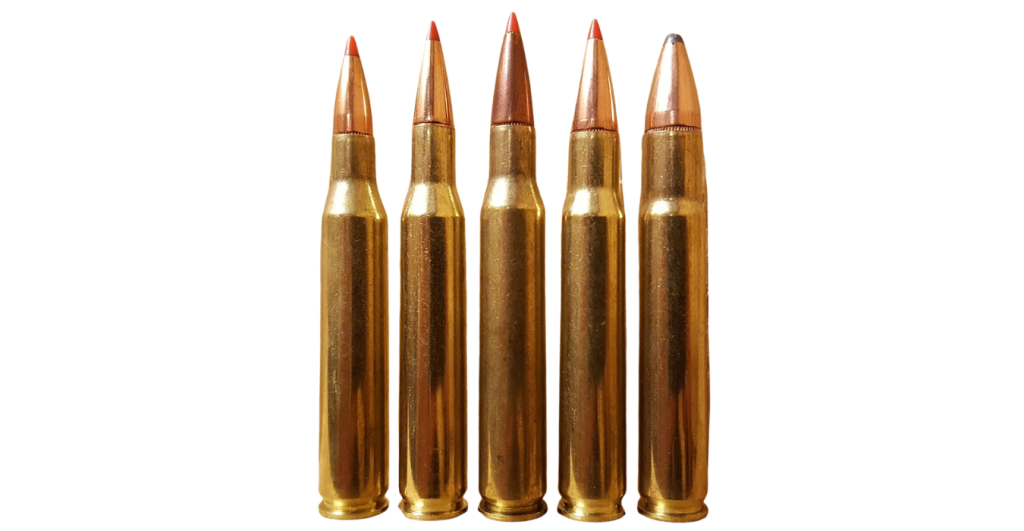
Lyman figures quoted in technical discussion showed .270 loads losing 32 to 37 fps per inch depending on bullet weight. That is a substantial penalty compared with heavier, slower rounds. A .270 with a short tube can still be useful, but it gives away exactly what made the cartridge attractive in the first place: easy reach without much holdover.
4. .264 Winchester Magnum
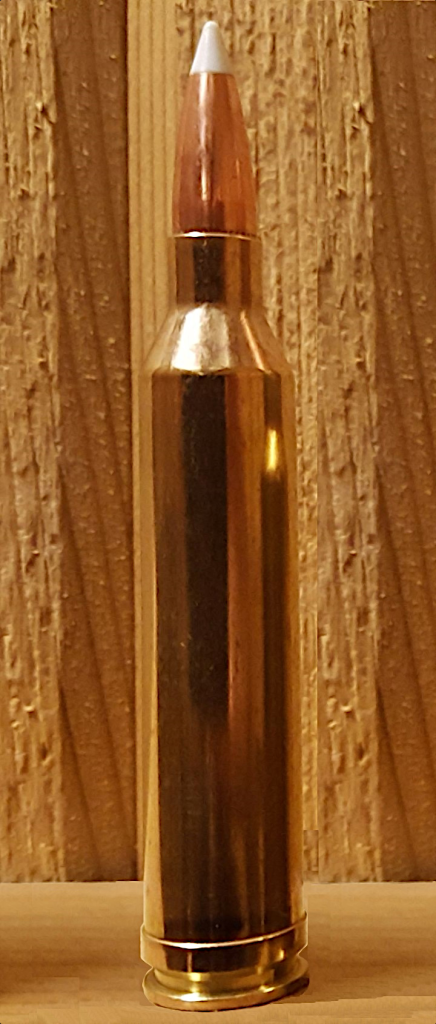
This cartridge has a longstanding reputation as an overbore speed specialist, and overbore cartridges generally prefer more barrel. Rifle Shooter described the .264 Winchester Magnum in direct terms, noting that it “needs” a 26-inch barrel to make proper use of its powder capacity.
Older Lyman testing listed an average loss of 32 fps per inch with a 140-grain load. That helps explain why short-barreled .264 rifles tend to feel compromised. The cartridge still produces magnum-class speed, but the shooter accepts more blast and muzzle flash while surrendering a meaningful slice of the ballistic advantage that justified the chambering.
5. 7mm Remington Magnum
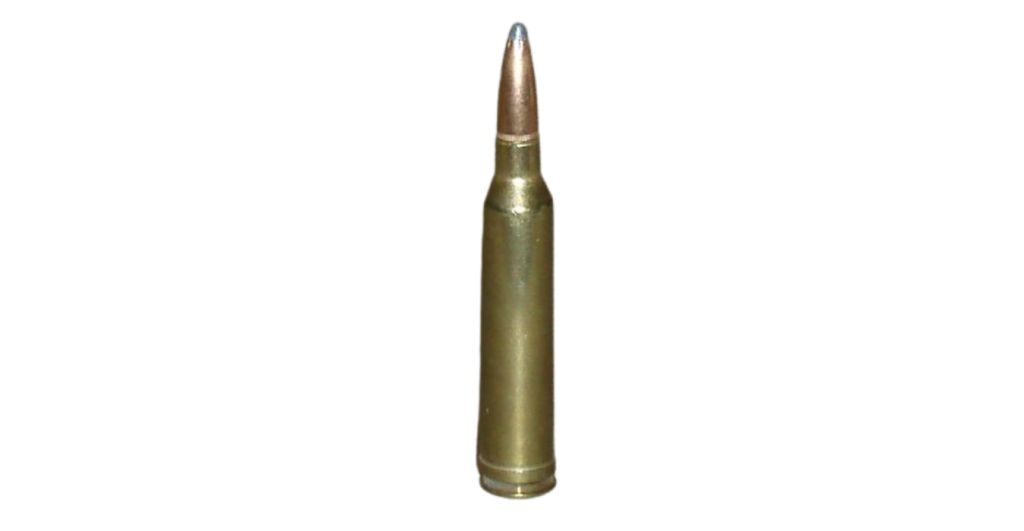
The 7mm Remington Magnum is not always discussed in barrel-length arguments with the same urgency as some newer speed-driven rounds, yet it follows the same rule. It carries a large powder charge behind relatively small bore diameter, and that combination rewards longer barrels.
General guidance from Rifle Shooter separates “standard” cartridges from magnums by barrel needs, noting that most magnum cartridges do well with 24-inch barrels. When a 7mm Remington Magnum is cut into true carbine territory, the result is usually more blast, more concussion, and less of the long-range efficiency that made the cartridge popular across Western hunting country.
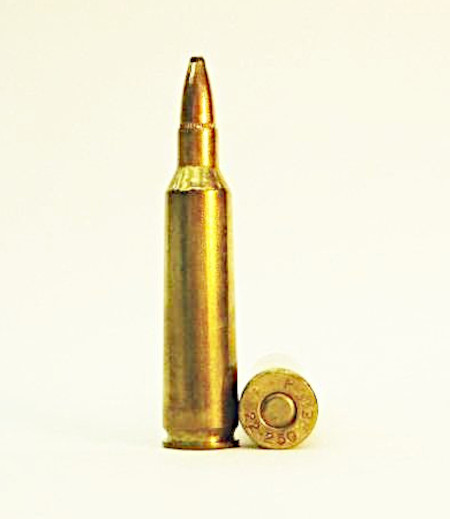
6. 22-250 Remington
The 22-250 Remington is one of the clearest examples of a cartridge that thrives on velocity. It is a varmint round with a reputation built on fast, flat shooting, so short barrels chip away at its strongest asset. Even in ordinary shooter discussions, it is commonly contrasted with .223 Remington as the chambering chosen when barrel length is available and top-end speed matters.
General reloading guidance cited in technical forum archives shows cartridges in the 3000 to 3500 fps range often changing about 30 fps per inch, and cartridges above that can lose even more. That places the 22-250 in the category where a compact barrel meaningfully softens field performance, even before trajectory and terminal effects are considered.
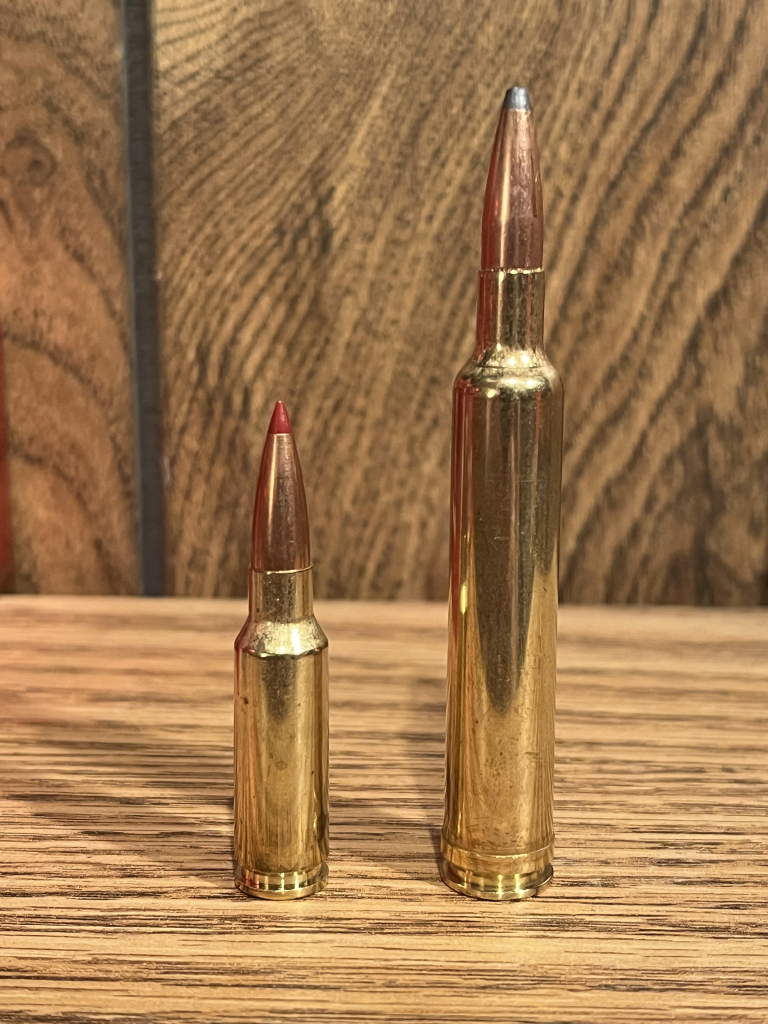
7. 6.5-300 Weatherby Magnum
Few sporting cartridges illustrate the short-barrel penalty more clearly than the 6.5-300 Weatherby Magnum. It is built for extreme speed, and extreme speed usually comes with heavy powder volume and strong dependence on barrel length.
Rifle Shooter grouped the cartridge with overbore designs that need long tubes to burn powder efficiently, specifically describing the 6.5-300 as very fast and dependent on barrel length for proper performance. In a shorter rifle, the cartridge still remains powerful, but it turns some powder into blast instead of velocity. That shifts the balance away from efficiency and toward noise and recoil impulse without full ballistic payoff.
The recurring pattern is straightforward. Standard cartridges can lose velocity in short barrels, but fast and overbore rounds usually lose more of what makes them special. That is why a short rifle chambered in a high-speed cartridge often feels less dramatic on paper than its reputation suggests.
Barrel length is not only about muzzle velocity, and handiness still matters. Even so, cartridges that rely heavily on speed tend to pay the steepest price when barrel length is cut, especially below the 20 to 22-inch range where velocity loss often increases per inch.


