Firearms technology changes quickly at the surface. Materials shift from steel to polymer, controls become more ambidextrous, and manufacturing grows more precise. Yet many of the ideas that still define successful rifles and pistols are not new at all.
The enduring designs are the ones that solved stubborn engineering problems first: feeding, extraction, corrosion, parts count, trigger control, and maintenance under hard use. Modern guns may package those answers differently, but the underlying logic keeps returning.
1. The AK-47’s feed system geometry
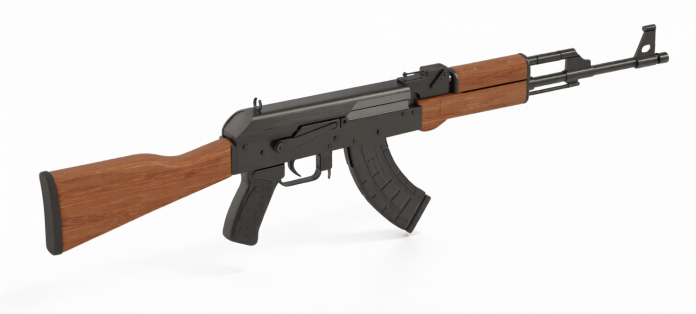
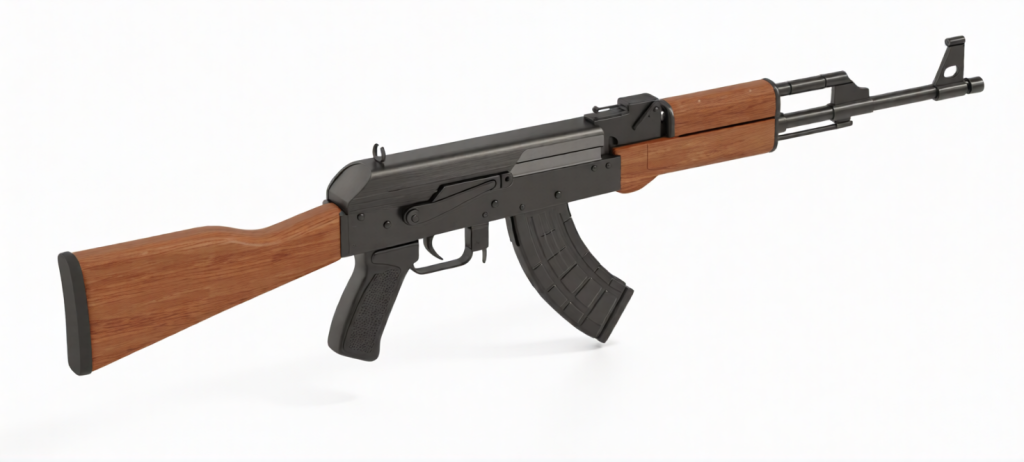
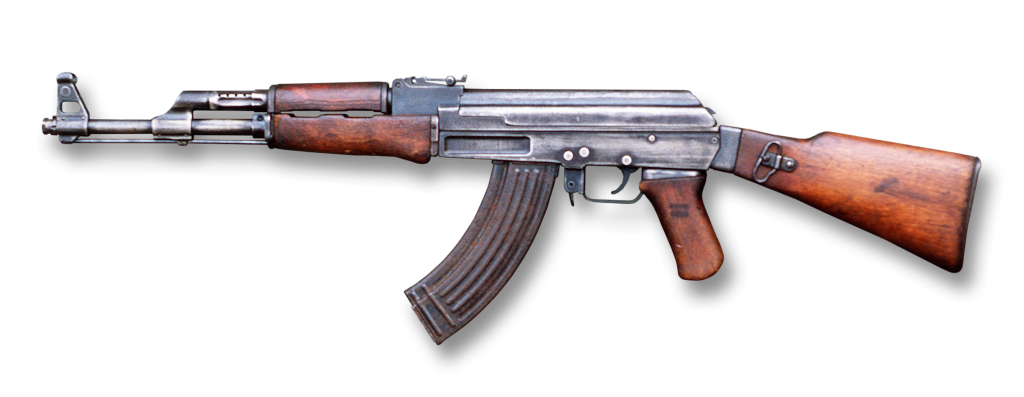
The Kalashnikov pattern remains a benchmark because it treated feeding as a complete system rather than a single magazine problem. The rifle’s heavily built magazine, long feed lips, and near-inline path to the chamber work together to reduce the chance of a round tipping or stalling before it seats. That design logic still appears across modern rifles that emphasize dependable cycling under dirt, impact, and inconsistent handling.
One of the strongest lessons is that magazines are not accessories to reliability; they are central to it. The reference material notes that 95-99% of malfunctions in a modern automatic firearm can come from a bad magazine. The AK attacked that problem with mass, leverage, and control of the cartridge all the way into the chamber. Modern rifle makers still chase the same goal, even when they use straighter insertion methods and lighter magazines.
2. The AK’s dirt-tolerant operating clearances
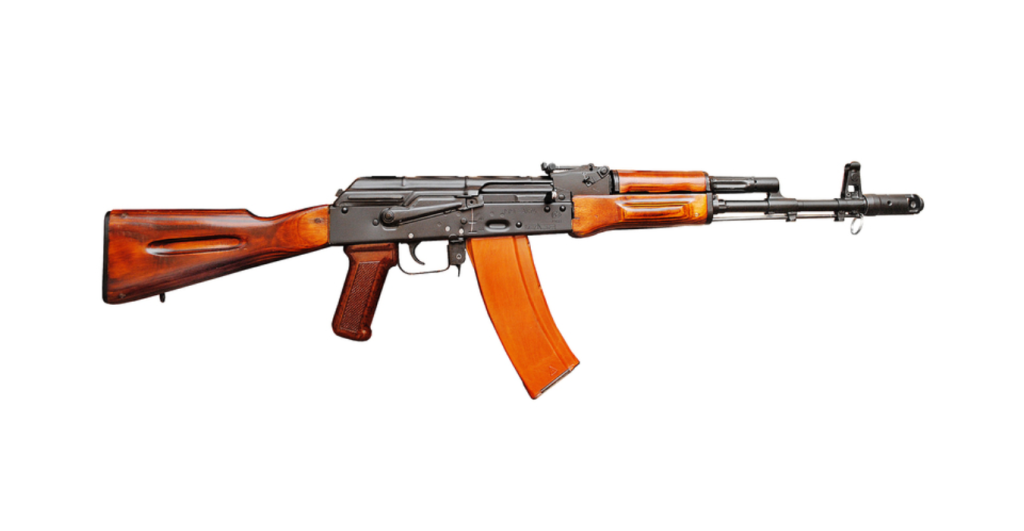
Many later rifle platforms pursued tighter packaging and cleaner external lines, but the AK showed the value of giving moving parts room to keep moving. Its roomy fire-control area, robust charging handle, and tolerance for debris all reflect a design philosophy that prioritizes function when conditions are poor rather than ideal.

That approach still matters. A tightly packaged mechanism can feel refined on a bench, but field use punishes mechanisms that leave little space for fouling, grit, or ice. The AK made several visible compromises in pursuit of this trait, including oversized controls and a layout that favors leverage over elegance. Modern service firearms frequently soften those traits, but they rarely abandon the principle behind them.

3. Chrome-lined and corrosion-resistant internals
Protective treatment of barrels, chambers, and other critical surfaces is now routine enough to feel ordinary. It was not always so. The Kalashnikov family helped establish the long-term value of hardening the places where heat, fouling, and moisture do the most damage.
The reference article points to chrome-lined chamber, barrel, piston, and operating parts as a major contributor to the platform’s reputation for reliability in wet and dirty environments. Today’s makers use chrome, nitriding, and advanced surface treatments instead of relying on bare steel and careful upkeep alone. Even pistols have followed the same path, with GLOCK describing advanced surface treatments for wear and corrosion resistance on major metal components. The materials have evolved, but the design lesson is unchanged: endurance starts at the surface.
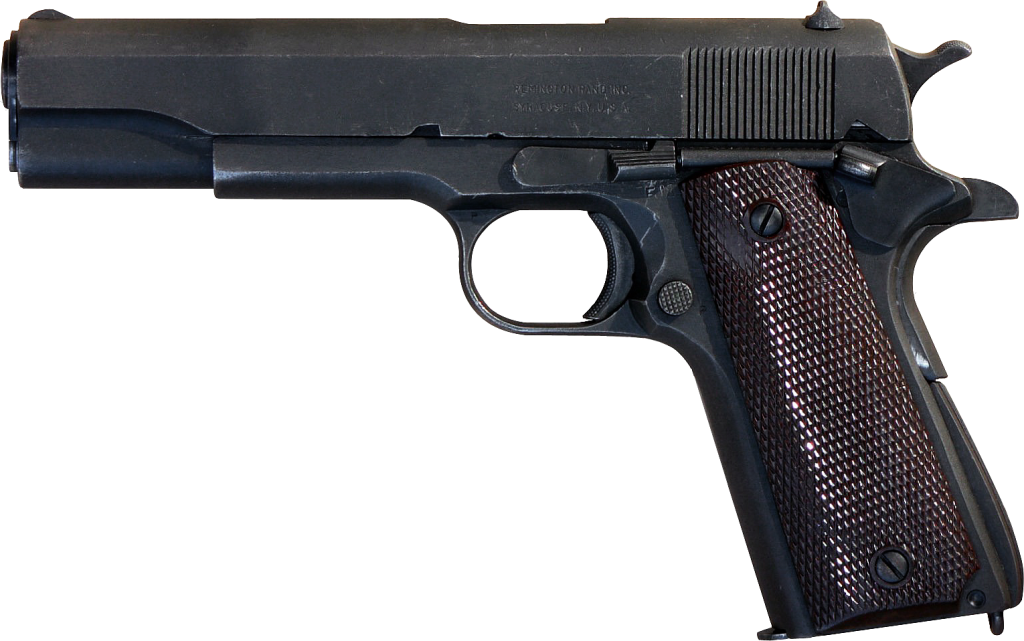
4. The M1911’s single-action trigger template
Few pistol designs have influenced how shooters judge trigger quality as strongly as the M1911. Its straight-to-the-rear single-action break created a standard that later service pistols, match pistols, and upgraded carry guns are still measured against.
The admiration around the platform is often emotional, but the engineering advantage is concrete. A clean trigger reduces disturbance to the sight picture and makes accurate rapid fire easier to repeat. One reference describes it as having “the best trigger of any handgun ever built”. That is advocacy language, not a universal technical verdict, but it captures why modern pistol designers continue to tune striker systems, trigger bars, sears, and geometry in an effort to approach the same kind of controllable break.
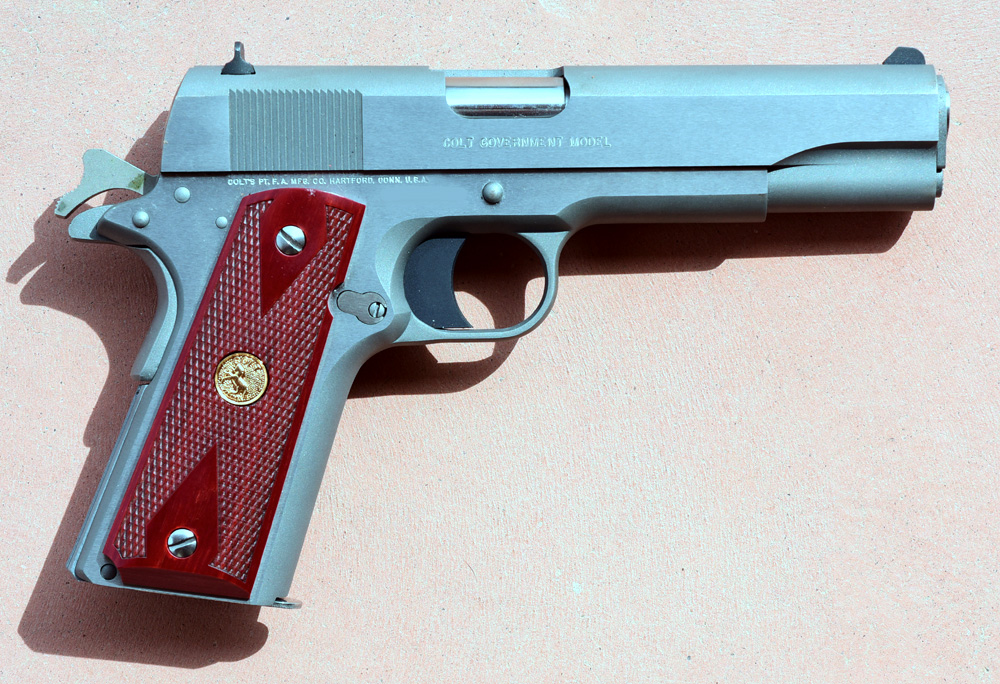
5. The M1911’s human-centered ergonomics
The 1911 lasted because it fits the hand, points naturally for many shooters, and places its controls where training can make them fast. Slim grip dimensions, a low-feeling profile in the hand, and a manual of arms that rewards repetition all became part of its staying power.
This is why later pistols that differ completely in lockwork still borrow the same priorities. Grip angle, reach to trigger, beavertail shaping, and safety placement are now treated as engineering variables rather than cosmetic details. Even pistols that reject the 1911’s steel frame and single-action mechanism still chase the same outcome: a gun that helps the shooter index the sights quickly and run the controls without breaking grip.
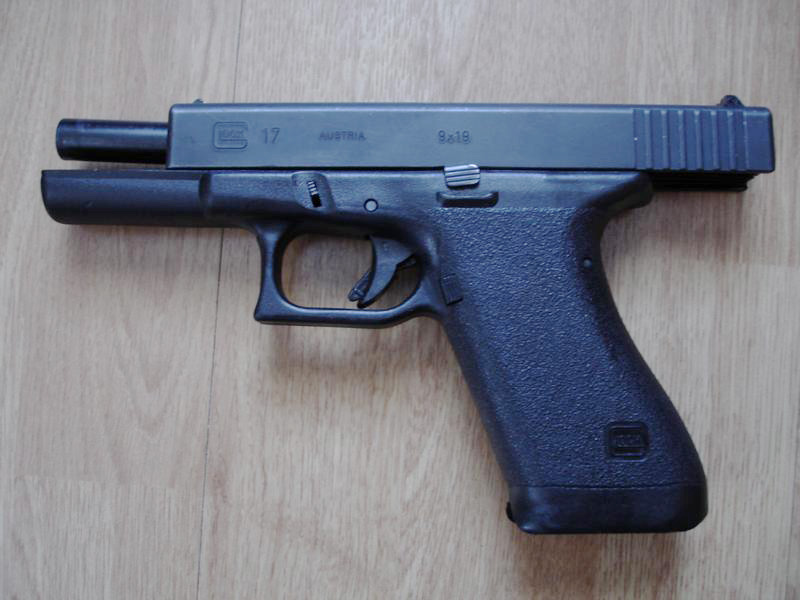
6. Glock’s low-parts-count simplicity
When polymer service pistols reshaped the market, one of the biggest changes was not material alone but mechanical economy. GLOCK built enormous influence around a pistol architecture with few parts, fast field stripping, and broad interchangeability. That formula made maintenance easier for agencies, armorers, and individual owners.
According to the company’s technical overview, the pistol is built with only 34 component parts. That number became part of the larger appeal: fewer parts can mean fewer failure points, less training overhead in disassembly, and simpler logistics for replacement. Countless later handguns, even when mechanically different, adopted the same design target of minimizing complexity while preserving durability.
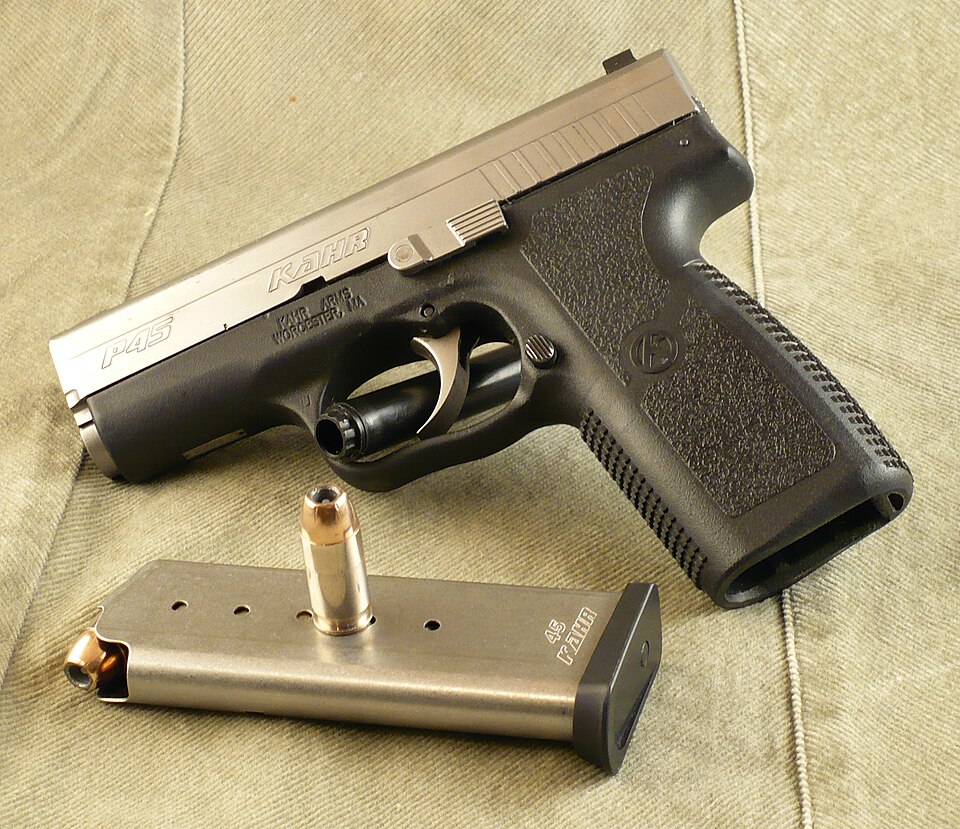
7. The polymer-frame service pistol layout
Polymer frames were once treated as radical. They are now so normal that it is easy to miss how completely they changed handgun design. Lower weight, corrosion resistance, and manufacturing flexibility turned the polymer-framed striker-fired pistol into the dominant service format of the last several decades. GLOCK’s technical materials describe a proprietary polymer frame built for durability across varied climates, while an industry explainer on the material notes the broader engineering case for Nylon 6-based polymer construction in modern pistol frames. The key point is not branding.
It is that polymer proved it could absorb abuse, resist environmental damage, and remain dimensionally stable in ordinary operating conditions. That success reset expectations for weight and maintenance across the entire handgun market. Modern firearms often look new because manufacturing, finishes, and ergonomics keep evolving. Underneath, many still rely on old solutions that worked too well to discard. The designs that endure are rarely the flashiest. They are the ones that answered practical mechanical questions so convincingly that later generations kept returning to them, whether in steel, alloy, or polymer.


