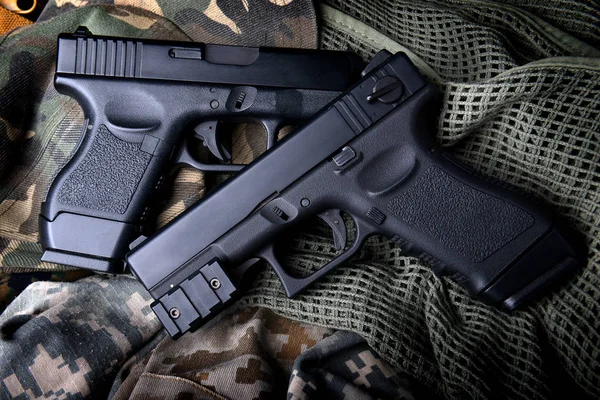
Glock built its reputation on consistency, which is why its recent product-line reset has drawn so much attention across the firearms world. The move reaches across multiple generations and model families, turning what could have looked like routine catalog management into a broader signal about where handgun design and manufacturing are heading.
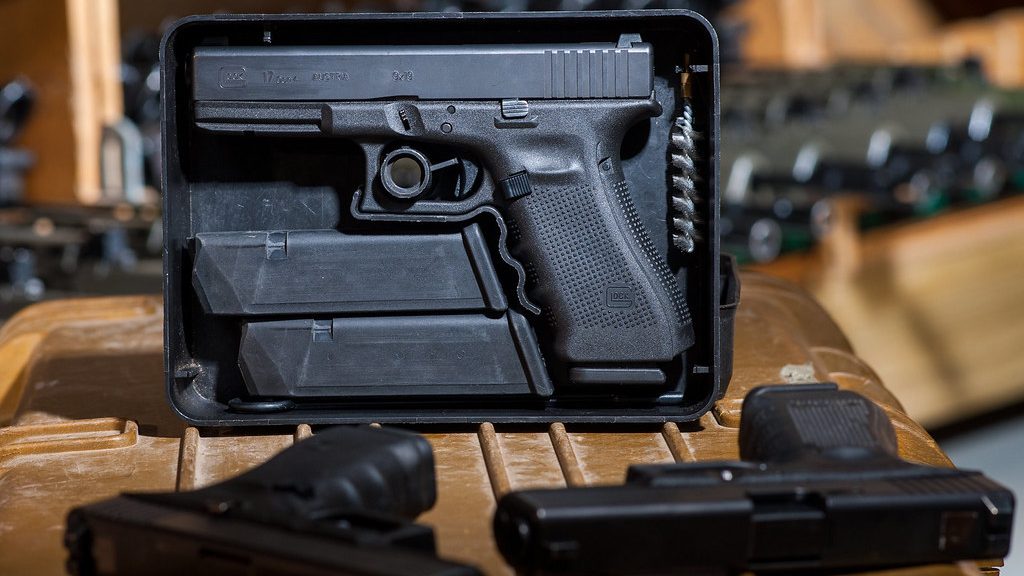
The company’s stated reason is clear. Glock said it is making changes “to focus on the products that will drive future innovation and growth”, while continuing support for pistols already in circulation. That leaves a more useful question for owners, armorers, and industry watchers: what forces usually push a company like Glock to make a change this large?
1. A crowded catalog had become harder to justify
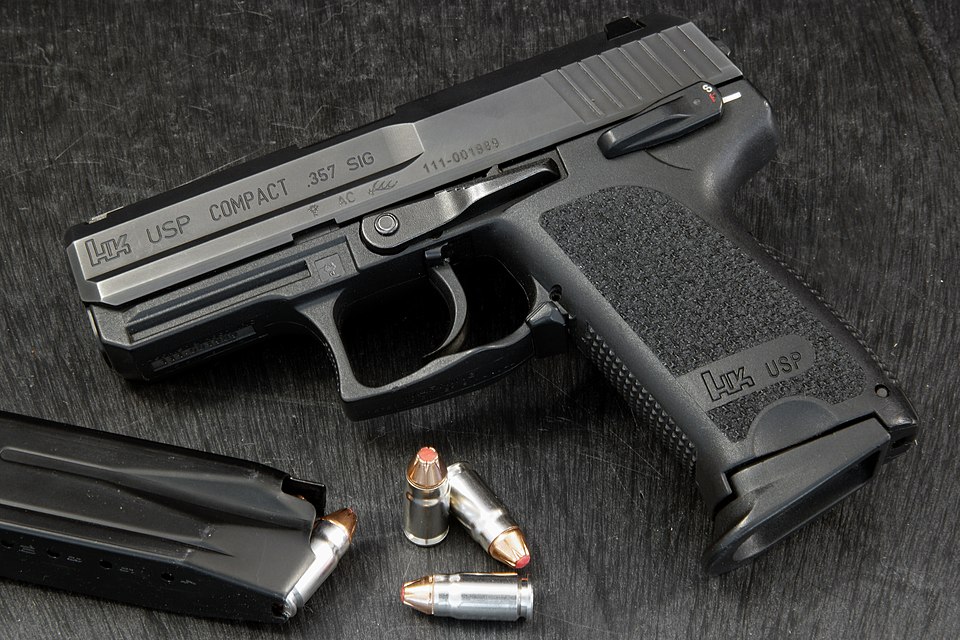
For years, Glock sold a wide spread of generations, slide configurations, and chamberings, including lower-demand lines in .357 SIG and .45 GAP. That kind of breadth gives buyers options, but it also ties up factory capacity, inventory planning, and distributor shelf space. A narrower lineup allows the company to concentrate on the models that move fastest and fit current demand most closely. In practical terms, fewer slow-moving SKUs mean simpler logistics and more room for platform updates that can be applied across a baseline family instead of scattered across dozens of variants.
2. Optics-ready pistols are no longer a niche
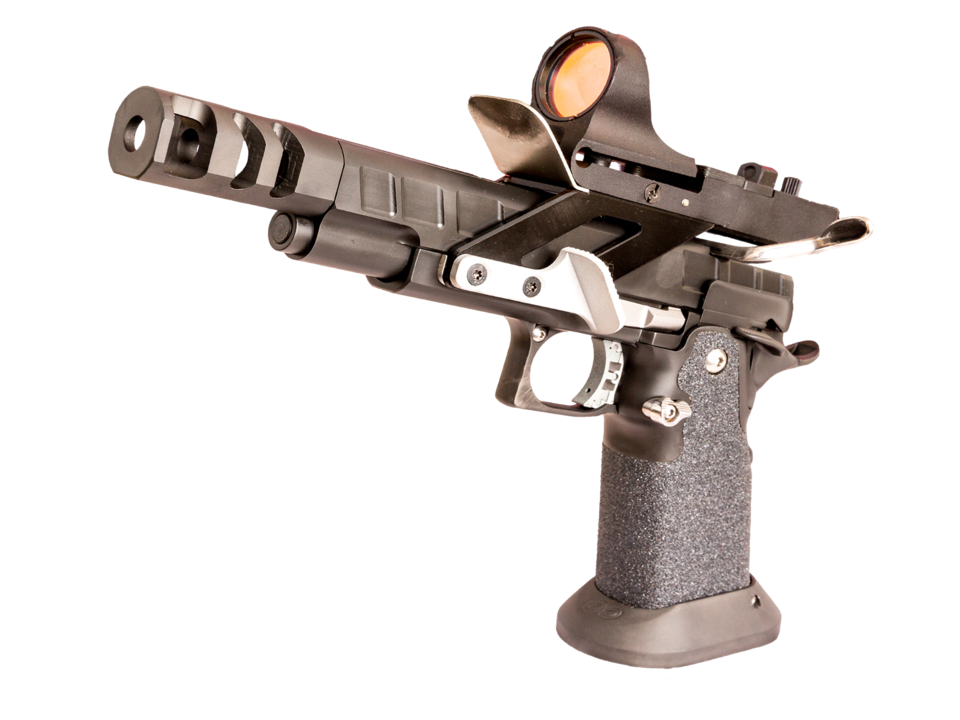
One of the clearest themes behind the shake-up is the rise of red-dot compatibility as a normal expectation rather than a specialty feature. Glock’s MOS approach, along with the carry-optics emphasis seen in newer partnerships and competition trends, has pushed the company toward pistols built around modern sighting systems from the start. Older frames and slide configurations do not always fit neatly into that direction. Consolidation gives Glock a cleaner way to prioritize optic-capable guns, updated slide cuts, and a more standardized architecture. That matters not only to competitive shooters, but also to agencies and private owners who increasingly expect factory support for mounted optics instead of aftermarket workarounds.

3. Conversion-device pressure changed the design conversation
Illegal conversion devices, commonly called Glock switches, have become impossible for the handgun industry to ignore. The issue is no longer just a law-enforcement talking point; it now sits at the center of product planning, legal scrutiny, and engineering decisions. That pressure intensified as state-level action expanded, including California AB 1127, a law aimed at firearms deemed readily convertible by such devices. Even without detailing every legal dispute, the broader effect is clear: manufacturers now have stronger incentives to redesign internal geometry and simplify lineups around models that better fit the compliance environment.
4. The reported V-series transition points to a new baseline
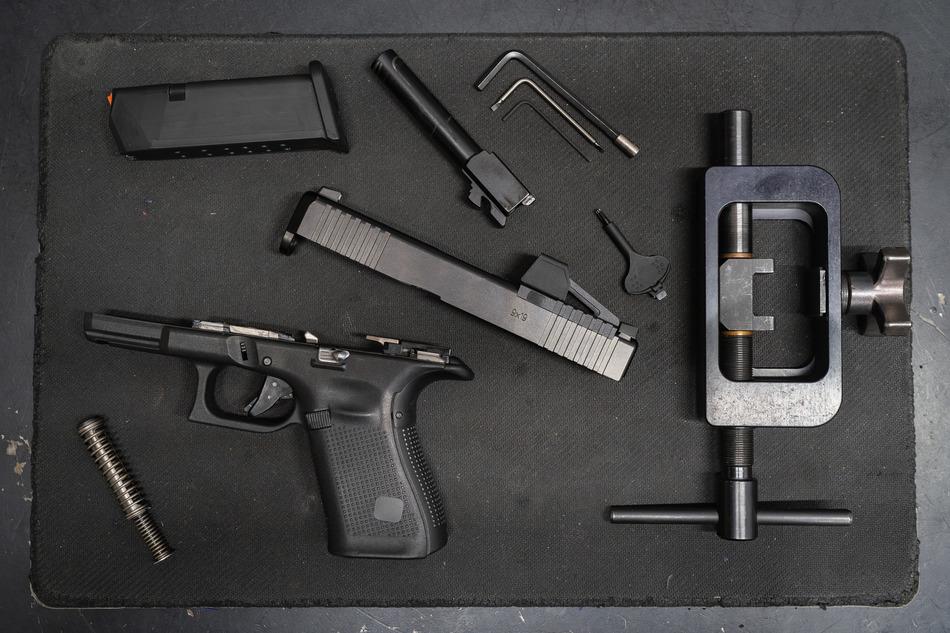
Retail and industry reporting has consistently pointed to a V-series concept as the platform replacing many outgoing commercial variants. Glock itself stated, “The GLOCK V Series is here to establish a baseline of products while simplifying our processes.” That phrasing matters. A “baseline” product family suggests fewer overlapping versions, more common internal architecture, and easier long-term updating. It also indicates that Glock is treating this not as a temporary trim but as a structural reset of the commercial lineup.
5. Support for existing owners appears to remain intact
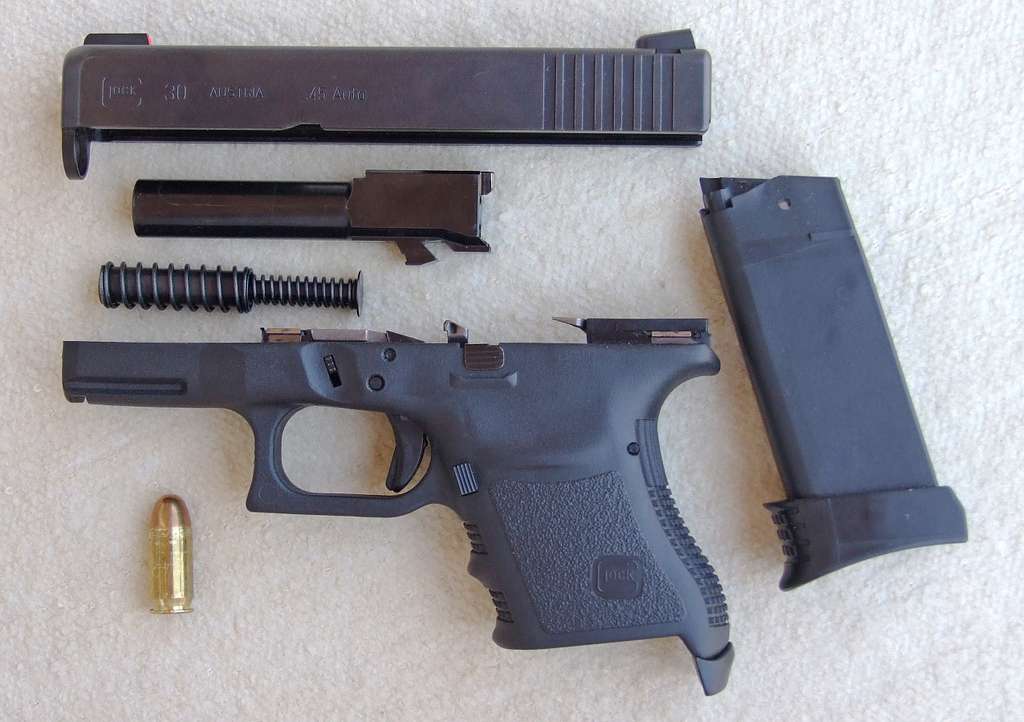
Discontinuation does not mean immediate abandonment. Reporting tied to the lineup change has repeatedly noted continued service pathways, maintenance, and parts support for legacy pistols. For current owners, that is the practical dividing line between a retired model and an orphaned one. Guidance from owner-focused coverage emphasizes documenting serial and model information, keeping maintenance records, and securing common wear items such as magazines and springs while availability remains broad. The short-term message is stability, not disruption.
6. Law-enforcement demand still carries weight
Commercial consolidation does not automatically mean the same changes are hitting every institutional channel at the same speed. Multiple reports indicate that law enforcement channels continue to be unaffected, even as some commercial offerings are retired. That distinction fits Glock’s long-standing role in police procurement. It also matches the continued appetite for modern duty pistols, including recent reporting on a Michigan department shifting to Glock Gen 6 9mm handguns with Aimpoint sights. Agencies value continuity, service support, and training efficiency, so Glock has reason to separate commercial simplification from institutional commitments.

7. Discontinued models often reshape the aftermarket
Once production stops, the factory line may narrow, but the aftermarket usually gets busier. Parts compatibility, spare magazines, and model-specific accessories can become more important as owners look to preserve pistols they already trust. Some models will draw more attention than others. Long-slide and niche-caliber pistols, along with less common generations or special variants, often gain a second life as collector pieces or enthusiast platforms. At the same time, common service models may remain abundant while their original factory-new examples gradually become harder to find. The result is a split market: practical shooters focus on maintenance, while collectors watch which variants become landmarks of a closed chapter.
Glock’s lineup reset is not just a product shuffle. It reflects a firearms market shaped by optics, compliance, simplified manufacturing, and institutional demand all at once. For the broader industry, the lesson is straightforward. The modern handgun is no longer defined only by caliber and capacity; it is increasingly shaped by modularity, legal durability, and how efficiently a company can support a platform over time.


