
Defensive handgun ammo still attracts more folklore than almost any other corner of shooting technology. Gel blocks, heavy-clothing protocols, chronographs, and recovered bullets keep showing the same pattern: many long-held beliefs fall apart once rounds are measured instead of argued about.
The most useful lesson from modern testing is not that one caliber solves everything. It is that penetration, expansion, and consistency matter more than brand loyalty, internet reputation, or a dramatic velocity figure. Across FBI-style standards and large-scale gel projects, the same myths keep getting exposed.
1. Bigger caliber always means better stopping performance
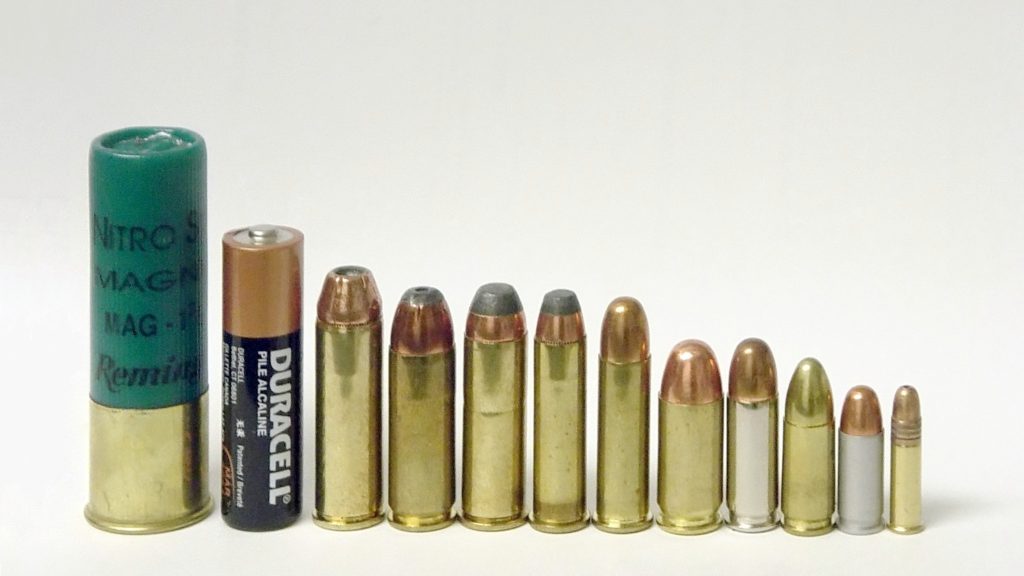
Ballistic testing keeps showing that handgun rounds live in a narrow performance band compared with rifles. In practical terms, the difference between service calibers often comes down less to raw diameter and more to whether the bullet reliably reaches vital depth and expands consistently through clothing. The FBI protocol heavily weights penetration, with 70 percent of the score based on penetration, not muzzle energy. Large Lucky Gunner datasets also showed overlap between good-performing 9mm, .357 Magnum, .40 S&W, and .45 ACP loads when they stayed in the accepted depth window. The old assumption that a larger bullet automatically produces decisively better terminal effect does not hold up when recovered diameter and penetration are measured side by side.
2. More velocity automatically means better defense ammo
Fast rounds look impressive on paper, but speed alone does not guarantee useful terminal behavior. Some high-velocity loads expand aggressively and stop short, while others hit hard enough to deform poorly after barriers and run too deep. That tradeoff showed up repeatedly in .380 ACP testing. Several loads delivered sharp expansion but failed to reach the preferred depth, while others penetrated well with modest upset. In revolver testing, .357 Magnum also demonstrated a narrow velocity window for some bullets: too slow and expansion could fail, too fast and penetration could exceed the desired range. Ballistic gel does not reward speed by itself; it rewards controlled performance.
3. Hollow points always outperform non-expanding bullets
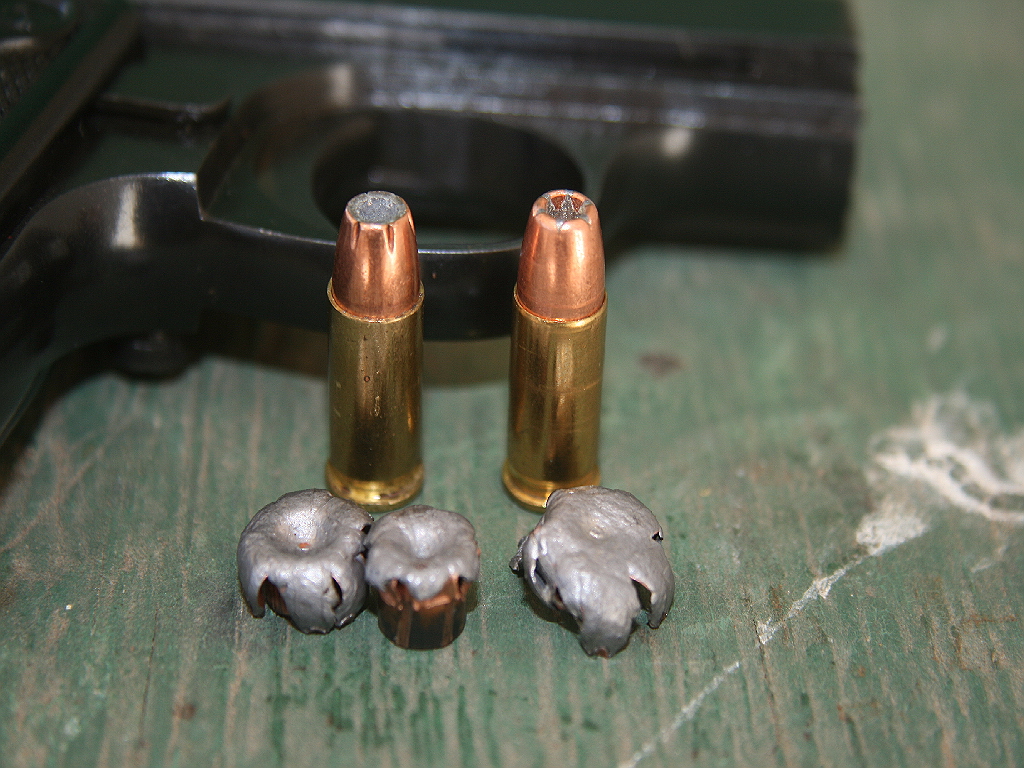
This remains one of the most stubborn myths. Hollow points are often the right tool, but testing keeps proving that a hollow point that clogs or fails can perform worse than a simple non-expanding bullet that reaches adequate depth every time. That was especially clear in small calibers. In .32 ACP, Lucky Gunner found FMJ loads could deliver more dependable penetration than several JHP loads, some of which struggled to reach acceptable depth even when they did not expand. Wadcutter and semi-wadcutter revolver loads also continue to complicate the “expansion is everything” narrative, because a non-expanding bullet with adequate depth may still outperform an expanding bullet that stops early.
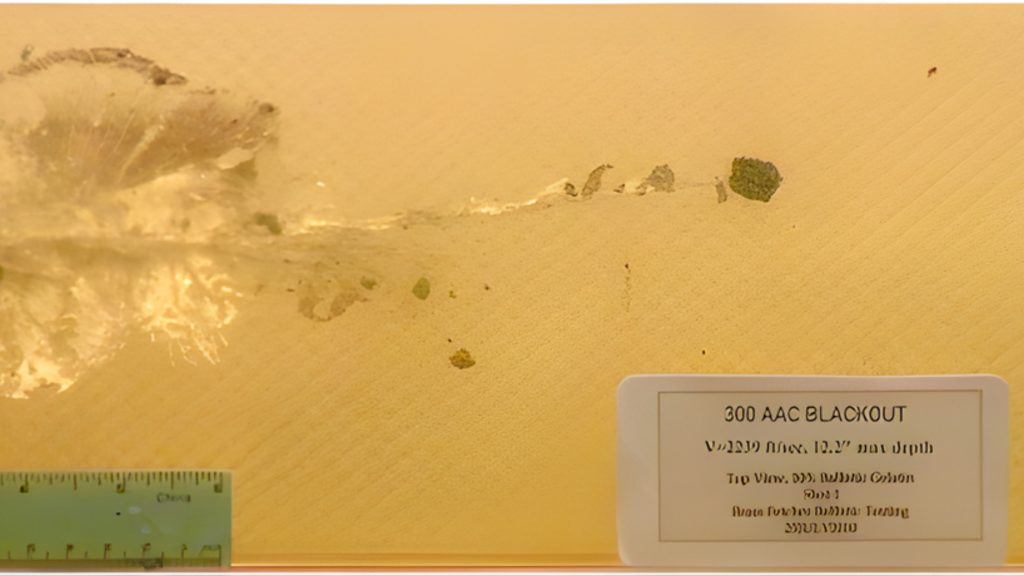
4. The 12-inch minimum is excessive for civilian defense
This belief usually comes from imagining a square, unobstructed chest shot. Real anatomy is less tidy. Arms, shoulders, angle, clothing, and body position all change the path required to reach vital structures. The FBI’s 12- to 18-inch benchmark was built around that reality, and modern gel work keeps reinforcing it. Loads that land below 12 inches can look attractive when they expand widely, but the larger mushroom means little if the bullet runs out of travel too early. Consistent slight over-penetration is often treated as less problematic than repeated under-penetration, which is the opposite of what many casual discussions assume.

5. Short barrels ruin magnum and pocket-gun performance so completely that testing is pointless
Short barrels absolutely change results, but they do not make testing meaningless. They make testing more important. Data from compact and snub-nose guns repeatedly show that barrel length can shift a load from excellent to mediocre, yet not always in the direction people expect. In .22 Magnum pocket guns, tests showed noticeably higher velocity and better gel performance than .22 LR from similar short barrels, undermining the common claim that the two become basically equal in handguns. In .357 Magnum, some loads worked well in a 2-inch revolver and went too deep from a 4-inch gun, while others needed the extra barrel length to open up properly. The gun and the load form a system; barrel length does not erase that system.

6. Rimfire is “basically fine” if the bullet placement is good
Shot placement matters with every caliber, but rimfire still carries technical limits that testing keeps exposing. Thin cases and distributed priming make rimfire inherently less reliable than centerfire, and gel performance from handgun-length barrels often leaves little room for error.
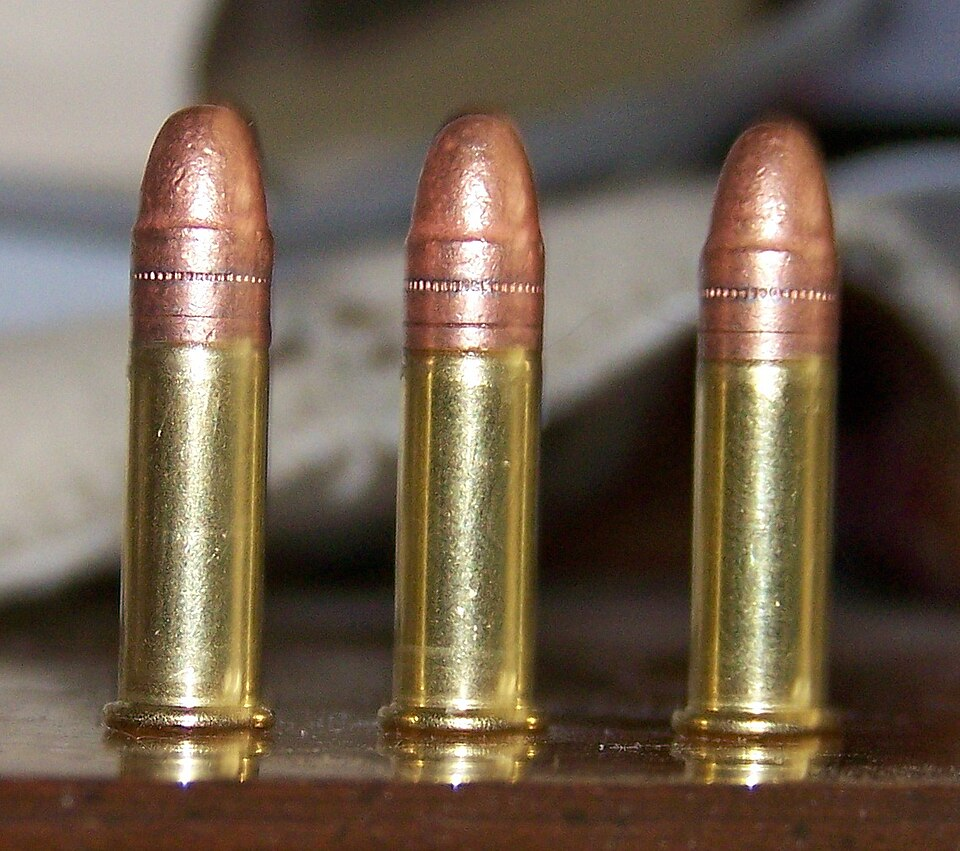
In pocket-caliber tests, .22 LR loads often showed limited expansion and strong dependence on squeezing out enough penetration. Even broader ammunition design differences support that caution: centerfire ignition is generally more reliable, while rimfire misfire rates can run higher than centerfire. That does not make rimfire useless, but it does make the “just place the shot” argument much thinner than it sounds.
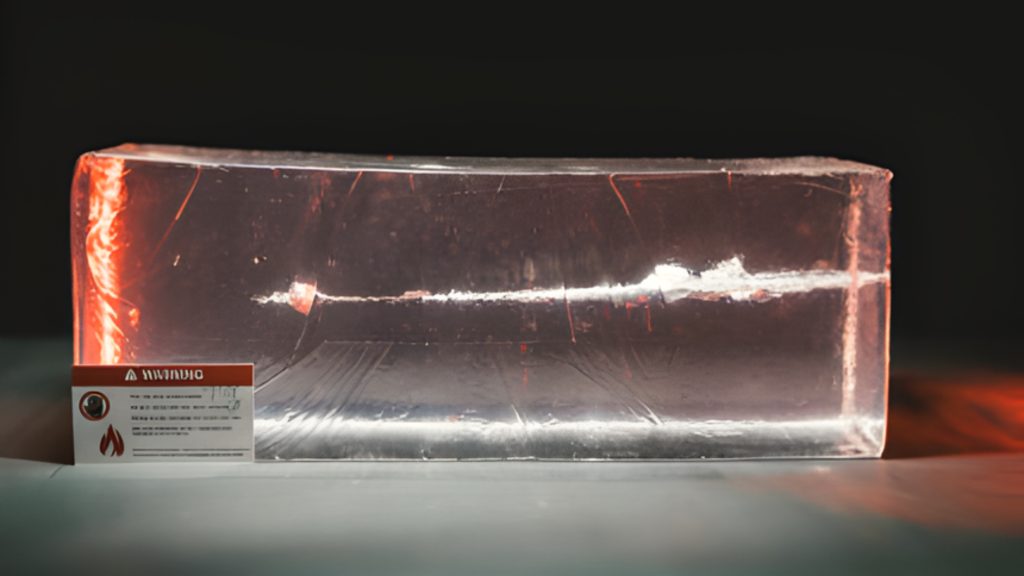
7. Gel testing is unrealistic, so it does not tell shooters much
Gel is not a human body, and credible testers say so plainly. It does not replicate bones, organs, or every angle of impact. What it does provide is a controlled medium that makes one load comparable to another under repeatable conditions. That consistency is why the FBI protocol remains influential and why large independent test libraries still matter. A five-shot string through heavy clothing, measured for depth, expansion, and retained weight, cannot predict every outcome in the field. It can identify loads that repeatedly under-penetrate, clog, fragment, or vary wildly from shot to shot.

That is valuable engineering data, not fantasy. Ballistic testing keeps reducing defensive ammo arguments to a simpler truth. Handgun bullets are not magic, and the best loads are usually the ones that do boring things well: penetrate enough, expand often, and behave the same way from shot to shot. That is why myths keep fading under gel-block evidence. The deeper the test library gets, the clearer the pattern becomes: consistency beats reputation.


