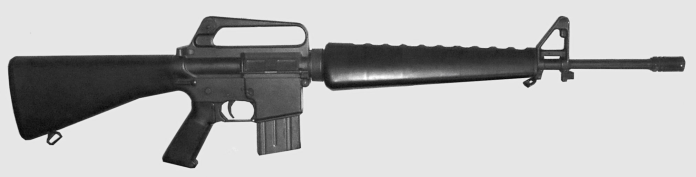
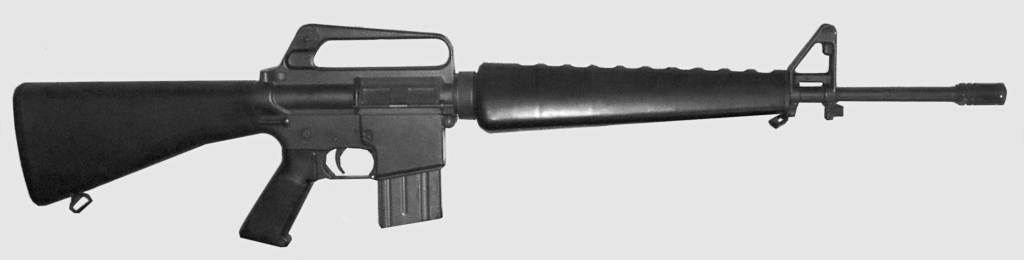
The AR-15 platform invites the use of arguments that are not necessarily related to ballistics or mechanics, but rather to careless words, misplaced definitions, and cross-platform assumptions. What has been created is a machine that is well spoken about and yet ill-characterized.
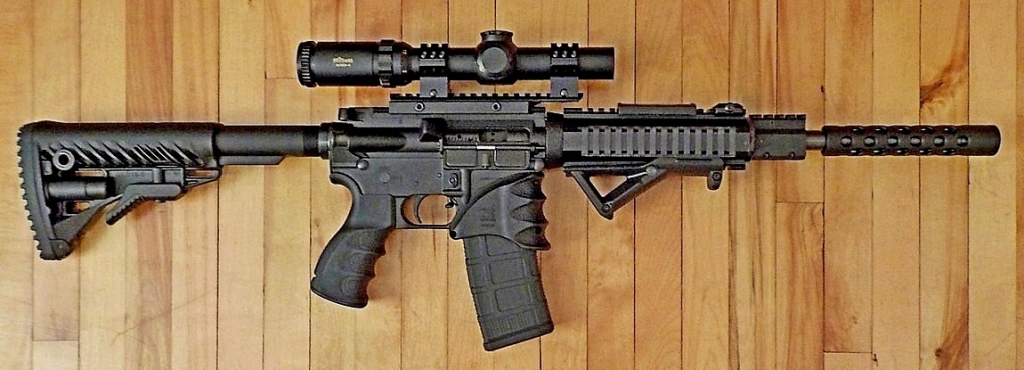
The majority of the bewilderment is soon sorted out by considering the rifle as an engineering item: determine the meaning of the letters, the meaning of the action cycle, and draw the line between legal and mechanical categories.
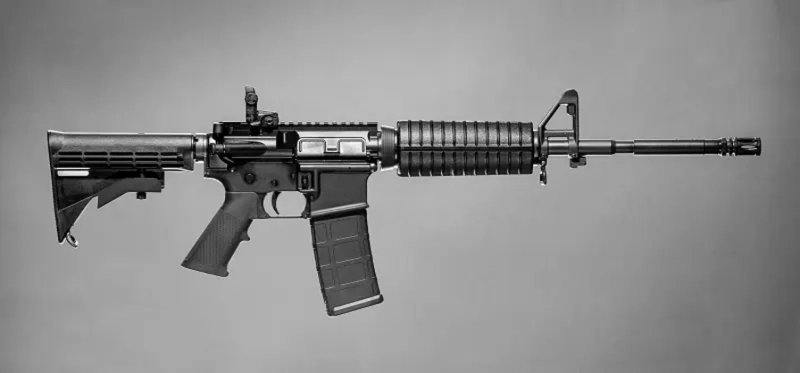
1. “AR” describes a firing mode
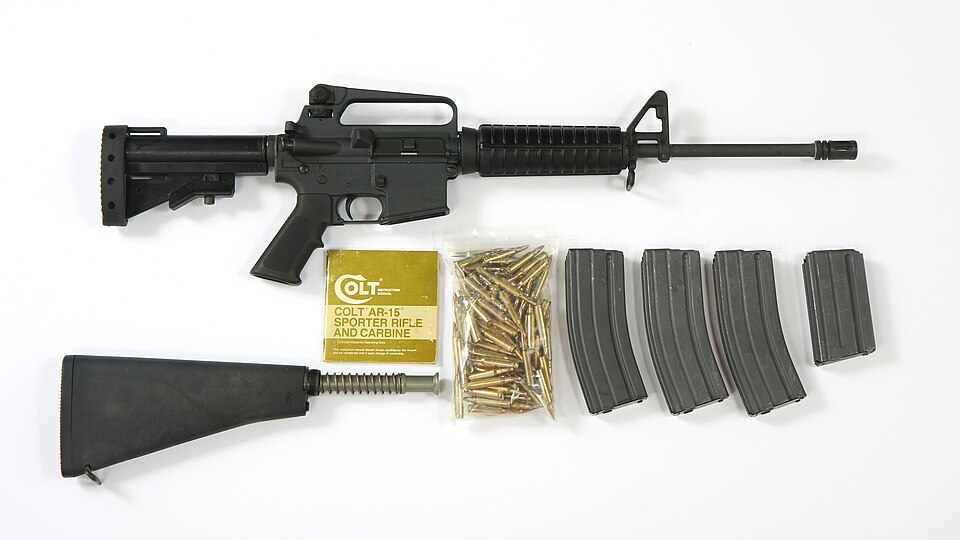
The AR in AR-15 is also a reference to ArmaLite which worked on the pattern based on the previous AR-10 by Eugene Stoner. It does not mean assault rifle and neither does it imply select-firing. This misapprehension persists due to the fact that the external appearance is like military carbines and that assault weapon is a general term in the laws and in regular conversation. The letters were never a technical description of the action of the rifle.
2. A civilian AR-15 fires basically in full-auto
A typical non-military AR-15 shoots a single round and every time the trigger is pulled. The automatic fire relies upon various fire-control parts and receiver design than a normal civilian rifle, and the cycle timing of the rifle is based upon the interaction of the trigger group and the bolt carrier as it travels. The difference is a cosmetic fact not to be treated as such: the firing habit is not built into the parts and their connection, but switched by a mere brachial manipulation.
3. AR-15 do not have any non-military applications
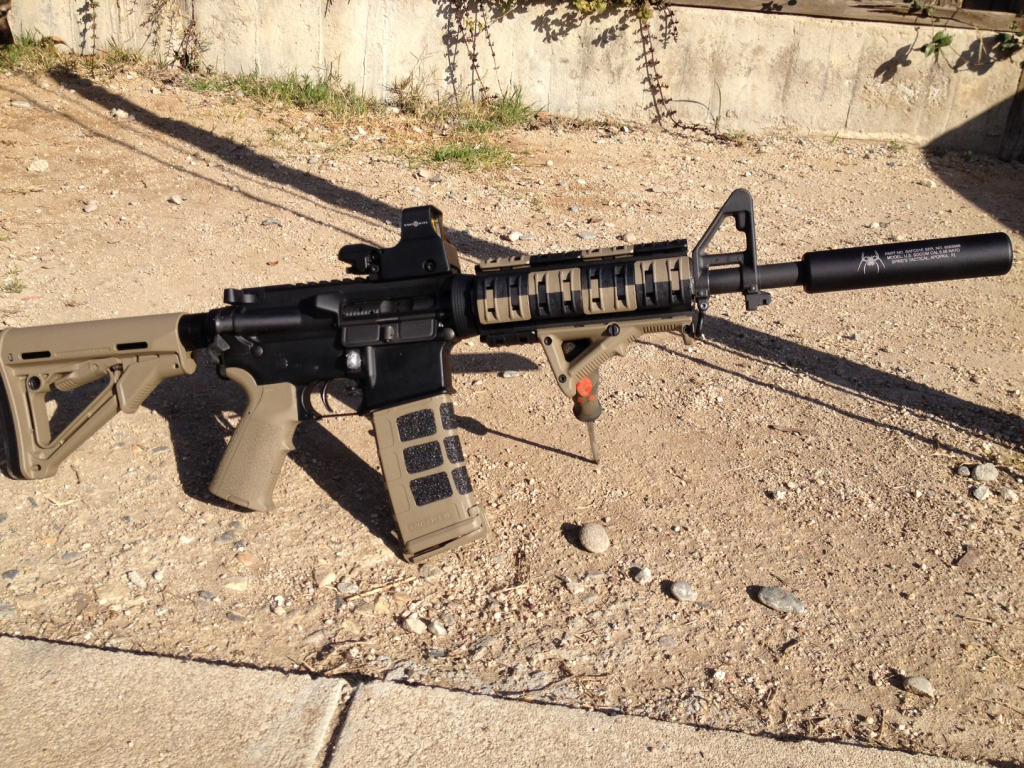
Civilians have been using the platform in activities like range shooting, competition, training, and some hunting. It is not so, that, at a single lower receiver, a single upper can serve very different barrels, optics, and stocks, but that it is possible to have very different uppers, barrels, optics, and stocks on a single lower receiver. It is the modularity that also makes the AR-15 a better thought of as a family of arrangements as opposed to a single fixed rifle with a single fixed role.
4. By default the AR-15 cartridge is too powerful
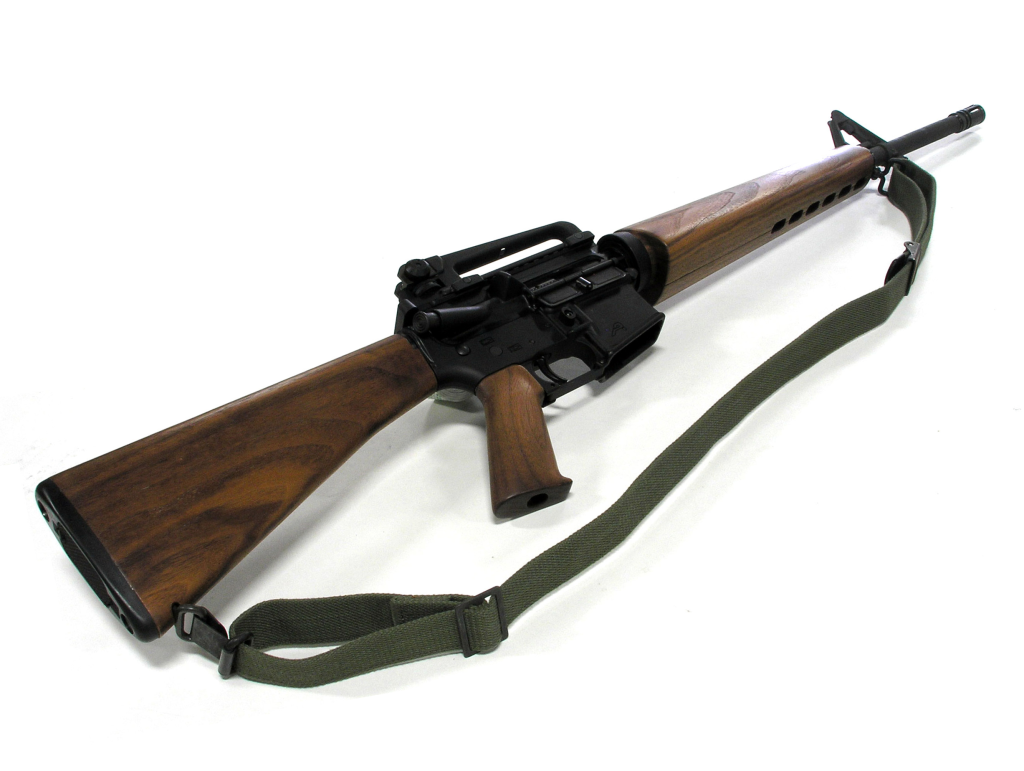
The majority of AR-15s are loaded into either the 5.56 x 45mm NATO or .223 Remington most often known as intermediate cartridges. The same comparison can be used to demonstrate why invoking broad too powerful claims in general fails: a 55-grain.223 load can commonly be cited at about 1280 feet-pounds of muzzle energy, and a 150-grain.308 load can be commonly cited at above 2600. The controllability and shootability of the platform are all design results in accordance with cartridge class, rifle geometry, and gas system behavior- not marketing happenstance.
5. Direct impingement implies that the AR-15 is not reliable
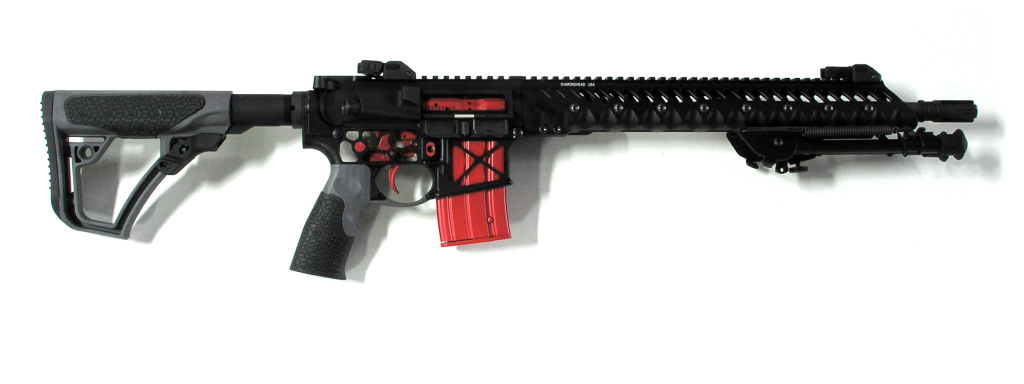
The AR-15 operates on the principle of cycling on its gas system: The gas is tapped out of the barrel and used to propel the bolt carrier to the rear, extruding the fired shell, returning the hammer to the rest position and loading the next round. It is not based on a single slogan but on practical reliability, which is dependent on dwell time, gas port size, buffer weight, and spring tension. Homebuilders interested in knowing why a given rifle handles easier or a given rifle is rougher tend to have their questions answered by examining dwell time and the ratio between barrel length and gas system length as the latter influences pressure at unlock and the violent nature of carrier movement.
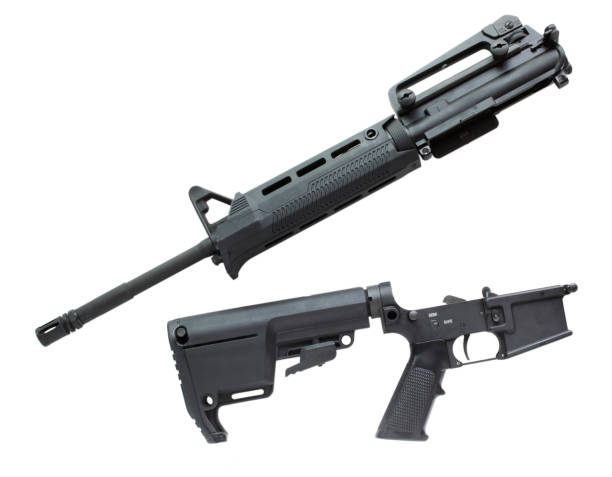
6. It is simply a matter of snapping together to assemble an AR-15
The replacement of parts can be made easy since modularity allows replacement, yet assembly remains in a realm of tolerances. A rifle may seem complete and out of spec: the gas block may be misaligned, the critical interfaces may be of the wrong torque, the buffers may not be compatible, or the barrel and gas system length may not align to give reliable cycling. The AR does not correct itself; it operates well provided the build is mechanically plausible and the important interfaces are verified with the due seriousness as any other machine that carries pressure.
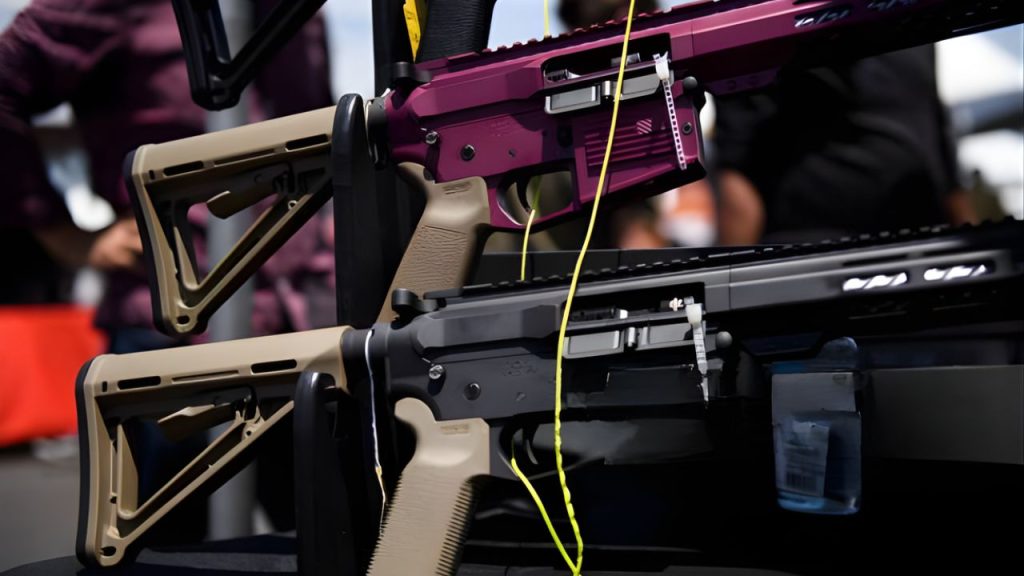
7. AR-15 policies are the same in the United States
The details are in configuration and jurisdiction beget legality. California may use restrictions by name, by “copy/variation, and by a features-based definition that activates pistol grips, folding/telescoping stocks and flash suppressors and others under the Penal Code at 30515. Process regulations also involve parts: AB-1263 of California also includes identity and age checks regarding the sale and delivery of designated firearm accessories, whereas SB-704 imposes extra restrictions on barrel sales outside primary deals mediated by a dealer.
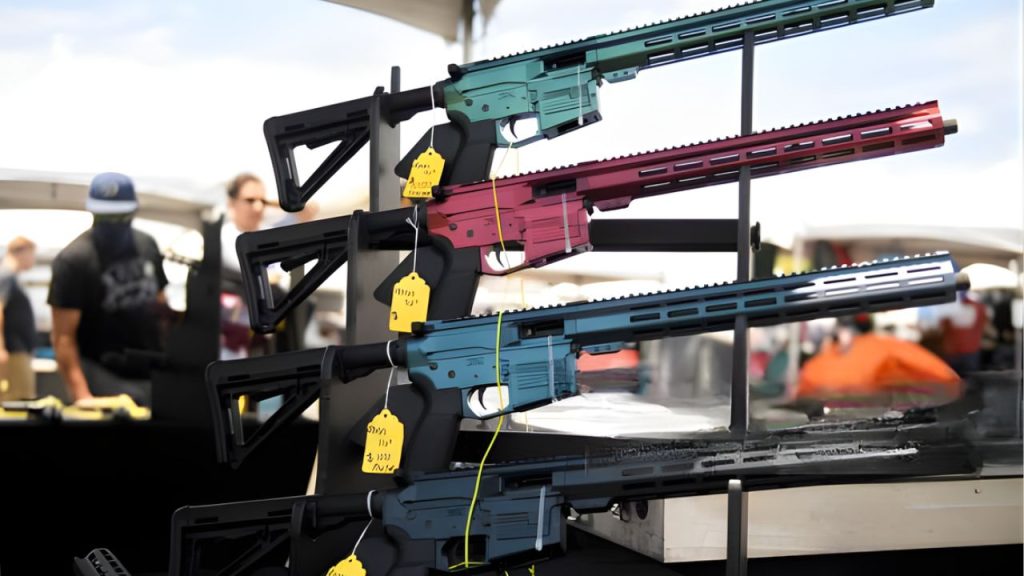
The most enduring myths of the AR-15 are still present since the platform is located between engineering terminology, cultural acronym, and a highly specialized set of rules. When these categories become confused with each other the mechanical realities are substituted with assumptions. The simplest understanding of the system and simple language the rifle is, how and what rules go with a particular set up, do more to elucidate the AR-15 than any argument constructed on nomenclature.


