When a semi-auto pistol stumbles, it rarely fails in a clean, predictable way. A stoppage can be as minor as a short-stroke that needs a rack, or as serious as a gun firing when it should not. For anyone who carries, trains, or simply expects a machine to run as designed, certain models have become shorthand for what happens when engineering, production, and validation don’t line up.
Some of these pistols were ambitious new lockups, new form factors, or a push into a hot segment. Others were cost-driven designs where compromises showed up at the extractor, magazine, or ignition system. The common thread is the same: once users start seeing repeatable failures to feed, fire, extract, or eject, trust evaporates quickly.
Below are ten pistols frequently cited for reliability or safety problems, along with the mechanical “why” behind the reputation and the broader lesson each one leaves behind.
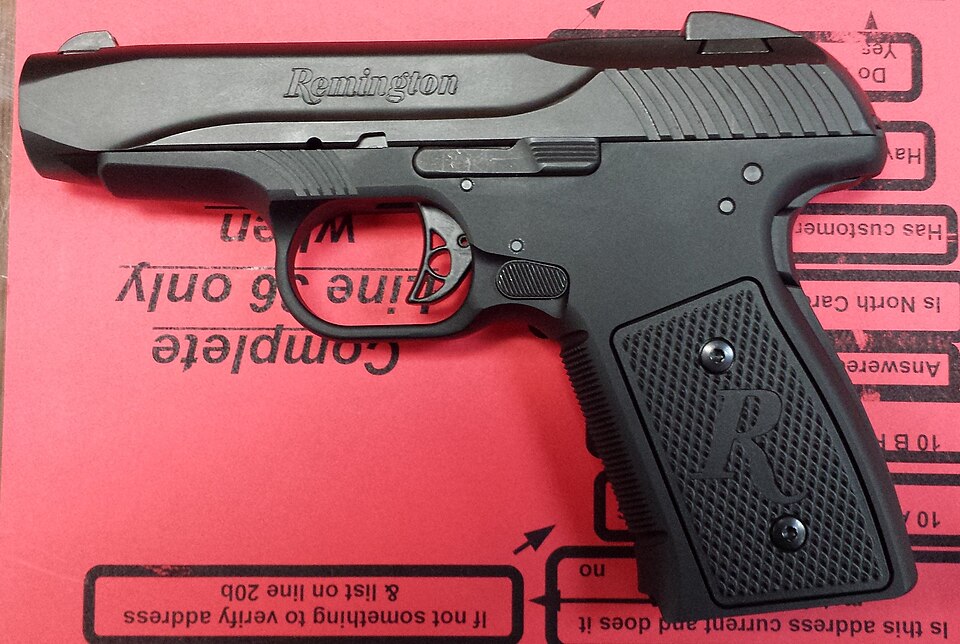
1. Remington R51 (Gen 1)
The R51 arrived with a heritage hook Pedersen’s hesitation-lock concept updated for 9mm but it became a case study in a prototype that didn’t survive mass production. Owners reported failures to feed, light strikes, and the most alarming claim: firing out of battery. The company ultimately issued a full recall and exchange program, an unusually clear signal that the issues were systemic rather than isolated.
The takeaway was blunt. A clever operating system cannot compensate for uneven tolerances, inconsistent magazines, and rushed validation especially on a compact pistol where slide velocity and timing windows get tight fast.
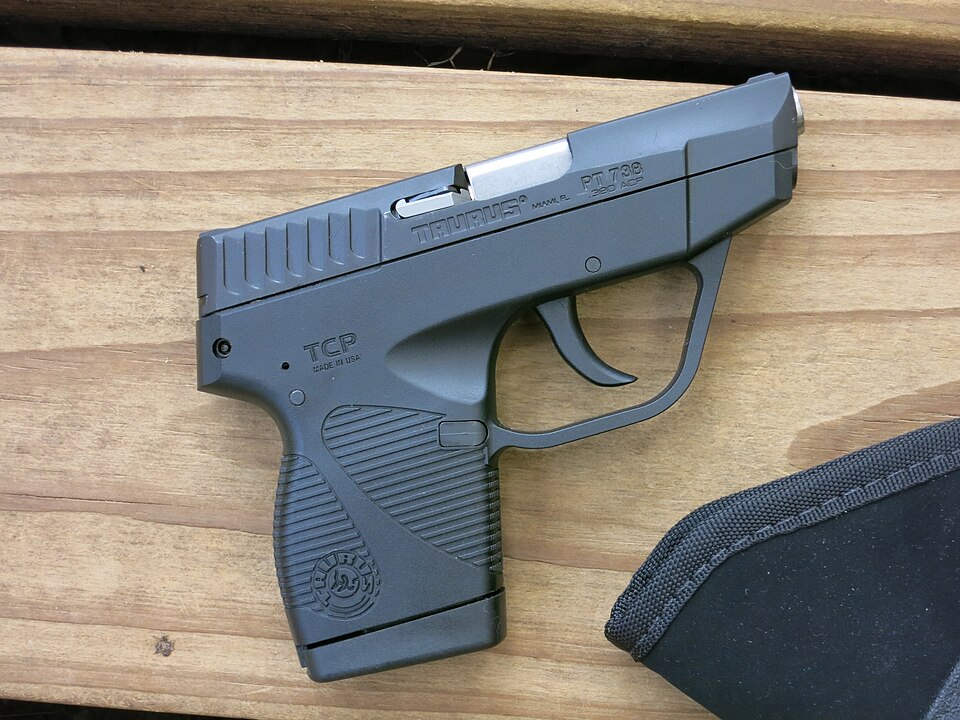
2. Taurus PT738 TCP
The PT738 TCP earned its audience by being small, light, and simple to carry. Its reliability complaints centered on light primer strikes and erratic ejection, particularly when paired with lower-cost practice ammunition. In a defensive-sized .380, small changes in spring rate, firing pin energy, or slide speed can turn “mostly fine” into “mystery gun.”
Its broader lesson is that ultra-compact pistols demand a wide functional margin. If a pistol needs a narrow ammo band or an extended break-in just to behave, confidence becomes hard to justify.
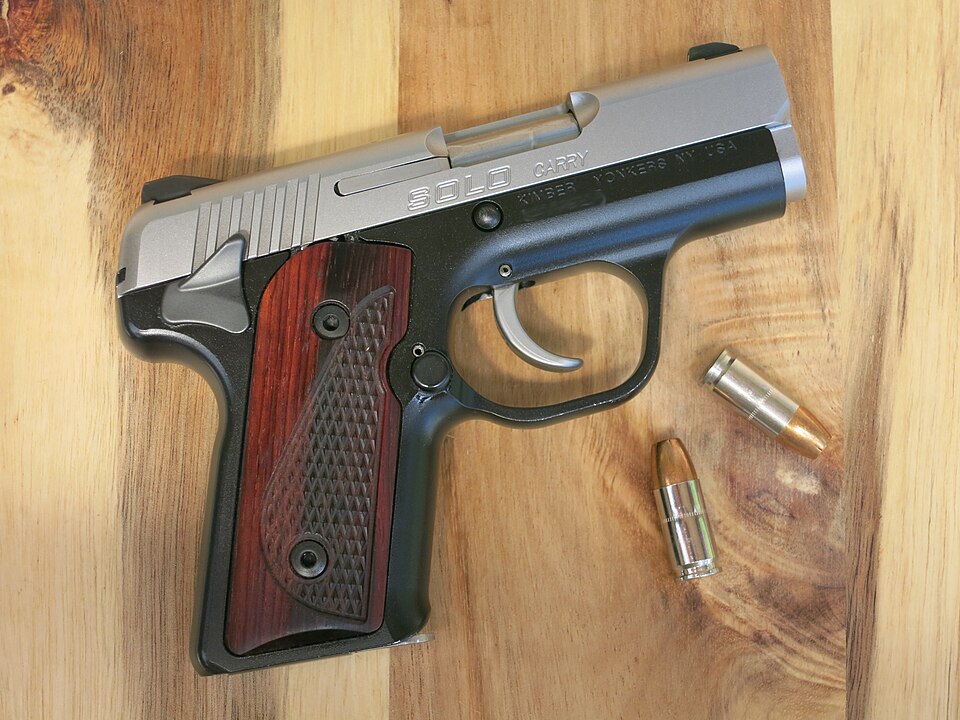
3. Kimber Solo Carry
The Solo Carry illustrated a different failure mode: a pistol that runs, but only under conditions many shooters don’t want to live with. Reports commonly tied the Solo’s reliability to hotter defensive loads while standard-pressure ammunition brought misfires and cycling problems.
For a carry gun, that kind of pickiness becomes a logistics and training problem. The gun’s real-world performance envelope narrowed to the point that its premium fit and finish could not offset the functional constraints.
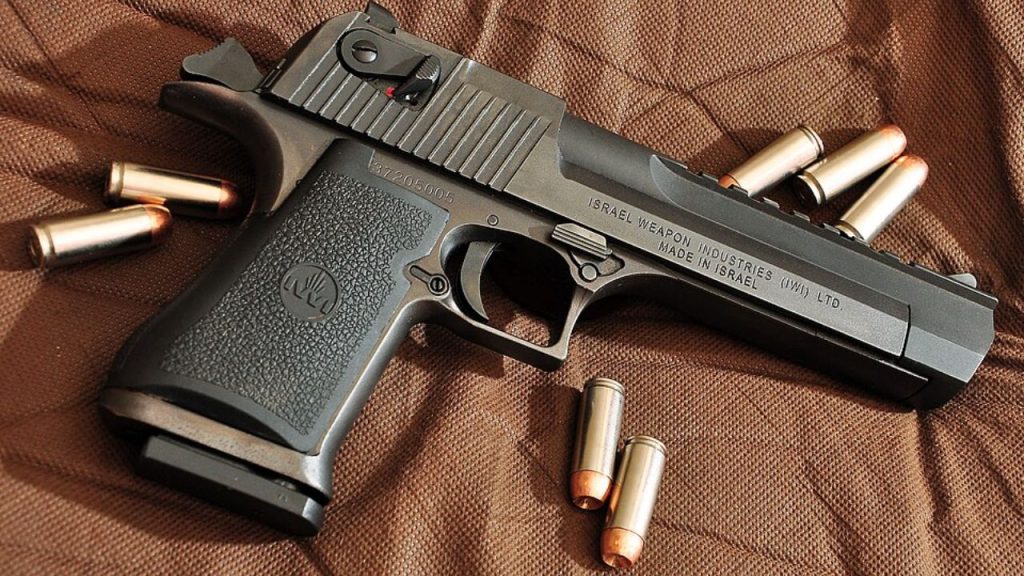
4. Magnum Research Desert Eagle (.50 AE)
The Desert Eagle is iconic engineering gas operation, rotating bolt, and rifle-like mechanics in a pistol-sized package. It also punishes variables. Weak grip technique and inconsistent ammunition frequently show up as stovepipes or short cycling, because the system expects a certain impulse and a stable platform to complete the cycle .
This is less a “bad design” than a design with tight requirements. The lesson is that impressive mechanisms can be reliable inside their parameters while still being a poor match for defensive expectations.
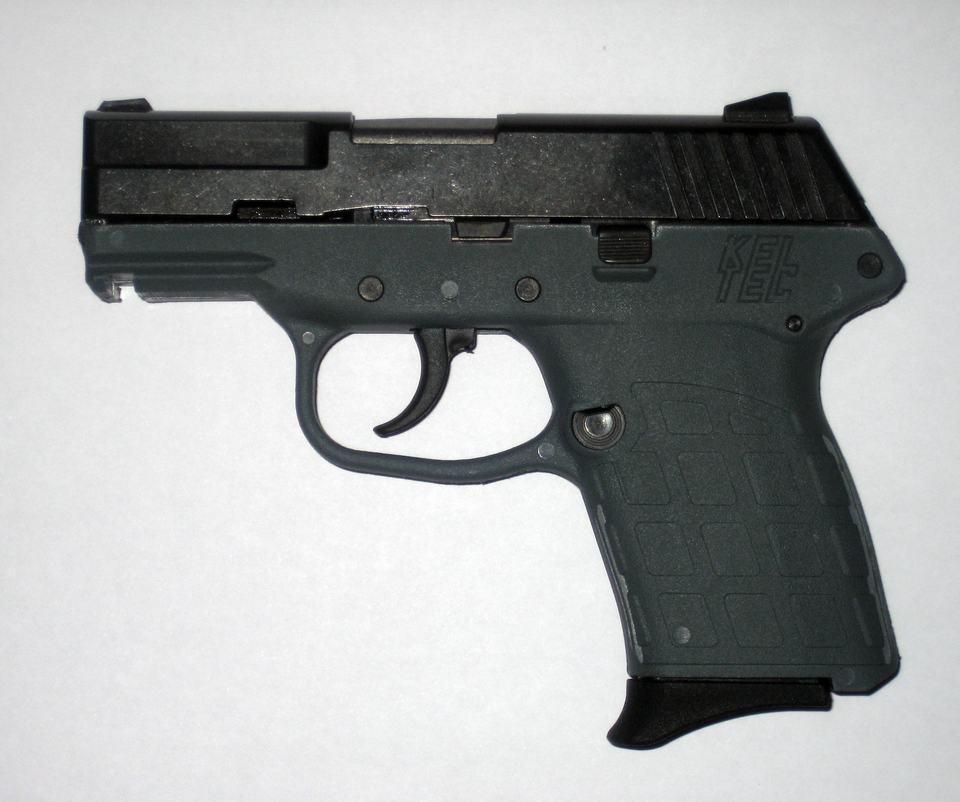
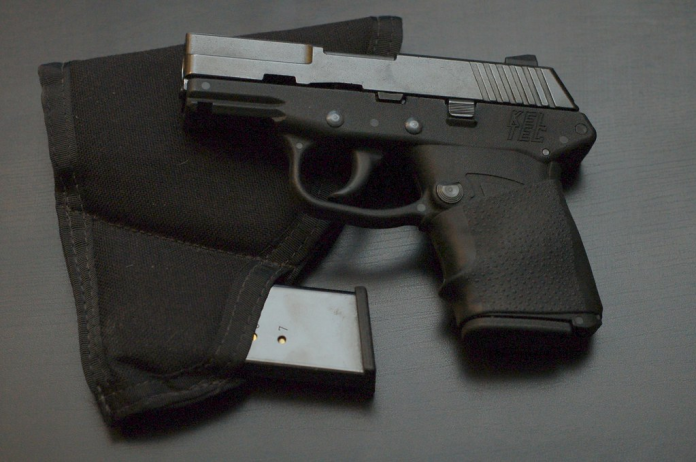
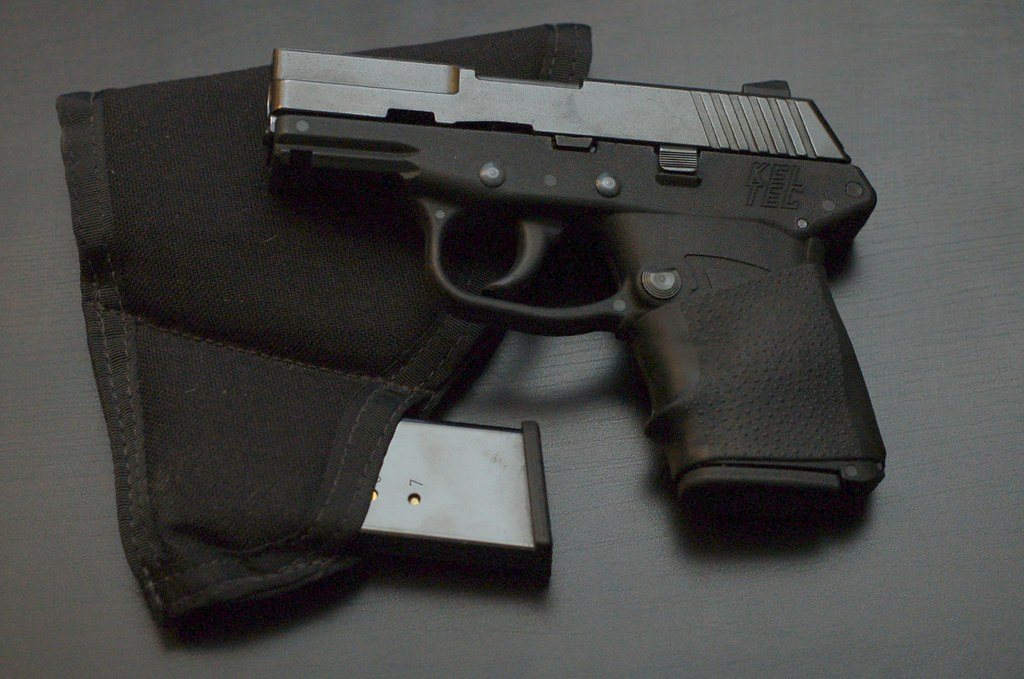
5. Kel-Tec PF-9
The PF-9 made early waves by being thin and light before micro-compacts became the norm. Long-term user experiences, including a detailed account of extractor tuning problems, describe recurring feed and ejection issues tied to extractor tension and a finicky assembly stack where the screw tightness becomes the difference between running and choking. One long-term update described persistent failures-to-extract after roughly 500 rounds and the difficulty of dialing in the extractor system without a defined torque spec.
Its lesson is classic lightweight engineering: shaving ounces can also shave durability margin, and small parts that require “just right” adjustment tend to drift out of that sweet spot.
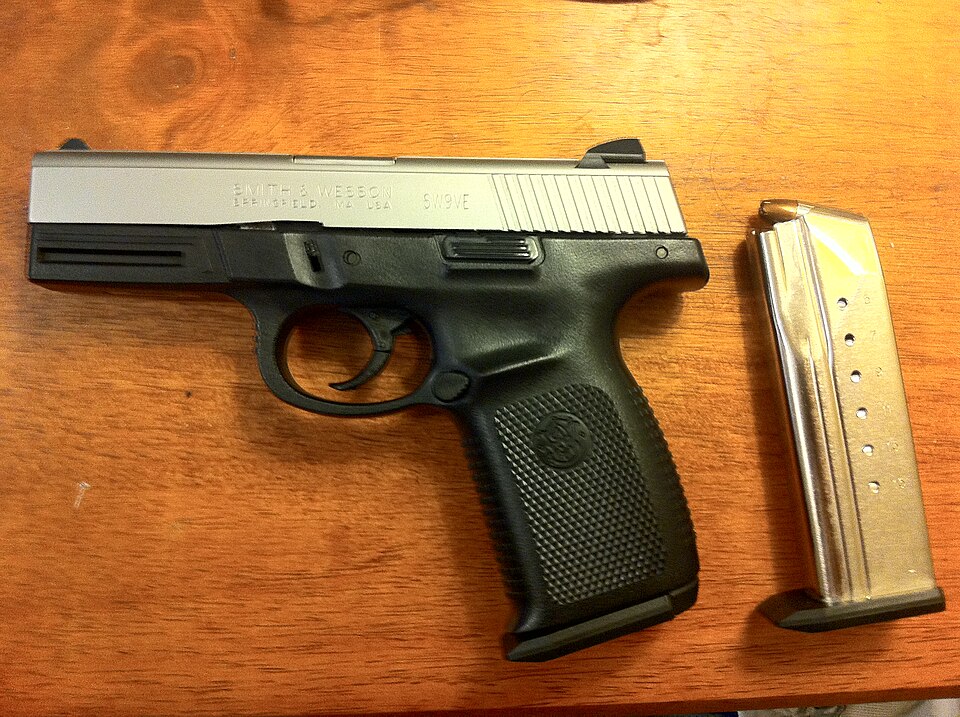
6. Smith & Wesson Sigma (early production)
The Sigma series sits in the “early polymer era” category guns that helped manufacturers learn how sensitive striker-fired reliability can be to internal geometry and consistency. Complaints clustered around heavy triggers, inconsistent tolerances, and intermittent feeding or ignition problems, especially in earlier runs.
Later improvements changed many owners’ experiences, but the early stigma stuck. In the handgun world, first impressions often become permanent lore.
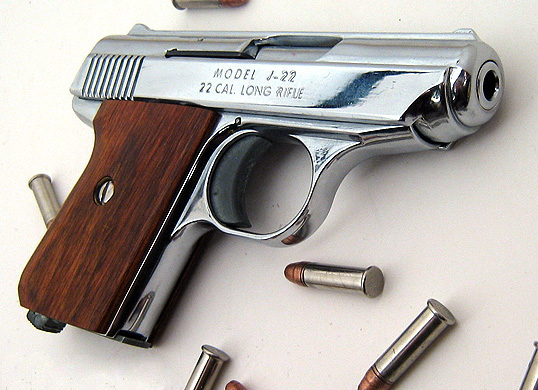
7. Jennings J-22
Small, inexpensive rimfire pistols are notoriously hard to make run well because .22 LR is dirty, rim dimensions vary, and tiny slides have little inertia. The Jennings J-22 piled on additional problems: frequent stovepipes, weak extraction, and long-running concerns about drop safety, reinforced by warnings to carry with an empty chamber.
Its takeaway is that “cheap and tiny” is a rough combination for rimfire reliability, and safety design margin matters as much as basic function.
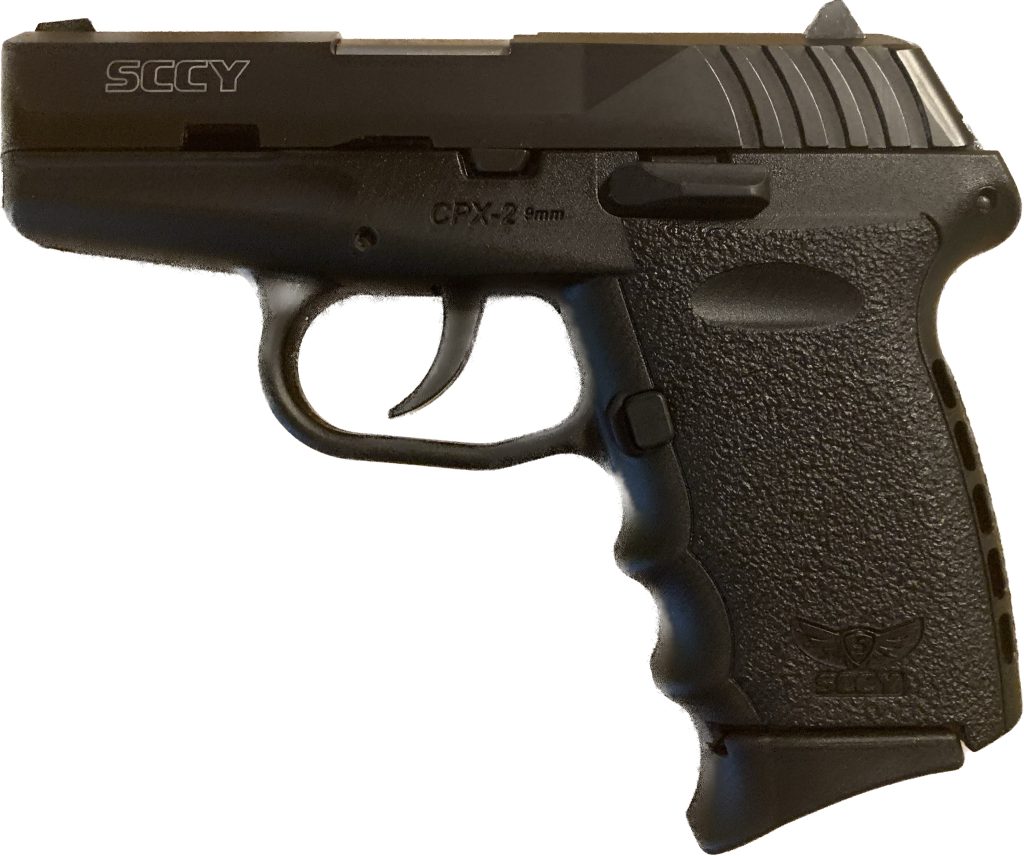
8. SCCY CPX-2
The CPX-2 developed a reputation for inconsistency some examples working acceptably while others cycle like a malfunction drill generator. Complaints frequently include feed issues and light strikes, and aggregated discussions point to a broader “reliability lottery” problem. Compounding that, market chatter has highlighted reports that SCCY suspended operations, which changes the practical reality of long-term support for pistols already in circulation.
The lesson is that warranties don’t clear stoppages in the moment, and brand continuity matters when a platform is already viewed as inconsistent.
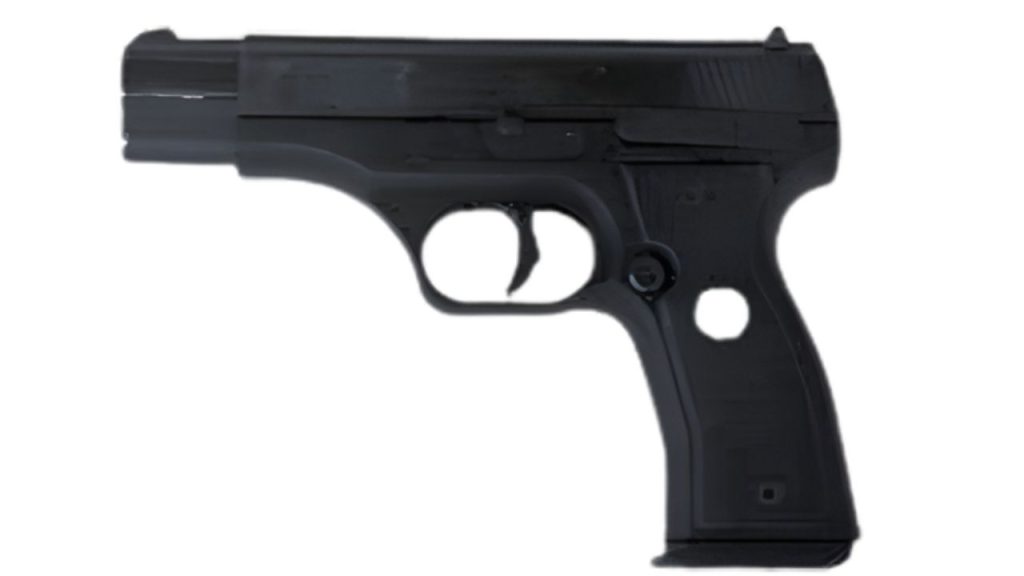
9. Colt All American 2000
On paper, the All American 2000 sounded like a serious bid for the modern 9mm market: polymer frame, striker-fired operation, and a rotating-lock system. In practice, it became infamous for malfunctions, poor accuracy, and a safety recall tied to drop-fire concerns. The disappointment is sharpened by its lineage; development involved Reed Knight and Eugene Stoner, and Colt historian Rick Sapp called it “one of the most embarrassing failures in the company’s history.”
Its enduring value is as a cautionary tale: production changes, legal-driven trigger decisions, and tolerance issues can turn an innovative mechanism into an unreliable finished product.
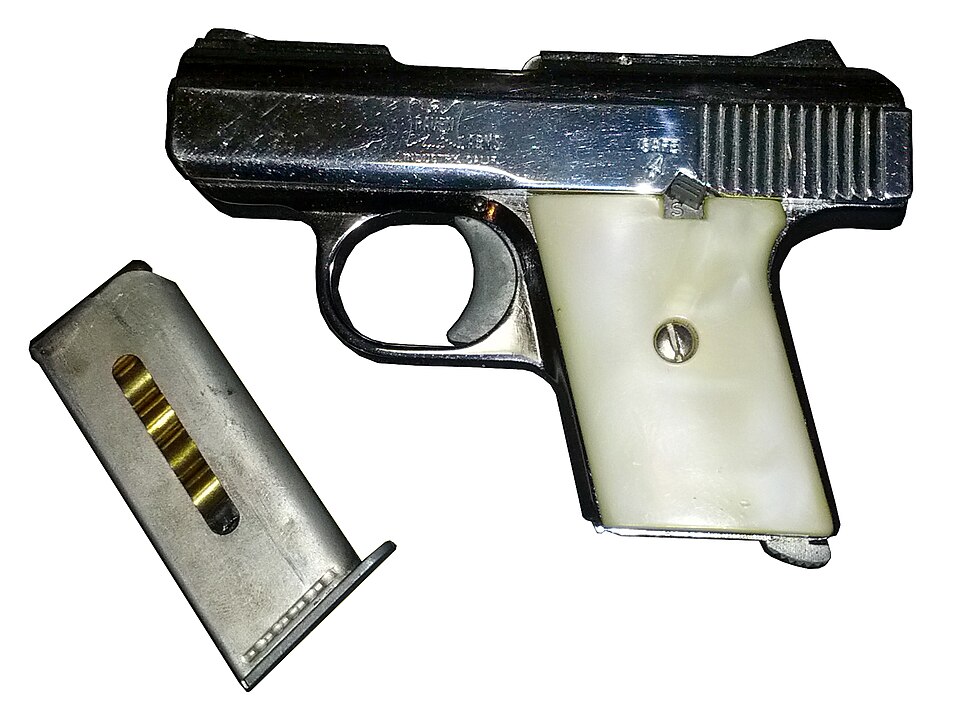
10. Raven MP-25
The Raven MP-25 represents the mass-market “Saturday night special” era: zinc-alloy construction, simple blowback operation, and minimal features. Even when generally functional, misfires and rough handling characteristics were common enough to keep it out of serious-use conversations, and the lack of a slide lock underscored the utilitarian, cost-cut approach.
Its takeaway is straightforward. Minimalist construction can produce a gun-shaped object that fires, but it rarely produces a pistol that earns trust through sustained use.
Across all ten, the pattern is consistent: reliability problems usually trace back to timing (slide velocity versus spring rates), weak links in the extraction/ejection system, or ignition energy that leaves no margin for dirt, variance, or wear. When those stack up, the user ends up doing the manufacturer’s validation work on the range.
For shooters evaluating any pistol especially compact carry guns the best indicator remains boring, repeatable function across multiple ammunition types and sustained round counts, not clever features or a good first magazine.


