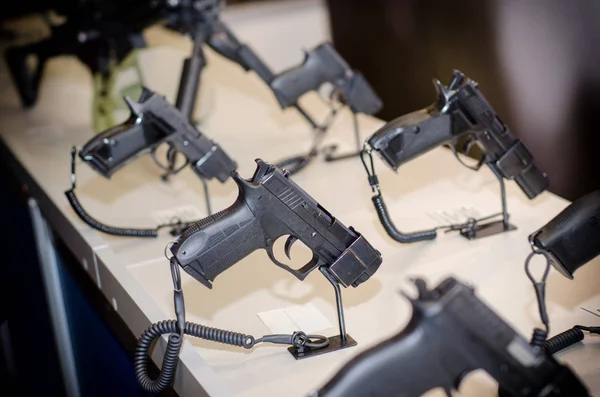
Some handguns achieve fame because they were everywhere. Others are important because they have simply rewritten what “normal” is in a duty handgun: how many rounds will fit in the grip, how safely it can be carried, how easily one can keep running, and what materials should go into a serious sidearm. The 9×19mm cartridge is at the heart of this tale because it favors both controllability and capacity. Over the years, a few pistols capitalized on these benefits to create design trends that the rest of the industry could not resist.
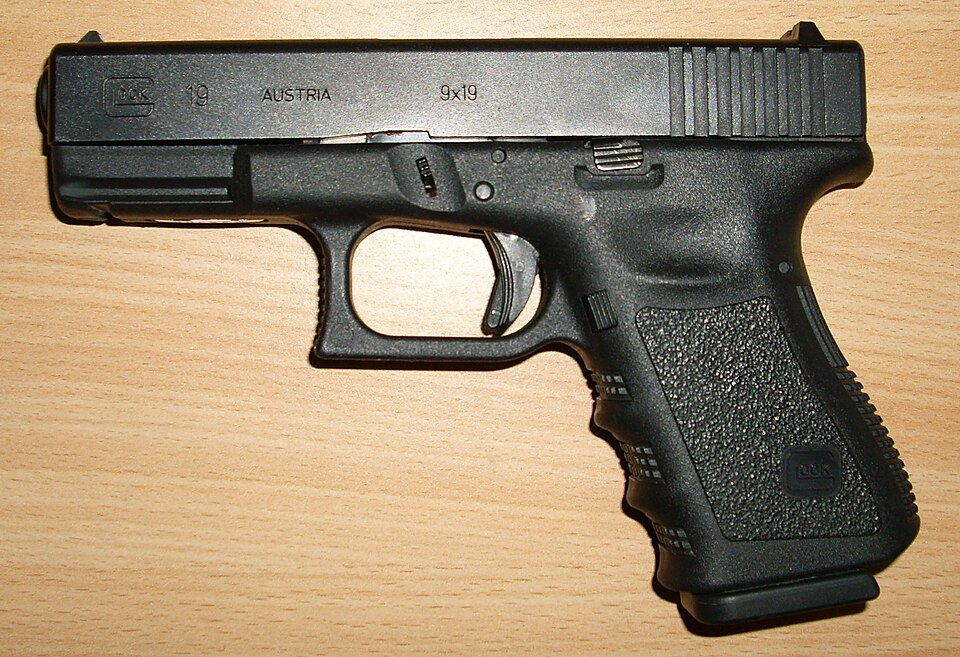
1. Glock 19
The Glock 19’s importance is its “do-most-things” footprint combined with a polymer frame that made optimal weight and corrosion resistance seem almost mundane. The mid-frame size also made the concept of a single handgun handling duty and concealed carry roles without significant sacrifice, particularly when combined with magazine compatibility between similar models. The larger engineering impact is more cultural than technical: a simple manual of arms and consistent trigger pull encouraged modern standards for repeatable performance over platform-specific skill.
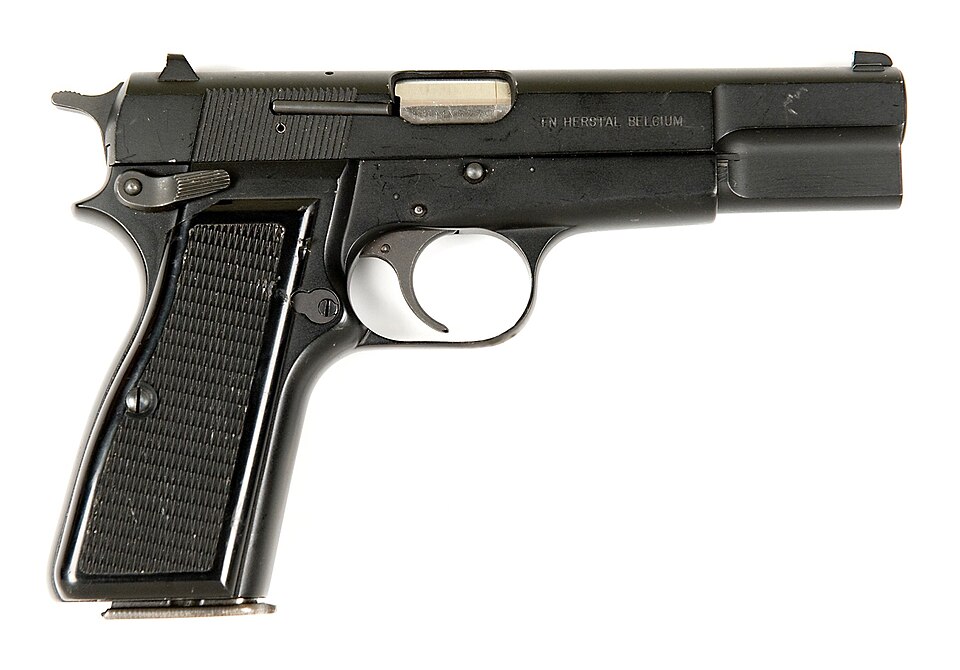
2. Browning Hi-Power
The Hi-Power, released in 1935, introduced the double-column magazine as a viable functional element rather than a curiosity. In design, the contributions of John Moses Browning and the final design efforts of Dieudonné Saive merged on a 9mm pistol that could strike a balance between shootability and magazine capacity, eventually settling on a 13-round magazine. According to the reference histories, production remained widespread, and FN stopped producing the Hi-Power in 2018, but the standard it set for “classic” 9mm design is based on high capacity in a slim, ergonomic grip.
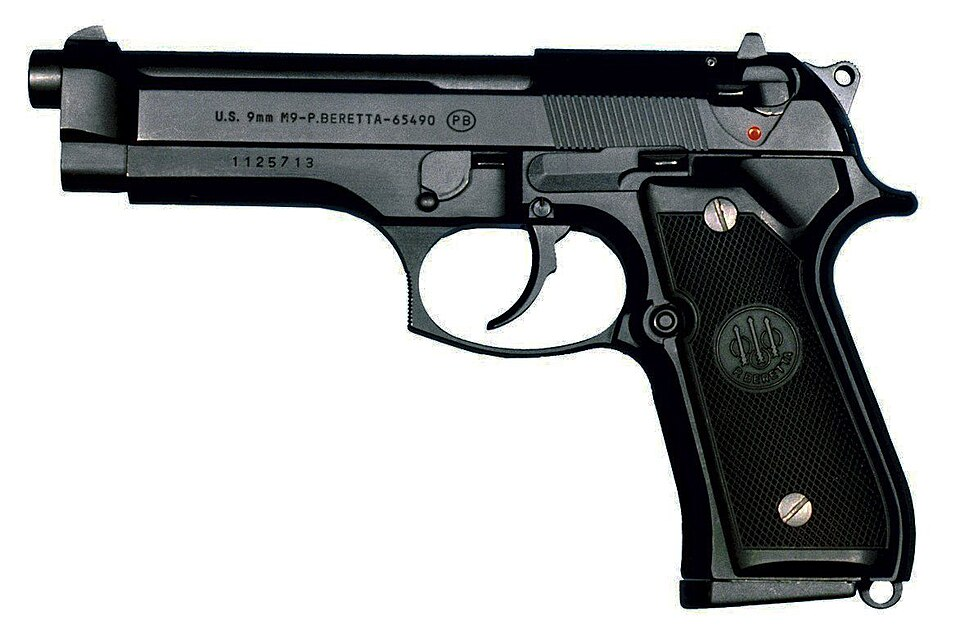
3. Beretta 92 / M9
The Beretta 92 series is remembered for its open-slide design and locking block mechanism, but the more significant engineering history is the way in which procurement needs solidify into a lasting design standard. During the trials period for service pistols in the U.S., 9x19mm calibering, DA/SA action, and a minimum magazine capacity were specified as formal selection criteria; a description of one of the early trials includes a test requirement in which the Beretta was required to put an average of 2,000 rounds between failures in Air Force trials. Later controversies also revealed a less glamorous truth: reliability reputations are often traceable to ammunition requirements, component longevity, and maintenance intervals as much as to the underlying pistol design.
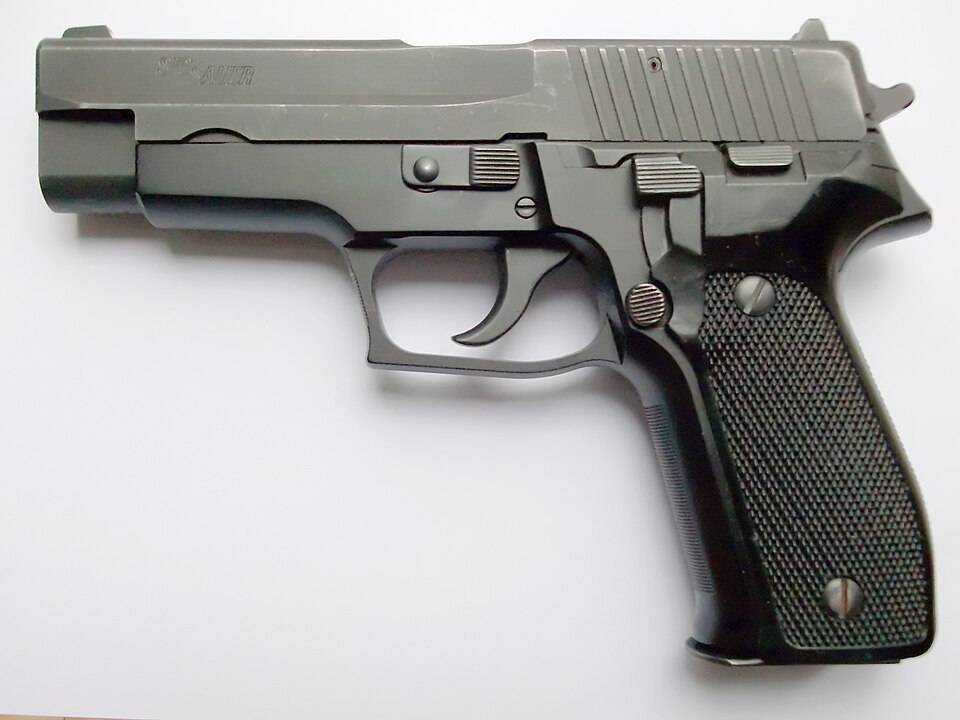
4. SIG Sauer P226
The P226’s role in 9mm history is as a robust, accuracy-oriented service pistol that extended the relevance of metal-framed DA/SA designs during a time of polymer growth. It also served as a “alternative standard” in the sense that it filled a role where agencies and specialists valued long life, predictable handling, and parts support over innovative new designs. Contemporary versions may feature accessory rails and optic-ready slides, but the essential contribution is that it showed a traditional design could compete at a world-class level when built to tight tolerances and with robust lockwork.
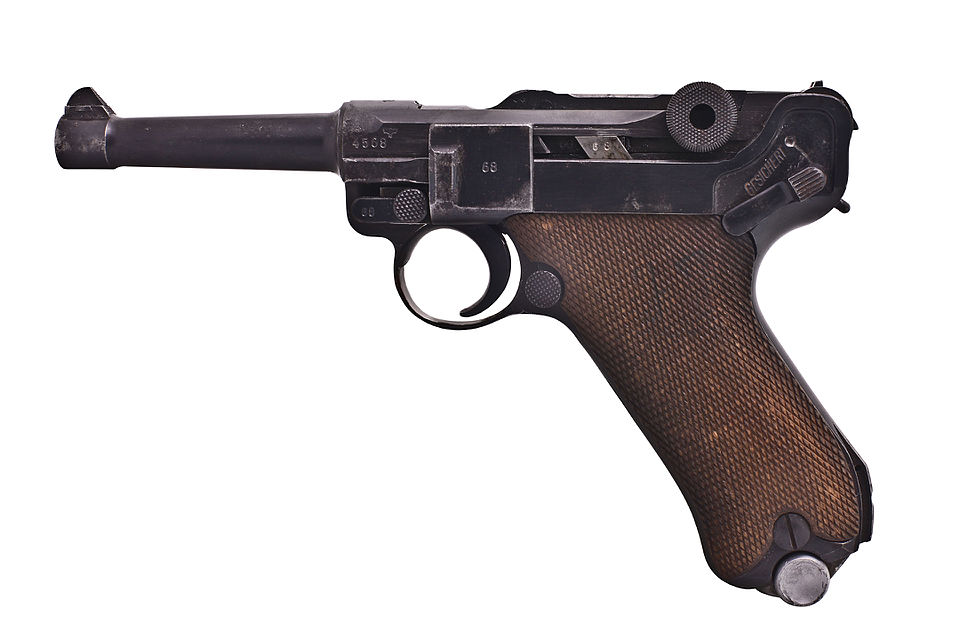
5. Luger P08
The P08 is more of a landmark in the experience of a pistol than a blueprint for modern design, but it is also a factor in the establishment of 9mm identity in the early days, as it was a controllable caliber paired with a very identifiable platform. While modern reviews with a historical perspective do point out the Luger’s significance as a symbol of elegance and mechanical statement, the notion that ergonomics should be on the same level as function never really went away.
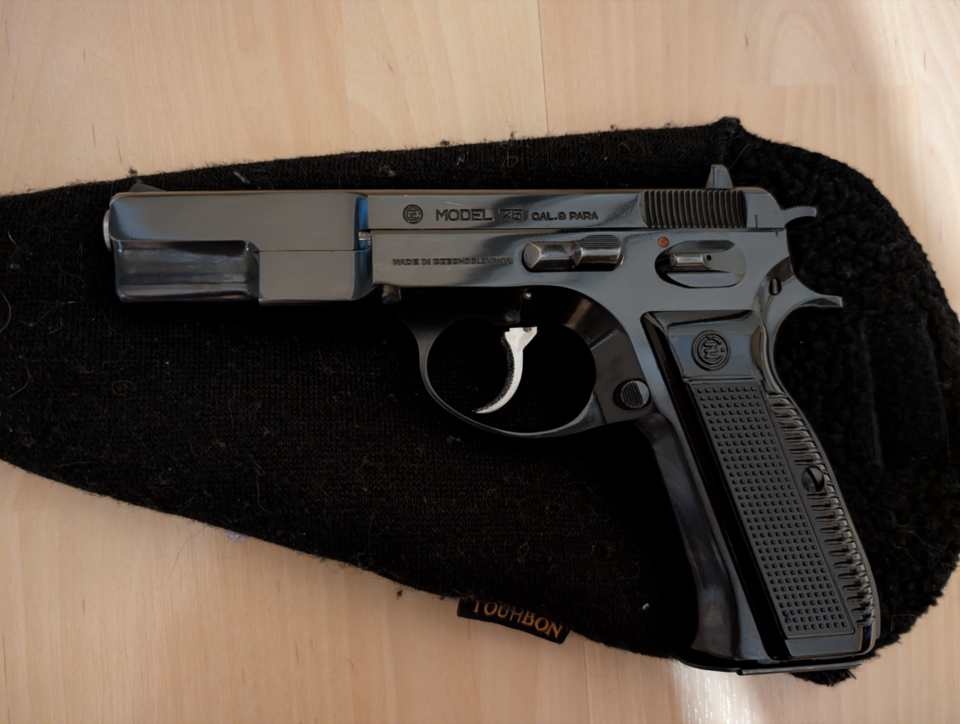
6. CZ 75
The CZ 75 proved that a metal-framed pistol could still provide good control and pointing ability while providing modern capacity. The internal slide rail design helped to give the CZ 75 a slim feel in the hand despite using a double-stack magazine, and it has a reputation for being accurate in practical shooting circles. The overall significance of the CZ 75 is that it filled the gap between “service pistol” and “sport pistol” requirements without requiring the shooter to decide between the two.
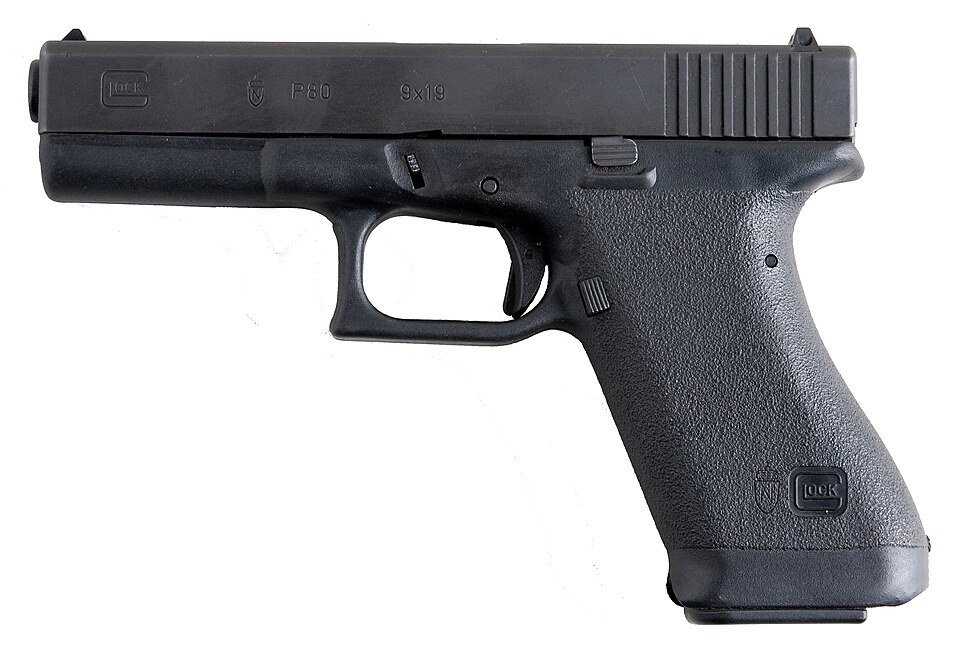
7. Glock 17
The Glock 17’s simplicity of design, with a polymer frame and striker action, was not only accepted but emulated. Its full-size dimensions and magazine capacity made it simple to standardize training, magazines, and accessories, and its corrosion-resistant properties made it well-suited for hard use. While the Glock 19 may be the universal compromise, the Glock 17 is the argument that the new material and new way of doing things could support an entire ecosystem of duty tools.
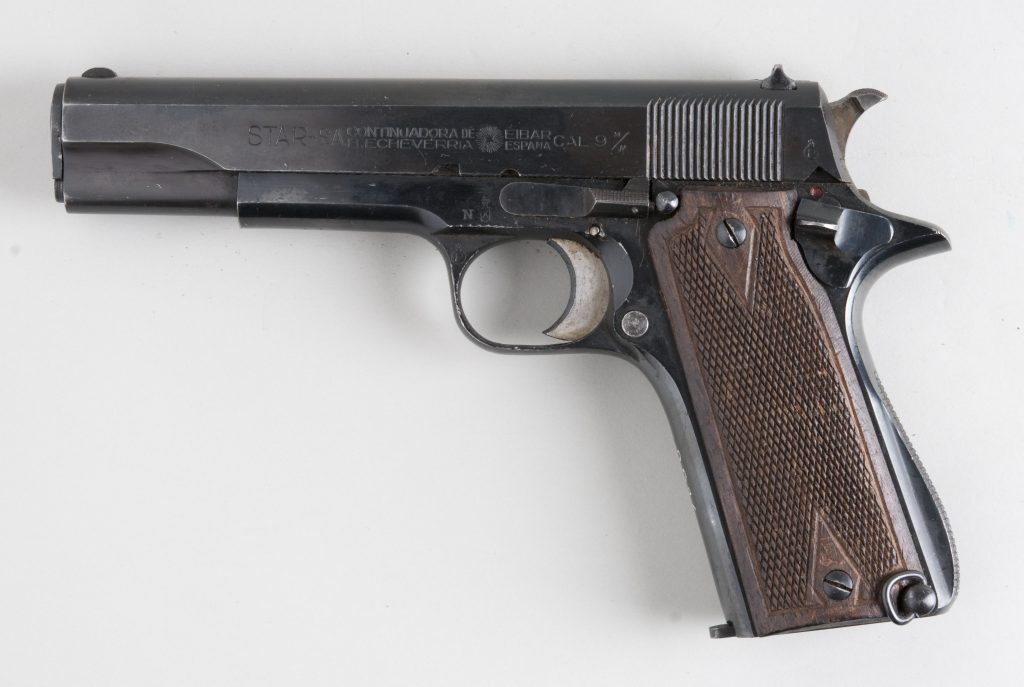
8. 1911 Pattern in 9mm
A 9mm version of the 1911 retains the ergonomics and sharp single-action trigger geometry of the design while mitigating recoil and sometimes adding functional capacity beyond the traditional .45. Historically, the development of the 1911 established industry norms for controls and trigger performance, and the subsequent evolution of service pistols demonstrates how institutions balanced safety tenets, training requirements, and secondary firearm use in departing from purely single-action designs. In 9mm, the design shifts from the “big bore tradition” to shoot ability and rapid, accurate rhythm.
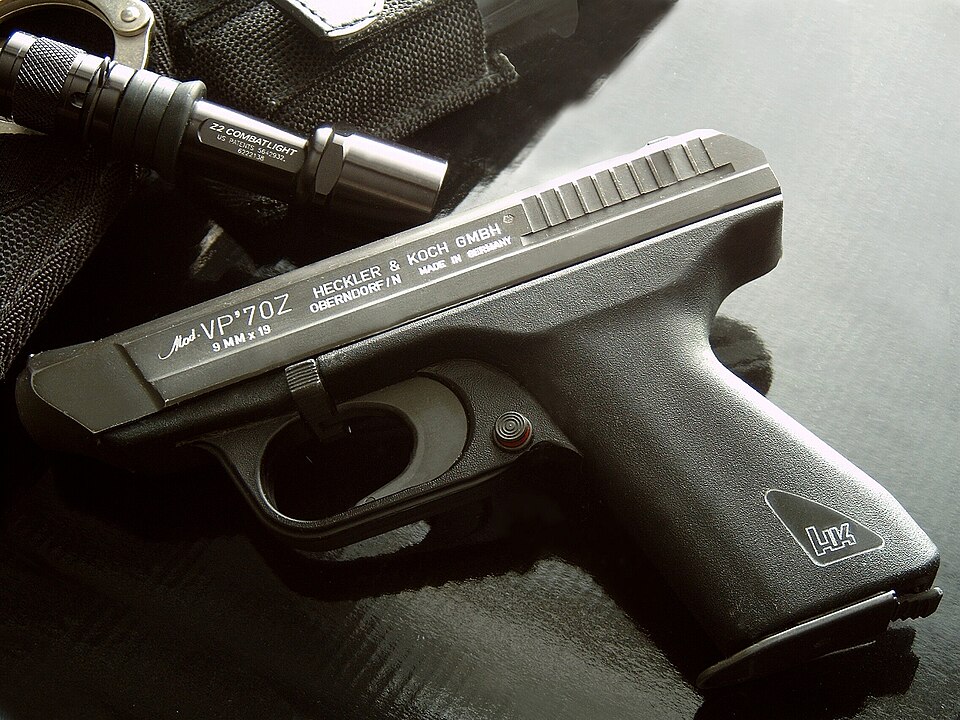
9. Heckler & Koch VP70
The VP70 is frequently regarded as an anomaly, but its significance lies in its pioneering work in polymer technology and radical styling concepts that were to come much later. Although it was no success story as a service pistol, it did help to make the idea of serious handguns not necessarily being made of steel or aluminum more acceptable. Looking back, the VP70 was clearly a precursor to the direction that duty pistol materials and manufacturing would take.
In all of these designs, the common theme that is repeated is not a single element but a number of trade-offs that have become the industry standard: more shots without being unwieldy, easier handling in stressful situations, and materials that can withstand sweat, weather, and abuse. The 9mm landscape of today is seemingly inevitable, but it was created, one influential pistol at a time, by designs that showed their ideas could withstand hard use, institutional acceptance, and the test of time in the form of copying.


